Is Organic Pasta Healthier for Your Everyday Meals

Organic pasta can be a healthier choice, but mostly when it comes with better grain choices. Whole grain or legume pasta usually matters more for health than the organic label alone.
Yes, organic pasta can be a healthier choice for some people. But it is not always more nutritious than regular pasta. The biggest difference is usually how the grain is grown, not the pasta’s basic nutrition.
If you want a simple answer, look at the full label. Organic pasta may fit better into a clean pantry and a food-first shopping style. Still, whole grain, legume, and portion size matter more for health in most meals.
- Organic means farming method: It does not automatically mean more fiber or protein.
- Grain type matters most: Whole grain and legume pasta often give better nutrition.
- Labels need careful reading: “Made with organic” is not the same as fully organic.
- Balance the meal: Add vegetables, protein, and a lighter sauce for better meals.
Is Organic Pasta Healthier? The Short Answer for Busy Home Cooks
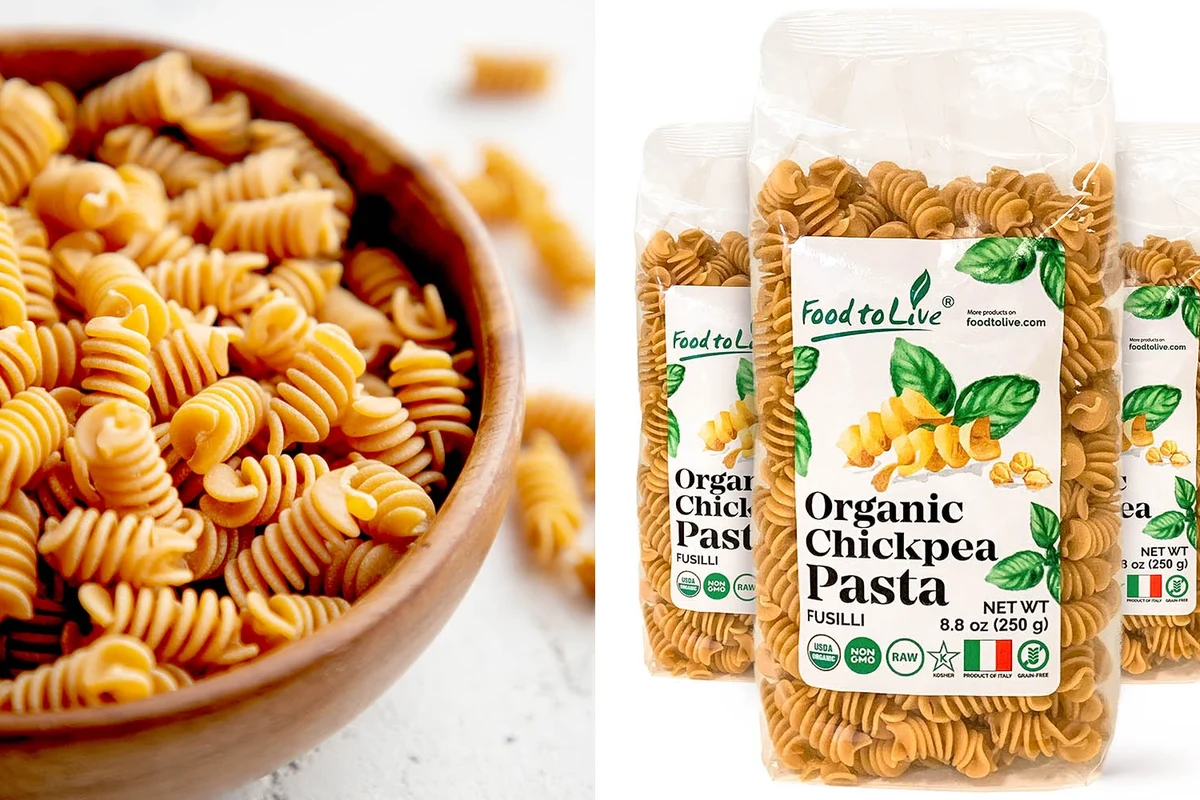
Organic pasta is not a magic health food. It can be a good pick, but it depends on the type of pasta and how you serve it.
For many home cooks, the real question is this. Does organic pasta give you better nutrition, fewer unwanted chemicals, or a better meal pattern? The answer is sometimes yes, but not always.
What “organic” really means on a pasta box
On a pasta box, “organic” means the ingredients follow organic farming rules. Those rules usually limit many synthetic pesticides, many synthetic fertilizers, and some other farming inputs.
That said, organic does not mean the pasta is low in carbs, low in calories, or high in fiber. It also does not mean it is gluten-free or automatically whole grain.
Organic rules can vary by country and certifier. Always check the package for the exact organic seal and ingredient list.
What health claims are fair, and what are not
It is fair to say organic pasta may reduce exposure to some pesticide residues. It is also fair to say some shoppers prefer it because it comes from stricter farming rules.
It is not fair to say organic pasta is always more filling, more nutritious, or better for weight loss. Those claims depend more on the pasta type, sauce, and portion size.
Does organic pasta automatically make a meal healthier?
No. A healthy pasta meal still depends on the grain, the sauce, the protein, and the portion you serve.
Organic Pasta vs Regular Pasta: What Changes and What Stays the Same
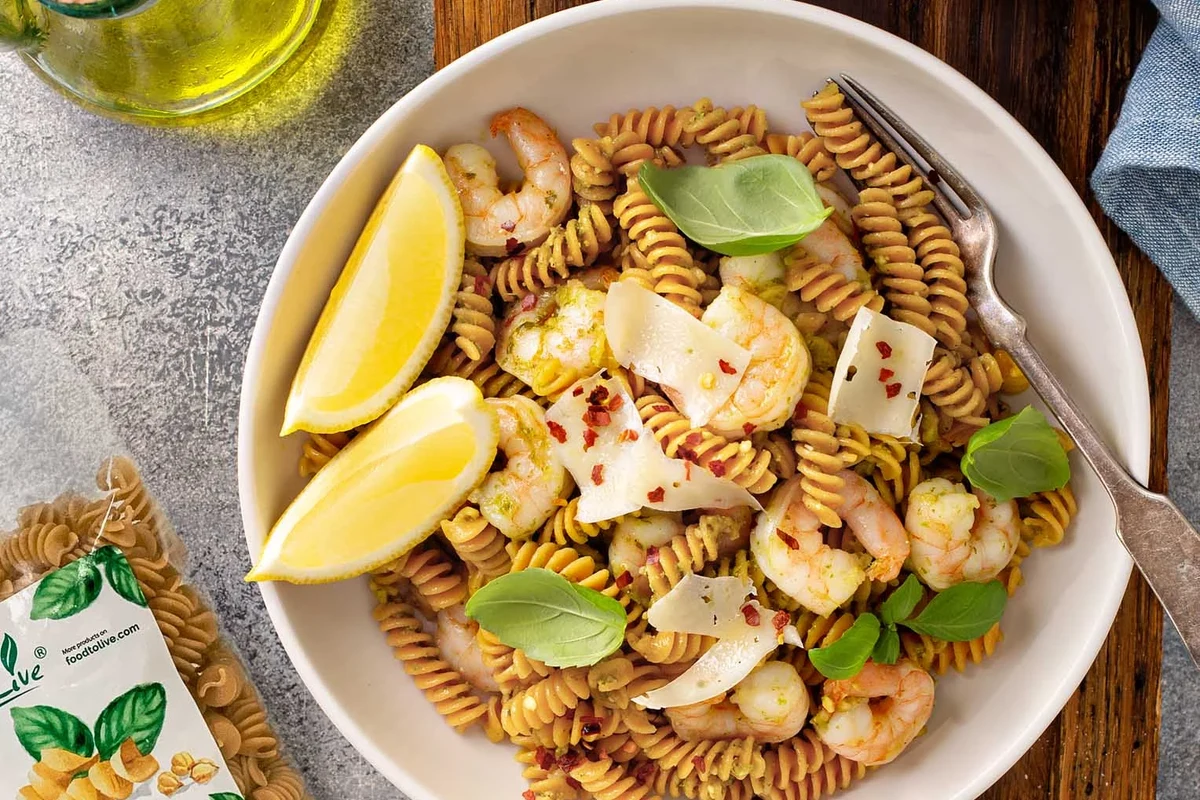
The biggest change is in how the wheat is grown. The cooking result can be very similar, especially with standard semolina pasta.
What stays the same is also important. Most pasta still acts as a starch base, so it gives energy but not a full meal on its own.
Ingredients, flour type, and grain quality
Many organic pastas use the same basic ingredients as regular pasta. That often means durum wheat semolina and water.
Some organic brands also use whole wheat, chickpea, lentil, or rice flour. In those cases, the health difference may come from the grain choice, not the organic label alone.
Focuses on how the grain is grown.
Often adds more fiber and nutrients.
Nutrition facts to compare on the label
When you compare pasta boxes, check the serving size first. Then look at calories, fiber, protein, sodium, and added ingredients.
Organic and regular pasta can have nearly the same nutrition facts. If one box has more fiber, it may be the better health pick, even if the other box is organic.
| Option | Best For | Key Consideration |
|---|---|---|
| Organic refined pasta | Simple pantry meals | May not offer extra fiber |
| Organic whole wheat pasta | Higher fiber meals | Taste and texture are heartier |
| Regular whole grain pasta | Budget-friendly nutrition | Can be just as filling |
How taste, texture, and cooking hold up
Organic pasta usually cooks much like regular pasta. If it uses the same wheat type, the texture can be nearly identical.
Whole grain and legume versions feel different. They can taste nuttier, firmer, or more earthy. That can be a plus if you like a heartier bowl.
How Organic Pasta Fits Into a Healthy Meal Plan
Organic pasta works best as part of a balanced plate. It should not carry the meal by itself.
Think of pasta as the base. Then build around it with vegetables, protein, and a sauce that does not drown the bowl in fat or salt.
Portion size and balanced plate ideas
A good pasta meal usually starts with a moderate serving. Then you add enough vegetables and protein to make it more filling.
For example, a bowl with pasta, roasted broccoli, beans, and olive oil can feel satisfying without being too heavy. That is often a smarter dinner pattern than a huge plate of plain noodles.
- Use pasta as the base, not the whole meal.
- Add vegetables for fiber, color, and volume.
- Include protein to help the meal feel complete.
Best sauces, proteins, and vegetables to pair with it
Tomato sauce, olive oil, garlic, beans, chicken, tuna, tofu, and leafy greens all work well. These add more balance than a heavy cream sauce alone.
Try to keep the sauce in check. A small amount of a rich sauce can work, but too much can turn a simple meal into a very dense one.
- Pair pasta with vegetables and protein.
- Choose sauces with simple, familiar ingredients.
- Use pasta as a side for a huge sauce load.
- Assume organic means you can ignore portions.
When organic pasta can support better eating habits
Organic pasta can help if it nudges you toward simpler meals. That happens when it makes you focus on fewer processed add-ons and better pantry habits.
It can also help families who like to cook more at home. When the base ingredient feels cleaner and easier to trust, home cooking may feel less stressful.
Benefits of Choosing Organic Pasta
Organic pasta has real strengths, even if they are not always nutritional. For some shoppers, those strengths matter a lot.
The value often comes from peace of mind, ingredient simplicity, and food choices that match your household habits.
Fewer pesticide concerns for some shoppers
One common reason to buy organic pasta is to limit pesticide concerns. That matters most to shoppers who prefer organic farming methods across their pantry.
This does not mean regular pasta is unsafe. It means some people feel better choosing organic when the price and product fit their needs.
Organic pasta is still pasta. The organic label changes the farming method, not the basic role of the food.
Cleaner ingredient lists and simple pantry appeal
Many organic pasta boxes keep the ingredient list short. That can make shopping easier if you want fewer extras in the pantry.
Short ingredient lists can also help when you cook often. It is easier to stock a few trusted staples and build quick meals from them.
Why some families prefer organic for everyday meals
Some families choose organic pasta because it fits their larger food values. They may buy organic milk, produce, and grains too.
In that case, pasta becomes part of a full household pattern. The benefit is less about one meal and more about a consistent way of shopping.
- May reduce concern about pesticide use.
- Often has a simple ingredient list.
- Fits well into a clean pantry style.
Limits and Trade-Offs You Should Know
Organic pasta is not the best choice for every home. It has real limits, especially when you compare it with other pasta types.
The main trade-off is simple. You may pay more or get less fiber without gaining much extra nutrition.
Why organic pasta is not always more nutritious
Organic wheat can still be refined wheat. That means the pasta may still be low in fiber and similar in carbs to regular pasta.
If you want more nutrition, whole grain or legume pasta may matter more than the organic label. That is where many shoppers get the biggest health gain.
- May align with organic food goals
- Can support simpler ingredient choices
- Not always higher in fiber or protein
- May cost more than regular pasta
Price differences and budget concerns
Organic pasta often costs more than regular pasta. The exact gap depends on brand, store, grain type, and region.
For a family that eats pasta often, that difference adds up. If your food budget is tight, regular whole grain pasta may give better value.
When regular pasta may be the smarter buy
Regular pasta can be the smarter choice when budget matters most. It also makes sense if you plan to load the meal with vegetables and protein.
If you buy regular whole wheat or whole grain pasta, you may get more fiber for less money. That can be a better everyday pick than organic refined pasta.
Choose whole grain or legume pasta first, then decide if organic matters to you.
Choose the pasta that gives you the best fiber and price balance.
How to Shop Smart for Organic Pasta in 2026
Smart pasta shopping is mostly label reading. That matters more than the word organic alone.
In 2026, shelves can be crowded with claims. Some are useful. Others are just marketing noise.
Labels, certifications, and grain choices
Look for a real organic certification on the package. Then check whether the pasta is refined, whole wheat, or made from another grain.
If you want better nutrition, grain type should lead the decision. Organic status is a second step, not the first one.
- Check the grain type first.
- Read fiber and protein on the label.
- Look for a clear organic certification.
- Compare serving size, not just package size.
What to look for in whole wheat, legume, and gluten-free options
Whole wheat pasta often gives more fiber. Legume pasta may give more protein and fiber. Gluten-free pasta can work well for people who need it, but the texture varies a lot.
Always check the ingredient list and nutrition facts. Some gluten-free pastas are very refined, so they may not be as filling as you expect.
Common marketing tricks that can confuse shoppers
Words like natural, artisan, and clean can sound healthy. But they do not always tell you much about nutrition.
Also, “made with organic wheat” is not the same as fully organic pasta. That small wording change matters, so read carefully.
If you have allergies or celiac disease, read the full label and allergen statement. Organic does not mean safe for every diet need.
Common Mistakes People Make When Buying or Cooking Organic Pasta
Many pasta mistakes happen before the water even boils. Others happen after the food is on the plate.
Avoiding a few simple errors can make organic pasta taste better and fit your goals more closely.
Picking pasta that sounds healthy but lacks fiber
Some shoppers buy organic pasta and assume it is the healthiest option. Then they later notice it is still made from refined flour.
That is why the label matters. If fiber is your goal, look for whole grain or legume pasta first.
Overcooking, oversalting, or using heavy sauces
Organic pasta can still turn mushy if you overcook it. Follow the package directions, then start checking for doneness a minute early.
Also watch the salt and sauce. A heavy sauce can hide the pasta’s flavor and add more sodium than you want.
The pasta tastes soft, bland, or too heavy.
Cook it until just tender, then finish with a lighter sauce and vegetables.
Storing pasta the wrong way after opening
Dry pasta should stay in a cool, dry place after opening. Keep it sealed well so it does not absorb moisture or pantry odors.
If the package has a paper bag or weak seal, move it to an airtight container. That helps protect freshness and keeps bugs out.
Seal opened pasta tightly or store it in a dry container.
Check for clumps, moisture, or signs of pantry pests.
Final Verdict: Is Organic Pasta Worth It for Your Table?
Organic pasta can be worth it, but mostly for shoppers who care about organic farming and simpler pantry choices. It is not automatically healthier than regular pasta.
If you want the best nutrition, focus on whole grain, legume, or other higher-fiber pasta first. Then choose organic if it still fits your budget and values.
Best choice for health-focused shoppers
Choose organic whole grain or organic legume pasta if you want better nutrition plus organic sourcing. That gives you the strongest mix of fiber, protein, and food values.
Best choice for budget-focused families
Choose regular whole grain pasta if you want a strong health value at a lower cost. It may give you more nutrition than organic refined pasta.
Red Kitchen Project’s practical recommendation
Our practical take is simple. Ask first about grain type, then ask about organic status. That order helps you choose pasta that works for both your health goals and your wallet.
Organic pasta can be a good choice, but it is not always the healthiest one. For most tables, whole grain or legume pasta matters more than the organic label alone.
- Organic pasta is about farming method, not automatic nutrition gains.
- Whole grain and legume pasta usually offer more health value.
- Labels matter more than marketing words on the front of the box.
- Balanced sauces and smart portions make the biggest difference.
Frequently Asked Questions
Sometimes, but not always. Organic pasta may reduce concern about some pesticide use, yet whole grain or legume pasta often gives more fiber and protein.
Check the grain type first, then the nutrition facts. Look for fiber, protein, serving size, and a clear organic certification.
It can taste very similar if it uses the same wheat type. Whole wheat or legume versions often taste heartier and feel firmer.
It can be worth it if organic farming matters to you. If budget is tight, regular whole grain pasta may offer better value.
Organic pasta is not a weight-loss food by itself. Portion size, sauce choice, and the rest of the meal matter much more.
Yes. Keep dry pasta in a cool, dry place and seal it well after opening.