How to Use Harissa Paste for Bold Flavor Every Time

Harissa paste adds bold heat, smoke, and depth to pasta, sauces, vegetables, beans, and proteins. Start with a small amount and mix it with fat or moisture for the best flavor.
Harissa paste is an easy way to add bold heat and deep flavor fast. You can stir it into sauces, spread it on proteins, or mix it with oil or yogurt for a quick boost. If you want to know how to use harissa paste without making food too spicy, start small and build up.
- Start small: Harissa heat can build fast, so taste as you go.
- Use fat or moisture: Oil, yogurt, broth, or sauce helps the flavor blend.
- Great for pasta: It works in tomato, cream, and simple oil-based sauces.
- Check the label: Salt, heat, and texture vary a lot by brand.
What Harissa Paste Is and Why It Works So Well
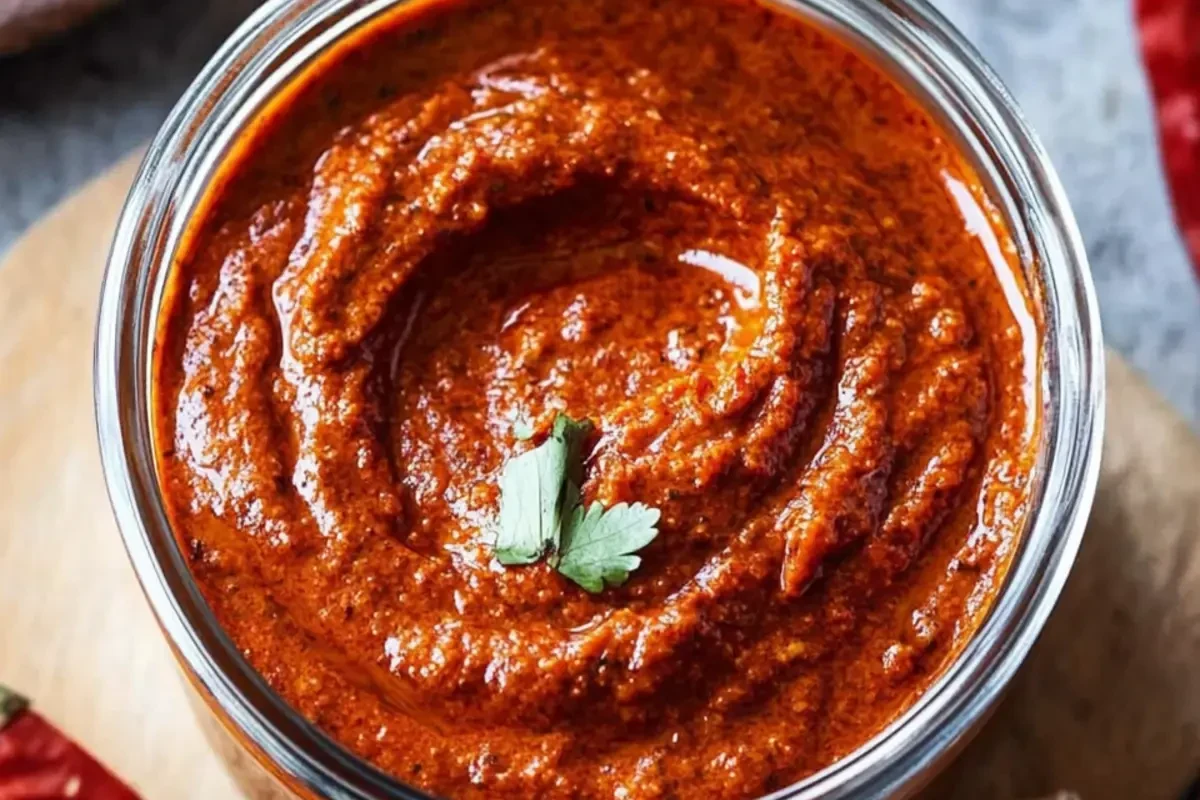
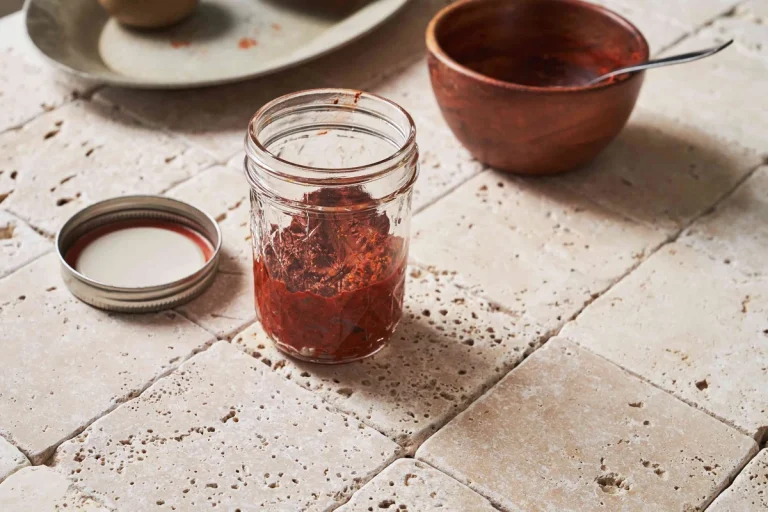
Harissa paste is a North African chili paste. It usually blends peppers, garlic, spices, oil, and sometimes tomato or herbs. The exact mix changes by brand and region, so the flavor can range from bright and fresh to smoky and deep.
It works so well because it brings more than heat. You get spice, savor, and a little richness in one spoonful.
Core ingredients and flavor profile
Most harissa pastes start with hot or mild chilies. Many also include garlic, caraway, cumin, coriander, and olive oil. Some versions add tomato paste, lemon, or vinegar for extra tang.
The result is layered flavor. It can taste spicy, earthy, garlicky, and a little smoky at the same time.
Harissa paste often tastes stronger after it warms in oil or sauce. Heat helps the spice and aroma open up.
How harissa adds heat, smoke, and depth
Harissa gives heat, but it also rounds out a dish. That makes it useful when food tastes flat or needs more life. A small amount can make a simple pasta sauce taste richer and more complete.
Smoky versions work well in roasted dishes. Brighter versions fit better in dressings and quick sauces.
How to Use Harissa Paste in Everyday Cooking
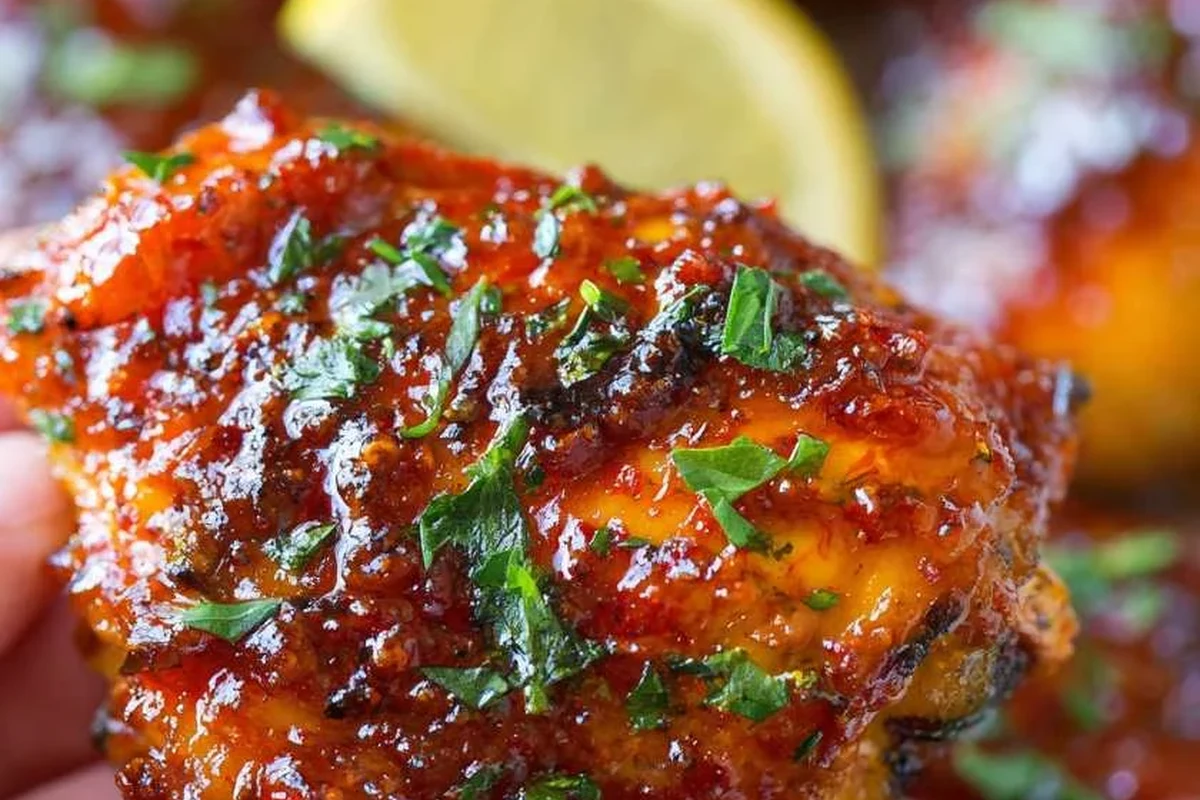
The easiest way to use harissa paste is to treat it like a flavor base. Cook it with oil, broth, cream, tomatoes, or yogurt. That softens the sharp edges and spreads the flavor evenly.
Stir it into sauces, soups, and stews
Add harissa early when you make a sauce or soup. Warm it in oil for a minute, then add your liquid ingredients. This helps the flavor bloom instead of tasting raw.
It works well in tomato sauce, lentil soup, chickpea stew, and braised vegetables. A little goes a long way, so taste as you cook.
Mix it with oil, yogurt, or mayo for quick flavor
Harissa mixed with oil makes a fast drizzle for pasta, roasted veg, or bread. Harissa mixed with yogurt gives you a cool, spicy dip or sauce. Harissa mixed with mayo can make a sandwich spread or burger sauce.
These simple blends are great when you need dinner to feel special with very little effort.
- Whisk harissa with olive oil for a fast finishing sauce.
- Blend it with yogurt to calm the heat.
- Stir it into mayo for sandwiches and wraps.
Use it on pasta, grains, roasted vegetables, and proteins
Harissa fits more than one kind of meal. Toss it with pasta, rice, couscous, farro, or quinoa. Brush it on chicken, shrimp, tofu, or salmon before cooking.
It also shines on roasted carrots, cauliflower, zucchini, and sweet potatoes. In short, it’s one of those pantry items that can rescue a plain dinner.
Harissa paste brands vary a lot. Some are smooth and oily. Others are thick, dry, or very salty, so taste before adding more.
How Much Harissa Paste to Use for the Best Balance
There’s no single right amount. The best amount depends on the brand, your heat tolerance, and the dish you’re making. Start with less than you think you need.
Start small and build heat slowly
Begin with a teaspoon in a small dish. Stir well, then taste after the flavor has time to blend. You can always add more, but you can’t take heat back out.
This matters most in pasta and cream sauces. Harissa can jump from pleasant to intense very fast.
Adjust for mild, medium, or bold flavor
For mild flavor, use a little harissa with oil, broth, or yogurt. For medium flavor, add enough to notice the spice in each bite. For bold flavor, use more paste and let it cook into the dish.
If you’re cooking for a group, keep the base mild and serve extra harissa on the side. That gives everyone control.
Choosing the Right Harissa Paste for Your Kitchen
The best harissa for you depends on how you cook. A busy home cook may want a smooth jarred paste. Someone who likes full control may prefer homemade.
Jarred paste versus homemade paste
Jarred harissa is the easiest choice. It saves time and usually keeps well in the fridge after opening. Homemade harissa gives you more control over heat, salt, and texture.
If you cook often, jarred paste is the practical pick. If you want to tune the flavor for a special meal, homemade can be worth the effort.
- Fast to use on weeknights
- Easy to keep on hand
- Works in many dishes
- Flavor varies by brand
- Some jars are very salty
- Heat level can be hard to predict
What to look for on the ingredient label
Check the first few ingredients. You’ll often see chilies, oil, garlic, and spices. If you want a cleaner, brighter flavor, look for a shorter ingredient list.
If you need to avoid certain foods, read the label carefully. Some brands may include added salt, sugar, preservatives, or allergens.
Heat level, salt, oil, and texture differences
Some harissa pastes are thick and chunky. Others are smooth and loose. Texture matters because it changes how the paste blends into food.
Salt level matters too. A salty harissa can throw off a sauce or soup if you add too much. Oil level can help it spread and coat food more evenly.
- Check heat level and salt content.
- Look for texture that fits your cooking style.
- Review ingredient labels for allergens or added sugar.
Best Ways to Pair Harissa With Pasta and Other Dishes
Harissa is a strong flavor, so it works best with foods that can stand up to it. Pasta, beans, chicken, shrimp, and roasted vegetables all make good partners.
Easy pasta sauce ideas
Mix harissa with olive oil, garlic, and tomato sauce for a quick spicy red sauce. For a creamy version, stir harissa into cream, half-and-half, or Greek yogurt.
You can also toss hot pasta with harissa, butter, and a splash of pasta water. That makes a simple sauce that clings well.
Pairings with chicken, shrimp, beans, and vegetables
Harissa works well with grilled chicken and roasted chicken thighs. It also pairs nicely with shrimp because the flavor cooks in fast.
Beans and lentils love harissa too. For vegetables, try cauliflower, carrots, eggplant, or potatoes. These ingredients soak up the spice and hold the flavor well.
Flavors that work well with harissa
Harissa pairs well with lemon, garlic, cumin, coriander, yogurt, honey, and tomato. It also works with chickpeas, feta, tahini, and olive oil.
Sweet and creamy flavors help balance the heat. Acid, like lemon or vinegar, helps keep the flavor bright.
Simple Harissa Pairing Guide
Use this as a quick match-up guide when you need dinner ideas that won’t clash with the paste.
| Option | Best For | Key Consideration |
|---|---|---|
| Pasta | Fast weeknight meals | Use oil or cream to soften heat |
| Chicken or shrimp | Quick protein seasoning | Marinate briefly so the spice stays balanced |
| Beans and lentils | Hearty meatless meals | Add broth or tomato for more depth |
| Roasted vegetables | Simple side dishes | Coat evenly with oil before roasting |
Common Mistakes When Using Harissa Paste
Harissa is simple to use, but a few mistakes can make it taste harsh or too hot. The good news is that most of them are easy to avoid.
Adding too much heat too fast
The biggest mistake is dumping in a big spoonful at once. Harissa can seem mild at first, then hit harder after it warms up.
Use a small amount, stir, and taste again after a minute or two. That gives you a better read on the final flavor.
Using it without fat or moisture
Harissa tastes best when it has something to cling to. Oil, broth, yogurt, or tomato sauce all help spread the flavor.
If you use it dry, it can taste sharp and uneven. A little moisture makes it smoother and more balanced.
Overpowering delicate ingredients
Harissa can drown out mild foods like white fish, soft greens, or plain eggs. That does not mean you can’t use it. It just means you should use less.
Try it as a thin layer, a drizzle, or a side sauce for delicate dishes.
If a dish tastes too spicy, add more fat, starch, or acid to rebalance it. Do not keep adding harissa when the flavor is already strong.
Safety, Storage, and Cleanup Tips
Harissa paste is easy to store and handle, but spicy ingredients can still irritate skin and eyes. A few simple habits make cleanup and prep much easier.
How to store opened harissa paste
Follow the jar label for storage. Many opened jars need refrigeration, but storage can vary by brand and recipe.
Use a clean spoon each time. That helps keep the paste fresh longer and lowers the chance of spoilage.
How to handle spicy paste safely in the kitchen
Wash your hands after handling harissa. If you have sensitive skin, use gloves or avoid touching your face while cooking.
Be careful around your eyes, nose, and cuts. Spicy paste can sting more than you expect.
Follow the jar label and your recipe. Stop using any harissa that smells off, looks moldy, or has changed in a bad way.
Simple cleanup tips for jars, spoons, and bowls
Wipe spoon edges before washing to keep spice from spreading around the sink. Use hot, soapy water for bowls and tools.
If the paste leaves an oily film, wash once, then rinse and wash again. That usually clears the residue faster.
Final Verdict: When Harissa Paste Is Worth Using
Harissa paste is worth keeping in the kitchen if you like bold, flexible flavor. It works especially well for pasta, roasted vegetables, beans, and quick sauces.
If you cook busy weeknight meals, it can save time and still make food taste layered and lively. If you want full control, choose a mild jar or make your own.
Best use cases for busy home cooks
Harissa is a smart choice when you want fast flavor with little prep. It’s great for one-pan pasta, sheet pan dinners, grain bowls, and dips.
It also helps when a dish tastes plain. A spoonful can turn a simple meal into something more interesting.
When to choose a milder seasoning instead
Choose a milder seasoning if you’re cooking for kids, spice-sensitive guests, or very delicate foods. Paprika, garlic, herbs, or tomato-based sauces may fit better in those cases.
In the end, harissa is best when you want heat with character. Used well, it adds depth without needing a long ingredient list.
Harissa paste is a smart pantry staple for bold, fast flavor. Start small, add fat or moisture, and pair it with foods that can handle the heat. If you need a gentler finish, a milder spice blend may be the better choice.
Frequently Asked Questions
Start with a teaspoon in a small dish or sauce. Taste after it warms, then add more only if needed.
Yes, harissa works well in tomato, cream, or oil-based pasta sauces. It adds heat and depth fast, so start small.
Harissa pairs well with chicken, shrimp, beans, lentils, roasted vegetables, and pasta. It also works with yogurt, lemon, garlic, and tomato.
Follow the jar label, since storage can vary by brand. Many opened jars need refrigeration and a clean spoon each time.
Add fat, starch, or a little acid to balance the heat. Yogurt, cream, pasta water, rice, or lemon can help.
Homemade gives you more control over heat, salt, and texture. Jarred harissa is faster and easier for everyday cooking.