How to Make Achiote Paste at Home Easily and Fast

You can make achiote paste at home with annatto, spices, acid, and a little liquid. Start small, blend until thick, and adjust the flavor to fit your dish.
If you want a bright, earthy seasoning for tacos, roasts, or marinades, learning how to make achiote paste at home is a smart move. It’s quick, flexible, and easy to adjust to your taste.
- Fast to make: A small batch usually takes only a few minutes to blend.
- Flavor control: Homemade paste lets you adjust salt, heat, and tang.
- Best texture: Add liquid slowly so the paste stays thick and spreadable.
- Smart storage: Refrigerate short term or freeze small portions for later.
What Achiote Paste Is and Why You’d Make It at Home
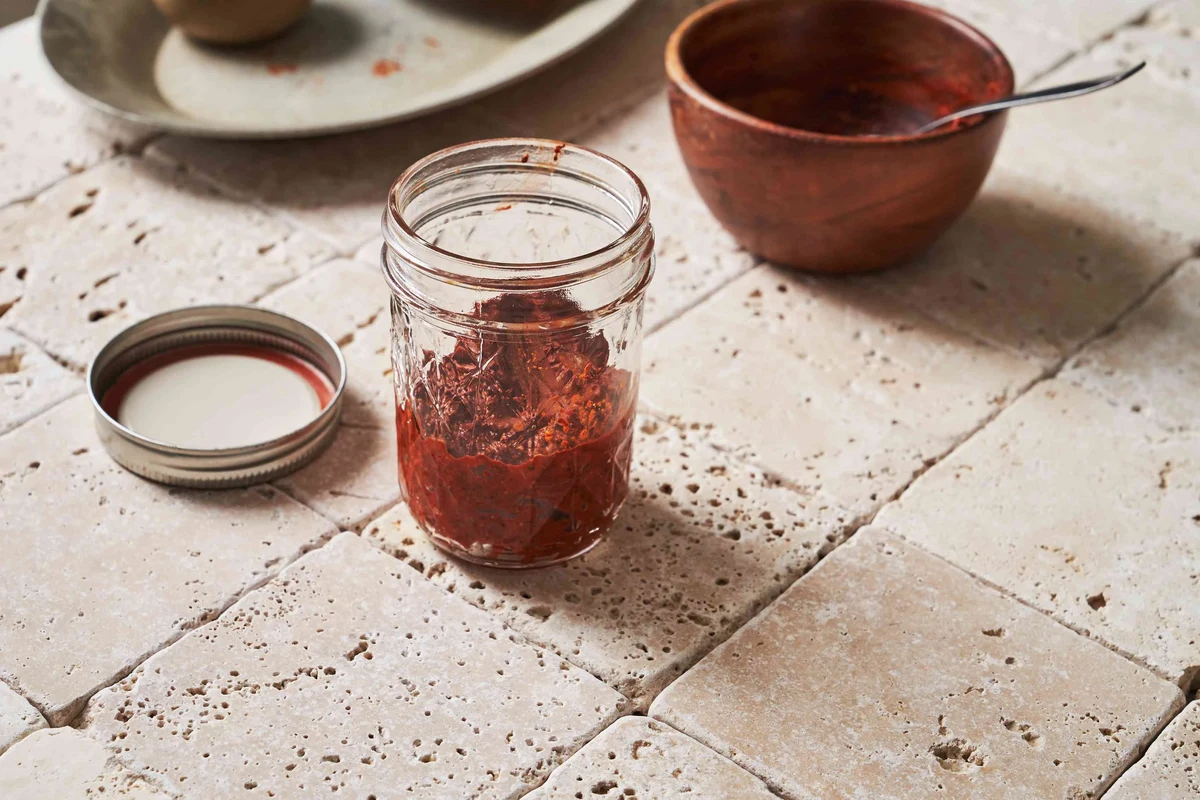
Achiote paste is a thick seasoning paste made from annatto seeds, spices, acid, and often garlic. Many cooks use it to add a deep red color and a warm, savory flavor to meat, poultry, rice, and sauces.
At home, you can make a batch that fits your own pantry. You can also control the salt, heat, and tang, which is helpful if store-bought versions taste too strong or too bland.
Recipes for achiote paste vary by region and family. Some versions are smooth and bright, while others are more rustic and spicy.
What goes into achiote paste
The base ingredient is annatto, which gives the paste its signature color. Most versions also include cumin, oregano, garlic, black pepper, vinegar, citrus juice, and salt.
Some cooks add cloves, coriander, allspice, or chili for more depth. The exact mix depends on the flavor you want.
Annatto seeds add strong color, but their flavor is mild compared with the spices around them.
How homemade paste compares with store-bought versions
Store-bought achiote paste is convenient and often more consistent. Homemade paste gives you more control over freshness, salt, and texture.
If you cook with it often, making your own can feel more useful. If you only need it once in a while, a packaged version may save time.
- Easy to adjust flavor and heat
- Uses simple pantry ingredients
- Fresh taste and flexible texture
- Needs a grinder or blender
- Annatto can be harder to find
- Batch size and shelf life vary
How to Make Achiote Paste Step by Step
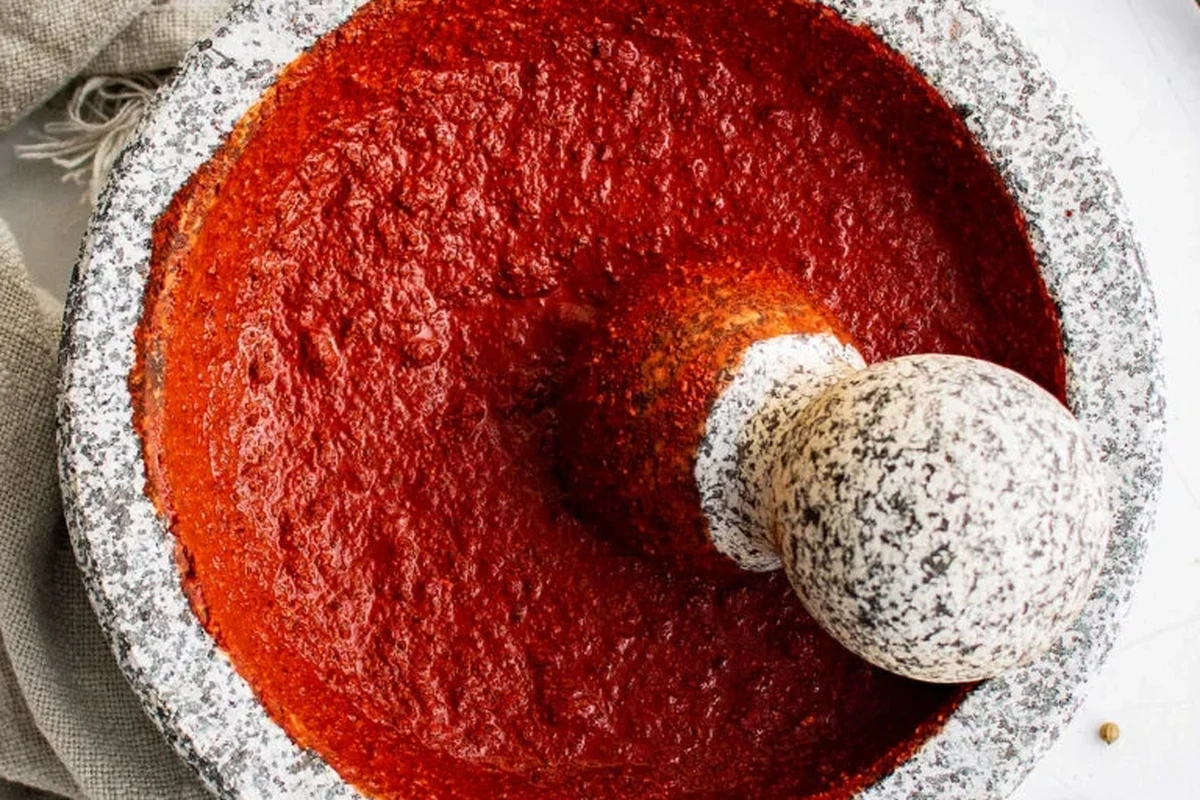
The process is simple. Toast the dry spices if needed, blend everything with enough liquid to form a thick paste, then taste and adjust.
If you want a fast batch, use a blender or spice grinder. A food processor works too, but you may need to scrape the sides a few times.
Garlic
Cumin
Mexican oregano
Vinegar or citrus juice
Salt
Blender or spice grinder
Ingredients you need for a fast, simple batch
For a basic homemade paste, gather annatto, garlic, cumin, oregano, vinegar, citrus juice, salt, and a little water or oil. You can also add black pepper and chili powder if you want more bite.
Use ground annatto if you want speed. Use whole seeds if you want better control over freshness and flavor.
Use enough liquid to blend, but keep the paste thick.
Blending, mixing, and getting the right texture
Start with the dry spices and garlic. Pulse them first so they break down evenly.
Add vinegar or citrus juice a little at a time. Then add just enough water or oil to help the blades move.
Measure the annatto, cumin, oregano, salt, and garlic.
Pulse until the spices look fine and even.
Pour in vinegar, citrus juice, and a small splash of water.
Stop when the mix is thick, smooth enough, and easy to spread.
How to adjust color, flavor, and thickness
If the paste looks pale, add a bit more annatto. If it tastes flat, add a pinch more salt or a little more acid.
If it feels too thick, add water one teaspoon at a time. If it gets too loose, add more ground annatto or spice.
- Taste after blending, not before.
- Let the paste rest for 10 minutes before adjusting again.
- Scrape the sides so the flavor stays even.
Best Ingredient Choices and Smart Substitutes
The best achiote paste starts with fresh spices and a balanced acid. Still, you can make a good version with what you have on hand.
The trick is to keep the flavor warm, earthy, and lightly tangy. You do not need a long ingredient list.
Annatto seeds, spices, citrus, and vinegar
Annatto gives the color and the base flavor. Cumin adds warmth, oregano adds a green, savory note, and garlic brings depth.
Vinegar or citrus helps wake up the spices. Some cooks use both for a sharper, more layered taste.
What to use if you can’t find one ingredient
If you cannot find annatto seeds, look for ground annatto first. It blends faster and works well in small batches.
If you do not have Mexican oregano, use regular oregano in a smaller amount. If you are out of citrus, use vinegar alone and add a little water for balance.
- Use fresh spices when possible
- Add liquid slowly
- Keep the paste thick enough to coat food
- Using too much liquid at once
- Skipping salt and acid
- Leaving gritty seeds unblended
Common Mistakes When Making Achiote Paste
Most problems come from balance. The paste can turn too dry, too sharp, or too grainy if the ingredients do not mix well.
That does not mean the batch is ruined. In many cases, a small fix can save it.
Why the paste turns too dry, bitter, or grainy
Too much dry spice can make the paste crumbly. Not enough liquid can leave it hard to spread.
Over-blending whole seeds can also make the mix feel gritty. Bitter notes can show up if you toast the spices too long.
The paste is dry and won’t spread well.
Add a little water, vinegar, or oil, then blend again in short bursts.
The paste tastes bitter or harsh.
Use less toasted spice next time and balance the mix with more acid or salt.
How to fix texture and flavor problems
If the texture is grainy, blend longer or strain out larger bits if needed. A small splash of oil can also help the paste feel smoother.
If the flavor is too strong, mix in more plain oil or a little water. That softens the paste without changing the whole batch too much.
How to Use Achiote Paste in Everyday Cooking
Achiote paste works best when you mix it with oil, citrus, broth, or another liquid before cooking. That helps the color and flavor spread evenly.
It’s a great fit for simple meals because a little goes a long way.
Best dishes, marinades, and sauces for this paste
Use it for chicken, pork, fish, roasted vegetables, rice, beans, and grilled skewers. It also works well in marinades, braising liquid, and tomato-based sauces.
For a quick dinner, mix the paste with oil and citrus, then coat meat or vegetables before roasting.
- Adds color fast
- Works in dry rubs and wet marinades
- Blends well with garlic and citrus
How much to use for strong but balanced flavor
Start small. For most dishes, a spoonful or two is enough for a family meal, depending on batch size and taste.
If you are unsure, mix the paste with oil first. You can always add more, but it is hard to take it out once it’s in.
- Use a small amount first.
- Dilute the paste before cooking.
- Taste and adjust near the end.
Storage, Safety, and Cleaning Tips
Homemade achiote paste keeps best when you store it in a clean, sealed container. Keep moisture and dirty utensils out of the jar.
Use clean spoons each time. That helps the paste last longer and stay safe.
Follow your blender or food processor manual. Stop using any appliance with a damaged cord, cracked jar, loose lid, or odd smell.
How to store achiote paste for short and long use
For short use, store the paste in the fridge in a sealed container. For longer storage, freeze small portions so you can thaw only what you need.
If the paste changes smell, color, or texture in a bad way, throw it out. When in doubt, it is safer to make a fresh batch.
Safe handling and easy cleanup after making it
Annatto can stain bowls, counters, and cutting boards. Wipe spills soon so the color does not set.
Rinse blades and jars right away. Warm water and dish soap usually work well, but follow the care guide for your appliance.
Keep hands clear of blender blades. Unplug the appliance before cleaning, and never reach into the jar while it is connected.
Cost, Value, and Final Recommendation
Homemade achiote paste is worth it when you already keep basic spices at home and want better control over flavor. It also makes sense if you cook Latin-inspired meals often.
If you need it only once, store-bought paste may be the easier choice. That is especially true when annatto is hard to find in your area.
When homemade achiote paste is worth it
Make it yourself if you want a fresher taste, a softer salt level, or a custom spice mix. It’s also a good option if you like to batch cook and freeze portions.
For many home cooks, the biggest win is flexibility. You can make it mild, bold, smoky, or bright.
Who should make it, and who should buy it instead
Make it if you enjoy simple prep and already own a blender or grinder. Buy it if you want speed, convenience, or a very consistent result.
In the end, the best choice depends on how often you’ll use it. If you cook with it regularly, homemade paste is a smart kitchen staple.
Homemade achiote paste is fast, useful, and easy to shape to your taste. Make it yourself if you want control and freshness, but buy it if convenience matters more.
Frequently Asked Questions
A small batch usually comes together in about 10 to 20 minutes. Time can change based on whether you use whole annatto seeds or ground annatto.
Annatto gives the paste its color and core flavor, so it is the key ingredient. If you cannot find seeds, ground annatto is the best substitute.
Add a little water, vinegar, citrus juice, or oil, then blend again. Add liquid slowly so the paste does not turn runny.
Store it in a clean, sealed container in the fridge for short use. For longer storage, freeze small portions and thaw only what you need.
It works well with chicken, pork, fish, rice, beans, roasted vegetables, and sauces. It also makes a good marinade base with oil and citrus.
If it smells off, looks moldy, or changes in a way that seems wrong, discard it. When the paste is questionable, it is safer to make a fresh batch.