How to Make Pasta Dough for Ravioli Step by Step

Ravioli dough is best when it is simple, firm, and well rested. Use flour, eggs, and salt, then roll it thin, seal it well, and keep it covered while you work.
If you want tender ravioli with a good seal, start with a simple egg pasta dough. The basic method is easy, and it gives you a dough that rolls thin, holds filling, and cooks with a clean bite.
- Simple dough works best: Flour, eggs, and salt are enough for good ravioli.
- Resting matters: Rested dough rolls easier and tears less often.
- Seal carefully: Press out air pockets so ravioli stay closed while cooking.
- Keep it covered: Fresh dough dries fast and becomes harder to shape.
What Pasta Dough for Ravioli Is and Why It Matters
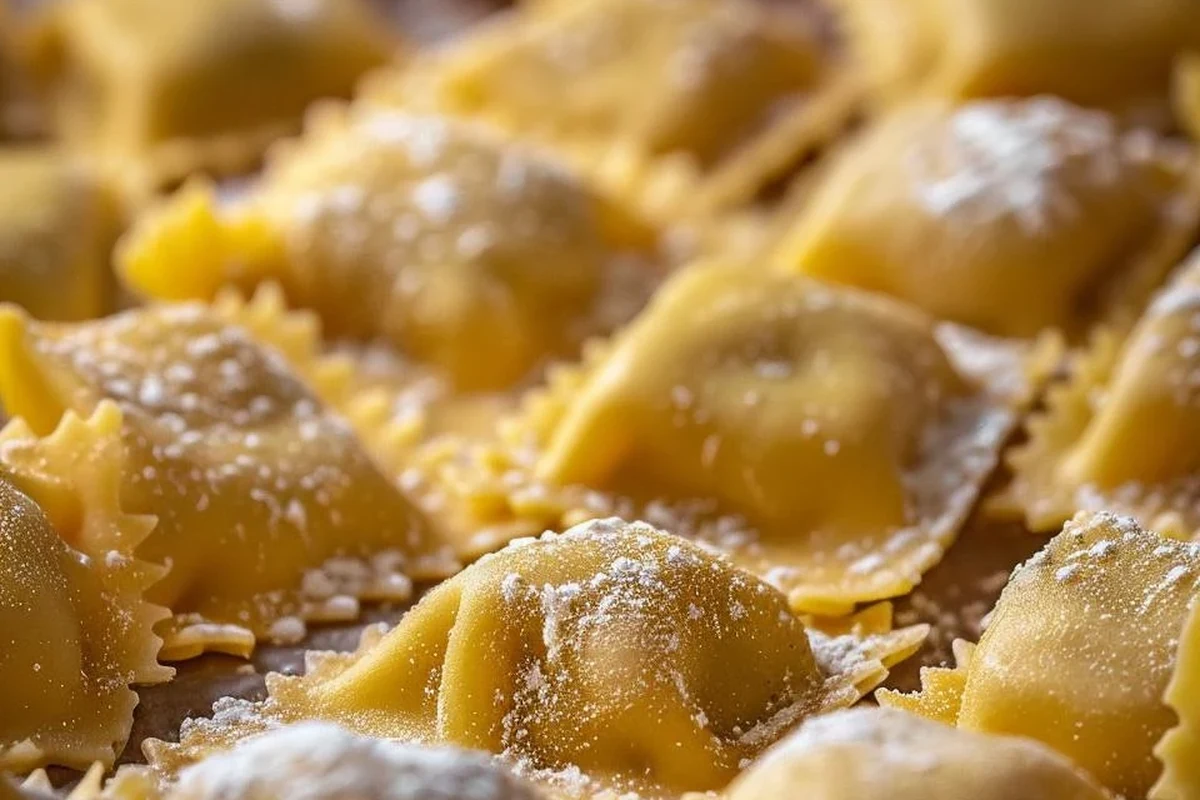
Pasta dough for ravioli is a fresh dough made to roll very thin and stay strong enough for filling. It usually uses flour, eggs, and a little salt, with water or oil added only when needed.
Ravioli dough matters because it does three jobs at once. It needs to taste good, stretch well, and seal tightly so the filling stays inside.
The simple answer to what makes ravioli dough different
Ravioli dough is firmer than many other pasta doughs. That firmness helps the dough hold shape when you cut, fill, and press it closed.
It also needs enough elasticity to roll thin without tearing. If the dough tears, the filling can leak during cooking.
How the dough affects taste, texture, and sealing
Good dough gives ravioli a soft, silky bite. It should not taste bland or gummy.
Texture also affects the seal. A dough that is too dry cracks, while dough that is too wet feels sticky and hard to close.
Flour type, egg size, humidity, and even your kitchen temperature can change the dough. You may need a small splash of water or a dusting of flour to get the right feel.
Ingredients You Need for Ravioli Dough
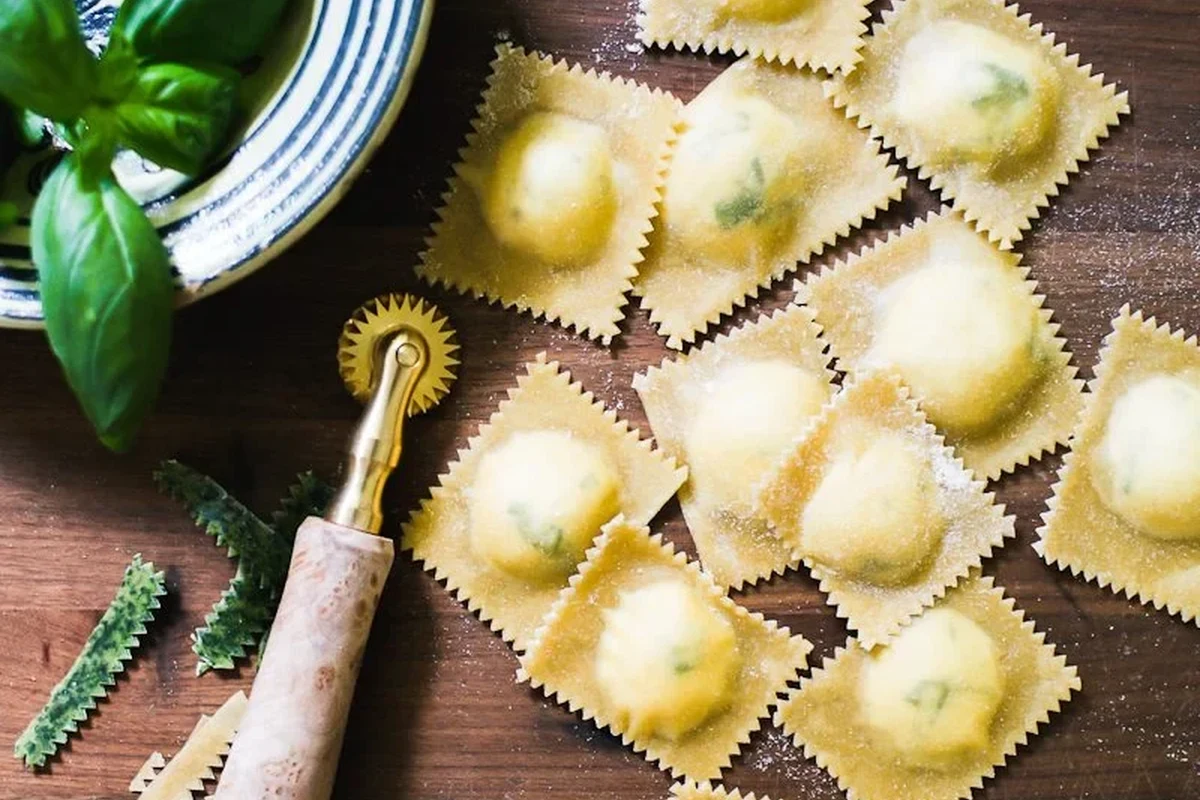
You do not need a long ingredient list. In most home kitchens, the best ravioli dough starts with flour, eggs, and salt.
Best flour choices for smooth, strong dough
Many cooks use all-purpose flour for ravioli dough. It is easy to find and gives reliable results.
Some recipes use “00” flour, which can make the dough feel smoother. Semolina is sometimes mixed in for more bite and strength, but too much can make rolling harder.
Eggs, salt, and optional water or oil
Eggs bring moisture, color, and richness. They also help bind the dough.
Salt adds flavor. A little water can help if the dough feels dry. A small amount of oil is optional, but many home cooks skip it.
What each ingredient does in the dough
Flour gives structure. Eggs give softness and hold the dough together.
Salt improves taste. Water adjusts texture. Oil can add a bit of flexibility, but it is not required for good ravioli.
How to Make Pasta Dough for Ravioli Step by Step
Here is the basic process. Keep it simple, and focus on the feel of the dough.
Put the flour and salt in a bowl or on a clean counter. Mix them well so the salt spreads evenly.
Make a well in the flour and add the eggs. Stir with a fork, then use your hands to pull the dough into a rough mass.
Knead the dough until it feels smooth and springy. If it sticks badly, dust with a little flour. If it cracks, add a few drops of water.
Wrap the dough and let it rest. This helps the gluten relax, so the dough rolls out more easily.
Measure and mix the dry ingredients
Start by mixing flour and salt. This small step helps the dough taste balanced from the start.
If you are scaling the recipe up, keep the flour-to-egg balance close. Too much flour makes the dough stiff. Too little makes it sticky.
Form the dough and bring it together
Pour the eggs into the flour well. Use a fork to break the eggs and pull in a little flour at a time.
Once the mix turns shaggy, bring it together with your hands. It may look rough at first. That is normal.
Knead until smooth and elastic
Kneading matters because it builds strength. Push the dough away, fold it back, and turn it as you go.
Stop when the dough feels smooth and firm, but not hard. It should spring back a little when pressed.
- Use a bench scraper to gather sticky bits from the counter.
- Cover the dough while you work to keep the surface from drying.
- Resting the dough makes rolling easier and helps reduce tearing.
Rest the dough before rolling
Resting is not optional if you want easier rolling. Even a short rest helps the dough relax.
Wrap it tightly or cover it well. A dry surface can make the dough crack when you roll it later.
Fresh pasta dough often rolls better after resting because the gluten network relaxes. That makes the dough less springy and easier to shape.
How to Roll, Fill, and Shape Ravioli
Once the dough rests, you can roll it, fill it, and cut the ravioli. Work in small sections so the dough stays manageable.
How thin the dough should be
Ravioli dough should be thin enough to cook fast, but not so thin that it tears. You want a sheet that feels delicate, yet still strong.
If you can almost see your hand through it, you are often close. The exact thickness depends on your flour, rolling method, and filling.
How to cut, fill, and seal ravioli well
Place small mounds of filling on one sheet of dough. Leave enough space around each mound so the edges can seal.
Brush away extra flour before sealing. Press out air pockets, then close the edges firmly. Air pockets can cause ravioli to burst.
Tips for keeping the dough from drying out
Fresh pasta dries fast. Keep unused dough covered with a towel or plastic wrap.
If a sheet starts to dry, brush it lightly with water before sealing. Do not soak it, or the dough may turn sticky and weak.
Raw egg dough should stay chilled if you are not working with it right away. Follow safe food handling rules and cook ravioli fully before serving.
Common Mistakes and How to Fix Them
Most ravioli problems come from texture. The good news is that many of them are easy to fix.
Dough that feels too dry or too wet
Dry dough often cracks when rolled. Wet dough sticks to your hands and the counter.
If it is dry, add a few drops of water and knead again. If it is wet, dust with flour a little at a time.
The dough breaks while you roll it.
Let it rest longer, then knead in a tiny bit of water if needed.
Ravioli that opens while cooking
Open ravioli usually means the seal was weak. Sometimes the dough also had too much air inside.
Press the edges more firmly next time. Also make sure the filling is not too wet.
Uneven rolling, tearing, and sticking
Uneven rolling can happen when the dough is not rested enough. Tearing often comes from rolling too fast or too thin too soon.
Use light flour on the surface, but do not overdo it. Too much flour can make the dough hard to seal.
- Roll from the center outward for even sheets.
- Keep the work surface lightly floured.
- Seal each ravioli with no trapped air.
- Do not rush the resting step.
- Do not use too much filling.
- Do not let the dough dry out on the counter.
Tools, Cost, and Value for Home Cooks
You can make ravioli dough with very basic tools. A pasta machine helps, but it is not required.
What you really need to make ravioli at home
At minimum, you need flour, eggs, a bowl or counter, and something to roll with. A knife or cutter also helps with shaping.
Many home cooks already have everything they need. That makes ravioli a good project for a small kitchen.
When a pasta machine helps and when it is optional
A pasta machine can make rolling faster and more even. It also helps when you want very thin sheets.
Still, a rolling pin works fine for many cooks. If you make ravioli only now and then, a machine is optional.
Budget-friendly ways to get good results
Use simple flour and fresh eggs. You do not need fancy ingredients to make good ravioli.
Work in small batches. That saves space, lowers waste, and makes the dough easier to manage.
Safety, Storage, and Make-Ahead Tips
Fresh pasta is simple, but safe handling still matters. Raw eggs and moist dough need care.
How to handle raw eggs safely
Wash your hands after handling raw egg dough. Clean any tools and surfaces that touched the dough.
If anyone in your home has a higher food-safety risk, use extra caution and follow current food safety guidance from trusted sources.
How long fresh dough lasts in the fridge
Fresh dough usually keeps for a short time in the fridge if wrapped well. Exact timing can vary with ingredients and storage conditions.
For the best texture, use it as soon as practical. If it smells off or feels slimy, throw it away.
How to freeze ravioli for later use
Freeze ravioli in a single layer first, so they do not stick together. Once firm, move them to a freezer bag or container.
Cook frozen ravioli straight from the freezer in boiling water. Do not thaw first, or they may soften and break.
Stop and discard any dough or ravioli that shows spoilage, odd smell, or unsafe handling. When in doubt, follow food safety guidance and do not serve it.
Final Recommendation for Homemade Ravioli Dough
The best method for most home cooks is the simple egg dough method. It uses basic ingredients, rolls well, and gives you a reliable seal.
If you are new to ravioli, start there before trying add-ins like semolina blends or flavored doughs.
Who should use this method
This method is a great fit for beginners, busy home cooks, and anyone with a small kitchen. It also works well if you want a classic ravioli texture without extra steps.
When to keep it simple and when to try upgrades
Keep it simple when you want dependable results and easy cleanup. Try upgrades only after you are comfortable with mixing, resting, and rolling.
In short, once you learn how to make pasta dough for ravioli, you can build from there. Master the base first, and the rest gets much easier.
For most cooks, a basic egg pasta dough is the best place to start. It gives you the right mix of strength, taste, and easy sealing, while still leaving room for later upgrades.
Frequently Asked Questions
Ravioli dough is usually a bit firmer and stronger so it can hold filling and seal well. It still needs to roll thin and cook to a tender bite.
It should be thin enough to cook fast, but not so thin that it tears. The exact thickness depends on your flour, filling, and rolling method.
It is often too dry or not rested long enough. Add a few drops of water if needed, then let it rest before rolling again.
Press out air pockets and seal the edges firmly. Also avoid overfilling, since too much filling can break the seal.
Yes, you can chill wrapped dough for a short time before rolling. For best texture, use it soon and follow safe storage rules for raw egg dough.
Yes, freeze them in a single layer first, then store them in a freezer bag or container. Cook them from frozen for the best shape and texture.