Is Pasta Healthy Carbs A Simple Guide to Know

Yes, pasta can be a healthy carb when you keep portions sensible and build a balanced meal. Whole wheat or legume pasta usually gives you more fiber and protein.
Yes, pasta can be a healthy carb. The catch is that it depends on the type of pasta, the portion size, and what you serve with it.
Plain pasta is not a magic health food. But in a balanced meal, it can give you steady energy, good fullness, and a simple base for vegetables, beans, fish, or lean meat.
- Portion size matters: A moderate serving is easier to fit into a healthy diet.
- Whole grain helps: Whole wheat pasta usually adds more fiber and fullness.
- Protein boosts balance: Beans, chicken, tofu, or seafood make pasta more filling.
- Sauce changes everything: Light sauces keep the meal healthier than creamy ones.
- Read the label: Ingredients and fiber tell you more than front-package claims.
Is Pasta Healthy Carbs? The Short Answer
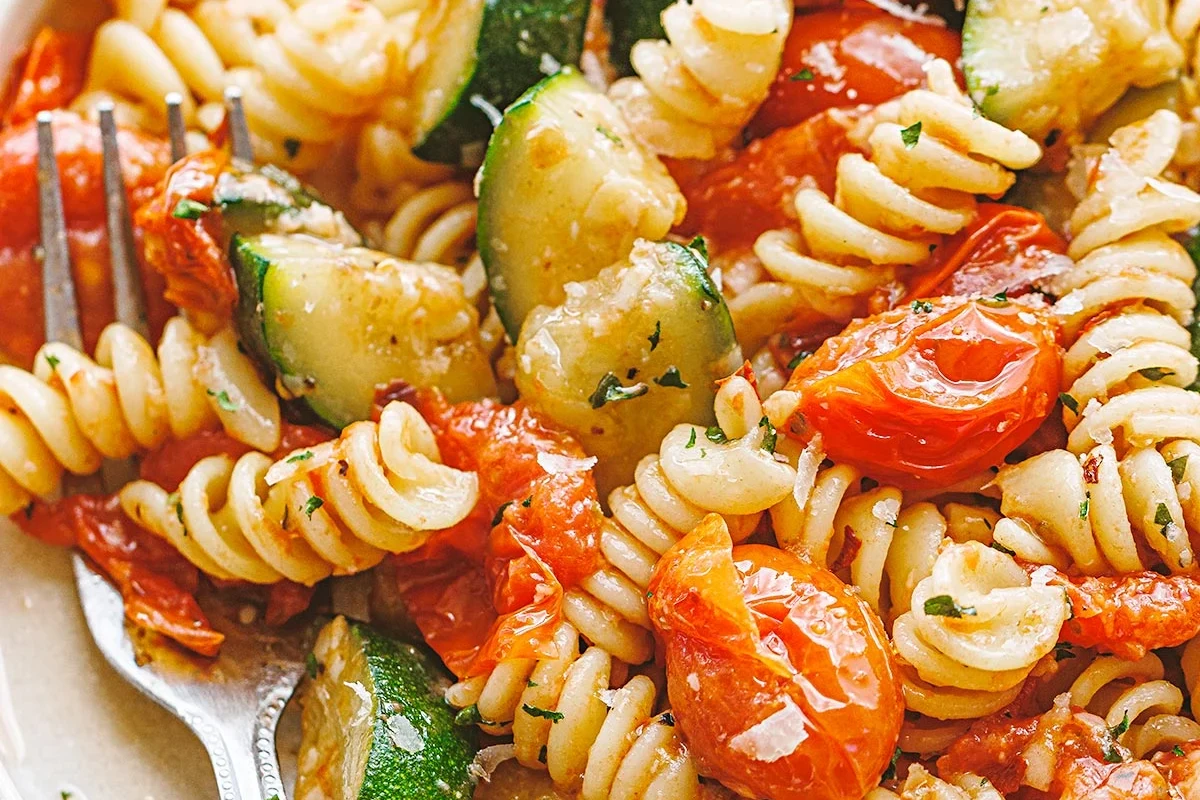
Pasta can fit into a healthy diet for many people. It gives your body carbohydrate, which is a main fuel source for daily movement and brain work.
The bigger question is not “Is pasta bad?” It’s “What kind of pasta are you eating, and how much?” White pasta, whole wheat pasta, and legume pasta all act a little differently.
In short, pasta is often a healthy carb when you keep the meal balanced. It becomes less helpful when the portion grows too large or the sauce gets too heavy.
What Counts as a Healthy Carb in Pasta
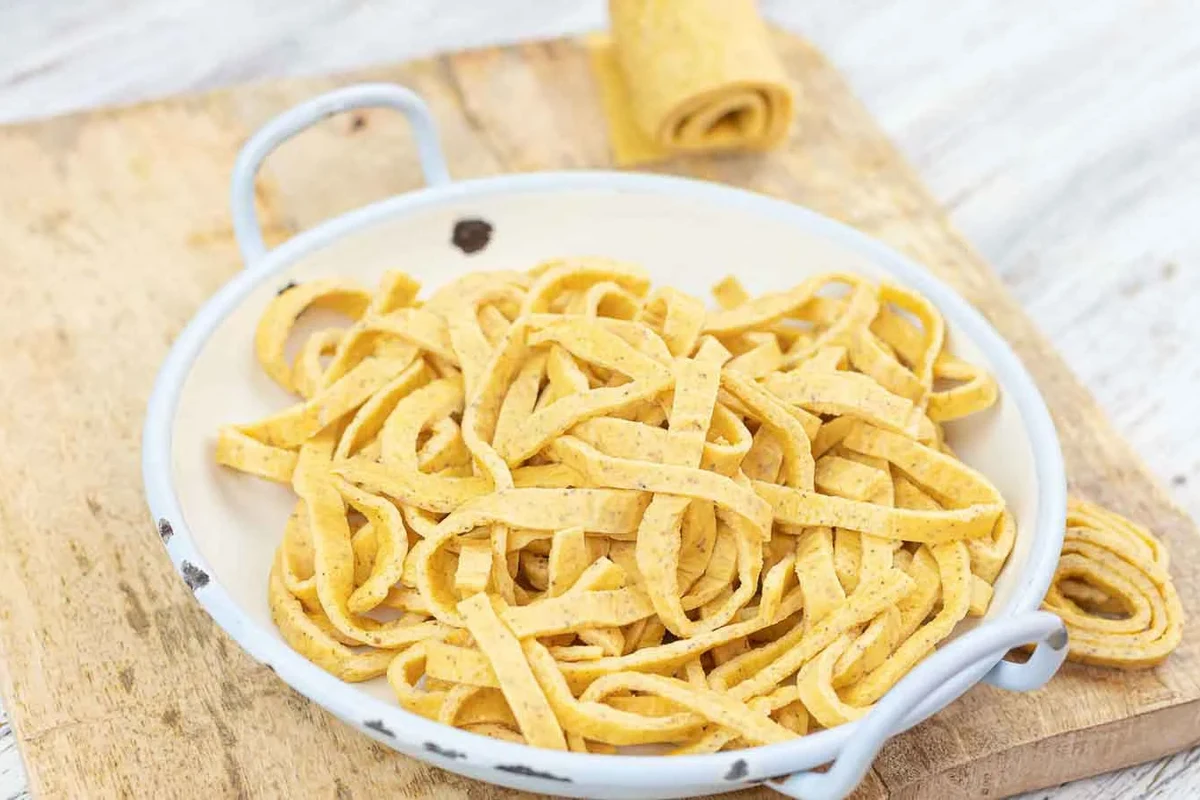
A healthy carb usually gives you energy without crowding out other good nutrients. In pasta, that often means more fiber, more protein, or a better mix of nutrients overall.
Not every pasta type gives the same result. Some are light and easy to digest, while others help you stay full longer.
Refined Pasta vs Whole Wheat Pasta
Refined pasta is made from flour with the bran and germ removed. That gives it a softer texture and a milder taste, but it also lowers fiber.
Whole wheat pasta keeps more of the grain. That usually means more fiber, a bit more protein, and a slower rise in blood sugar for many people.
Fiber helps slow digestion. That can make a meal feel more filling.
Whole wheat is often the better pick if you want a more filling carb. Refined pasta can still work well if you pair it with fiber-rich foods.
Protein Pasta, Gluten-Free Pasta, and Legume Pasta
Protein pasta often uses lentils, chickpeas, or other beans. These options usually bring more protein and fiber than standard white pasta.
Gluten-free pasta is different. It helps people who avoid gluten, but it is not always higher in fiber or protein. Some gluten-free pastas are made from rice or corn and act more like refined pasta.
Nutrition varies a lot by brand and ingredient list. Always check the box, since “healthy” on the front may not match the facts panel.
Legume pasta can be a smart choice if you want more staying power from your meal. It may also feel heavier in the stomach for some people, so start with a normal portion.
How Pasta Affects Energy, Fullness, and Blood Sugar
Pasta can give quick energy because it contains starch. That makes it useful before a busy day or after exercise.
But the effect depends on the whole meal. Pasta eaten alone acts very differently from pasta served with vegetables and protein.
Why Portion Size Changes the Result
A small bowl of pasta can fit easily into a balanced plate. A giant bowl can push the meal toward too many calories and too many carbs for some people.
Portion size also affects blood sugar and fullness. A larger serving usually raises both more than a moderate one.
- Use a smaller bowl to guide your portion.
- Fill the rest of the plate with vegetables.
- Add protein so the meal lasts longer.
For many home cooks, the easiest fix is simple. Serve pasta as one part of the meal, not the whole meal.
How Cooking Time Can Matter
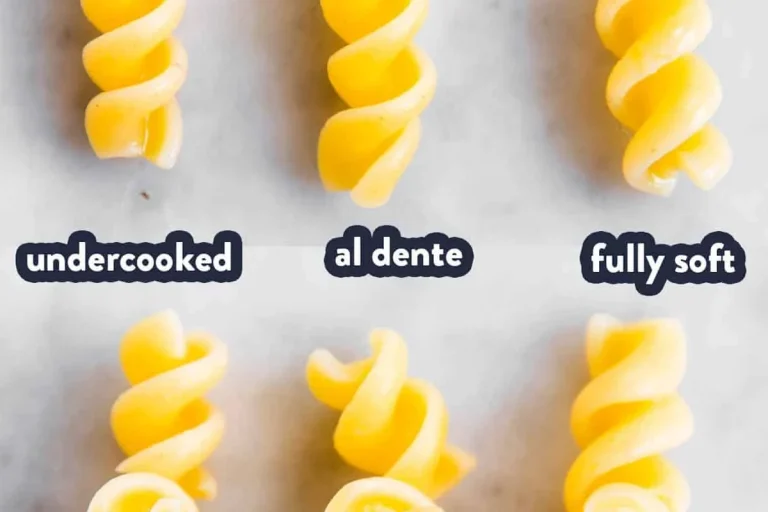
Cooking pasta al dente means it stays a little firm. That can change how fast you eat it and how your body digests it.
Very soft pasta may digest faster than firmer pasta. That may lead to a quicker rise in blood sugar for some people.
Follow the package directions and taste for doneness. Undercooked pasta can be hard to digest, while overcooked pasta can turn mushy fast.
Cooking time also changes texture and satisfaction. If the pasta tastes better to you, you’re more likely to stop at a sensible portion.
When Pasta Fits a Healthy Diet
Pasta fits best when it plays a support role. Think of it as the base, not the star of the whole plate.
That approach works for weeknight dinners, meal prep, and family meals. It also helps you keep flavor without piling on too much sauce or cheese.
Best Meal Pairings for Better Balance
The healthiest pasta meals usually include three parts. You want carbs, protein, and fiber.
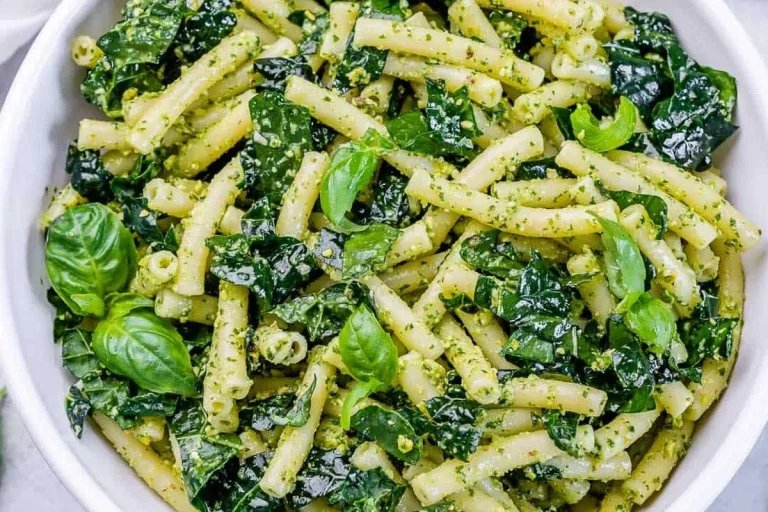
Good pairings include tomato sauce with vegetables, pasta with beans, or pasta with chicken and greens. Even a simple tuna pasta can work if you add peas or spinach.
In short, balanced pairings make pasta much more likely to support your goals.
Smart Ways to Build a Pasta Plate
A simple plate formula works well. Start with pasta, then add vegetables, then add protein.
You can also use less pasta and more mix-ins. That keeps the bowl full without making it carb-heavy.
Use enough pasta to feel satisfied, not stuffed.
Use broccoli, peppers, tomatoes, spinach, or mushrooms.
Try beans, chicken, shrimp, tofu, or lean meat.
This style of plate is easy to repeat. It also makes pasta feel more like a full dinner.
Common Mistakes That Make Pasta Less Healthy
Pasta itself is not usually the problem. The trouble often comes from what gets added to it.
Big portions, creamy sauces, and low-fiber noodles can turn a good meal into a heavy one fast.
Heavy Sauces, Large Servings, and Low Fiber Choices
Alfredo, extra cheese, and oily sauces can add a lot of calories. They can also crowd out vegetables and other foods that help fill you up.
Large servings are another common issue. A second helping can double the carb load before you realize it.
- Easy to make a filling meal
- Works with many healthy ingredients
- Heavy sauces can add lots of extra calories
- Low-fiber pasta may not keep you full long
Low-fiber pasta can also leave you hungry sooner. That often leads to snacking later.
Why Toppings Matter More Than the Pasta Alone
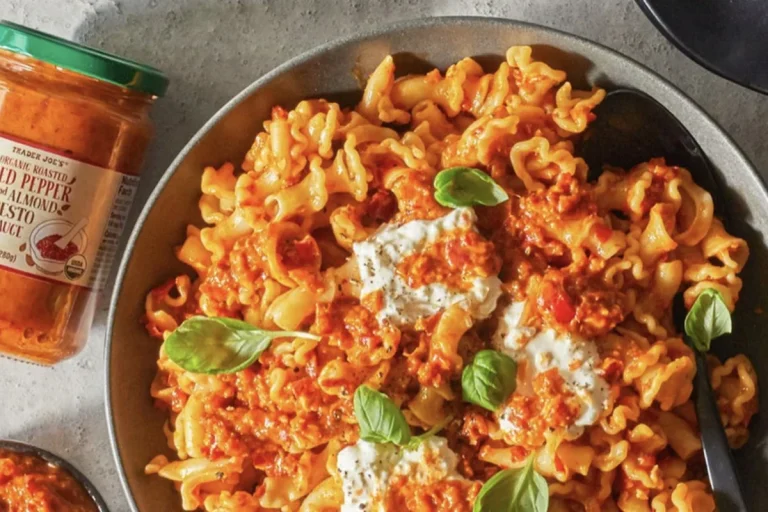
Two pasta bowls can look similar and still be very different nutritionally. One may be light and balanced, while the other is loaded with cream, sausage, and extra cheese.
That’s why the topping list matters so much. It shapes the meal more than the noodle shape does.
Handle hot pasta water and steam with care. Use a pot that suits the batch size and keep children away from the stove.
If you want a healthier bowl, keep toppings simple. Fresh herbs, olive oil, tomato sauce, and vegetables go a long way.
How to Choose the Right Pasta for Your Goals
The best pasta depends on what you want most. Some people want weight control, while others want more fiber or more protein.
There’s no single best answer for everyone. The right choice is the one you can enjoy and use well in real meals.
Best Options for Weight Control
If weight control is your goal, portion size matters most. After that, choose pasta that helps you feel full longer.
Whole wheat pasta and legume pasta often help more than refined pasta. They usually bring more fiber and more bite.
Choose refined pasta if you need a lighter texture and smaller serving.
Choose whole wheat or legume pasta if you want more fullness.
For weight control, the meal plan matters as much as the pasta type. Keep sauces light and add plenty of vegetables.
Best Options for More Fiber or Protein
If you want more fiber, whole wheat pasta is a solid start. If you want even more, legume pasta may give you a bigger boost.
If protein is your main goal, legume pasta often wins over regular pasta. You can also add eggs, beans, chicken, tofu, or seafood.
Remember that taste matters too. The best healthy pasta is the one your household will actually eat.
Safety, Nutrition Labels, and Cost Tips
Shopping smart can help you choose better pasta without spending more than you need to.
It also helps you avoid label tricks. A package can look healthy on the front and still be a plain refined pasta inside.
What to Check on the Box Before You Buy
Check the ingredient list first. If whole wheat, lentils, chickpeas, or beans appear early, that usually tells you more than the front label.
Next, look at fiber and protein. Those numbers help you compare brands in a quick, practical way.
- Read the ingredient list
- Compare fiber and protein
- Check serving size
- Look for added sodium in flavored mixes
Also check the cooking directions. Some specialty pastas need a different boil time or a more careful stir.
How to Get Good Value Without Losing Nutrition
Good value does not always mean the cheapest box. It means the pasta gives you a meal you enjoy, with the nutrition you want.
Buying in bulk can help if your household uses pasta often. But only do that if you have dry storage space and you’ll use it before it gets stale.
You can also stretch a smaller amount of better pasta by adding vegetables and beans. That often gives you more meals for the same pot.
Final Verdict: Is Pasta a Healthy Carb?
Yes, pasta can be a healthy carb when you choose well and build a balanced plate. Whole wheat and legume pastas often offer more fiber or protein, but even refined pasta can fit.
The main things to watch are portion size, sauce, and toppings. If you keep those in check, pasta can be a practical, satisfying part of a healthy diet.
Pasta is a healthy carb for many people when it stays in a balanced meal. Choose the type that fits your goals, keep portions sensible, and add vegetables plus protein for the best result.
In short, pasta is not the problem. The full plate is what decides whether the meal helps you or holds you back.
Frequently Asked Questions
Yes, pasta can fit into everyday meals when portions stay sensible. It works best with vegetables, protein, and a lighter sauce.
Whole wheat pasta usually has more fiber and a bit more protein. That often helps with fullness and makes it a stronger everyday choice.
Often, yes. Pasta made from lentils, chickpeas, or beans usually has more protein and fiber than standard refined pasta.
A moderate serving is usually the best place to start. The right amount depends on your hunger, goals, and what else is on the plate.
It can. Firmer pasta may digest more slowly than very soft pasta, and it often feels more satisfying.
Check the ingredient list, fiber, protein, and serving size. Those details help you compare pasta types more accurately than front-label claims.