Where to Buy Harissa Paste Best Places and Tips

Start with a grocery store if you want harissa paste fast. Choose a specialty market or online shop if you want better flavor or more variety.
If you’re wondering where to buy harissa paste, the easiest answer is this: start with major grocery stores, then check spice shops, online markets, and Mediterranean or North African food stores. The best choice depends on how fast you need it, how much heat you want, and whether you care more about price or flavor depth.
- Best first stop: Grocery stores are quickest for most shoppers.
- Best flavor choice: Specialty markets often carry stronger, more regional pastes.
- Best variety: Online shops make label comparison much easier.
- Best cooking use: Smooth, balanced harissa works well in pasta sauces.
Where to Buy Harissa Paste: The Best Places to Shop in 2026
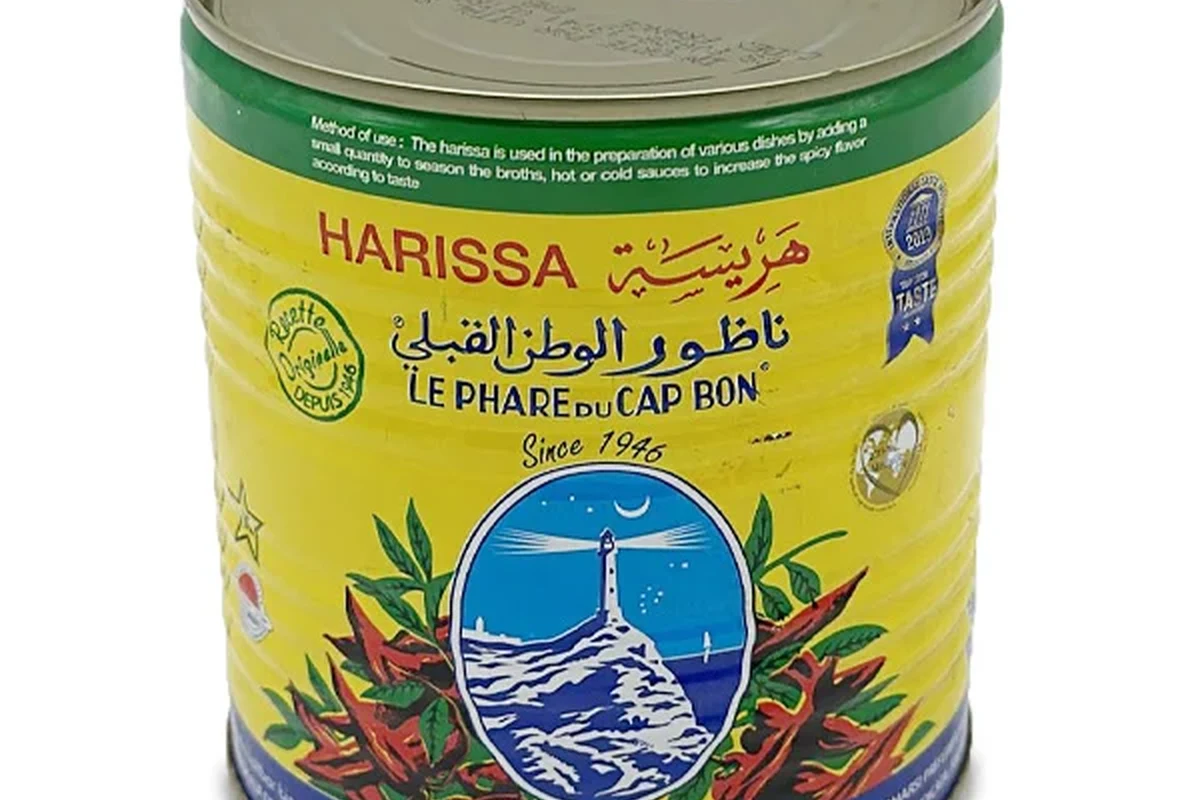
Harissa paste is easier to find now than it used to be. In 2026, many shoppers can find it in the international aisle, near sauces, or through online food sellers.
Still, not every jar is the same. Some are mild and bright. Others are smoky, salty, or very hot. That’s why it helps to know where to shop before you buy.
Direct answer: grocery stores, spice shops, online markets, and specialty food sites
For most people, grocery stores are the fastest place to start. If you want better variety, try spice shops, Middle Eastern markets, or North African grocers.
Online markets and specialty food sites usually give you the widest choice. They also make it easier to compare ingredients, heat level, and jar size.
What to expect from each buying option
Each buying option has trade-offs. Grocery stores are easy, but the selection may be small. Specialty shops often carry fresher or more regional brands.
Online sellers can offer more choices, but shipping matters. Harissa paste is a pantry item, so a slow delivery is fine if you’re planning ahead. If you need it tonight, a local store is the better bet.
Best for quick trips and simple, familiar brands.
Best for stronger flavor and more regional choices.
Best for variety, rare brands, and easy label comparison.
What Harissa Paste Is and Why It Matters in Cooking
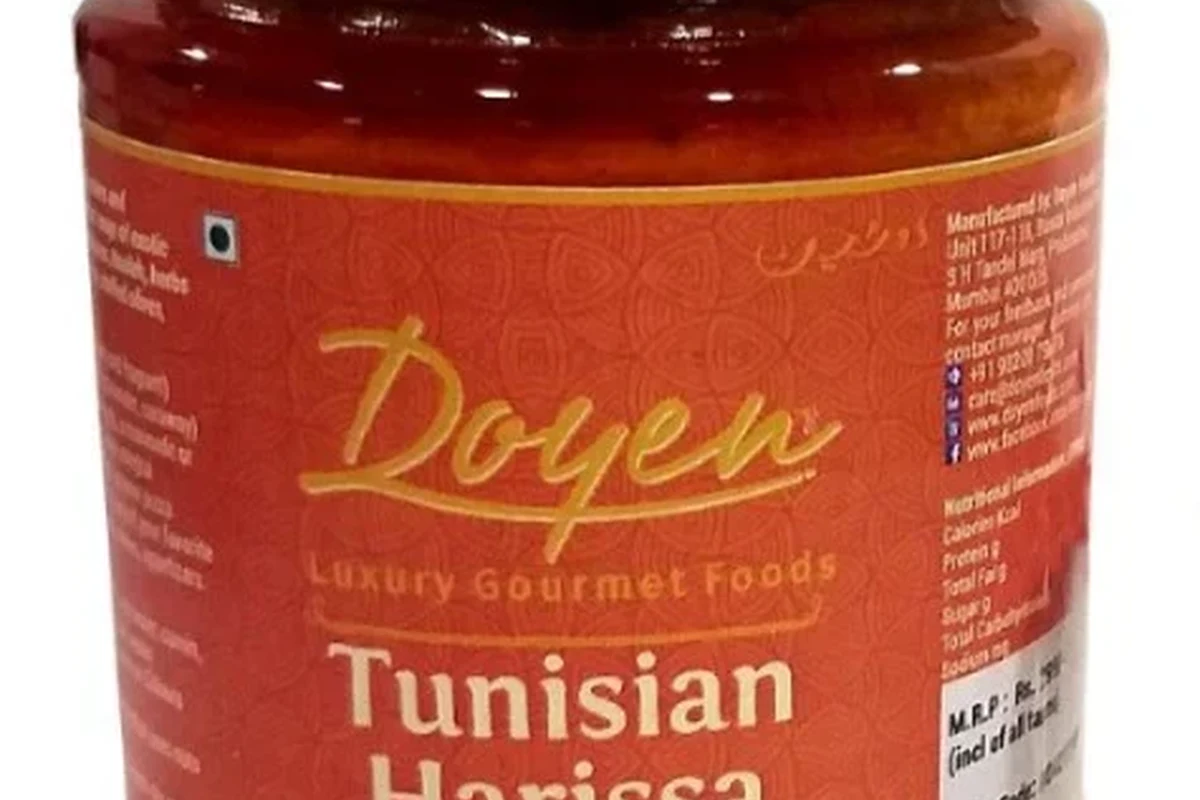
Harissa paste is a chili-based condiment from North Africa. It adds heat, spice, and a deep savory note to food.
Home cooks like it because it works in many dishes. You can stir it into pasta, spread it on vegetables, or mix it into sauces.
Key ingredients in harissa paste
Most harissa pastes use chili peppers as the base. Many also include garlic, olive oil, cumin, coriander, caraway, and salt.
Some brands add tomato paste, lemon juice, or vinegar. Those extras can soften the heat and make the paste more tangy.
Ingredient lists vary a lot by brand. Always check the label if you want less salt, less oil, or no added sugar.
How the flavor changes by brand and region
Harissa from different regions can taste quite different. Some versions feel bright and sharp. Others taste smoky, earthy, or more pepper-heavy.
Brand matters too. A jar made for a wide grocery market may taste milder. A small-batch paste from a specialty shop may taste bolder and less processed.
Why cooks use it in pasta, sauces, and marinades
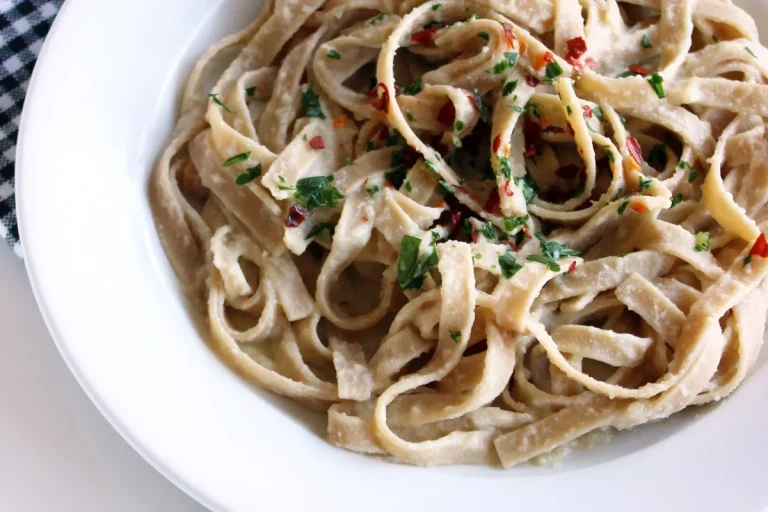
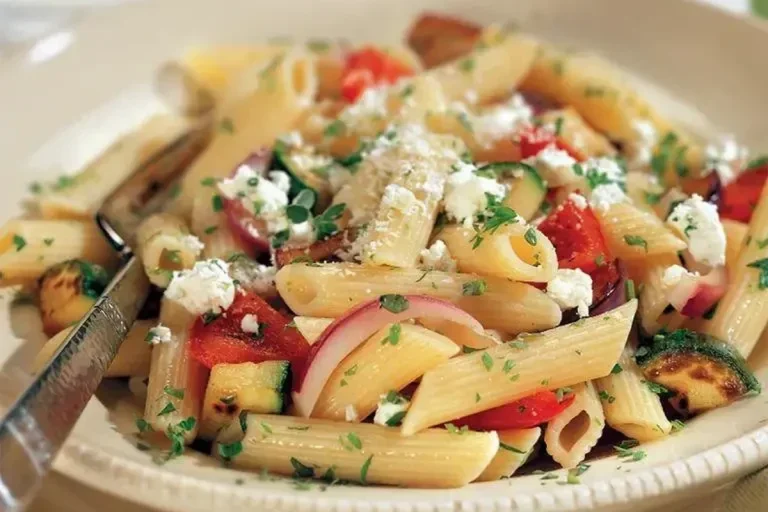
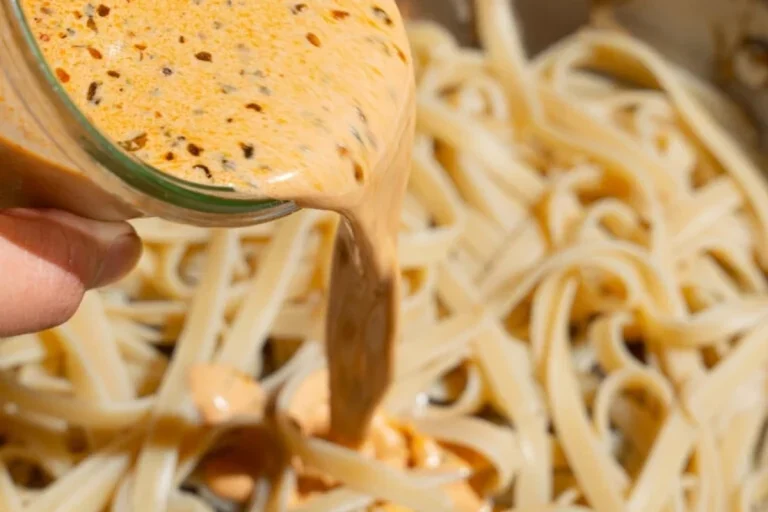
Harissa works well in pasta because it adds heat without needing many ingredients. A spoonful can wake up cream sauces, tomato sauces, and olive oil-based dishes.
It also helps in marinades for chicken, tofu, shrimp, or vegetables. The paste clings well and brings flavor fast.
Harissa is often used like a seasoning paste, not just a hot sauce.
How to Choose the Right Harissa Paste
The best jar depends on how you cook. If you want easy weeknight meals, a mild and balanced paste is often the safest pick. If you love heat, look for a stronger chili blend.
Heat level, texture, and ingredient quality
Heat level is the first thing to check. Some jars barely tingle, while others bring strong burn.
Texture matters too. A smoother paste blends into sauces more easily. A thicker paste can work better as a rub or spread.
Ingredient quality is just as important. Look for real spices, garlic, and peppers near the top of the list. If the label is full of fillers, the flavor may feel flat.
Oil-based versus water-based pastes
Oil-based harissa usually tastes richer and feels silkier. It often mixes well into pasta and roasted vegetables.
Water-based versions may be lighter and sometimes less rich. They can still work well, but they may need extra olive oil in cooking.
- Choose oil-based paste for richer pasta sauces.
- Choose milder paste if you’re new to chile heat.
- Check for garlic and spice balance, not just heat.
Jar size, shelf life, and storage needs
Jar size should match how often you cook with it. A small jar makes sense if you only use it now and then.
A larger jar can be a better value for frequent cooks. Just make sure you can store it well after opening.
- Heat level and ingredient list
- Jar size and how fast you’ll use it
- Storage needs after opening
- Brand style and flavor balance
Best Places to Buy Harissa Paste Online and In Stores
There’s no single best place for everyone. The right store depends on your budget, your timeline, and how picky you are about flavor.
Major grocery chains and what they usually carry
Large grocery chains often carry one or two common brands. You’ll usually find them in the international aisle or near sauces and condiments.
This is the easiest option for most shoppers. It’s also good when you want a small jar without a long search.
Middle Eastern, North African, and Mediterranean markets
These shops often have the most interesting selection. You may find stronger, more traditional, or less sweet versions.
Staff at these stores may also know which brands are hot, mild, or best for cooking. That can save you from buying a jar that doesn’t fit your taste.
Online retailers and specialty food brands
Online shops are the best place to compare labels side by side. That makes it easier to choose based on oil, salt, spice mix, and jar size.
Specialty food brands may also sell paste with fewer additives. The trade-off is that shipping can raise the total cost.
| Option | Best For | Key Consideration |
|---|---|---|
| Grocery store | Fast, easy buying | Limited brand choice |
| Specialty market | Better flavor variety | Availability varies by city |
| Online retailer | Wide selection | Shipping and total cost |
Best choice for budget, speed, or premium quality
If you want the fastest option, buy from a grocery store. If you want the widest choice, shop online.
If you want the best flavor for cooking, a specialty market is often the sweet spot. It can offer better quality without the guesswork of random online listings.
Price, Value, and What You Get for Your Money
Harissa paste is usually affordable, but the value changes a lot by brand and store. A simple jar may be fine for everyday cooking. A higher-end jar may taste better and use cleaner ingredients.
Typical price ranges in 2026
Prices vary by region, brand, and jar size. Imported or specialty jars usually cost more than basic grocery-store versions.
Online orders can also cost more once shipping is included. That’s why the sticker price alone does not tell the full story.
When a cheaper jar makes sense
A cheaper jar makes sense if you use harissa in mixed dishes. If it blends into pasta, soup, or stew, small flavor differences may matter less.
It also works if you’re trying harissa for the first time. You can test the flavor without spending much.
When it pays to buy a higher-end paste
A better jar is worth it when harissa is the star of the dish. If you use it as a dip, spread, or finishing sauce, flavor quality matters more.
It can also be worth paying more if you want fewer additives or a more balanced spice profile.
- Better flavor can lift simple meals.
- Cleaner labels may suit careful cooks.
- Premium jars can cost more.
- Shipping may raise the final price.
How to Use Harissa Paste in Everyday Cooking
Harissa is easy to use once you start small. It adds flavor fast, so you do not need much.
Easy ways to add it to pasta, soups, and roasted vegetables
Stir it into tomato sauce for a spicy pasta dinner. Mix it with olive oil before tossing it with roasted carrots, cauliflower, or potatoes.
You can also add a spoonful to soup. It works well in lentil soup, bean soup, and vegetable broth.
How much to use for mild, medium, or hot flavor
For mild flavor, start with a small amount and taste as you go. For medium heat, add a little more after the first mix.
If you like strong heat, build it slowly. Harissa can get intense fast, especially in thick sauces.
Always taste before adding more. Some pastes are salty, and extra spoonfuls can overpower the dish.
Simple recipe ideas for busy weeknights
Try harissa with pasta, garlic, olive oil, and parmesan. You can also mix it with yogurt for a quick dip or sandwich spread.
Another easy option is harissa roasted vegetables with chickpeas. It’s simple, filling, and good for meal prep.
Common Buying Mistakes, Safety Tips, and Storage Advice
The biggest mistakes are easy to avoid. They usually happen when shoppers focus only on price or heat.
How to avoid stale, bland, or overly salty paste
Check the ingredient list and the color of the paste. A dull-looking jar may taste tired or flat.
If salt is high on the list, the paste may taste sharp instead of balanced. That can be fine in small amounts, but it may not suit delicate dishes.
Allergen checks and label reading tips
Read the label if you have food allergies. Some brands may include sesame, garlic, or other ingredients that matter to you.
Also check for shared facility notes if your household needs them. When in doubt, pick a brand with a clear label and simple ingredients.
Follow the jar label and stop using any product that smells off, looks moldy, or has damaged packaging.
How to store opened harissa paste for best freshness
After opening, store the jar the way the label says. Many pastes do best in the fridge.
Use a clean spoon each time. That helps keep the paste fresh and reduces spoilage risk.
Wipe the rim, seal the jar tightly, and refrigerate if directed.
Check for color change, off smells, or dried-out texture.
Final Recommendation: The Best Way to Buy Harissa Paste for Your Needs
If you want the simplest answer, start at a grocery store. That’s the fastest way to get a usable jar for pasta, soups, and roasted vegetables.
If you care most about flavor, shop at a Middle Eastern, North African, or Mediterranean market. If you want the widest choice and easiest label comparison, go online.
Best option for home cooks, pasta lovers, and spice fans
Home cooks should pick a mild or medium jar with a short ingredient list. Pasta lovers should look for a paste that blends smoothly and tastes balanced.
Spice fans may want a stronger regional brand from a specialty store. That often gives you more depth and less generic heat.
Transparent verdict on where most shoppers should start
Most shoppers should start with a local grocery store, then upgrade to a specialty market if they want better flavor. That path is simple, affordable, and easy to adjust.
In short, the best place depends on your goal. Buy local for speed, buy specialty for flavor, and buy online for choice.
For most people, the best first stop is a grocery store, but specialty markets usually offer better flavor. If you cook with harissa often, online shops can be worth it for variety and label control.
Frequently Asked Questions
Most shoppers should start with a grocery store for convenience. Specialty markets and online shops often offer better flavor variety.
Check the ingredient list, heat level, salt, and whether oil is included. A shorter, clear label often makes it easier to pick the right jar.
Specialty markets often have stronger and more regional flavors. Regular stores are easier and faster if you just need a basic jar.
Start with a small amount and taste as you go. Harissa can get hot and salty quickly, especially in sauces.
Follow the jar label, and refrigerate it if directed. Use a clean spoon each time and watch for off smells or mold.
A smooth, balanced paste with moderate heat usually works best in pasta. Oil-based versions often blend well into sauces.