Is Penne Pasta Healthy A Simple Guide to Know

Yes, penne pasta can be healthy for most people when portions stay sensible. It becomes a better choice when you pair it with protein, vegetables, and a lighter sauce.
Yes, penne pasta can be healthy for most people. The real answer depends on the type you choose, the portion size, and what you serve with it.
Plain penne is not a magic health food. But it can fit well in a balanced meal, especially when you add protein, vegetables, and a lighter sauce.
- Type matters: Whole wheat and protein-added penne usually offer more nutrition.
- Portion size matters: A big bowl can turn a simple meal into a heavy one.
- Balance matters: Add protein and vegetables for better fullness and nutrition.
- Sauce matters: Tomato-based and light sauces are usually easier choices.
- Diet needs matter: Gluten-free or lower-carb diets may need different pasta options.
Is Penne Pasta Healthy? The Short Answer for 2026
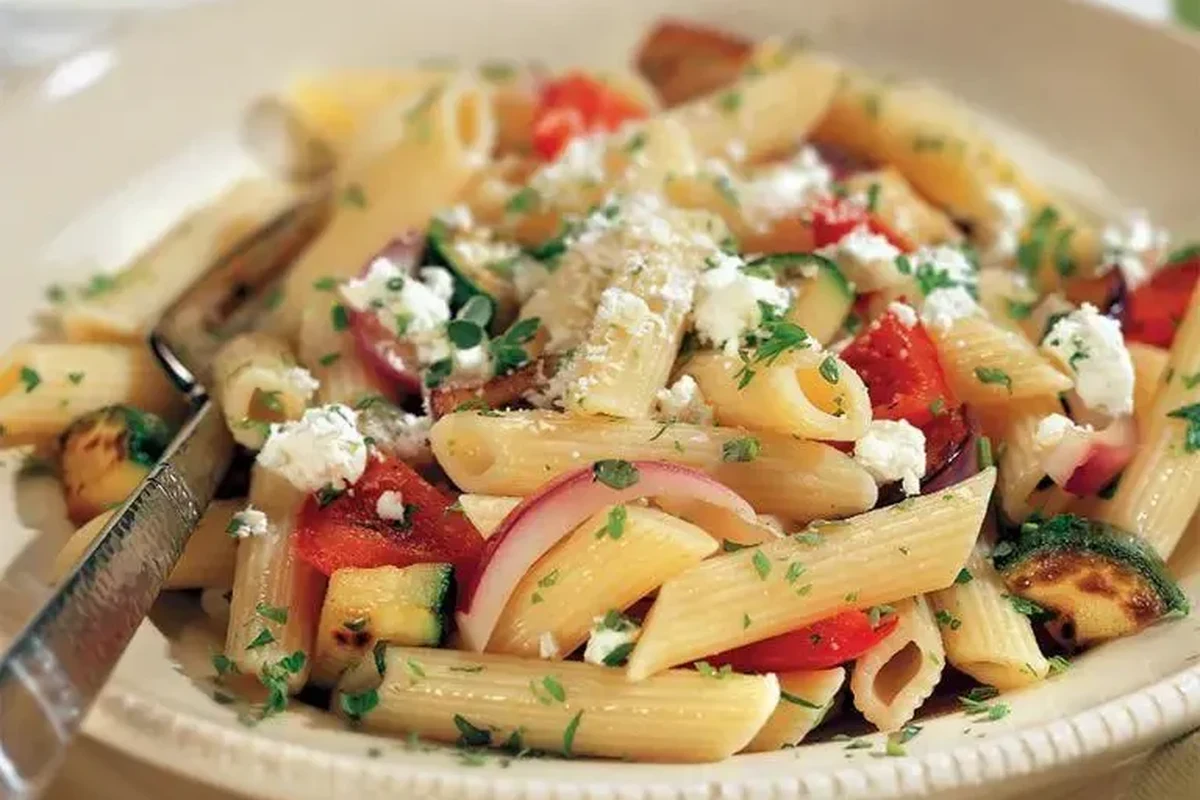
Penne pasta is healthy when it fits your needs and your plate. It gives you carbs for energy, and it can be part of a filling meal.
The catch is simple. White penne in a huge bowl with creamy sauce is a very different meal from whole wheat penne with beans and greens.
If you want a fast answer, here it is. Penne can be a healthy choice most of the time, but it is not the best choice in every meal.
Penne pasta can be a healthy staple when you keep portions sensible and build balanced meals around it. Whole wheat or protein-added versions give you more nutrition, but white penne can still work well.
What Penne Pasta Is Made Of and Why It Matters
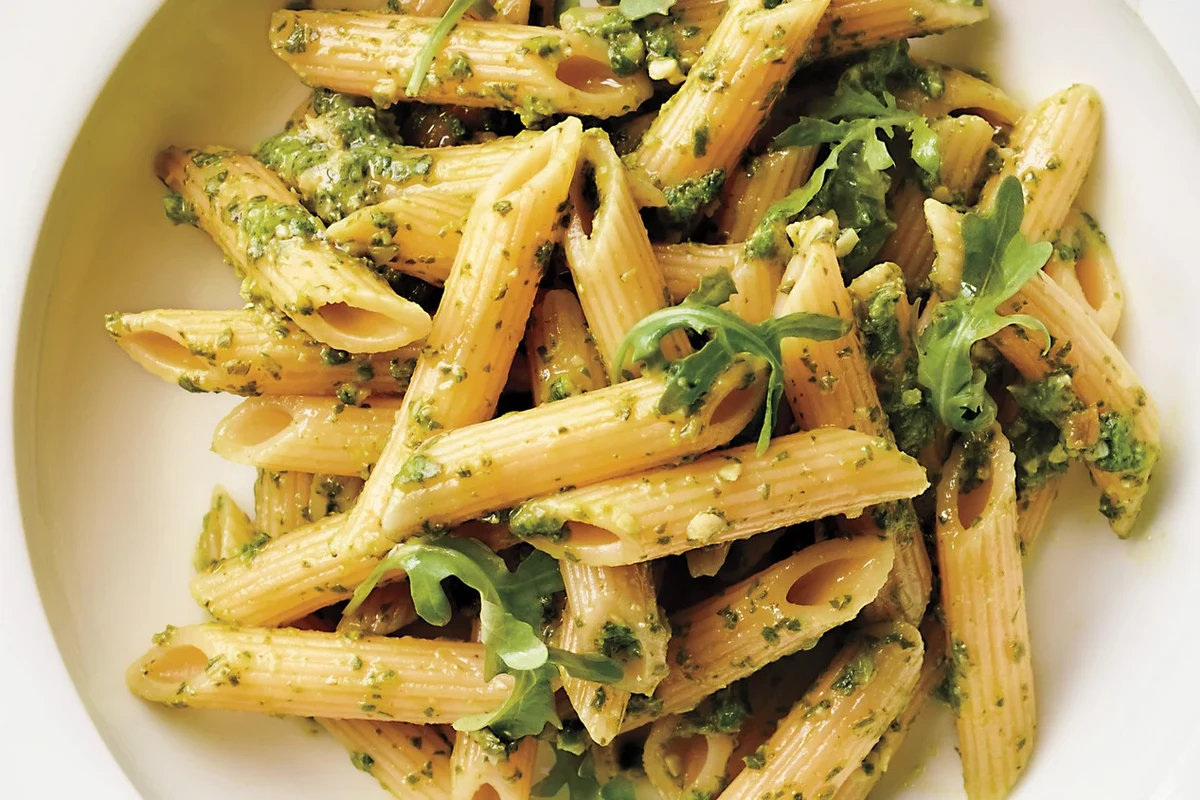
Most penne pasta starts with flour and water. Some versions use durum wheat semolina, while others use whole wheat, gluten-free grains, or added protein.
That ingredient list matters because it changes fiber, protein, and how full you feel after eating. It can also change taste and texture.
Nutrition can vary by brand and recipe. Always check the label if you want more fiber, less sodium, or a gluten-free option.
Refined White Penne vs Whole Wheat Penne
White penne uses refined flour. It usually has a softer taste and texture, which many people like.
Whole wheat penne keeps more of the grain. That usually means more fiber, a firmer bite, and better staying power at meals.
- Whole wheat has more fiber.
- White penne has a mild taste.
- Both can fit balanced meals.
- White penne may fill you up less.
- Whole wheat can taste denser.
- Some people need time to adjust.
In short, whole wheat is often the stronger pick for nutrition. White penne still works fine if the rest of the meal is balanced.
Gluten-Free and Protein-Added Penne Options
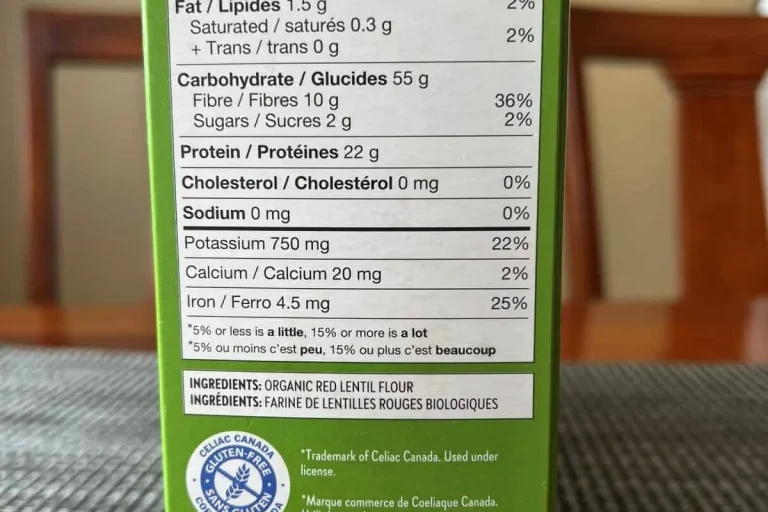
Gluten-free penne may use corn, rice, lentils, chickpeas, or other grains and beans. These can be useful for people who avoid gluten.
Protein-added penne can give you more protein per serving. That may help with fullness, especially if you eat pasta as a main meal.
Pasta made from legumes often brings more protein and fiber than regular wheat pasta.
Still, these options are not always better for everyone. Some taste different, cook faster, or break apart more easily.
How Penne Pasta Fits Into a Healthy Diet
Penne fits best as one part of a meal, not the whole meal. Think of it as the base, then add foods that balance it out.
That means vegetables, protein, and a sauce that does not drown everything in fat or sugar. This is where most of the health value comes from.
Portion Size, Calories, and Carbs
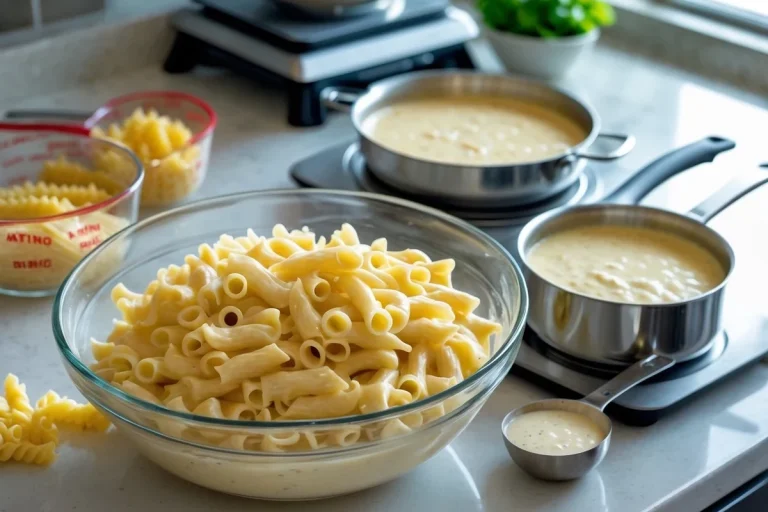
Portion size is the big issue with pasta. A small serving can be reasonable, while a large bowl can push calories and carbs much higher.
Carbs are not bad. Your body uses them for energy. The problem starts when the serving gets too big for your needs.
A helpful trick is to build the plate around the pasta, not the other way around. That makes it easier to keep portions in check.
What to Pair With Penne for Better Balance
Pairing matters more than many people think. Penne with grilled chicken, beans, tofu, or fish can be much more balanced.
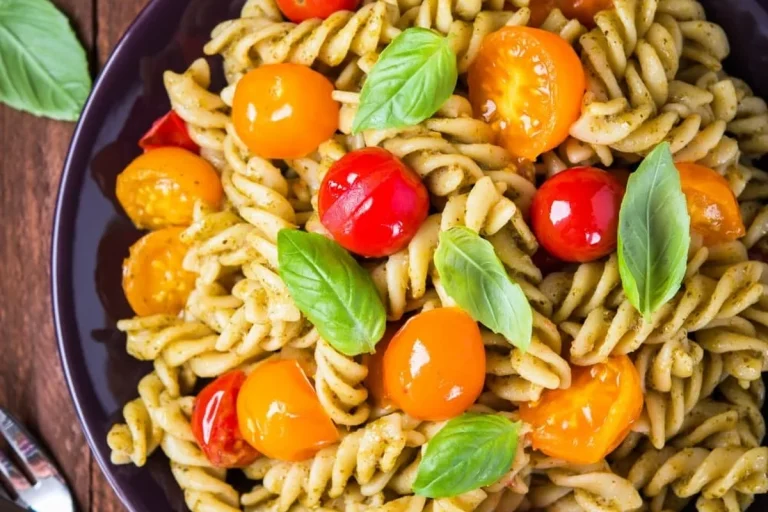
Add vegetables for color, fiber, and volume. Spinach, zucchini, peppers, mushrooms, and broccoli all work well.
Lean protein
Vegetables
Simple sauce
In short, the healthiest penne meals are built with balance. Pasta should share the plate, not take over it.
Benefits of Penne Pasta You Should Know
Penne has a few real strengths. It is easy to cook, easy to pair, and easy to use in many kinds of meals.
That flexibility is one reason so many home cooks keep it on hand. It can work for a quick dinner or a bigger family meal.
Energy, Satiety, and Meal Flexibility
Penne gives quick energy because it is mostly carbs. That can be useful before a busy day or after exercise.
It can also help you feel full when you eat enough protein and fiber with it. By itself, though, plain pasta may not keep you satisfied for long.
- Provides quick, easy-to-use energy.
- Works with many sauces and add-ins.
- Fits both simple and hearty meals.
For example, penne with tomato sauce, turkey, and vegetables feels very different from penne with butter and cheese. The first choice usually gives you a better balance.
Why It Can Work for Busy Families and Meal Prep
Penne is practical. It cooks fast, stores well, and reheats in many dishes without much trouble.
That makes it useful for meal prep and family dinners. You can cook one batch and use it in different ways across the week.
- Cook extra vegetables to mix into leftovers.
- Keep sauce on the side when packing lunches.
- Use a little pasta water to loosen thick sauce.
In short, penne is one of the easiest pastas to build into a real meal plan.
Limits and Health Concerns to Watch
Penne is not perfect for every person or every diet. Some people need to watch carbs, ingredients, or sauce choices more closely.
The pasta itself may be fine, but the full dish can become heavy fast. That is where many meals go off track.
Blood Sugar, Overeating, and Heavy Sauces
Big pasta portions can raise blood sugar more sharply, especially if the pasta is refined. Pairing it with protein and fiber can help slow that effect.
Heavy cream sauces, lots of cheese, and large amounts of oil can also make the meal more calorie dense. It is easy to eat more than you planned.
If you have diabetes or another blood sugar concern, talk with a registered dietitian or clinician about portion size and meal balance.
That does not mean you must avoid penne. It means you should plan the meal with care.
When Penne May Not Be the Best Choice
Penne may not fit well if you need very low carbs. It may also be a poor match if you struggle with large portions.
People with celiac disease or gluten sensitivity should choose a gluten-free version. Even then, they should check the label for cross-contact risks.
Follow the package directions for cooking and handling pasta. If a product seems damaged or contaminated, do not use it.
In short, penne is not the best fit for every diet. But for many people, it is still a useful and normal food.
How to Make Penne Pasta Healthier at Home
You do not need a fancy recipe to make penne better for you. Small changes can make a big difference.
Start with the pasta type, then improve the sauce and toppings. That is the easiest path to a healthier bowl.
Best Cooking Tips for Better Texture and Nutrition
Cook penne until it is just tender. That gives you better texture and may help you avoid mushy pasta.
Use enough water so the pasta cooks evenly. Then drain it well and keep a little cooking water for the sauce.
Pick whole wheat, protein-added, or regular penne based on your needs.
Follow the package directions and check for a tender but firm bite.
Add protein, vegetables, and a lighter sauce before serving.
In short, good cooking helps penne taste better and fit a healthier meal plan.
Healthy Sauce, Protein, and Veggie Pairings
A tomato-based sauce often works well because it is lighter than cream sauce. You can also add garlic, herbs, and olive oil in modest amounts.
For protein, try chicken, tuna, shrimp, tofu, lentils, or beans. For vegetables, use what you already like and have on hand.
A simple bowl of penne can still feel rich and satisfying. You just need the right mix of ingredients.
Common Mistakes People Make With Penne Pasta
One common mistake is treating pasta as the whole meal. That often leads to a plate that is low in fiber and protein.
Another mistake is using too much sauce. Creamy or cheesy sauces can turn a normal meal into a heavy one.
- Add vegetables to every pasta meal.
- Use a palm-sized protein portion.
- Check the label on special pasta types.
- Serving oversized bowls without balance.
- Relying on cheese and cream for flavor.
- Ignoring gluten or ingredient needs.
People also forget that leftovers matter. A healthy dinner can become less healthy if reheated with extra sauce and cheese.
Final Verdict: Is Penne Pasta Healthy for Most People?
Yes, penne pasta can be healthy for most people. It works best when you keep portions reasonable and build a balanced plate.
If you want the healthiest version, choose whole wheat or protein-added penne more often. If you prefer white penne, that can still fit well with smart pairings.
Penne pasta is a solid everyday food for many homes. The best choice is the one that fits your health needs, tastes good, and comes with vegetables, protein, and a lighter sauce.
So, is penne pasta healthy? For most people, yes, it can be. The real secret is how you serve it.
Frequently Asked Questions
Yes, penne pasta can fit everyday meals when portions stay reasonable. It works best with protein, vegetables, and a lighter sauce.
Whole wheat penne usually has more fiber and may help you feel fuller. White penne can still fit a healthy diet if the rest of the meal is balanced.
Pair penne with lean protein, vegetables, and a tomato-based or lightly dressed sauce. That gives you better balance than a large bowl with creamy sauce.
It can, if you watch portion size and build a balanced plate. The sauce and toppings matter just as much as the pasta.
Gluten-free penne is only better if you need to avoid gluten. It is not always more nutritious, so check the label for fiber and protein.
Avoid it if you have a gluten issue and the pasta is not gluten-free. You may also need to limit it if you must tightly control carbs or blood sugar.