How to Make Cajun Pasta Sauce That Tastes Amazing

Cajun pasta sauce is a creamy, spiced sauce that comes together fast in one pan. Keep the heat low, taste as you go, and finish with pasta water for the best texture.
If you want bold, creamy pasta with a little heat, Cajun pasta sauce is a great choice. The basic method is simple: build flavor in a pan, add cream and broth, then simmer until smooth and rich.
- Simple base: Butter, garlic, cream, broth, and Cajun seasoning do the work.
- Best texture: Gentle simmering keeps the sauce smooth and glossy.
- Smart pairing: Penne, rigatoni, and fettuccine hold the sauce well.
- Easy fixes: Pasta water, broth, or cream can rescue a sauce.
What Cajun Pasta Sauce Is and Why It Works

Cajun pasta sauce is a creamy, spiced sauce made for pasta. It usually blends butter, garlic, Cajun seasoning, cream, and a little broth or tomato paste.
The result is rich, warm, and full of flavor. It feels hearty without needing a long ingredient list.
In short: it’s a fast sauce that tastes like it cooked longer than it did.
Core flavor profile: spice, cream, garlic, and heat
The best Cajun pasta sauce has balance. You want spice, but not so much that it hides the other flavors.
Garlic gives the sauce depth. Cream softens the heat and makes each bite feel smooth.
Tomato paste adds a light savory note. A little smoked paprika can also help bring in color and a gentle smoky taste.
How the sauce coats pasta and builds a rich finish
This sauce works because it clings to pasta well. Fat from butter and cream helps the sauce coat every noodle.
As it simmers, it thickens and turns glossy. That gives the pasta a richer finish instead of a watery one.
In short: the sauce should look silky and stay on the pasta, not slide off it.
Ingredients You Need for the Best Cajun Pasta Sauce

You do not need a huge pantry for this recipe. A few good basics can make a sauce that tastes complete.
Heavy cream
Broth
Tomato paste
Cajun seasoning
Garlic
Onion
Base ingredients: butter, cream, broth, and tomato paste
Butter gives the sauce a rich start. It also helps cook the garlic and seasoning without burning them right away.
Cream makes the sauce smooth and soft. Broth loosens the sauce a bit, so it coats pasta instead of feeling too heavy.
Tomato paste is optional in some versions, but it adds body and a deeper flavor. Use just enough to support the sauce, not overpower it.
Seasoning essentials: Cajun spice, paprika, garlic, and onion
Cajun seasoning does most of the heavy lifting. Different blends can vary a lot, so taste as you go.
Garlic and onion round out the flavor. Paprika adds color and a mild pepper note.
Note
Some Cajun blends already contain salt and cayenne. Check the label before adding more salt or heat.
Optional add-ins: Parmesan, peppers, and protein choices
Parmesan can make the sauce taste even richer. Add it slowly so it melts in smoothly.
Bell peppers add sweetness and color. Red pepper flakes can boost the heat if you want more kick.
Chicken, shrimp, and sausage all work well here. Vegetables like mushrooms, spinach, or zucchini can also fit nicely.
- Taste your seasoning blend before adding extra salt.
- Use fresh garlic for a brighter, stronger flavor.
- Add cheese off the heat to help it melt smoothly.
How to Make Cajun Pasta Sauce Step by Step
The process is simple, but the order matters. Build flavor first, then add liquid, then finish with seasoning and cheese.
Melt butter in a skillet over medium heat. Add onion and cook until soft, then stir in garlic and Cajun seasoning.
Stir in tomato paste if you are using it. Then add broth and cream, and mix until the sauce looks even.
Let the sauce cook gently. Stir often so it stays smooth and does not scorch on the bottom.
Taste the sauce, then adjust salt, heat, or cheese. Toss with hot pasta right away.
Simmer the sauce until smooth and thick
Keep the heat at a gentle simmer. A hard boil can break the cream or make the sauce too thick too fast.
Stir often and watch the texture. You want the sauce to coat a spoon, but still move easily.
If it gets too thick, add a splash of broth or pasta water. That helps bring it back without losing flavor.
Taste, adjust, and finish for the right balance
This is where the sauce becomes yours. Taste it before serving, then adjust the salt, spice, and creaminess.
If it tastes flat, add a little salt or Parmesan. If it feels too sharp, add more cream or a small knob of butter.
In short: the last minute of tasting often matters more than the first ten minutes of cooking.
Keep the heat low enough to protect the cream and keep the sauce smooth.
Best Pasta Shapes and Pairings for Cajun Sauce
Not every pasta shape works the same way. You want noodles that hold onto the sauce instead of letting it pool at the bottom.
Which noodles hold the sauce best
Short, ridged shapes are a strong choice. Penne, rigatoni, and rotini all grab the sauce well.
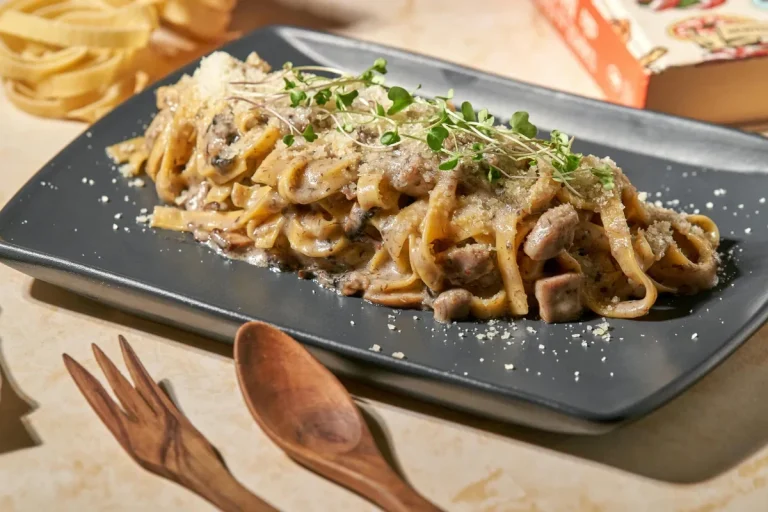
Fettuccine and linguine also work if you want a smoother, clingy feel. They make the sauce seem extra silky.
Very thin pasta can get lost in a thick Cajun sauce. Very delicate noodles can also break down if the sauce sits too long.
| Option | Best For | Key Consideration |
|---|---|---|
| Penne | Thick sauces | Holds sauce inside the tube |
| Rigatoni | Hearty meals | Great for chunky add-ins |
| Fettuccine | Creamy sauces | Coats well and feels rich |
Chicken, shrimp, sausage, and veggie pairings
Chicken gives the meal a classic comfort-food feel. Shrimp adds a lighter seafood note and cooks fast.
Sausage brings extra spice and a smoky taste. Vegetables like peppers and spinach help balance the richness.
Choose one main add-in or mix two carefully. Too many extras can crowd the sauce and blur the flavor.
Common Mistakes When Making Cajun Pasta Sauce
Most problems are easy to avoid. They usually come from too much heat, too little seasoning, or rushing the sauce.
Using too much heat or too little salt
Too much heat can make the cream taste scorched or split. It can also make the garlic bitter.
Too little salt is just as common. Cajun sauce needs enough salt to bring out the spice and cream.
The sauce tastes flat or harsh.
Lower the heat and season in small amounts until the flavor tastes balanced.
Letting the sauce split, thin out, or turn grainy
If the sauce splits, the heat was probably too high. If it turns grainy, cheese may have been added too fast or at too high a heat.
Thin sauce usually needs more simmer time. If it still looks loose, add a bit more cheese or a small spoon of tomato paste.
Important
Do not boil cream sauces hard. Gentle heat helps keep the texture smooth and stable.
Overcooking pasta or skipping pasta water
Cook the pasta just until tender. If it cooks too long, it can turn mushy once mixed with the sauce.
Pasta water helps the sauce cling. The starch in the water gives the sauce a better finish and helps it bind to the noodles.
In short: save a little pasta water before draining. It can rescue a sauce that feels too thick or too dry.
How to Adjust the Sauce for Your Taste and Diet
One of the best things about this sauce is how easy it is to change. You can make it milder, richer, lighter, or dairy-free.
Milder, spicier, or extra creamy versions
For a milder sauce, use less Cajun seasoning and skip extra pepper flakes. Add more cream if the heat still feels strong.
For a spicier sauce, add cayenne or a hotter Cajun blend. A little goes a long way, so add it slowly.
For extra creaminess, add more cream, a little more butter, or a bit of Parmesan. That gives the sauce a softer, fuller taste.
Dairy-free, lighter, and gluten-free swaps
For a dairy-free version, use a plain unsweetened plant milk or cream alternative that works for cooking. Check the label, since some options separate more easily.
For a lighter sauce, use less cream and more broth. The sauce will taste less rich, but it can still be very good.
For a gluten-free meal, use gluten-free pasta and check that your seasoning blend is gluten-free. Some blends include added starches or fillers.
Pasta water helps sauces cling because it contains starch from the noodles.
Storage, Reheating, and Make-Ahead Tips
Cajun pasta sauce can be made ahead, but cream sauces need gentle handling. The texture can change after chilling.
How long the sauce keeps in the fridge
Store the sauce in a sealed container once it cools. Keep it in the fridge and use it within a few days.
If the sauce already has pasta mixed in, the pasta may soak up more liquid as it sits. That can make it thicker by the next day.
Best way to reheat without breaking the sauce
Reheat the sauce slowly over low heat. Stir often and add a splash of broth or water if it looks too thick.
Microwaving can work too, but use short bursts and stir between each one. That helps the sauce warm evenly.
Discard any sauce that smells off, looks separated in a bad way, or sat out too long.
Freezing tips and texture limits
You can freeze Cajun pasta sauce, but the texture may change after thawing. Cream sauces sometimes need extra stirring to come back together.
Freeze it in a tight container and leave room for expansion. Thaw it in the fridge before reheating.
If the sauce looks a little broken after thawing, whisk it gently over low heat. Add a small splash of broth if needed.
Final Verdict: The Best Way to Make Cajun Pasta Sauce at Home
The best Cajun pasta sauce starts with a simple base and careful heat. Butter, garlic, Cajun seasoning, cream, and broth give you a rich sauce fast.
For most home cooks, the smartest move is to keep the first version classic. Once you know the balance, you can change the heat, add cheese, or mix in chicken, shrimp, or vegetables.
In short: make it gently, taste often, and keep the sauce smooth. That’s the easiest way to get a Cajun pasta sauce that tastes amazing.
Use a simple cream-based method, keep the heat low, and finish with pasta water for the best texture. Keep it classic first, then customize the spice and add-ins to fit your taste.
Frequently Asked Questions
Most versions come together in about 20 to 30 minutes. The exact time depends on how long you cook the onion, how thick you want the sauce, and whether you add protein.
It should look smooth, glossy, and slightly thick. It should coat a spoon and cling to the pasta without looking watery.
Yes, you can use a dairy-free cream substitute or a lighter mix of broth and milk-style alternatives. The texture and flavor will change, so taste and adjust as you go.
Penne, rigatoni, rotini, and fettuccine all work well. Choose a shape that can hold onto the sauce instead of letting it slide off.
Cool it first, then store it in a sealed container in the fridge. Use it within a few days for the best texture and flavor.
High heat is the most common reason. Reheat it gently, stir often, and add a small splash of broth if it needs help coming back together.