Is Pasta Good for Bulking A Smart Muscle Food Choice

Yes, pasta is good for bulking because it makes it easier to eat enough calories and carbs. It works best when you add protein, fat, and vegetables.
Yes, pasta can be a smart bulking food. It gives you easy carbs, steady energy for training, and a simple way to add calories without feeling too full.
That said, pasta works best when you pair it with protein, some fat, and a few veggies. On its own, it’s not a complete bulking meal.
- Bulking fuel: Pasta gives you easy carbs for training and recovery.
- Calorie helper: It helps you eat more without feeling overly stuffed.
- Best use: Pair pasta with protein, fats, and veggies.
- Main limit: Pasta alone is low in protein and not fully balanced.
Is Pasta Good for Bulking? The Short Answer for Muscle Gain
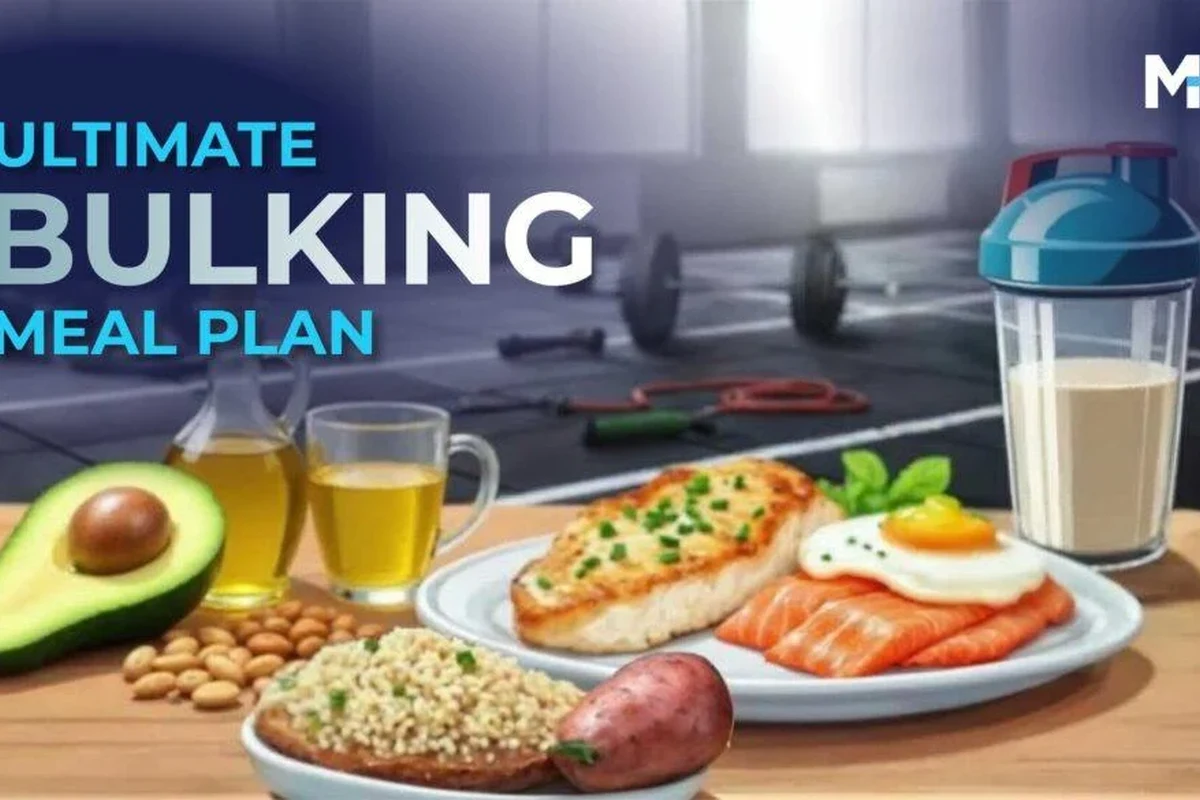
For most people, yes. Pasta is a good bulking food because it is calorie dense, easy to cook, and simple to eat in larger portions.
Bulking means you eat more calories than you burn. Pasta helps with that because it is filling enough to feel like a real meal, but not so heavy that you cannot eat again later.
It also fits well around training. You can eat it before a workout for fuel or after a workout to help refill muscle energy stores.
Can pasta build muscle on its own?
No. Pasta supports muscle gain by giving you carbs and calories, but protein and training still do the real muscle-building work.
How Pasta Supports a Bulking Diet
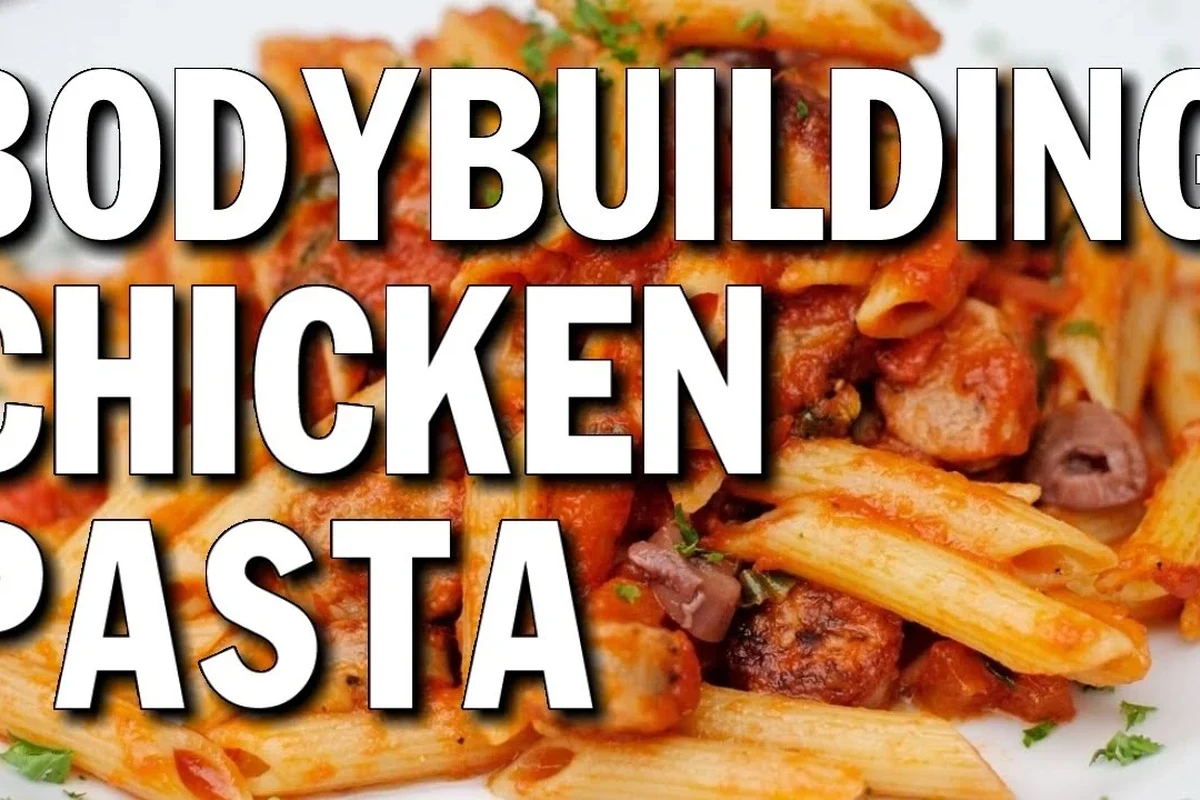
Pasta helps in two big ways. First, it gives your body carbs for hard training. Second, it makes it easier to eat enough food each day.
Why carbs matter for training and recovery
Carbs are your body’s main quick fuel. When you lift weights, your muscles use stored carbs for energy.
After training, carbs help refill those stores. That can help you feel ready for your next session.
Carbs are often the easiest macronutrient to raise when you need more calories fast.
How pasta helps you eat more calories with less effort
Some bulking foods feel too heavy. Pasta is often easier to eat than a huge pile of meat, nuts, or cheese.
You can also change the meal fast. Add olive oil, meat, sauce, or cheese, and the calories climb quickly.
- Cook a bigger batch for easy leftover meals.
- Add calorie boosters little by little.
- Use sauce to make plain pasta more appealing.
Best Types of Pasta for Bulking
Most pasta types can work for bulking. The best choice depends on your appetite, digestion, and nutrition goals.
White pasta vs whole wheat pasta
White pasta is often easier to eat in larger amounts. That can help if you struggle to hit your calorie goal.
Whole wheat pasta gives you more fiber and may keep you full longer. That can be useful if you want better balance, but it may feel too filling for some hard gainers.
- White pasta is easy to digest and eat in bigger portions.
- Whole wheat pasta adds more fiber and a steadier feel.
- White pasta has less fiber and fewer nutrients.
- Whole wheat pasta can feel heavy for some people.
Fresh pasta, dried pasta, and protein pasta
Dried pasta is the most common choice. It stores well and is easy to keep on hand.
Fresh pasta often cooks faster and has a softer texture. Protein pasta can help raise protein a bit, but the label matters because brands vary a lot.
Protein pasta can still vary in taste, texture, and protein content by brand. Check the nutrition label before you count on it for your goals.
What to Add to Pasta for Better Bulking Results
Pasta works best as a base. The extras turn it into a full bulking meal.
Protein choices that make the meal more complete
Protein helps repair muscle after training. It also makes the meal more balanced.
Good choices include chicken, turkey, beef, tuna, salmon, eggs, tofu, tempeh, and beans. Pick what fits your budget and taste.
Healthy fats and calorie boosters
Fats help raise calories without adding a huge amount of food. That can be very useful in a bulk.
Try olive oil, pesto, avocado, nuts, seeds, or cheese. Just keep portions sensible so the meal does not become too greasy.
If you need more calories, start with one tablespoon of olive oil. It is an easy way to boost energy without changing the whole meal.
Veggies and sauces that improve balance
Veggies add fiber, color, and more vitamins. They also help pasta meals feel less one-note.
Tomato sauce, marinara, meat sauce, and creamy sauces can all work. The best choice depends on your calorie needs and digestion.
Watch creamy sauces and cheese-heavy toppings if they upset your stomach. A bulk works better when you can eat consistently.
Benefits and Limits of Using Pasta to Bulk
Pasta has clear strengths for bulking. It also has a few limits you should know before you build your whole plan around it.
Main benefits for hard gainers and active lifters
Pasta is a strong choice for hard gainers who need more calories. It is also useful for lifters who train often and need quick energy.
It is cheap, easy to store, and simple to cook in batches. That makes it practical for busy weeks.
- Easy way to add calories
- Good source of workout carbs
- Simple to batch cook
- Works with many protein foods
Common downsides like low protein and poor portion control
Pasta alone is low in protein. If you eat it by itself, you may miss the balance you need for bulking.
It can also be easy to overeat sauce, cheese, or oil. That may push calories up too far without adding much nutrition.
Follow package directions when cooking pasta. Use care with hot water, steam, and boiling pots.
Common Pasta Bulking Mistakes to Avoid
Most pasta bulking problems come from poor balance, not from pasta itself. A few small fixes can make a big difference.
Relying on pasta alone for every meal
If every meal is just pasta, you may miss protein, fiber, and key nutrients. That can slow progress over time.
Use pasta as one part of the plate. Add protein, vegetables, and a fat source when needed.
Choosing sauces and toppings with too little nutrition
Some toppings add calories but not much else. Heavy cream sauces, extra cheese, and processed meats can pile up fast.
That does not mean you must avoid them. It just means you should use them with care.
Eating too much without tracking progress
Bulking works best when you watch your weight, energy, and gym progress. If you gain too fast, you may add more fat than muscle.
If you gain too slowly, increase portions a little. Small changes are usually easier to manage than huge ones.
- Track body weight and training progress.
- Adjust pasta portions based on results.
- Keep meals balanced with protein and veg.
- Eating huge pasta meals with no plan.
- Using only cheese and cream for flavor.
- Ignoring digestion and recovery.
How to Build a Smart Pasta Bulking Meal Plan
A smart plan keeps pasta useful instead of random. Think in terms of portions, timing, and meal balance.
Simple portion guide for training days
Start with a pasta serving that fits your appetite and calorie target. Then add protein and a sauce that matches your goal.
On harder training days, you may need a larger carb portion. On lighter days, a smaller bowl may be enough.
Easy meal ideas for lunch, dinner, and post-workout meals
For lunch, try pasta with chicken, tomato sauce, and spinach. It is simple and balanced.
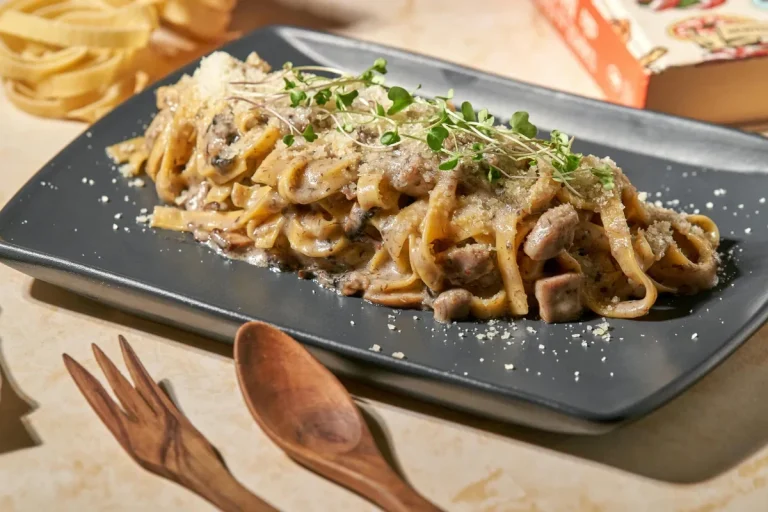
For dinner, pasta with beef, olive oil, and vegetables can help you reach your calorie target. After a workout, pasta with tuna or chicken works well for many people.
Start with pasta as your carb source.
Choose meat, fish, tofu, beans, or eggs.
Add sauce, vegetables, and a small fat source.
- Pasta is a strong bulking carb because it is easy to eat and easy to pair.
- It works best with protein, fat, and vegetables.
- Track results so you can adjust portions over time.
Final Verdict: Is Pasta a Good Bulking Food in 2026?
Yes, pasta is a good bulking food in 2026. It gives you useful carbs, helps you eat more calories, and fits into many meal plans.
The best approach is simple. Use pasta as the base, add enough protein, and keep an eye on your total intake.
Pasta is one of the easiest bulking foods for hard gainers and active lifters. It is not enough by itself, but it becomes a smart muscle meal when you build it the right way.
Frequently Asked Questions
Yes. Pasta is a strong bulking carb because it helps you eat more calories and gives you fuel for training.
Most pasta types can work. White pasta is easier to eat in larger amounts, while whole wheat pasta adds more fiber.
You can do both. Before training, pasta gives you fuel. After training, it helps refill energy stores.
Add protein, healthy fats, and vegetables. That makes the meal more complete and better for muscle gain.
You can eat pasta often, but it should not be your only food. Mix in other carbs, proteins, and vegetables for balance.
Track your body weight and adjust portions slowly. That helps you gain at a steady pace instead of too fast.