How Long Does Dry Pasta Last Shelf Life and Storage Tips

Unopened dry pasta usually lasts 1 to 2 years past the best-by date if it stays cool and dry. Once opened, move it to an airtight container and watch for moisture, pests, or odd smells.
Dry pasta lasts a long time. In most homes, unopened dry pasta stays good for about one to two years past the best-by date, and often longer if it stays dry and sealed.
The real answer depends on storage. Heat, moisture, pests, and damaged packaging can shorten shelf life fast.
- Best-by date: Often about quality, not strict safety, for dry pasta.
- Storage matters: Cool, dry, airtight storage helps pasta last longer.
- Warning signs: Toss pasta with moisture, bugs, mold, or bad smells.
- Type matters: Whole wheat, gluten-free, and egg pasta may age faster.
How Long Does Dry Pasta Last? The Short Answer
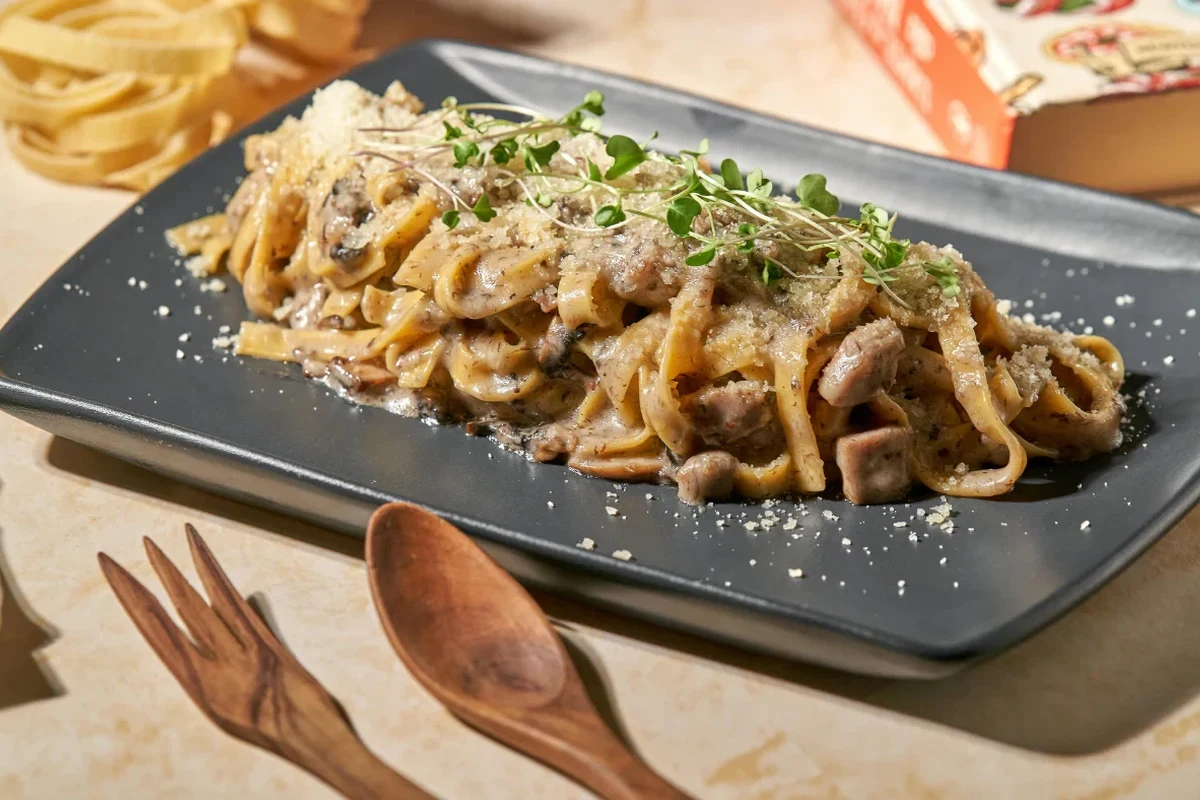
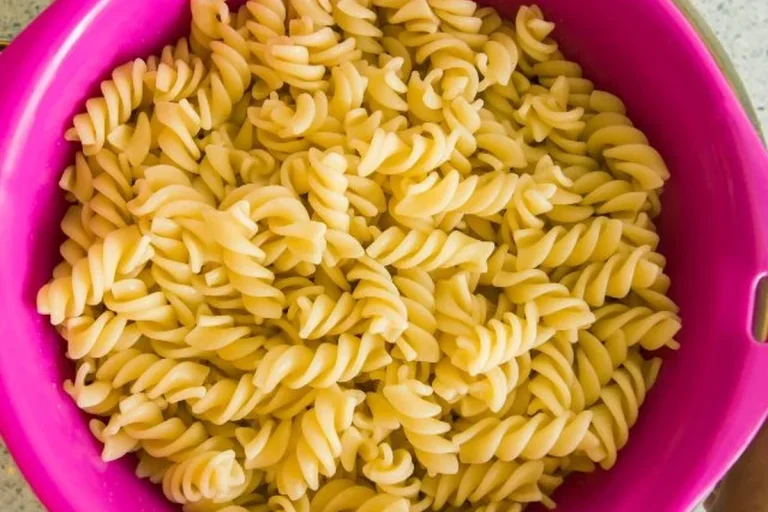
Dry pasta is one of the most pantry-friendly foods you can buy. It does not spoil quickly like fresh pasta or cooked leftovers.
For most people, the main question is not “Will it last forever?” It’s “Will it still taste and cook well?”
Typical shelf life for unopened dry pasta
Unopened dry pasta usually keeps its best quality for a long time. Many boxes and bags stay fine for 1 to 2 years after the best-by date when stored well.
Some plain durum wheat pasta can last even longer. The texture may slowly change, but it often remains usable.
Best-by dates are about quality, not strict safety, for most dry pasta. Storage still matters a lot.
What changes after the best-by date
After the best-by date, dry pasta may lose some quality. It can break more easily, taste flatter, or cook less evenly.
That does not always mean it is unsafe. It often just means the pasta is older and less fresh.
When dry pasta is still safe to use
Dry pasta is usually safe if it stays dry, clean, and free of pests. If it looks normal and smells normal, it may still be fine.
Use your senses before cooking. If anything seems off, toss it.
Write the open date on the container. It helps you use older pasta first.
What Affects Dry Pasta Shelf Life
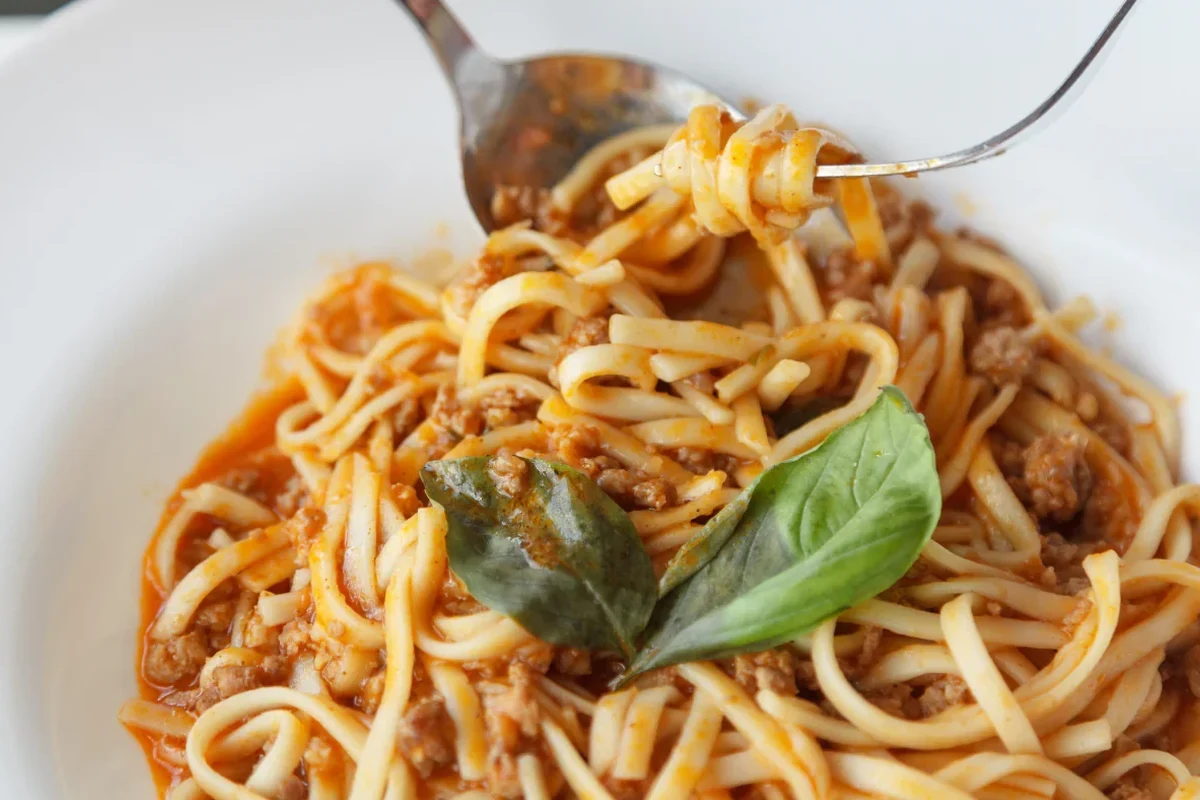
Not all pasta ages the same way. Ingredients, packaging, and storage conditions all play a role.
That’s why two boxes bought on the same day can age very differently.
Ingredients in the pasta
Plain durum wheat pasta usually lasts the longest. It has fewer ingredients that can go stale.
Whole wheat, gluten-free, and egg-based pasta often age faster. More oils, grains, or eggs can mean a shorter pantry life.
Packaging and seal quality
Factory-sealed packaging helps protect pasta from air and moisture. A tight seal also helps keep out pantry bugs.
Once the package opens, the pasta starts to face more risk. The box alone is not enough protection.
Do not use pasta that shows signs of mold, insects, or water damage. When in doubt, throw it out.
Storage temperature, light, and moisture
Cool, dark, dry storage helps pasta last longer. A pantry shelf is better than a spot near the stove.
Moisture is the biggest problem. Even small amounts can lead to clumping, spoilage, or pests.
How to Store Dry Pasta the Right Way
Good storage is simple. Keep pasta dry, sealed, and away from heat.
That one habit does most of the work for you.
Keep it in a cool, dry place
Choose a pantry, cabinet, or drawer away from steam and sunlight. Avoid spots near the dishwasher, oven, or kettle.
Stable room temperature helps pasta stay in better shape longer.
Use airtight containers after opening
After opening, move pasta to an airtight container or a sealed bag. This helps block moisture and bugs.
Clear containers also make it easier to see how much you have left.
How to store different pasta shapes
Long pasta like spaghetti and linguine should stay dry and unbroken. A tall container or sealed bag works well.
Small shapes like penne, shells, and elbows store easily in jars or bins. Just keep them sealed.
Fragile shapes like farfalle can break if they get crushed. Use a container that fits the shape without packing it too tight.
How to Tell If Dry Pasta Has Gone Bad
Dry pasta usually gives clear warning signs when it is no longer worth keeping. Look for damage, pests, and odd changes.
If it seems wrong, trust that feeling.
Signs of moisture damage
Moisture can make pasta sticky, soft, or clumped together. You may also see warped pieces or a damp feel.
If the pasta got wet, it is safer to discard it. Dry pasta should stay dry.
Signs of pests or pantry bugs
Check for tiny holes in the package, webbing, or moving bugs. You may also see insect dust or small larvae.
If you find pests, throw out the pasta and check nearby pantry foods too.
Odd smells, color changes, and clumping
Dry pasta should smell neutral. A sour, musty, or oily smell is a bad sign.
Also look for discoloration, mold, or heavy clumping. Those are strong reasons to toss it.
The pasta looks fine, but it smells stale or musty.
Do not cook it. Dry pasta should smell clean and plain, so discard it if the odor seems off.
Dry Pasta Types and Their Shelf Life Differences
Some pasta types last longer than others. The ingredient list gives you the best clue.
When you shop, it helps to think about how fast you’ll use it.
Regular durum wheat pasta
Regular durum wheat pasta is the most stable option. It usually has the longest shelf life in the pantry.
This is the best choice if you want a dependable backup meal food.
Whole wheat pasta
Whole wheat pasta often goes stale sooner than regular pasta. The natural oils in the grain can age faster.
It still stores well, but it may taste less fresh after long storage.
Gluten-free and egg-based pasta
Gluten-free pasta varies a lot by brand and ingredients. Rice, corn, or legume blends may behave differently in storage.
Egg-based pasta often needs more care. Check the package for storage guidance and use it sooner when possible.
Dry pasta lasts much longer than fresh pasta because it has very little moisture.
Common Mistakes That Make Pasta Spoil Faster
Most pasta storage problems come from simple habits. A few small mistakes can shorten shelf life fast.
The good news is that these are easy to fix.
Storing it near heat or steam
Heat speeds up aging. Steam adds moisture, which can ruin dry pasta.
Keep pasta away from the stove, toaster oven, and dishwasher vent.
Leaving opened pasta in the box
The original box is fine for short storage. It is not enough after opening.
Once opened, move the pasta to a sealed container or a tight bag.
Mixing old pasta with fresh pasta
Do not pour new pasta into an old container without cleaning it first. Old crumbs or moisture can affect the fresh batch.
Use a clean container every time you refill.
- Seal opened pasta in a clean, dry container.
- Store it away from heat and steam.
- Use older pasta first.
- Leaving pasta in a damp pantry spot.
- Using a torn bag or crushed box.
- Ignoring bugs, odors, or moisture.
Safety, Quality, and Value Tips for 2026
In 2026, most shoppers want less waste and better pantry value. Dry pasta helps with both when you store it well.
The best plan is simple: buy what you’ll use, seal it well, and rotate stock.
When to toss pasta instead of risk it
Toss pasta if you see mold, bugs, wet spots, or a bad smell. Also discard it if the package was soaked or left open to humidity for too long.
Food safety matters more than saving a few cents.
How to save money without wasting food
Buy pasta in sizes you can finish before it ages too much. Bulk packs can save money, but only if you use them.
For many homes, a few smaller packages work better than one huge bag.
Best habits for long-term pantry storage
Label the date you opened the package. Keep pasta in a dry bin or sealed jar.
Check your pantry every so often for leaks, pests, or expired food. A quick glance can save a lot of waste.
- Unopened dry pasta often lasts 1 to 2 years past best-by.
- Dry, cool, airtight storage helps it last longer.
- Moisture, pests, and heat are the biggest risks.
Final Recommendation: What Red Kitchen Project Readers Should Do
For most homes, the safest and easiest plan is simple. Store dry pasta in a cool, dry pantry and seal it well after opening.
If the pasta smells normal, looks normal, and stays dry, it is usually fine to use. If it shows moisture damage, pests, or a bad odor, toss it.
Simple storage plan for most homes
Keep unopened pasta in its original package until you need it. After opening, move it to an airtight container.
Place it away from the stove, sink, and dishwasher. That small step makes a big difference.
Quick recap of the safest choice
The safest choice is to trust your senses and store pasta well from the start. Dry pasta can last a long time, but only when it stays truly dry.
In short, if it looks clean, smells clean, and stayed dry, it’s usually worth keeping.
Frequently Asked Questions
Unopened dry pasta often stays good for 1 to 2 years past the best-by date when stored in a cool, dry place. Plain durum wheat pasta may last even longer if the package stays sealed.
Not always. The best-by date is usually about quality, so older pasta may still be safe if it looks, smells, and feels normal.
Store dry pasta in a cool, dry pantry away from heat and steam. After opening, move it to an airtight container or sealed bag.
Look for moisture damage, clumping, odd smells, discoloration, mold, or pantry bugs. If you see any of those signs, toss it.
No. Regular durum wheat pasta usually lasts the longest, while whole wheat, gluten-free, and egg-based pasta may age faster.
It can be fine for a short time if the pasta stayed dry and clean, but a sealed container is better. If the box was exposed to moisture or pests, do not use it.