Is Vodka Pasta Healthy What You Need to Know

Vodka pasta can be healthy enough for a balanced meal if you keep the sauce lighter and the portion moderate. It becomes less healthy when it has lots of cream, cheese, and oversized servings.
Vodka pasta can be part of a healthy meal, but it depends on how you make it and how much you eat. The sauce often includes cream, butter, and cheese, so it can get rich fast. If you keep portions moderate and add protein or vegetables, it can fit into a balanced diet.
- Main answer: Vodka pasta can fit a healthy diet, but it is usually a rich dish.
- Biggest factor: Cream, butter, cheese, and portion size change the nutrition most.
- Better choice: Use more tomato, less cream, and add vegetables or protein.
- Safety note: Some alcohol may remain after cooking, so avoid it if needed.
Is Vodka Pasta Healthy? A Quick Answer for Home Cooks
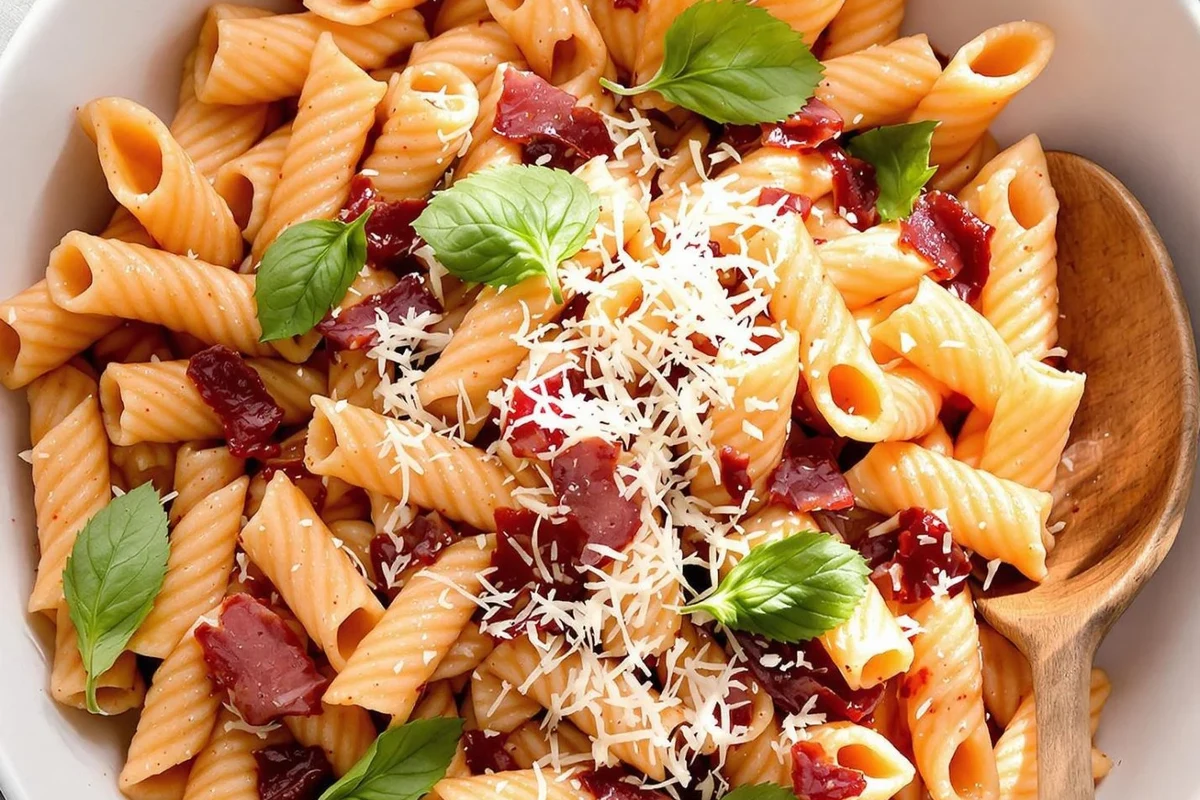
Short answer. Vodka pasta is not a “health food” by default, but it is not a bad choice either. Think of it as a comfort meal that can be lightened up with a few smart swaps.
The biggest issue is the sauce. Cream, butter, olive oil, and cheese can raise the calories and saturated fat. On the other hand, tomato paste and tomatoes bring flavor with fewer calories.
So, is vodka pasta healthy? It can be, if you treat it like an occasional meal and build it well. If you want a lighter dinner, use less cream, more tomato, and a smaller pasta portion.
What Vodka Pasta Is and How the Sauce Works
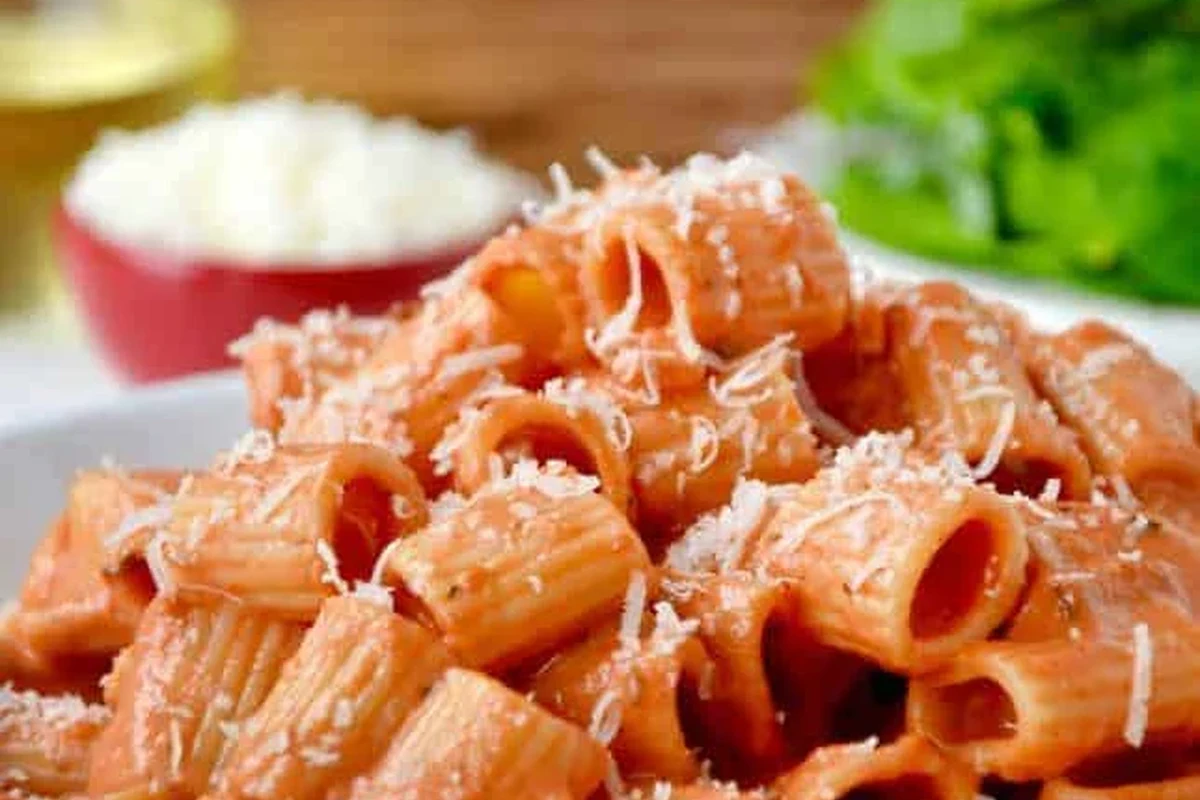
Vodka pasta is a creamy tomato pasta sauce with vodka mixed in. The vodka is not there to make the dish boozy. It helps blend the tomato and cream into a smooth sauce.
Most versions start with onion or garlic, tomato paste, vodka, cream, and pasta water. Some recipes also use butter, olive oil, Parmesan, chili flakes, and basil.
Key ingredients in a classic vodka sauce
A classic vodka sauce usually has a few core parts. Each one changes the final taste and nutrition.
- Tomato paste or crushed tomatoes: Adds bold flavor and color.
- Vodka: Helps the sauce taste smoother and less sharp.
- Cream: Gives the sauce its rich, silky finish.
- Butter or olive oil: Adds body and helps carry flavor.
- Cheese: Boosts salt, fat, and savory taste.
- Pasta water: Helps the sauce cling to the noodles.
Some versions use more cream than tomato. Those taste richer, but they also become heavier. If you want a lighter bowl, tomato should lead the way.
Why vodka changes the taste and texture
Vodka helps pull flavors together. It also releases some flavor compounds in the tomato that water alone does not bring out as well.
That said, the vodka is not the main star. In many recipes, it mostly supports the sauce and adds a clean edge. When cooked properly, the alcohol level drops a lot, but not always to zero.
Vodka pasta gets its name from the spirit, but the sauce should taste creamy and tomato-rich, not like a cocktail.
Nutrition Breakdown: Calories, Fat, Carbs, and Protein
The nutrition in vodka pasta changes a lot based on the recipe. A small serving with a light sauce can be reasonable. A large bowl with lots of cream and cheese can become very rich.
In general, the pasta gives you carbs, while the sauce adds fat and flavor. Protein depends on whether you add meat, seafood, beans, or extra cheese.
Nutrient totals vary by brand, recipe, and portion size. Homemade and restaurant versions can differ a lot.
How pasta shape, portion size, and cheese change the numbers
Portion size matters more than most people think. A big plate can turn a normal meal into a heavy one very quickly.
Long pasta, short pasta, and stuffed pasta all work differently, but the shape itself does not change health much. The bigger factors are how much you serve and how much sauce sticks to each bite.
- More pasta: More carbs and more total calories.
- More cheese: More fat, sodium, and richness.
- Thicker sauce: More calories per bite.
- Whole-grain pasta: More fiber and a steadier feel.
If you want a more filling meal, whole-wheat or legume pasta can help. It gives you more fiber and often more protein than regular white pasta.
Store-bought sauce vs homemade sauce
Store-bought vodka sauce saves time, which is great on a busy night. But the nutrition can vary widely from jar to jar.
Some jarred sauces use more oil, cream, or added sugar. Others keep the ingredient list simpler. Homemade sauce gives you more control over salt, fat, and portion size.
- Check the label for sodium and added sugar.
- Choose tomato-forward sauces when possible.
- Stretch jarred sauce with pasta water and vegetables.
Health Benefits and Limits of Vodka Pasta
Vodka pasta does have a few good points. Tomatoes bring flavor, and a balanced bowl can include protein and vegetables. That makes it more complete than plain pasta with butter.
Still, it is a rich dish. If you eat it often in large portions, the calories and saturated fat can add up fast.
When vodka pasta can fit a balanced meal
Vodka pasta works best when you treat it like one part of a full plate. Add a lean protein and a vegetable on the side, and it feels much more balanced.
It can also fit well after a long day when you want comfort food. The key is not to let the sauce take over the whole meal.
- Easy to pair with vegetables and protein
- Tomato base adds bold flavor with less heaviness
- Can satisfy cravings without needing a huge portion
When it may be too rich or too heavy
It may feel too heavy if the sauce is packed with cream, butter, and cheese. That is especially true if you eat a large serving with garlic bread on the side.
If you are watching saturated fat, sodium, or total calories, a classic rich recipe may not be the best everyday choice. In that case, a lighter tomato pasta may suit you better.
Common Mistakes That Make Vodka Pasta Less Healthy
Most of the health concerns come from how the dish gets built. A few small changes can make a big difference.
The good news is that you do not need to give up the dish. You just need to avoid the common traps.
Too much cream, butter, or cheese
This is the biggest one. A little cream gives vodka sauce its smooth feel, but too much can make it very heavy.
Butter and cheese can do the same thing. They taste great, but they also push the dish toward a richer, less balanced meal.
If you have heart health or cholesterol concerns, ask a health professional how often rich pasta dishes fit your plan.
Large portions and low-fiber pasta choices
Big portions are easy to overdo with creamy pasta. The sauce makes the meal feel special, so it is easy to keep eating.
Low-fiber white pasta can also leave you hungry sooner. That can lead to second helpings, which adds more calories than you may expect.
- Comforting and satisfying
- Easy to make at home
- Pairs well with vegetables
- Can be high in fat and calories
- Large portions are easy to serve
- Low-fiber versions may not keep you full
How to Make Vodka Pasta a Better Choice
You can keep the flavor and still improve the meal. The trick is to make the sauce a little lighter and the plate a little fuller.
That usually means more tomato, less cream, and a few smart add-ins.
Simple ingredient swaps that still taste great
Start by cutting back on cream. You can replace part of it with extra tomato puree or a splash of pasta water.
You can also use olive oil instead of some butter. That keeps the sauce smooth without making it as heavy.
- Use half-and-half or less cream: Keeps the sauce lighter.
- Add more tomato paste: Builds flavor without much extra fat.
- Use whole-grain pasta: Adds fiber and helps with fullness.
- Go easy on cheese: Cuts sodium and saturated fat.
Stir in pasta water a little at a time. It helps the sauce coat the noodles without extra cream.
Easy add-ins for more fiber and protein
Add-ins can turn vodka pasta into a much better meal. You do not need much to make it more filling.
Try spinach, peas, mushrooms, broccoli, or roasted zucchini. For protein, chicken, shrimp, chickpeas, or white beans all work well.
Add vegetables or choose whole-grain pasta.
Use chicken, shrimp, beans, or lentils.
Safety, Alcohol, and Special Diet Concerns
Vodka pasta is usually safe for most adults when cooked well. Still, there are a few things worth knowing before you serve it.
The alcohol question matters most. So do food allergies, medical needs, and family meal planning.
Does all the alcohol cook off?
No, not always. Some alcohol can remain after cooking, even if the sauce simmers for a while.
How much remains depends on heat, time, pan size, and how you cook the sauce. If you need to avoid alcohol fully, skip the vodka and use a non-alcoholic version instead.
Follow the recipe and keep the pan away from open flames when adding alcohol.
Who should skip or limit vodka pasta
Some people should be more careful with this dish. That includes anyone who must avoid alcohol for health, religious, or personal reasons.
People watching sodium, saturated fat, or calories may also want smaller portions or a lighter recipe. And if you have dairy issues, the cream and cheese can be a problem unless you use substitutes.
- Check ingredients before serving guests
- Use clear labels for alcohol-free versions
- Ask about dairy or gluten needs
- Assuming all alcohol disappears completely
- Serving rich sauce as an everyday large meal
- Ignoring dietary limits or allergies
Final Verdict: Is Vodka Pasta Healthy Enough for Regular Meals?
Vodka pasta can fit into a healthy eating pattern, but it is best seen as a rich comfort meal. It is healthier when you keep the sauce lighter, the portion smaller, and the plate more balanced.
If you want it often, build it with more tomato, less cream, and extra vegetables or protein. If you want a lighter everyday pasta, a simple tomato sauce will usually be the better choice.
Best way to enjoy it without overdoing it
Serve a moderate bowl, not a giant one. Add a side salad or roasted vegetables, and keep the cheese in check.
That way, you still get the creamy, cozy flavor people love. You just avoid turning it into a very heavy meal.
Vodka pasta can be healthy enough for regular meals when you keep portions moderate and lighten the sauce. Choose a tomato-forward version for everyday eating, and save the richest bowls for when you really want comfort food.
Frequently Asked Questions
It can fit into a balanced diet if you keep the portion moderate and the sauce lighter. Rich versions with lots of cream and cheese are better as an occasional meal.
The main issues are too much cream, butter, cheese, and oversized portions. Low-fiber pasta can also make the meal less filling.
Yes. Use more tomato, less cream, and add vegetables or lean protein. Whole-grain pasta can also help.
Not always completely. Some alcohol can remain after cooking, so people who must avoid alcohol should use a non-alcoholic version.
Whole-grain or legume pasta usually adds more fiber and protein than white pasta. The best choice depends on your taste and dietary needs.
Stretch it with pasta water, extra tomatoes, or vegetables. You can also serve a smaller portion and add lean protein on the side.