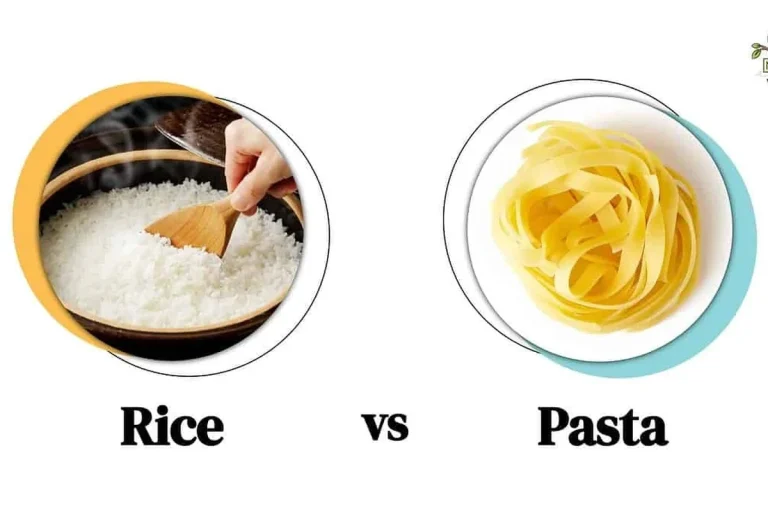
Is Pasta or Pizza Healthier Which One Wins Today

Pasta usually wins if you want the lighter everyday option. Pizza can be just as reasonable when you keep the crust thin and toppings smart.
When people ask is pasta or pizza healthier, the honest answer is simple. It depends on the portion, the toppings, and how the dish is made. In many cases, pasta wins with lighter sauces and whole grains. But pizza can also be the better pick when you keep the crust thin and load up on vegetables.
If you want the short version, think of pasta as easier to keep light. Think of pizza as easier to overeat. Both can fit a balanced meal, but both can also turn heavy fast.
- Portion size matters: Large servings can make either dish less healthy.
- Whole grains help: They usually add more fiber and fullness.
- Pizza can work: Thin crust and vegetables improve the nutrition.
- Pasta can work: Tomato sauce and lean protein keep it lighter.
Is Pasta or Pizza Healthier? The Short Answer
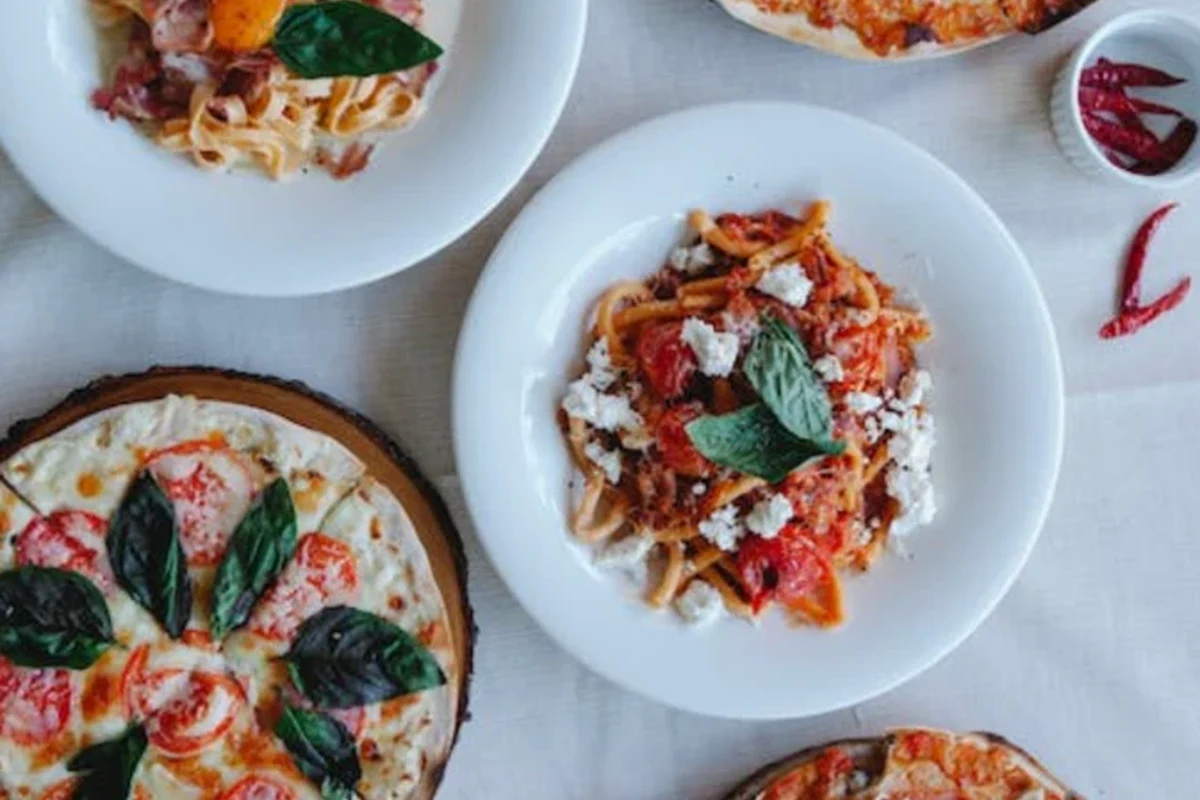
There is no single winner for every meal. The healthier choice usually comes down to how much you eat and what you add on top.
Why the winner depends on portion size and toppings
Pasta starts with a simple base. That makes it easy to pair with tomato sauce, vegetables, beans, or lean protein. Pizza starts with bread, cheese, and sauce all in one bite. That can make calories climb fast.
Still, a huge bowl of creamy pasta can be less balanced than a few slices of veggie pizza. So the base food matters, but the extras matter even more.
Quick verdict for busy readers
Choose pasta if you want more control over calories and sauce. Choose pizza if you can keep the slice count low and pick smart toppings.
In short, pasta often wins for lighter meals. Pizza can win when you want a more filling meal with vegetables and lean protein.
How Pasta and Pizza Compare Nutritionally
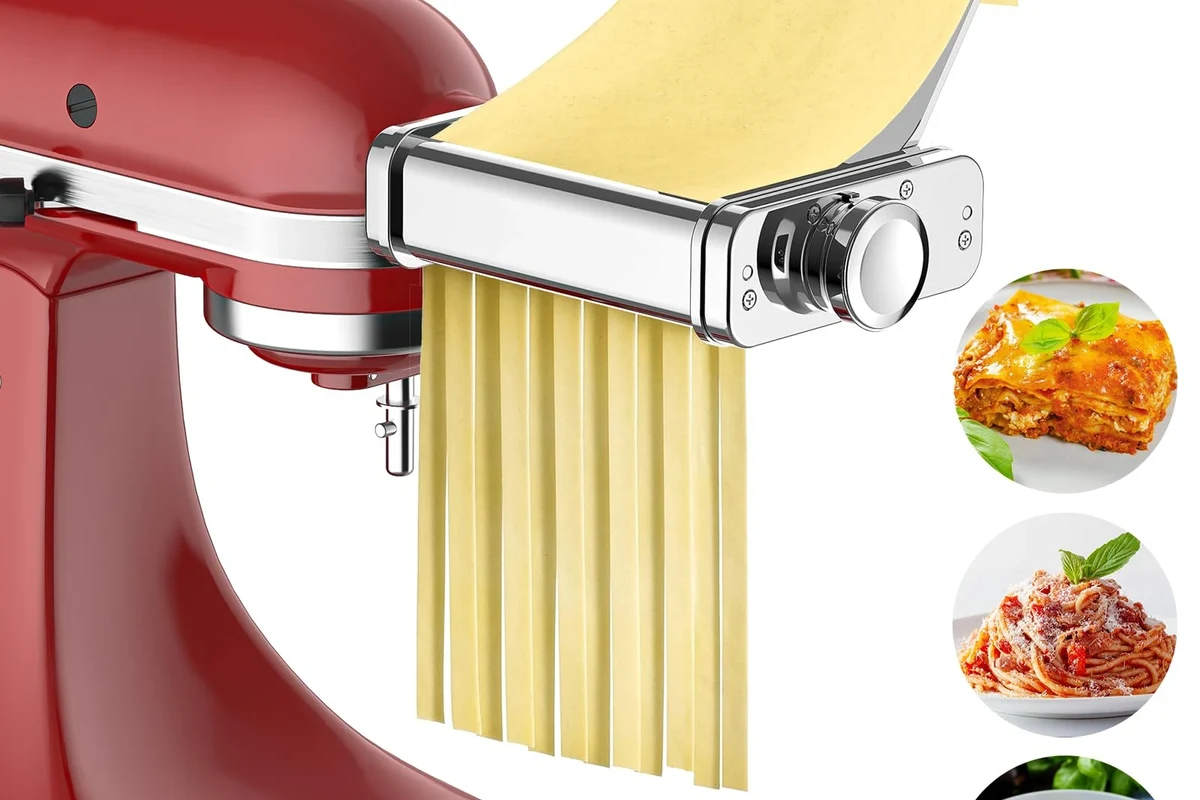
Both foods are mostly carbs at the base. The real nutrition change comes from fat, protein, fiber, and toppings.
The better choice depends on how much crust, cheese, sauce, and protein you use.
Calories, carbs, fat, and protein explained
Pasta is usually higher in carbs and lower in fat before you add sauce. Pizza often has more fat because of cheese and oil. Protein can be low in both unless you add meat, beans, seafood, or extra cheese.
If you want a meal that feels lighter, pasta often gives you that easier. If you want a meal that feels richer, pizza usually does that faster.
How sauce, cheese, and crust change the numbers
Tomato sauce usually keeps calories lower than cream sauce. Cheese adds fat and salt. Thick crust adds more refined flour and more total calories than a thin crust.
Nutrition values can vary a lot by recipe, brand, restaurant, and serving size.
Which one usually has more fiber
Whole grain pasta often has more fiber than white pasta. Pizza can also offer fiber if the crust uses whole grains and the toppings include vegetables. But many standard versions of both foods are low in fiber.
Fiber matters because it helps you feel full longer. It can also help slow how fast carbs hit your blood sugar.
What Makes Pasta a Healthier Choice in Some Cases
Pasta can be the better pick when you want a simple, controlled meal. It also works well when you keep the sauce light.
Whole grain pasta and better blood sugar control
Whole grain pasta usually digests more slowly than white pasta. That can help with steadier energy after the meal. It also gives you more fiber and more lasting fullness.
That said, portion size still matters. A big serving can still push calories and carbs too high.
Simple sauces that keep calories lower
Tomato-based sauces often keep pasta lighter than Alfredo or other cream sauces. Olive oil, garlic, herbs, and vegetables can also build flavor without piling on too much fat.
Use more vegetables than sauce. That adds volume, color, and fiber without much extra heaviness.
Best pasta styles for a balanced meal
Look for pasta meals with vegetables, beans, chicken, tuna, shrimp, or lentils. Those add protein and help the meal feel more complete. Smaller shapes can also make portion control easier.
For example, a bowl of whole grain pasta with tomato sauce and roasted vegetables is often a smart weeknight choice. It feels satisfying without needing a heavy topping.
What Makes Pizza a Healthier Choice in Some Cases
Pizza can be a solid choice when you build it with care. The trick is to treat cheese as a topping, not the whole story.
Thin crust versus thick crust
Thin crust usually means fewer calories per slice than thick crust. It also leaves more room for vegetables and lean protein. Thick crust can be tasty, but it often adds more refined carbs and more total food.
If you like pizza often, thin crust is usually the easier health win.
Vegetable toppings and lean protein choices
Vegetables like peppers, onions, mushrooms, spinach, and tomatoes add fiber and nutrients. Lean protein like chicken can help make the meal more filling. These toppings can balance out the cheese and crust.
Vegetables on pizza can help increase fiber and lower the calorie load per bite.
How to build a better slice
Start with a thin crust if you can. Then choose tomato sauce, moderate cheese, and several vegetable toppings. If you want meat, pick grilled chicken or another lean option instead of processed meat.
That kind of slice can be a balanced meal, especially with a side salad.
Common Mistakes That Make Both Dishes Less Healthy
Most problems come from size and rich toppings. That’s true for both pasta and pizza.
Oversized portions and heavy toppings
Large servings can turn either meal into a high-calorie dinner. Extra cheese, extra sauce, and extra oil can add up fast. Even a healthy base can become less healthy when the portion grows too much.
Too much cheese, cream, or processed meat
Cheese adds flavor, but it also adds fat and salt. Cream sauces can push pasta into richer territory. Processed meats like pepperoni and sausage can raise sodium and saturated fat.
If you manage blood pressure, blood sugar, or heart health, watch sodium and portion size closely.
Skipping vegetables and fiber
Without vegetables, both meals can feel heavy and one-note. Fiber helps with fullness and balance. A plate with more color is usually a better sign than a plate covered in cheese alone.
- Fill half your plate with vegetables when you can.
- Use cheese as a topping, not the main ingredient.
- Pick tomato sauce more often than cream sauce.
How to Choose the Better Option for Your Goals
The best choice depends on what you need from the meal. Some people want lower calories. Others want more energy or a more filling family dinner.
Best choice for weight control
Pasta often has the edge for weight control when you keep the sauce light. It’s easier to portion in a bowl and pair with vegetables. You can also stop at a sensible serving more easily than with pizza.
Pizza can still fit, but it’s easier to keep eating slice after slice.
Best choice for muscle and energy
Both foods can support energy because both are carb-based. For muscle support, the key is protein. Pasta with chicken, beans, or seafood can work very well. Pizza with lean protein and less cheese can also do the job.
If you need a post-workout meal, choose the version with the best protein balance.
Best choice for family meals and quick dinners
Pizza often wins on convenience and crowd appeal. It’s easy to serve, and kids usually like it. Pasta often wins on cost control and flexibility. You can stretch it with vegetables and pantry staples.
Pizza is easy for sharing and quick serving.
Pasta is easy to build into a filling meal.
Healthier Swaps and Easy Ordering Tips
You don’t need a perfect recipe to make either dish better. Small swaps can make a big difference.
Simple pasta swaps that improve nutrition
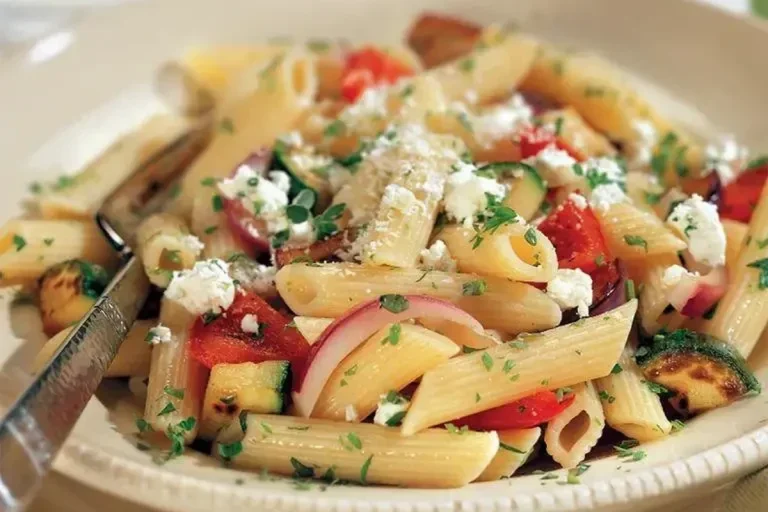
Try whole grain or legume-based pasta for more fiber and protein. Use tomato sauce instead of cream sauce when possible. Add spinach, zucchini, mushrooms, or beans to bulk up the dish.
Keep the oil light and the cheese modest. That keeps the meal more balanced.
Simple pizza swaps that improve nutrition
Choose thin crust when available. Ask for extra vegetables and a little less cheese. Pick grilled chicken, mushrooms, peppers, or onions instead of processed meats.
If the pizza is large, freeze part of it for later. That helps with portion control.
Smart restaurant and takeout choices
At restaurants, look for menu words like grilled, roasted, tomato-based, vegetable, or whole grain. Ask for sauce on the side when you can. For pizza, one or two slices with a salad can be enough for many people.
Final Verdict: Which One Wins Today?
There’s no universal winner, but there is a practical one for most everyday meals. Pasta usually wins when you want the healthier default. Pizza wins when you build it carefully and keep the slices under control.
Transparent recommendation from the Red Kitchen Project Editorial Team
Our editorial view is simple. If you want the easiest path to a lighter meal, choose pasta with whole grains, vegetables, and tomato sauce. If you want pizza, go thin crust with vegetables and lean protein.
When pasta wins and when pizza wins
Pasta wins for lower-fat meals, easy portion control, and flexible healthy add-ins. Pizza wins for shared dinners, strong flavor, and meals where vegetables and lean toppings take center stage.
In short, neither food is automatically better. The healthier choice is the one that fits your portion, your toppings, and your goal for the meal.
Pasta usually wins for a lighter everyday meal, while pizza can win when you choose thin crust, vegetables, and lean protein. Both can be healthy, but your toppings and portion size decide the outcome.
Frequently Asked Questions
Pasta is often the lighter choice when you use whole grains and a simple sauce. Pizza can still be healthy if you keep the crust thin and the toppings smart.
It depends on the serving size and toppings. Pasta usually stays lower in calories with tomato sauce, while pizza can rise fast because of cheese and crust.
Whole grain pasta often has more fiber than standard pizza. Pizza can catch up if you choose a whole grain crust and add plenty of vegetables.
Use whole grain pasta, tomato-based sauce, and vegetables. Add lean protein like chicken, beans, or seafood for a more balanced meal.
Choose thin crust, moderate cheese, and lots of vegetables. Lean protein is a better pick than processed meats like pepperoni or sausage.
Pasta usually has the edge for weight control because it is easier to portion. Pizza can still fit if you stop at a small serving and avoid heavy toppings.