Is White Rice Healthier Than Pasta Find Out Now

Pasta is usually the better everyday choice for fullness and steady energy. White rice can still be healthier for some meals, especially when portions stay moderate.
White rice is not always healthier than pasta, and pasta is not always healthier than white rice. The better choice depends on your goals, your portions, and what you serve with it.
If you want the short answer, pasta often wins for satiety and steady energy. White rice can still fit well, especially when you want a lighter, simple base for a meal.
- Bottom line: Pasta often has a slight edge for fullness.
- Blood sugar: White rice may raise it faster for some people.
- Best meal: Add protein and vegetables to either one.
- Healthiest choice: Portion size matters more than the base alone.
Is White Rice Healthier Than Pasta? The Short Answer

For most everyday eaters, neither one is a clear winner. Both can be part of a healthy diet when you keep portions sensible and build a balanced plate.
The big difference is not just the grain or pasta itself. It’s also the type, the serving size, and the toppings you choose.
What “healthier” really means in this comparison
“Healthier” can mean fewer calories, more fiber, better blood sugar control, or better fullness after a meal. It can also mean easier digestion or a better fit for your family’s routine.
So the right answer changes based on your needs. A runner, a person watching blood sugar, and a parent making a quick weeknight dinner may all choose differently.
Quick verdict for most everyday eaters
For many people, pasta has a slight edge because it often has more protein and more fiber than white rice. That can help you feel full longer.
White rice can still be the better pick when you want a softer texture, a faster-cooking side, or a meal that pairs well with bold sauces.
White Rice vs Pasta: Nutrition Facts That Matter Most
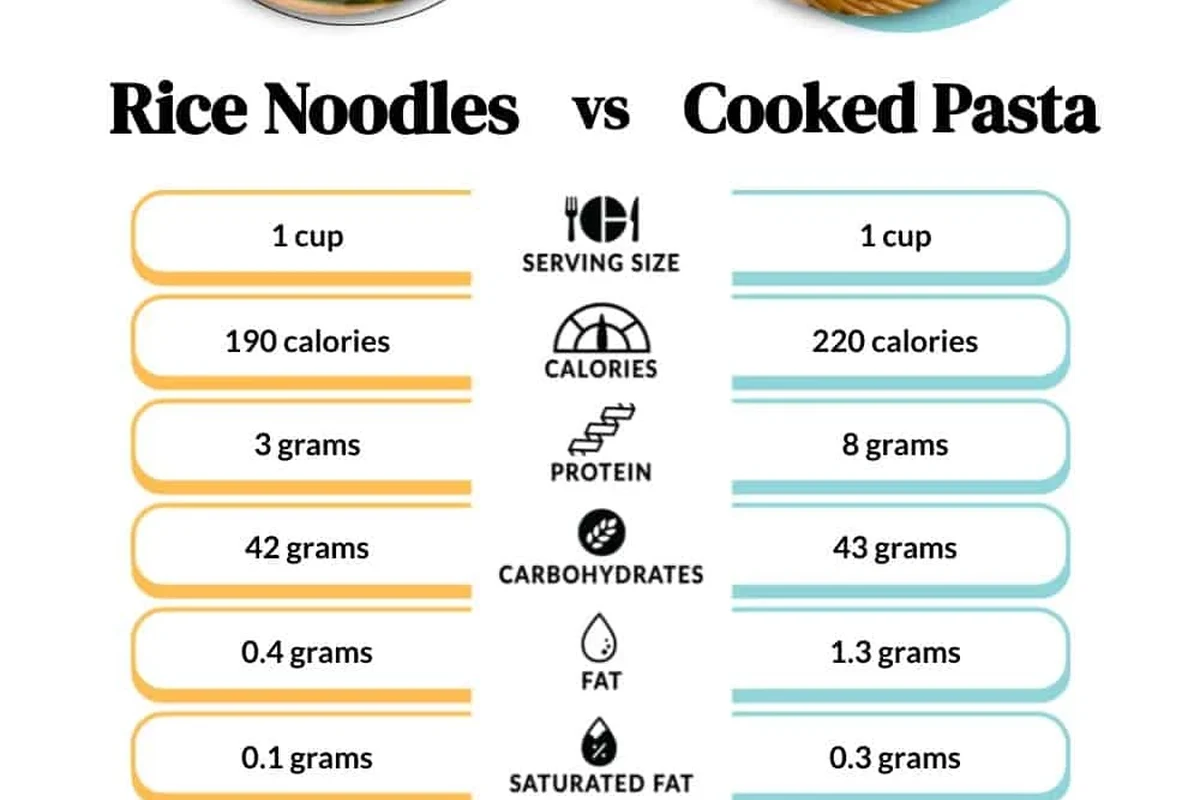
Nutrition labels can look similar at first glance. But the small differences matter once you eat these foods often.
White Rice vs Pasta
The main question is not which one is “good” or “bad.” It’s which one fits your meal best.
Calories, carbs, and serving size
Both foods are mostly carbohydrate. That means both can give you quick fuel, which is useful for active people.
Calories vary by brand and by how you measure the serving. Cooked portions can also be tricky, since a small dry amount can turn into a large bowl.
Nutrition values can change by brand, shape, and cooking method. Always check the package label if you need exact numbers.
Protein, fiber, and satiety
Pasta usually has a bit more protein than white rice. That extra protein can help with fullness.
White rice is usually lower in fiber unless you choose a higher-fiber version. Lower fiber can mean it digests faster, which some people like and others do not.
Adding protein and vegetables to either food often matters more than the base itself.
Vitamins, minerals, and enrichment differences
Many white rice and pasta products are enriched. That means some nutrients get added back after processing.
The exact nutrients vary by product and region. If you want more fiber and a more filling meal, whole grain pasta or brown rice may be a better fit.
How White Rice and Pasta Affect Blood Sugar
Both white rice and pasta can raise blood sugar. The size of the rise depends on the food, the portion, and the rest of the meal.
Why glycemic impact changes from one meal to the next
White rice often digests faster than pasta. That can lead to a quicker blood sugar rise for some people.
Pasta often has a firmer structure, especially when cooked less. That can slow digestion a little, which may help steady energy.
How cooking time and portion size change the result
Longer cooking can make both foods easier to digest. That can also make them act faster in the body.
Portion size matters just as much. A big bowl of either one can push blood sugar higher than a modest serving.
Portion size and meal balance matter more than the base starch alone.
Which option may work better for steady energy
Pasta may work better for steady energy in many cases. It often keeps people full a little longer.
Still, some people digest white rice more comfortably. If that’s you, white rice may be the more practical choice.
Best Uses for White Rice and Best Uses for Pasta
This is where the answer gets more useful. The best food is often the one that fits the meal you’re making.
When white rice makes more sense
White rice makes sense when you want a mild, soft base. It works well with saucy dishes, stir-fries, curries, and simple proteins.
It can also be easier for people who want lower fiber or a gentler texture.
When pasta is the better pick
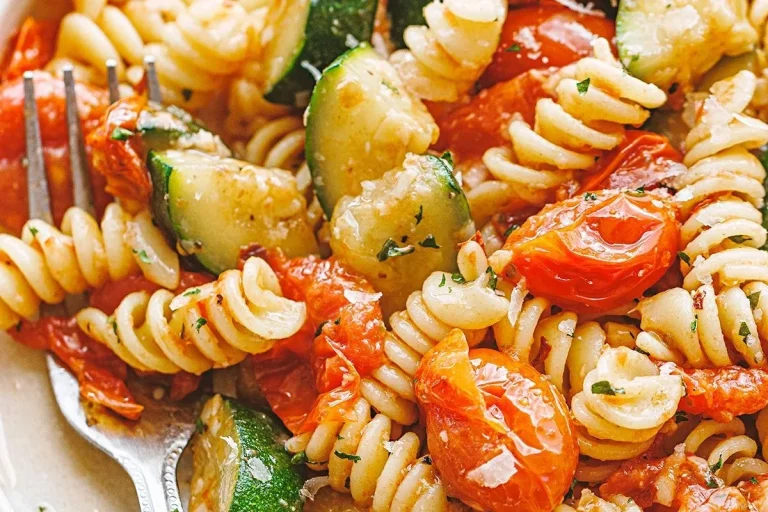
Pasta is a strong choice when you want a more filling meal. It also pairs well with tomato sauce, pesto, roasted vegetables, and lean meat.
For packed lunches, pasta can hold up well if you cool and store it properly.
Who should choose one over the other
If you need steadier fullness, pasta may be the better everyday pick. If you want easy digestion or a lighter side, white rice may fit better.
People with diabetes or specific health needs should look at the full meal, not just the starch. A dietitian can help with personal guidance.
You want more fullness
Pasta often helps meals feel more satisfying.
You want a softer side
White rice can feel lighter and easier to pair.
Common Mistakes That Make Either Choice Less Healthy
Rice and pasta often get blamed unfairly. In many homes, the real issue is how the meal gets built.
Oversized portions
It’s easy to pour too much into the pot or bowl. That can turn a normal side into a very large carb-heavy meal.
Try starting with a smaller scoop. You can always add more if you still need it.
Heavy sauces, fried add-ins, and extra salt
Butter-heavy sauces, creamy dressings, and salty add-ins can change the meal fast. They can add a lot of calories and sodium.
That does not mean you must skip flavor. It just means you should use rich extras with care.
Skipping protein and vegetables
A bowl of plain rice or plain pasta is rarely the best full meal. It’s usually missing protein, fiber, and color.
Add beans, chicken, fish, tofu, eggs, or vegetables to make the meal more balanced.
- Fill half your plate with vegetables.
- Add a palm-sized protein serving.
- Use sauce for flavor, not as the whole meal.
Health Benefits and Limits of Each Option
Both foods have real benefits. Both also have limits. That’s normal for staple foods.
White rice benefits and drawbacks
White rice cooks fast and tastes mild. That makes it easy to serve with many meals.
The downside is that it usually has less fiber than whole grain choices. It may also leave some people hungry sooner.
- Quick to cook and easy to digest
- Pairs well with many dishes
- Good when you want a soft texture
- Usually lower in fiber
- May feel less filling
- Can raise blood sugar faster for some people
Pasta benefits and drawbacks
Pasta often gives a bit more protein and can feel more satisfying. It also works well for meal prep.
The downside is that creamy sauces and huge portions can make it much less healthy. Refined pasta can also be low in fiber.
How whole grain, brown rice, and veggie add-ins change the picture
Whole grain pasta and brown rice usually offer more fiber. That can help with fullness and digestion for many people.
Veggie-based add-ins also help a lot. Think spinach, mushrooms, peppers, peas, broccoli, or zucchini.
How to Make Either Meal Healthier at Home
You do not need a total diet overhaul. Small changes can make either choice a lot better.
Simple plate-building tips for balance
Use a simple plate plan. Start with the starch, then add protein and vegetables.
That keeps the meal more balanced and often helps with appetite control.
Lean protein
Vegetables
Simple sauce
Better sauces, toppings, and sides
Choose tomato sauce, broth-based sauces, olive oil, herbs, garlic, or lemon for lighter flavor. These options often keep the meal from feeling heavy.
Try roasted vegetables, beans, grilled chicken, tuna, tofu, or a fried egg on top. Small add-ons can improve both taste and nutrition.
Easy swaps for more fiber and protein
Use whole wheat pasta when you want more fiber. Try brown rice when you want a more filling grain.
You can also mix white rice with beans or mix pasta with vegetables. That keeps the meal familiar while improving its nutrition.
- Keep portions moderate
- Add protein and vegetables
- Choose lighter sauces when possible
- Turning the starch into the whole meal
- Using heavy sauce on a huge portion
- Ignoring hunger cues after the first serving
Final Recommendation: Which One Should You Choose?
If you want the most filling option for everyday meals, pasta usually has the edge. If you want a softer, simpler base, white rice is still a solid choice.
Best choice for weight control, energy, and family meals
For weight control, the better option is the one you can portion well and pair with protein and vegetables. For steady energy, pasta often does a little better.
For family meals, white rice may be easier because it fits so many dishes and picky eaters often accept it well.
Bottom-line verdict from the Red Kitchen Project Editorial Team
White rice is not automatically healthier than pasta. For most people, pasta is a slightly better everyday pick because it often provides more fullness.
Still, white rice can be the better choice for certain meals and certain stomachs. The healthiest option is the one you serve in a balanced way and enjoy often.
Pasta usually wins for fullness and steady energy, but white rice is still a smart choice when you want a light, flexible base. Your best result comes from moderate portions, lean protein, and plenty of vegetables.
Frequently Asked Questions
Not always. Pasta often has a small edge because it can be more filling, but both can fit a healthy diet.
Pasta usually has a little more fiber than white rice. Whole grain versions of either option give you more fiber.
White rice often raises blood sugar faster for many people. Portions, cooking time, and the rest of the meal can change that result.
The better choice is the one you can portion well and pair with protein and vegetables. Pasta may help with fullness, but serving size matters most.
Add lean protein, vegetables, and a lighter sauce. Keep portions moderate and choose whole grain options when you want more fiber.
It depends on the full meal and the person. Many people do better with smaller portions, more fiber, and guidance from a dietitian or clinician.