Is Tuna Pasta Salad Healthy A Simple Guide

Yes, tuna pasta salad can be healthy when you keep the dressing light and add vegetables. It gets less healthy when mayo, cheese, salt, and portion size grow too much.
Yes, tuna pasta salad can be healthy. It depends on the pasta, tuna, dressing, and portion size. A simple homemade version can give you protein, carbs, and veggies in one easy meal.
- Balanced meal: Tuna adds protein, while pasta gives useful energy.
- Biggest risk: Heavy mayo and large portions raise calories fast.
- Better choice: Whole grain pasta and vegetables improve fiber and fullness.
- Safety matters: Keep mayo-based salad cold and don’t leave it out too long.
Is Tuna Pasta Salad Healthy? The Short Answer

The short answer is yes, but not always. Tuna pasta salad can be a balanced meal when you keep the mayo light and add vegetables.
It can also turn into a heavy dish fast. The difference usually comes down to how much pasta, dressing, and cheese you use.
What “healthy” really means for this dish
Healthy does not mean low in calories only. For tuna pasta salad, it usually means a good mix of protein, fiber, energy, and flavor.
A healthier bowl should help you feel full without loading up on extra fat or salt. It should also fit your day, whether you need lunch, dinner, or meal prep.
When tuna pasta salad can be a smart choice
Tuna pasta salad works well when you want a fast meal with staying power. Tuna brings protein, and pasta gives you quick energy.
Add vegetables, and you get more fiber and color too. That makes the dish more filling and more useful for busy weekdays.
When it can turn into a high-calorie meal
The dish gets heavier when the dressing takes over. Mayo, cheese, and creamy sauces can push calories up fast.
Large pasta portions can do the same. If you eat a big bowl without vegetables, it may feel more like a rich side dish than a balanced meal.
What Goes Into Tuna Pasta Salad

The ingredients matter more than the name of the dish. Two tuna pasta salads can look alike and still have very different nutrition.
Core ingredients and their role
Most versions start with pasta, tuna, and dressing. Then cooks add extras like celery, peas, onion, corn, or pickles.
Each ingredient plays a different role. Pasta gives bulk, tuna adds protein, and dressing ties everything together.
Provides carbs and makes the salad more filling.
Adds lean protein and a savory flavor base.
Brings moisture, but can add fat and sodium.
How pasta, tuna, mayo, and add-ins change nutrition
White pasta is common, but it offers less fiber than whole grain pasta. Whole grain options usually help you feel full longer.
Tuna adds protein without much carbs. Mayo adds creaminess, but it also adds fat and calories quickly.
Veggies change the balance in a good way. They add crunch, color, and nutrients without many extra calories.
Common store-bought versions versus homemade versions
Store-bought tuna pasta salad often tastes richer. That usually means more dressing, salt, and sometimes sugar.
Homemade versions give you more control. You can use less mayo, more vegetables, and a better pasta choice.
Nutrition can vary a lot by brand, recipe, and serving size. Always check the label if you buy a prepared version.
Nutrition Breakdown You Should Know
You do not need exact numbers to make a better choice. You just need to know which parts of the bowl matter most.
Calories, protein, carbs, and fat at a glance
Pasta brings most of the carbs. Tuna brings most of the protein. Dressing usually brings most of the fat.
That mix can work well for lunch or dinner. The balance changes based on how much of each ingredient you use.
How sodium and added fat affect the meal
Sodium often comes from tuna, dressing, pickles, olives, or seasoning blends. Too much sodium can make the meal less heart friendly for some people.
Added fat mostly comes from mayo, oil, cheese, and creamy sauces. Small amounts can be fine, but large amounts can make the salad much richer.
Why portion size matters more than most people think
Portion size changes everything. A modest bowl can feel balanced, while a large serving can turn into a heavy meal.
It helps to think about the whole plate. If the salad lacks vegetables, fruit, or a side salad, the meal may feel less complete.
Portion size and dressing usually matter more than the tuna itself.
Health Benefits of Tuna Pasta Salad
There are real upsides here. When made well, tuna pasta salad can be simple, filling, and useful.
Protein for fullness and muscle support
Tuna is the main reason many people like this dish. Protein helps you stay full longer than a carb-only meal.
That can be helpful if you need a lunch that holds you through the afternoon. It also makes the salad a better fit for active days.
Easy meal prep for busy weeks
This dish is easy to pack and serve cold. That makes it handy for work lunches, school meals, or quick dinners.
You can make a batch ahead of time and portion it out. Just keep food safety in mind when you store it.
How vegetables can boost fiber and nutrients
Vegetables make the salad more than pasta and tuna. They add fiber, vitamins, and a better bite.
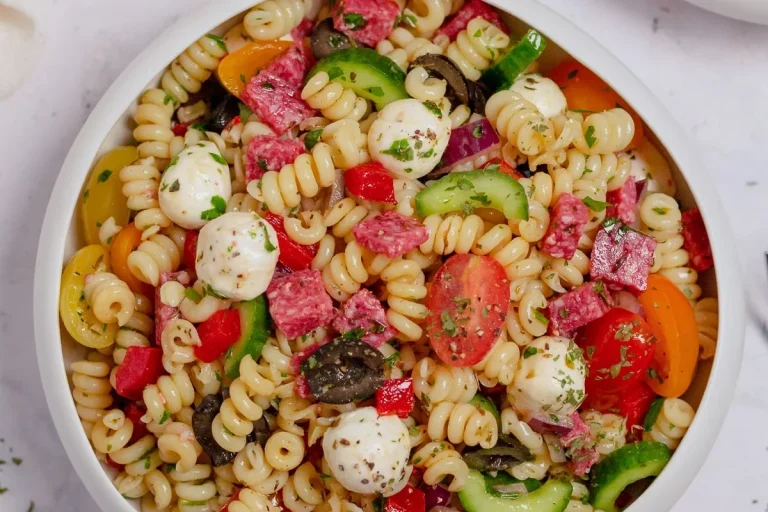
For example, peas, celery, bell pepper, and cherry tomatoes all work well. They also help the dish feel fresher and less heavy.
Mixing in crunchy vegetables can make a salad feel more satisfying without adding many calories.
Limits and Health Concerns
Even good foods have limits. Tuna pasta salad has a few things worth watching.
Mercury in tuna and who should watch it
Tuna can contain mercury, and that matters for some people. Children, pregnant people, and those who eat tuna often should pay closer attention.
Different tuna types can have different mercury levels. Check trusted food safety guidance and follow serving advice for your situation.
Heavy dressings and refined pasta
Heavy dressings can hide a lot of extra fat. Refined pasta can also make the meal less filling than whole grain pasta.
That does not make the dish bad. It just means the recipe can slip from light lunch to rich comfort food very fast.
Food safety risks with mayo and storage
Cold salads need careful storage. Mayo-based salads should not sit out too long in warm rooms or at picnics.
Keep leftovers chilled and use clean tools when serving. If the salad smells off, looks odd, or sat out too long, throw it out.
Follow food safety rules for chilled salads. When in doubt, do not eat tuna pasta salad that has been left out too long.
How to Make Tuna Pasta Salad Healthier
You do not need a full recipe overhaul. A few smart swaps can make a big difference.
Best pasta choices for better balance
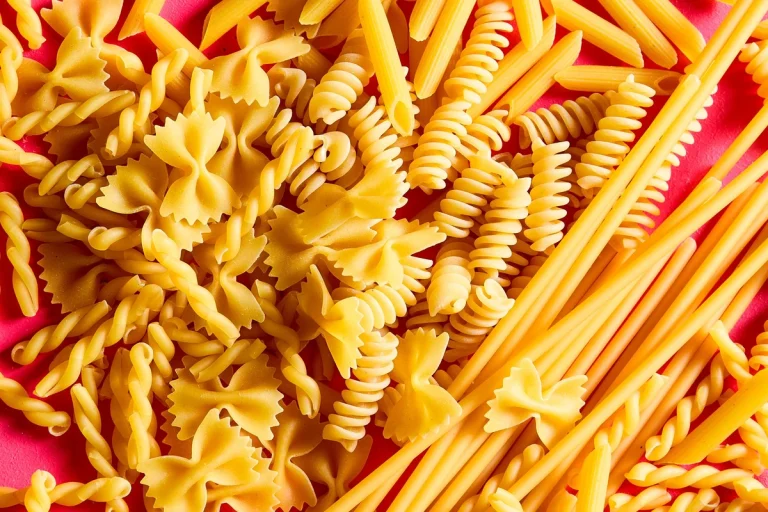
Whole wheat pasta usually gives you more fiber than white pasta. Chickpea or lentil pasta can also add more protein.
If you prefer regular pasta, that’s fine too. Just pair it with more vegetables and a lighter dressing.
Smart tuna picks and safe serving sizes
Choose tuna packed in water if you want a lighter base. Tuna packed in oil can work too, but it usually adds more fat.
Keep the tuna portion sensible. You want enough for protein, but not so much that the salad feels dry or overly fishy.
Healthier dressings and flavor boosters
You can cut mayo with plain yogurt or a little olive oil and lemon juice. That keeps the salad creamy without going overboard.
Mustard, herbs, pepper, garlic powder, and lemon zest can add a lot of flavor. These small touches help you use less dressing overall.
- Mix in dressing slowly so you don’t overdo it.
- Taste before adding more salt.
- Chill the salad before serving for better texture.
Veggie add-ins that improve texture and nutrition
Vegetables make the biggest upgrade. They add crunch, color, and more volume for fewer calories.
Good choices include celery, cucumber, peas, red onion, carrots, spinach, and bell pepper. Use what you like and what you already have.
Tuna
Light dressing
Fresh vegetables
Common Mistakes That Make It Less Healthy
Most problems come from a few easy habits. The good news is that they’re easy to fix.
Using too much mayo or cheese
Too much mayo is the fastest way to make the salad heavy. Cheese can do the same, even in small-looking amounts.
If you want creaminess, start with less and add more only if needed. A little goes farther than most people think.
Skipping vegetables and fiber
A pasta salad with tuna only is less balanced. It can still taste good, but it will usually be less filling.
Vegetables help slow down how fast you eat and how fast you get hungry again. That matters more than people often realize.
Ignoring sodium and portion control
Salt can add up fast in canned tuna, pickles, olives, seasoning, and dressing. If you eat tuna pasta salad often, that matters.
Portion control matters too. A huge serving can undo the benefits of a fairly simple ingredient list.
- Use more vegetables than dressing.
- Choose a tuna and pasta mix that fits your goals.
- Store leftovers cold and eat them soon.
- Turning the salad into a mayo-heavy bowl.
- Using tuna pasta salad as a giant portion.
- Leaving it out at room temperature too long.
Final Verdict: Is Tuna Pasta Salad Healthy for You?
Tuna pasta salad can be a healthy choice when you build it with care. It works best when you keep the dressing light, add vegetables, and watch the portion.
Best for quick lunches, meal prep, and balanced plates
This dish is a strong pick for busy people. It is easy to make ahead, easy to pack, and easy to adjust.
If you want a simple lunch that gives you protein and carbs, it can fit well. Add a side of fruit or extra vegetables for a more complete meal.
Who should limit it or make changes
Some people should be more careful with tuna intake because of mercury concerns. Others may need to watch sodium, fat, or food safety more closely.
If you need a low-salt meal, a lighter dressing and low-sodium tuna can help. If you want more fiber, use whole grain pasta and more vegetables.
Simple recommendation from the Red Kitchen Project Editorial Team
Our view is simple. Tuna pasta salad is healthy enough for many people when it’s homemade, balanced, and served in a sensible portion.
If you buy it ready-made, check the label and keep an eye on sodium and dressing. If you make it yourself, you get the best control over taste and nutrition.
- Tuna pasta salad can be healthy with the right balance.
- Veggies, lighter dressing, and smart portions make the biggest difference.
- Watch sodium, mercury, and food safety if you eat it often.
Frequently Asked Questions
Yes, it can be a healthy lunch when you keep the dressing light and add vegetables. A sensible portion helps it stay balanced and filling.
Heavy mayo, large pasta portions, and lots of cheese can raise calories fast. High sodium and a lack of vegetables can also make it less balanced.
Yes, it works well for meal prep because it stores and serves easily. Keep it chilled and follow food safety guidance for cold salads.
Whole wheat pasta is a good choice because it adds more fiber. Chickpea or lentil pasta can also work if you want more protein.
Use less mayo, add plain yogurt or lemon juice, and mix in more vegetables. Choosing tuna in water can also help keep it lighter.
Cold salads should not sit out too long at room temperature. If it has been left out for an unsafe amount of time, it is best to throw it away.