Is Tri Color Pasta Healthier Than Regular Pasta

Tri color pasta is not automatically healthier than regular pasta. The best choice depends on the flour, fiber, protein, and ingredients on the label.
Tri color pasta is not always healthier than regular pasta. In many cases, the nutrition is very close, and the real difference comes from the ingredients, the brand, and what you serve with it.
If you want the short answer, tri color pasta can be a nice choice for color and variety. But if you want the most nutrition, whole wheat or legume pasta often gives you more fiber and protein.
- Color is not proof: Tri color pasta can look healthier without adding much nutrition.
- Label matters most: Fiber, protein, and flour type tell you more than the color.
- Whole wheat often wins: It usually gives more fiber than tri color or regular pasta.
- Great for meals: Tri color pasta works well in salads, casseroles, and family dinners.
Is Tri Color Pasta Healthier Than Regular Pasta? The Short Answer
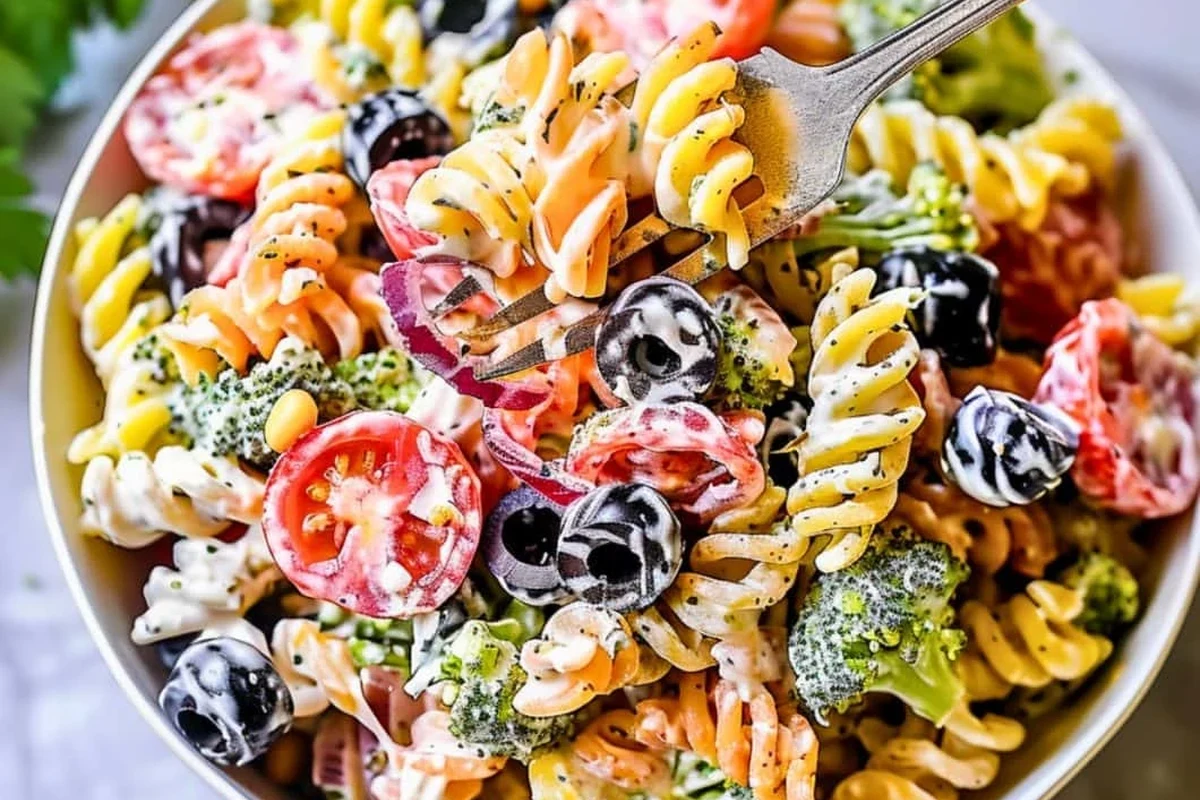
Tri color pasta looks more exciting, but color alone does not make it healthier. The spinach and tomato in many blends add a little plant material, yet the base is still usually refined wheat pasta.
That means the nutrition gap is often small. In short, tri color pasta can be a fun swap, but it is not automatically the best health pick.
What “healthier” really means for pasta
When people ask if pasta is healthier, they usually mean a few different things. They may want fewer calories, more fiber, more protein, or better blood sugar support.
They may also care about simple ingredients and how filling the pasta feels after a meal. Those goals do not always point to the same product.
Quick answer for busy readers
Tri color pasta is often about the same as regular pasta in calories and carbs. It may have a few extra plant compounds, but the gain is usually small.
If you want the best nutrition, choose the pasta that gives you more fiber, more protein, and fewer extra additives. In short, the label matters more than the color.
What Tri Color Pasta Is Made Of
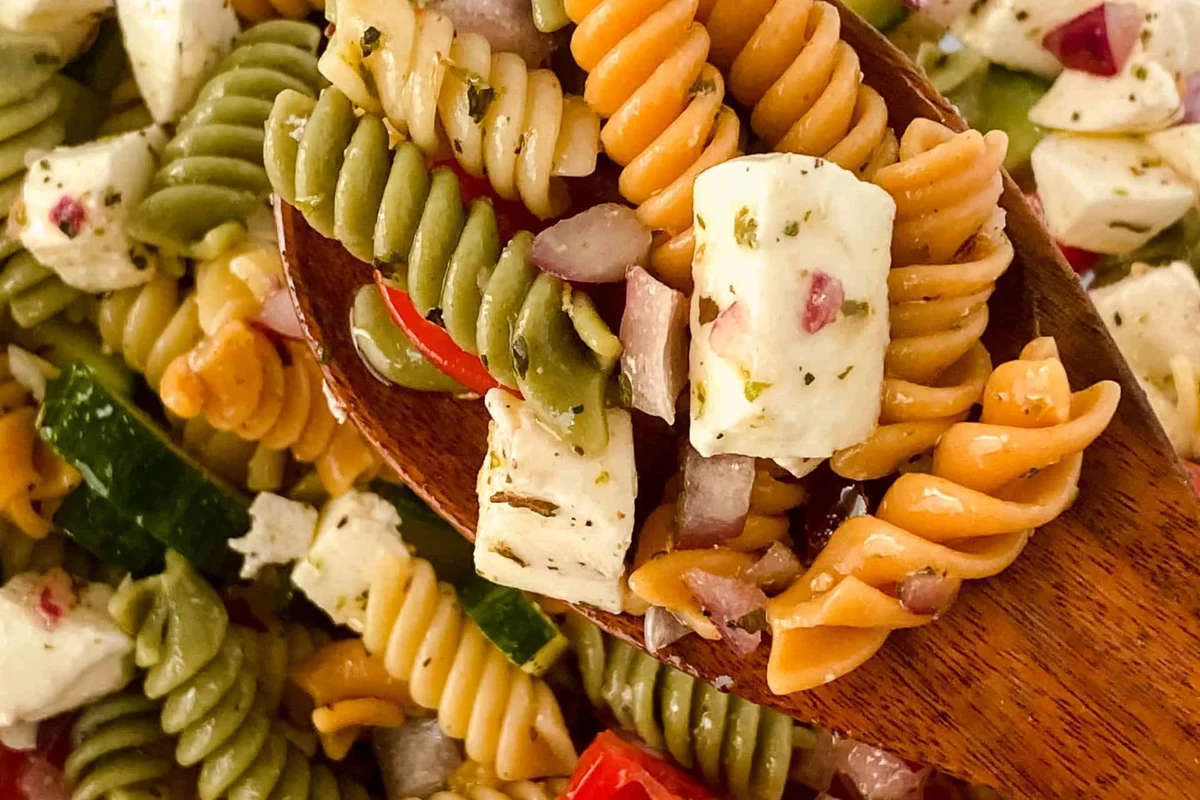
Tri color pasta usually starts with the same wheat flour used in regular pasta. Then the maker adds spinach powder, tomato powder, or both for color.
Some brands use natural vegetable powders. Others may use coloring ingredients that change the look more than the nutrition.
Common ingredients in tri color pasta
Most tri color pasta includes a short list of pantry-style ingredients. A typical box may include:
- Durum wheat semolina or enriched wheat flour
- Spinach powder or spinach puree
- Tomato powder or tomato paste powder
- Water
- Sometimes added vitamins or minerals
The exact mix changes by brand. That is why two boxes can look similar and still have different nutrition.
How spinach and tomato change the look more than the nutrition
Spinach and tomato give tri color pasta its green and red shades. They also add a small amount of plant nutrients.
Still, the amount is often modest. Once the pasta is mixed and dried, the vegetable content can be low compared with a full serving of spinach or tomatoes.
Many tri color pastas use vegetable powders for color, not large amounts of fresh vegetables.
How regular pasta is made
Regular pasta is usually made from wheat flour and water. Some types also use eggs.
It can be enriched with vitamins and minerals. That means regular pasta may already have useful nutrients even without added vegetables.
Nutrition Comparison: Tri Color Pasta vs Regular Pasta
The nutrition gap between tri color pasta and regular pasta is often smaller than people expect. The biggest changes usually come from the flour type, not the color blend.
For many brands, both pastas are similar in calories, carbs, and protein. Fiber and micronutrients may shift a little, but not always in a big way.
Calories, carbs, protein, and fiber
Most dry pasta products have a similar base. That means calories and carbs often stay close from one style to another.
Protein may also stay similar if both use wheat semolina. Fiber can vary more if one brand uses whole grain flour or added fiber.
| Option | Best For | Key Consideration |
|---|---|---|
| Tri color pasta | Colorful meals and family appeal | Nutrition depends on the base flour |
| Regular pasta | Simple, flexible everyday cooking | May be just as nutritious |
| Whole wheat pasta | More fiber and fuller meals | Texture and taste differ |
Vitamins and minerals you may see on the label
Some regular pastas are enriched with B vitamins and iron. That can make them a strong basic food choice.
Tri color pasta may add a little from spinach or tomato powders. But the label is the only safe way to know how much is really there.
Why brand and recipe matter a lot
One brand may use enriched semolina. Another may use whole wheat flour or a vegetable blend with more fiber.
That is why you should compare boxes directly. Two pastas with the same name can still have very different nutrition.
Nutrition can vary by brand, country, and flour type. Always check the box you plan to buy.
When Tri Color Pasta Can Be a Better Choice
Tri color pasta can still be a smart pick in real kitchens. It may not win on pure nutrition, but it can help people eat better in practical ways.
That matters more than many shoppers think. A meal people actually enjoy is often easier to repeat.
How it can help with meal appeal and portion control
Color makes pasta look more lively. That can make a simple dinner feel more complete without much extra work.
It can also help you serve a meal in a more balanced way. A colorful plate with vegetables and lean protein often feels more satisfying.
Why it may work well for family meals and picky eaters
Kids and picky eaters often notice color right away. Tri color pasta can make dinner feel fun without a big recipe change.
If a child resists vegetables, this pasta may be a gentle step forward. It is not a full vegetable swap, but it can make meals feel less boring.
Best uses in salads, casseroles, and weeknight dinners
Tri color pasta works well in cold pasta salads. The color holds up nicely and makes the bowl look fresh.
It also fits baked dishes and fast skillet meals. If you want a meal that looks good with little effort, this pasta can help.
- Adds color without much extra cooking work
- Can make simple meals feel more appealing
- Works well in salads, bakes, and quick dinners
Limits and Drawbacks to Know Before You Buy
Tri color pasta has limits, and they matter if nutrition is your main goal. The bright look can make it seem healthier than it really is.
That does not mean it is a bad choice. It just means you should know what you are buying.
Why tri color pasta is not always more nutritious
The added vegetable powders are often small. They usually do not turn pasta into a major source of vegetables.
If the base flour is refined, the pasta may still be low in fiber. In that case, it may not keep you full as long.
Added ingredients, sodium, and dye concerns to check
Some brands keep the ingredient list short. Others add salt, flavoring, or color ingredients you may want to avoid.
Check the label if you want a cleaner product. If you have food allergies or strong ingredient preferences, read the full list with care.
If you have a food allergy or sensitivity, check every ingredient list carefully. Recipes and factory lines can vary by brand.
When regular pasta or whole wheat pasta may be the better pick
Regular pasta can be a better choice if you want a simple, low-cost staple. It often gives you the same cooking results with less fuss.
Whole wheat pasta may be the better pick if fiber matters most. Legume pasta can also be a strong choice if you want more protein.
- Colorful and easy to serve
- Can make meals more appealing
- Usually cooks like standard pasta
- Not always more nutritious
- May still be low in fiber
- Some brands use extra additives
How to Choose a Better Pasta in 2026
Smart pasta shopping is less about buzzwords and more about the label. In 2026, the best choice is still the one that fits your health goals, budget, and cooking style.
That means comparing ingredients, fiber, protein, and portion size before you buy.
Ingredient list tips for smarter shopping
Look for a short ingredient list when you want a simple product. Wheat flour, water, and vegetable powders are easy to understand.
If you want more nutrition, look for whole grain flour or legume flour. Those ingredients often bring more fiber or protein than color alone.
- Check the first flour listed
- Look for fiber and protein totals
- Read the full ingredient list
- Compare serving sizes
What to look for on the nutrition label
Start with fiber. More fiber usually helps pasta feel more filling.
Then check protein and sodium. If one box looks healthier but has little fiber, it may not be the best match for your goals.
- Compare labels by serving, not by box size
- Choose whole grain if fullness matters most
- Pair pasta with vegetables and protein
Budget, value, and portion size decisions
Tri color pasta can cost a little more than plain pasta, depending on the brand. Sometimes you pay for the look more than the nutrition.
If you cook for a crowd, plain pasta may give you better value. If presentation matters, tri color pasta may be worth it for special meals.
Common Mistakes People Make With Tri Color Pasta
Most pasta mistakes are simple. They are easy to fix once you know what to watch for.
Here are the ones that matter most when you want better results and better nutrition.
Assuming color means more health benefits
This is the biggest mistake. Bright pasta can look healthy even when it is mostly refined flour.
Do not let the color do the talking for the label. The ingredient list tells the real story.
Overcooking and losing texture
Tri color pasta can turn soft fast if you cook it too long. That can make it less pleasant in salads and baked dishes.
Follow the package directions, then taste it near the end. A little firmness usually works best.
Using heavy sauces that cancel out the benefits
A creamy sauce can add a lot of calories and fat. That can drown out the small nutrition edge you hoped to get.
Try tomato sauce, olive oil, herbs, or roasted vegetables instead. Those choices keep the meal lighter and fresher.
- Pair pasta with vegetables and lean protein
- Cook until just tender
- Use lighter sauces when possible
- Choosing pasta based on color alone
- Overcooking until mushy
- Loading it with rich sauce every time
Final Verdict: Should You Choose Tri Color Pasta?
Tri color pasta is a good choice if you want a fun look and easy family meals. It can make dinner feel more inviting, especially for salads, casseroles, and quick weeknight dishes.
But if you want the healthiest pasta, tri color is not always the winner. Whole wheat pasta or legume pasta often offers more fiber, more protein, and a bigger nutrition boost.
Best for flavor, looks, and easy meals
Choose tri color pasta if you care about presentation and simple meal appeal. It is a nice way to make basic pasta feel a little special.
Best for nutrition-focused shoppers
Choose whole wheat or legume pasta if your main goal is better nutrition. Those options usually give you more of what people want from a healthier pasta.
Clear recommendation from the Red Kitchen Project Editorial Team
Our editorial view is simple. Tri color pasta is a good everyday option, but it is not automatically healthier than regular pasta.
If you like the look and the taste, go for it. If nutrition is the priority, compare labels and choose the pasta with more fiber, more protein, and fewer extra ingredients.
Tri color pasta is best for color, ease, and family appeal. For the strongest nutrition, whole wheat or legume pasta is usually the better pick.
Frequently Asked Questions
Not always. Tri color pasta often has a similar nutrition profile to regular pasta, and the main difference is usually the added color from spinach or tomato powders.
Tri color pasta usually adds vegetable powders or purees for color. The base is still often wheat flour, so the nutrition can stay very close.
Sometimes, but not by much unless the recipe uses whole grain flour. Always check the nutrition label because fiber varies by brand.
Often yes, because whole wheat pasta usually has more fiber. That can help with fullness and may be a better fit for nutrition-focused shoppers.
Check the first flour listed, the fiber and protein totals, and the full ingredient list. Also look for sodium and any additives you want to avoid.
Pair it with vegetables, lean protein, and a lighter sauce. That usually makes the meal more balanced than pasta alone.