Does Tahini Paste Need to Be Refrigerated for Freshness

Tahini paste does not always need refrigeration after opening. The fridge is the better choice if you want the best freshness, especially for slow use.
Yes, tahini paste can often stay in the pantry after opening, but the fridge is the safer choice for longer freshness. If you use it slowly, or your kitchen runs warm, refrigeration helps keep it tasting better for longer.
- Pantry storage can work: Keep tahini cool, dark, sealed, and dry.
- Refrigeration helps freshness: It slows stale flavor and works well for slow use.
- Oil separation is normal: Stir it back in before using the paste.
- Bad signs matter most: Sour smell, mold, or odd taste means toss it.
Does Tahini Paste Need to Be Refrigerated? The Short Answer

The short answer is no, not always. Many tahini jars can stay at room temperature if the lid stays tight and the jar stays clean.
That said, refrigeration usually slows down flavor changes and helps protect quality after opening. The best choice depends on the brand, the label, and how fast you use it.
What tahini is and why storage matters
Tahini is a paste made from ground sesame seeds. It has a high oil content, which gives it a rich taste and a smooth feel.
Because it contains natural oil, tahini can change over time. Heat, light, air, and moisture can all make it lose quality faster.
In short: tahini lasts well, but storage still matters.
When tahini can stay in the pantry
Many tahini jars are fine in the pantry after opening. This works best when you use the jar often and keep it sealed well.
A cool, dark cabinet is usually the best pantry spot. Keep it away from the stove, dishwasher, and sunny windows.
If the label says to refrigerate after opening, follow that advice. Brand instructions always come first.
When refrigeration is the safer choice
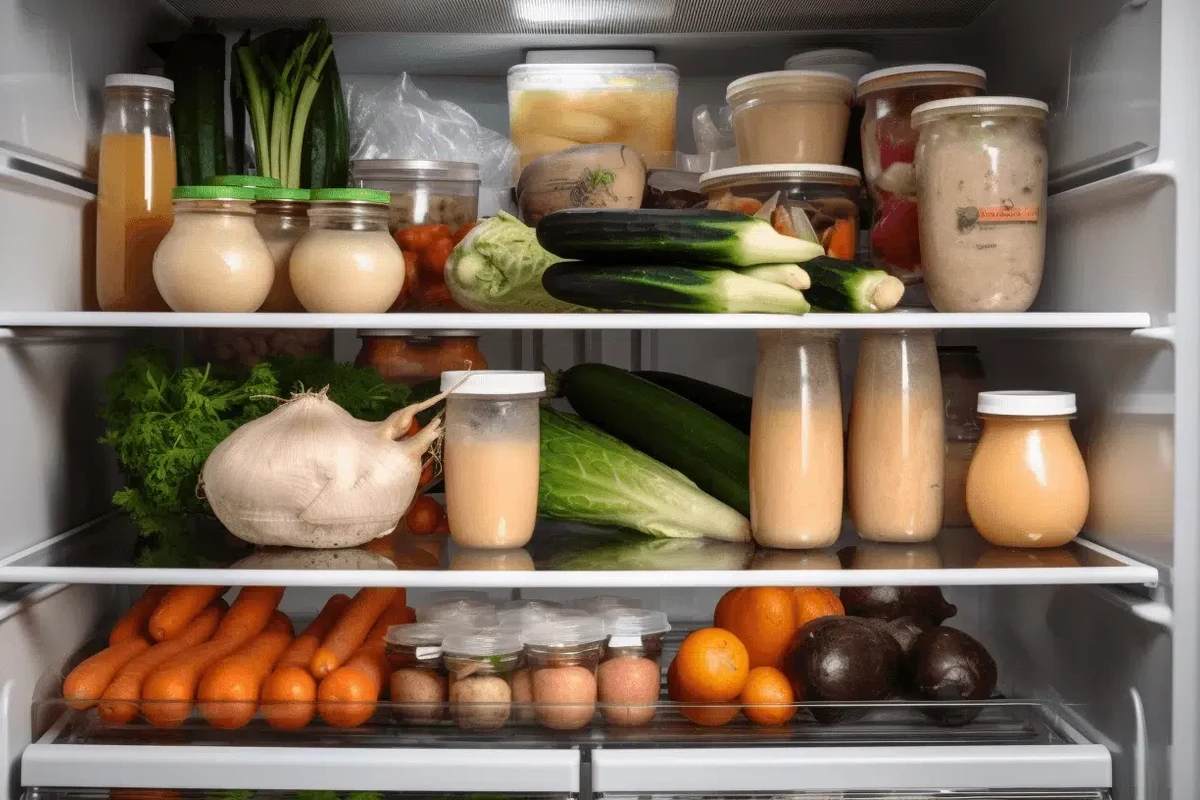
The fridge is the better pick if you use tahini slowly. It also helps in warm homes or humid kitchens.
Refrigeration can help slow oil rancidity. It may also reduce the chance of off flavors during long storage.
If a jar smells sour, looks moldy, or tastes badly off, do not use it. When in doubt, throw it out.
How Tahini Stays Fresh: Ingredients, Oil, and Shelf Life
Tahini freshness depends on more than the date on the label. The seed type, oil level, and added ingredients all affect how it keeps.
Some jars stay smooth and fresh for months. Others need colder storage sooner.
How sesame oil affects texture and spoilage
Sesame oil gives tahini its soft texture. It also rises to the top as the jar sits.
That separation is normal. It does not mean the tahini has gone bad.
However, oil can slowly turn stale if the jar sits too long in heat or air. That is why tight storage helps so much.
What changes in opened vs unopened tahini
Unopened tahini usually lasts longer because less air has reached the paste. The seal also helps protect the oil from early changes.
Once opened, the paste is exposed to air, spoons, and kitchen moisture. That means quality can fade sooner.
Opened tahini can still last a long time. The exact time depends on the brand and storage conditions.
How labels, brands, and additives change storage needs
Some tahini is made with only sesame seeds. Other jars include added oils, salt, or stabilizers.
These extras can change texture and shelf life. So can the roasting level and how finely the seeds were ground.
Always check the jar label first. Some brands clearly say “refrigerate after opening,” while others do not.
How to Store Tahini the Right Way in 2026
Good storage is simple. You just need a clean spoon, a tight lid, and the right place in your kitchen.
Small habits make a big difference in how long tahini stays smooth and tasty.
Best pantry storage habits
Store tahini in a cool, dark cabinet. Keep it away from heat, steam, and direct sun.
Close the lid tightly after each use. Wipe the rim if paste builds up there.
Use a clean, dry spoon every time. That helps keep moisture out of the jar.
Best fridge storage habits
Put the jar on a middle shelf, not in the door. The temperature there stays steadier.
Let the lid cool fully before sealing if the jar was near heat. That can help limit extra moisture.
Fridge tahini may thicken. That is normal and does not mean it spoiled.
How to keep tahini smooth and easy to stir
Tahini often gets thicker in the fridge. Before using it, let it sit at room temperature for a bit.
Stir from the bottom of the jar to mix the oil back in. A sturdy spoon or small spatula works well.
- Stir tahini before the first use after storage.
- Keep the rim clean to help the lid seal well.
- Use smaller jars if you cook with tahini only now and then.
Signs Your Tahini Paste Has Gone Bad
Tahini does not always spoil in an obvious way. Sometimes the first clue is a strange smell or taste.
Trust your senses. They are often the best guide.
Smell, taste, and color changes to watch for
Fresh tahini smells nutty and mild. Bad tahini may smell sharp, stale, or sour.
The taste should be rich and earthy. If it tastes bitter, sour, or paint-like, stop using it.
A darker color is not always a problem. But major color changes with an odd smell are a bad sign.
When oil separation is normal
Oil on top is normal. It happens because tahini is made from ground seeds and natural oil.
Just stir it back in if the smell and taste still seem fine. Separation alone does not mean spoilage.
Tahini is often used the same way you’d use nut butter. The oil separation works the same way, too.
When mold or sour notes mean toss it
Any visible mold means the jar should go in the trash. Do not scoop around it.
A sour smell, fizzy taste, or wet clumps can also point to moisture problems. That is a sign to discard it.
If the lid was left open or the jar got wet inside, be extra careful.
Common Mistakes People Make With Tahini Storage
Most tahini problems come from small kitchen habits. The good news is that they are easy to fix.
Leaving the lid loose after use
A loose lid lets in air. Air speeds up stale flavor and can dry out the top layer.
Always tighten the lid fully after scooping. It takes only a second.
Using wet spoons or dirty utensils
Wet spoons can add moisture to the jar. Dirty utensils can add crumbs or other food bits.
Both can shorten the life of the paste. Use a clean, dry spoon every time.
Storing near heat, light, or steam
Heat can make the oil age faster. Steam can also create moisture inside the jar.
That is why the counter near the stove is a poor spot. A cabinet far from the sink is much better.
Pantry vs Fridge: Which Storage Method Is Best?
Both methods can work. The better one depends on how fast you use tahini and how warm your kitchen gets.
Best choice for frequent cooks
If you use tahini several times a week, the pantry may be enough. It stays easy to stir and quick to grab.
Just keep it sealed and away from heat. That is the key part.
Best choice for slow use or warm kitchens
If one jar lasts a long time, the fridge is the safer bet. It helps protect quality during slow use.
It is also smart for kitchens that stay warm most of the year. Heat can wear tahini down faster.
Pros and cons of each method
- Pantry storage keeps tahini soft and easy to stir.
- Fridge storage helps it stay fresh longer.
- Both options can work with a tight lid.
- Pantry storage can speed up stale flavor in warm rooms.
- Fridge storage makes tahini thicker and harder to scoop.
- Either method fails if the jar gets wet or dirty.
How to Use Tahini Safely in Everyday Cooking
Tahini is easy to use once you know how to handle the jar. A few small steps help keep it fresh and safe.
Stirring, scooping, and portioning tips
Stir the jar before use if the oil has separated. Scrape from the bottom so the paste blends well.
Scoop only what you need. Then close the lid right away.
If the tahini is cold, let it sit for a few minutes before stirring. That makes it easier to mix.
Using tahini in sauces, dressings, and pasta dishes
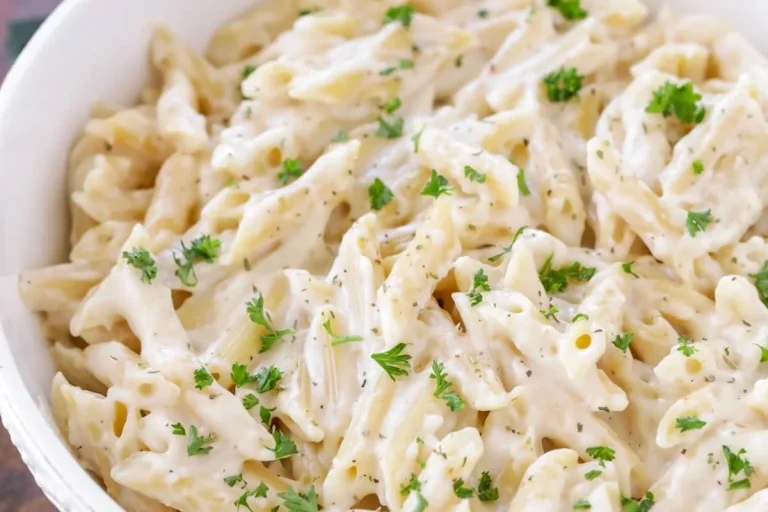
Tahini works well in sauces, dressings, dips, and pasta dishes. It adds body and a nutty taste.
For pasta, it can help build a creamy sauce without dairy. A little warm water or pasta water can thin it out.
How long opened tahini usually lasts
Opened tahini often lasts for months when stored well. Some jars last longer, while others fade sooner.
The exact time depends on the brand, the room temperature, and how often you open the lid. When the taste turns stale, it is time to replace it.
Final Recommendation: The Best Storage Choice for Freshness and Value
For most home cooks, the best answer is simple. Refrigerate tahini if you want the safest bet for freshness, especially after opening.
If you use it often and your kitchen stays cool, pantry storage can still work well. Just keep the jar sealed, clean, and away from heat.
Who should refrigerate tahini paste
Refrigerate tahini if you use it slowly. It is also a smart choice for warm kitchens and long storage.
It helps if you buy large jars and don’t cook with tahini every week.
Who can keep it in the pantry
Pantry storage works best for frequent tahini users. It also suits people who keep their kitchens cool and dry.
Just follow the label if the brand gives special storage directions.
Best overall takeaway for Red Kitchen Project readers
So, does tahini paste need to be refrigerated? Not always, but refrigeration gives you the best margin for freshness.
If you want the easiest rule, use the fridge after opening unless the label says otherwise or you’ll finish the jar quickly.
Refrigerate tahini for the best freshness and longest quality, especially if you use it slowly. Pantry storage is fine for frequent use when the jar stays sealed, clean, and cool.
Frequently Asked Questions
Not always. Many tahini jars can stay in the pantry if the lid stays tight and the jar stays cool and dry.
It varies by brand and storage conditions. Opened tahini often lasts for months when stored well, but taste and smell are the best guides.
A cool, dark cabinet away from the stove, sink, and sunlight is best. Heat and steam can make tahini lose quality faster.
Watch for sour, stale, or paint-like smells and flavors. Visible mold, wet clumps, or major off odors mean it should be thrown out.
Oil separation is normal because tahini is made from ground sesame seeds and natural oil. Just stir it back in if the smell and taste are still normal.
The fridge is usually better for slow use, warm kitchens, or long storage. The pantry is fine for frequent use if the jar stays sealed and clean.