Is Pasta Healthy What You Need to Know Today

Pasta can be healthy when portions stay moderate and the meal includes vegetables and protein. Whole wheat and legume pasta often give you more fiber and fullness.
Yes, pasta can be healthy. The real answer depends on the type you choose, the portion you eat, and what you serve with it. Pasta works well in a balanced diet when it’s part of a meal, not the whole meal.
- Portion matters: Big servings can turn pasta into a heavy meal fast.
- Whole grains help: Whole wheat pasta usually brings more fiber.
- Add balance: Vegetables and protein make pasta more filling.
- Sauce matters: Lighter sauces usually support a healthier meal.
- Fit your goal: Pasta can work for energy, budget, and family meals.
Is Pasta Healthy? The Short Answer for 2026
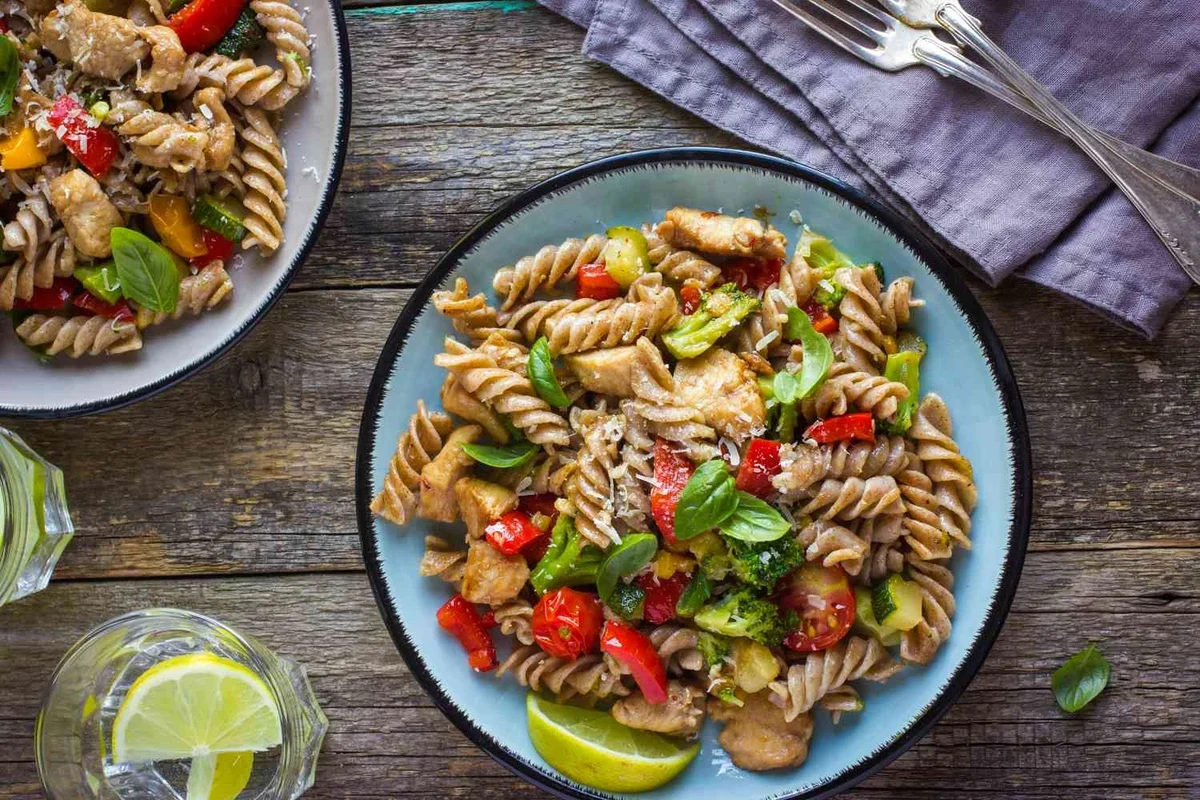
Pasta has a simple job. It gives you energy from carbs and acts as a base for many meals. On its own, plain pasta is not a full meal, but that does not make it bad.
For most people, pasta can fit into a healthy eating pattern. The key is balance. Add fiber, protein, and vegetables, and the meal becomes much more filling and useful.
Think of pasta as the base of the plate. Build around it with vegetables, protein, and a lighter sauce.
What “healthy” really means for pasta
Healthy does not mean “low carb” or “low calorie” by default. It means the food supports your needs and fits your goals. Pasta can do that when portions stay reasonable and the rest of the plate adds more nutrition.
Some pasta meals are light and balanced. Others are heavy and easy to overeat. So the health question is really about the full dish.
When pasta fits a balanced meal
Pasta fits well when you pair it with foods that slow digestion and add nutrients. That usually means lean protein, vegetables, and a sauce that does not drown the dish in fat.
In short, pasta is often healthy enough for everyday meals. It becomes less helpful when it turns into a giant bowl with little else in it.
What Pasta Is Made Of and Why It Matters
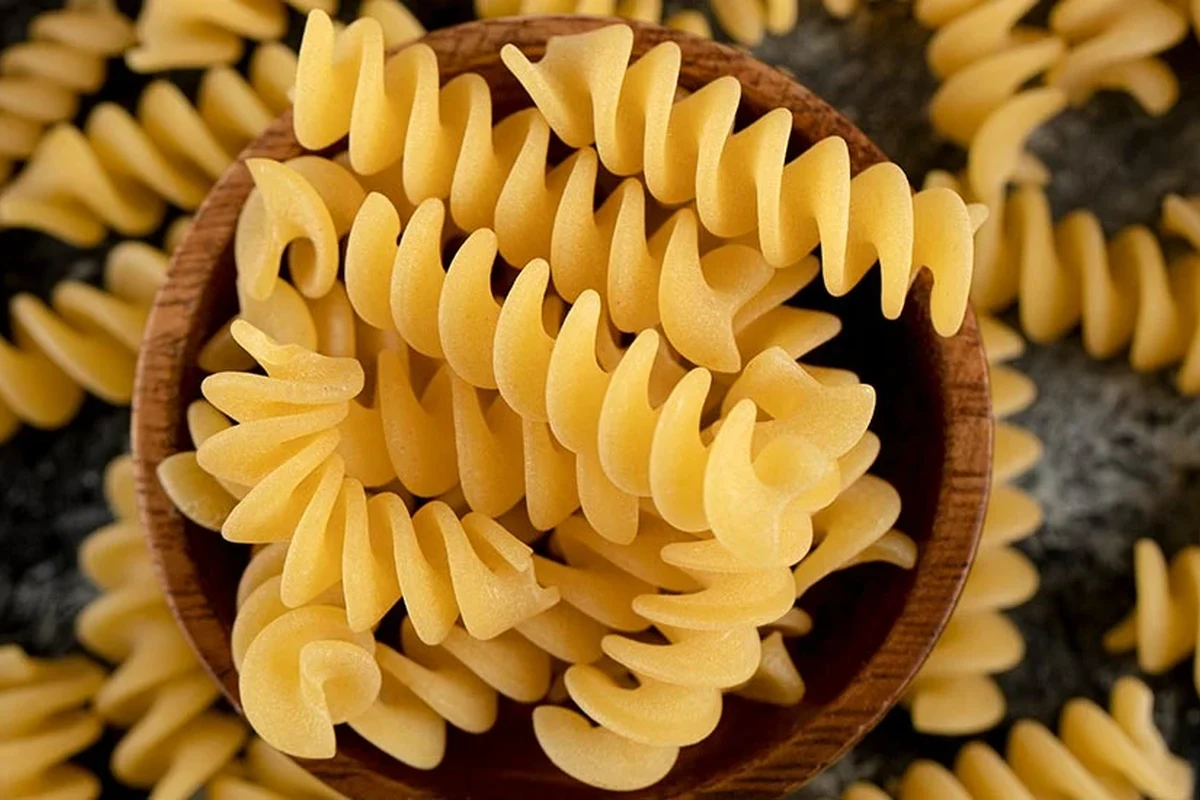
Most pasta starts with wheat flour and water. Some types also include eggs. That basic recipe matters because the flour choice changes fiber, texture, and how full you feel.
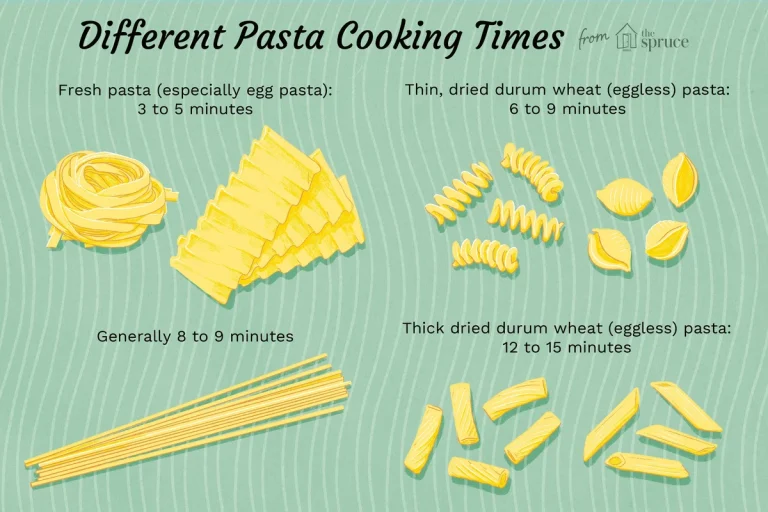
Different pasta styles also behave differently in the kitchen. Some hold sauce better. Some cook faster. Some give you more nutrients than others.
Refined pasta vs whole wheat pasta
Refined pasta uses flour that has had part of the grain removed. That gives it a smoother texture, but it usually has less fiber than whole wheat pasta.
Whole wheat pasta keeps more of the grain. That often means more fiber and a more filling meal. It can also taste a little nuttier and feel denser.
Whole grain foods often help meals feel more filling because they usually contain more fiber.
Fresh pasta, dried pasta, and gluten-free options
Fresh pasta often has a softer texture and may include eggs. It can taste rich, but it does not always have more fiber or protein than dried pasta.
Dried pasta is the pantry classic. It stores well and works in many recipes. Gluten-free pasta varies a lot. Some versions use rice, corn, lentils, or chickpeas, so nutrition can change a lot by brand.
How ingredients change nutrition
The flour blend changes the final meal more than many people think. Legume-based pasta often brings more protein and fiber. Enriched wheat pasta may add some B vitamins and iron, depending on the product.
Always check the label if you want a specific benefit. The ingredient list and nutrition panel tell you far more than the word “pasta” alone.
How Pasta Affects Energy, Fullness, and Blood Sugar
Pasta is mostly carbohydrate, so it gives your body quick fuel. That can be useful before a busy day, after exercise, or when you need a simple dinner fast.
But carbs are only part of the story. Fiber, protein, fat, and portion size all shape how the meal feels in your body.
Carbs, fiber, and satiety
Carbs help restore energy. Fiber helps slow digestion. When a pasta meal includes more fiber, many people feel full for longer.
That is why plain pasta can leave you hungry again soon. Add beans, chicken, tuna, tofu, or vegetables, and the meal tends to hold you better.
Why portion size changes the answer
A small bowl of pasta can fit easily into a balanced plan. A huge bowl can push the meal toward too many calories, even if the sauce seems simple.
Portion size also changes how you feel after eating. A moderate serving often leaves room for salad, protein, and other useful foods.
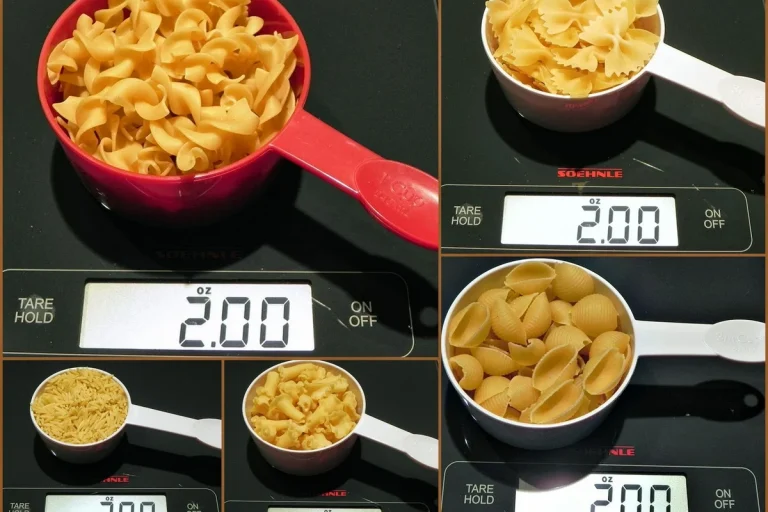
Serving size varies by household, recipe, and appetite. A “healthy” amount is the one that fits your energy needs and your full meal plan.
What to know about glycemic impact
Pasta can affect blood sugar, but the response depends on the type and the full meal. Whole wheat and legume pasta often have more fiber, which may soften the rise for some people.
Cooking time matters too. Very soft pasta may digest faster than pasta cooked until just tender. If blood sugar is a concern, talk with a clinician or dietitian about your best choices.
The Main Benefits of Pasta in a Real Diet
Pasta gets a bad name sometimes, but it has real strengths. It is fast, cheap, and easy to build into meals that work for busy homes.
That makes it a practical food, not just a comfort food. And practical matters when you cook most nights.
Quick energy for busy days
Pasta is a solid choice when you need fuel fast. It cooks quickly and gives you a base that can support a full dinner with very little effort.
That is helpful on school nights, work nights, and days when the fridge looks bare. A simple pasta meal can still be a good meal.
Easy base for balanced meals
Pasta is easy to pair with healthier add-ins. You can toss in vegetables, olive oil, beans, chicken, shrimp, or lentils without much extra work.
How to Make Pasta Work Harder for You
Small changes can turn a basic bowl of pasta into a more balanced, filling meal.
Budget-friendly and family-friendly value
Pasta usually stretches well, which helps with meal budgets. It also works for picky eaters because you can keep it simple or dress it up.
That flexibility is a big reason it stays in so many kitchens. One pot can feed a crowd without much stress.
- Fast to cook on busy nights
- Easy to pair with vegetables and protein
- Usually affordable and pantry-friendly
- Works in many simple family meals
The Limits and Downsides You Should Know
Pasta is not perfect. It can work against your goals if you eat too much of it or build the meal around rich extras.
The good news is that most of the downsides are easy to manage once you know what to watch.
When pasta can work against your goals
If you are trying to manage weight or blood sugar, large pasta portions can be a problem. The calories add up fast, especially with creamy sauces, cheese, and bread on the side.
Pasta can also crowd out other foods if it takes up most of the plate. That leaves less room for vegetables and protein.
Common nutrition gaps in plain pasta meals
Plain pasta meals often miss fiber, protein, and healthy fats. They may also be low in vegetables, which means fewer vitamins and minerals.
That is why a bowl of noodles alone usually does not feel as satisfying for long. It fills you up at first, then fades quickly.
Who may need to be more careful
People with celiac disease or gluten sensitivity need gluten-free pasta. Others may need to watch blood sugar, sodium, or portion size more closely.
If you have a medical condition that affects diet, follow advice from your clinician or dietitian. Food needs can change a lot from person to person.
In short, pasta is not the problem by itself. The full meal and your health goals matter much more.
How to Make Pasta Healthier Without Losing Flavor
You do not need to give up pasta to eat better. A few smart changes can make a big difference in how the meal feels and how well it supports you.
Better portion tips that actually work
Start with less pasta than you think you need. Then fill the rest of the plate with vegetables and protein. That helps keep the meal satisfying without making it too heavy.
A smaller bowl also helps. When the serving looks full, you often feel satisfied faster.
Smart sauce choices and add-ins
Tomato-based sauces often feel lighter than cream-heavy sauces. They also pair well with vegetables and lean protein.
You can also use olive oil, garlic, herbs, and a little cheese for flavor. You do not need a thick sauce to make pasta taste good.
High-protein and high-fiber pairings
Try beans, lentils, chicken, turkey, tuna, eggs, tofu, or shrimp. Add broccoli, spinach, peppers, mushrooms, or peas for more fiber and color.
- Use more vegetables than cheese by volume.
- Choose whole wheat or legume pasta when you want more fiber.
- Keep sauce on the lighter side and add herbs for flavor.
Simple swaps for everyday cooking
Try half regular pasta and half vegetables. Zucchini, cauliflower, and spinach all work well in many dishes.
You can also switch to chickpea or lentil pasta for more protein. Just remember that taste and texture vary by brand, so pick the one your family will actually eat.
Best for a quick side dish or small lunch.
Best for meal prep or a full dinner with leftovers.
Common Pasta Mistakes That Make Meals Less Healthy
Most pasta mistakes are easy to spot once you know them. The biggest issue is not the pasta itself. It is how the meal gets built around it.
Oversized servings
Big portions are the fastest way to turn pasta into a heavy meal. Even a simple sauce can become too much when the bowl is oversized.
A better habit is to serve pasta, then stop and check the plate. If it looks all beige, you probably need more color.
Heavy cream sauces and too much cheese
Cream sauces can taste great, but they often add a lot of fat and calories. Cheese can do the same when it piles up fast.
That does not mean you must avoid them. It just means use them as accents, not the main event.
Skipping vegetables and protein
Plain noodles with sauce are easy, but they are not very balanced. Without protein and vegetables, the meal may not keep you full for long.
Think of pasta as the frame, not the whole picture. The other foods make the meal work.
Cooking pasta too soft or too often
Overcooked pasta can turn mushy and less pleasant to eat. It may also digest faster than pasta cooked just until tender.
If you eat pasta often, variety helps too. Rotate in whole wheat, legume pasta, or rice-based noodles when it fits your needs.
- Portion size matters more than pasta alone.
- Whole wheat and legume pasta can add more fiber.
- Vegetables and protein make pasta meals more filling.
- Heavy sauces and huge servings are the main drawbacks.
Final Verdict: Is Pasta Healthy for You?
For most people, yes, pasta can be healthy. It works best when you keep portions sensible and build a balanced plate around it.
If you want more fiber or a steadier meal, choose whole wheat or legume pasta. If you want comfort and convenience, regular pasta still has a place.
Best choice by lifestyle and goal
If you are busy, pasta is a great weeknight base. If you want more fullness, go for whole grain or bean-based versions. If you need to manage blood sugar, pay close attention to portion size and the rest of the meal.
In short, the healthiest pasta meal is usually the one with fewer noodles and more real food around them.
Red Kitchen Project’s practical recommendation
Our practical take is simple. Keep pasta in your meal plan, but make it work harder. Use lighter sauces, add vegetables, and include a protein source whenever you can.
Pasta is healthy for many people when portions stay moderate and the plate includes protein, fiber, and vegetables. If you need a more filling or blood-sugar-friendly meal, choose whole wheat or legume pasta and keep the sauce lighter.
Frequently Asked Questions
Yes, pasta can fit into everyday meals when portions stay moderate. It works best when you add vegetables, protein, and a lighter sauce.
Whole wheat pasta usually has more fiber than refined pasta. That can help some people feel fuller for longer.
Yes, if you keep the portion reasonable and build a balanced plate. Large servings with rich sauces can make it harder to stay on track.
Whole wheat or legume-based pasta may be a better choice for some people. Pairing pasta with protein and vegetables can also help.
Use a lighter sauce, add vegetables, and include protein like beans, chicken, or tofu. Herbs, garlic, and a little cheese can still give you plenty of flavor.
Not always. Gluten-free pasta can be a good choice for people who need it, but nutrition varies a lot by ingredient and brand.