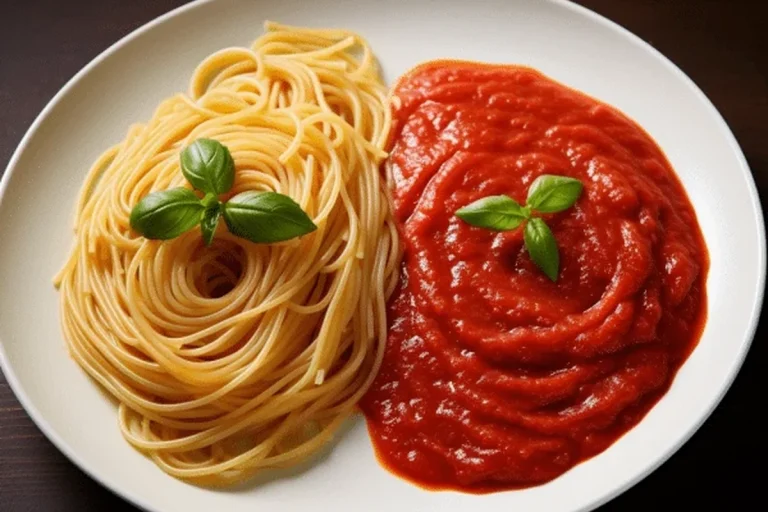
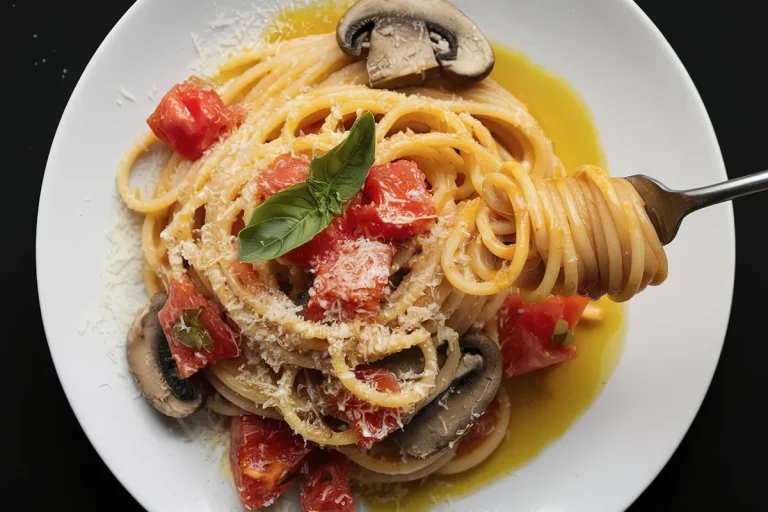
How Many Cups of Dry Pasta Per Person for Perfect Meals

Start with about 1 cup of dry pasta per person for a normal meal. Use more for a main dish and less when pasta is only a side.
If you want a simple rule, start with 1 to 2 cups of dry pasta per person. For most adults, 2 ounces of dry pasta is the usual serving, which is about 1 cup of short pasta or a small bundle of long pasta.
- Starting point: About 1 cup of dry pasta works for many adults.
- Main dishes: Use 1 1/2 to 2 cups for bigger appetites.
- Shape matters: Short pasta, long pasta, and broken pasta measure differently.
- Meal context: Sauce, protein, and vegetables change the right portion.
- Best accuracy: Weigh pasta when you want the most exact result.
How Many Cups of Dry Pasta Per Person? Quick Answer and Serving Guide
The short answer depends on the meal. A light side dish needs less. A main dish needs more. For many home cooks, 1 cup of dry short pasta per person works for a regular dinner. If the pasta is the main event, 1 1/2 to 2 cups is often safer.
Standard portions for adults, kids, and hungry eaters
Adults usually need the most pasta. Kids often need less, especially with sauce, cheese, or protein on the plate. Very hungry eaters may want a larger serving, but the sauce and sides matter too.
| Person | Dry pasta amount | Best use |
|---|---|---|
| Child | 1/2 to 1 cup | Small serving or side dish |
| Adult | 1 to 1 1/2 cups | Normal dinner portion |
| Hungry eater | 1 1/2 to 2 cups | Main dish with light sides |
These amounts work best as a starting point. In real kitchens, appetite changes fast. A pasta bake with lots of cheese can feel filling with less pasta. A simple tomato sauce may need a bigger portion.
When to use cup measures instead of weighing pasta
Cups are handy when you do not have a scale. They work well for quick weeknight meals. They also help when you cook the same shape often.
A kitchen scale gives the best accuracy. That matters when you want the same result every time. It also helps with recipes that give weight, not volume.
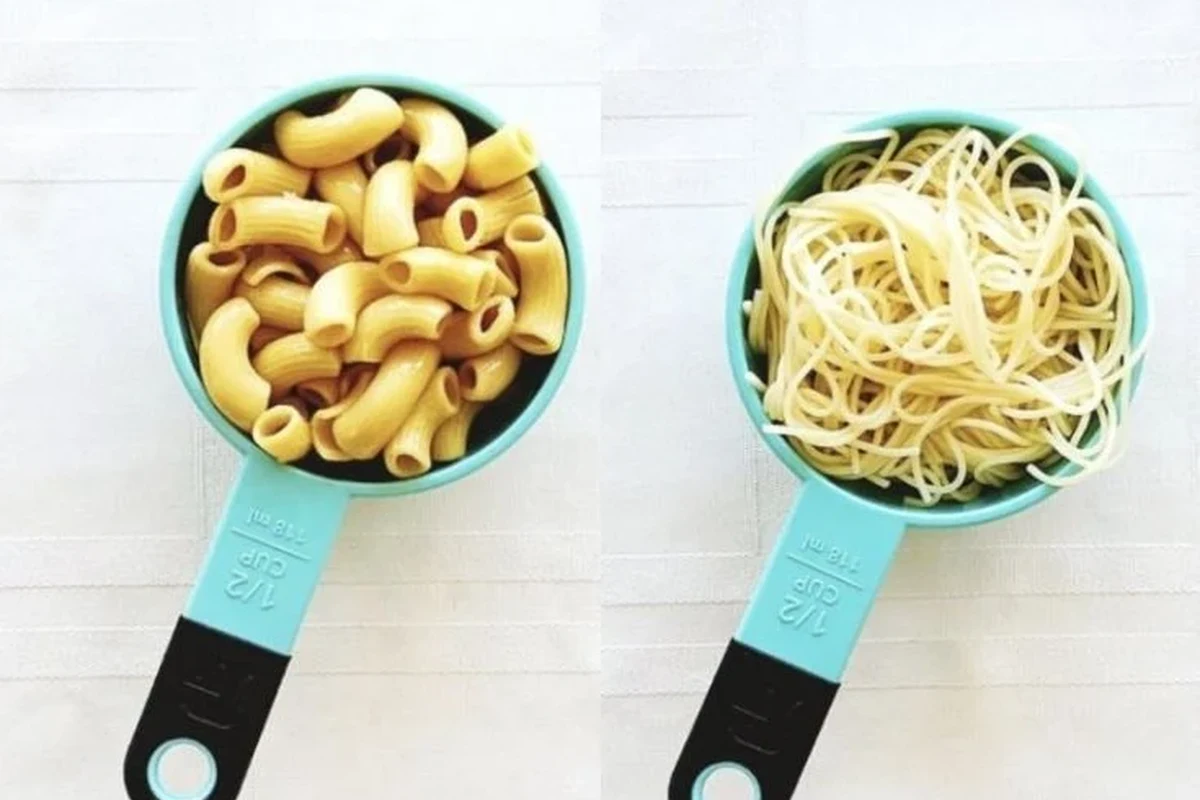
Dry pasta is not packed the same way in every cup. Shape, size, and how tightly you fill the cup can change the amount.
How Dry Pasta Changes When It Cooks
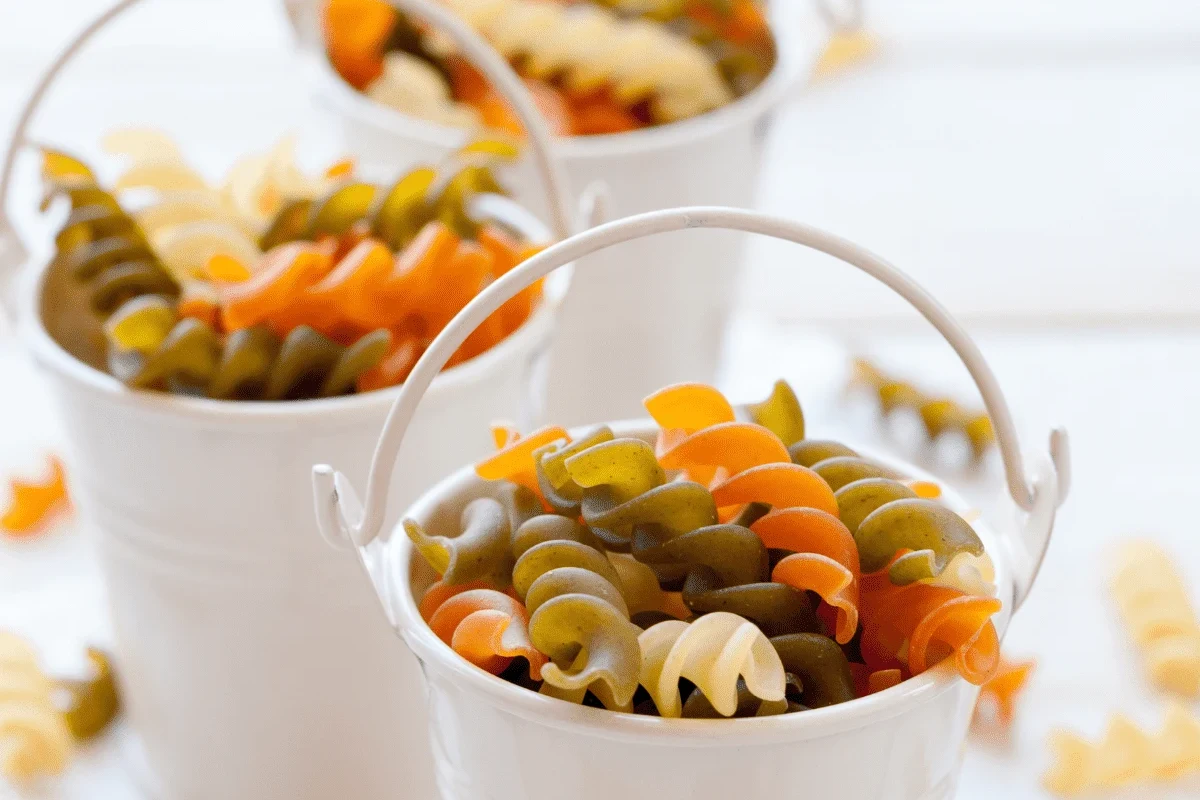
Dry pasta absorbs water as it cooks. That makes it heavier and much larger on the plate. This is why a small amount of dry pasta can turn into a full meal.
Why pasta size and shape affect the final amount
Short pasta, like penne or rotini, packs into a cup more tightly than long pasta. Tiny shapes, like orzo, can look like rice in a measuring cup. Long pasta, like spaghetti, leaves more air space.
That means one cup of dry pasta does not always equal the same number of pieces. It also means the cooked result can vary a lot by shape. A cup of shells will not look like a cup of fettuccine after cooking.
Many dry pasta shapes roughly double or triple in volume after cooking.
How much cooked pasta one cup of dry pasta usually makes
One cup of dry pasta often makes about 2 to 3 cups cooked. The exact amount depends on the shape and how long you cook it. Thicker pasta can also hold more water.
For meal planning, that range is useful. If you need pasta for a crowd, you can multiply from there. If you want a lighter plate, plan on the lower end.
Cooked pasta can become a burn risk if it is very hot and sticky. Drain it carefully and keep children away from the pot and colander.
Best Pasta Amounts for Common Meal Types
The right serving changes with the meal. A pasta salad at a picnic needs a different amount than a rich baked ziti. Think about the whole plate, not just the noodles.
Simple weeknight dinners
For a basic dinner, 1 cup of dry pasta per person is a smart starting point. That works well when you add sauce and maybe a salad or bread. It keeps portions balanced without making too much.
If your family likes larger plates, move up to 1 1/2 cups. This is common when pasta is the main comfort food on a busy night. It also helps when you know seconds are likely.
Side dishes, main dishes, and pasta salads
Side dishes need less pasta because they share the plate with other foods. Main dishes need more because they carry the meal. Pasta salads often need a little extra because cold pasta can feel less filling.
Use about 1/2 to 3/4 cup dry pasta per person.
Use about 1 to 1 1/2 cups dry pasta per person.
For pasta salad, also think about mix-ins. Vegetables, beans, cheese, and dressing all change the final volume. If the salad has a lot of add-ins, you can use less pasta.
Large family meals and meal prep portions
For big groups, it helps to plan in batches. A good rule is to start with 1 cup dry pasta per adult and 1/2 cup for children. Then add a little extra if the meal is the main dish.
Meal prep works best when you portion cooked pasta after draining. That keeps each container more even. It also makes it easier to pair pasta with sauce, chicken, or vegetables later.
- Cook a little extra for guests who like seconds.
- Use less pasta when the sauce is rich and filling.
- Plan more for active teens and hungry adults.
Measuring Dry Pasta the Right Way
Good measuring saves money and cuts waste. It also helps you avoid a pot that is too small or a meal that falls short. The method you use matters almost as much as the amount.
Using cups, kitchen scales, and pasta measuring tools
Cups are the easiest tool for most home cooks. A scale is better for exact recipes. Pasta measuring tools can help, but they work best with common shapes and standard serving sizes.
If you cook pasta often, a scale can be worth it. If you only need a fast dinner estimate, cups are usually enough. The best tool is the one you’ll actually use.
How to measure long pasta, short pasta, and broken pasta
Short pasta is the easiest to measure with cups. Scoop it lightly, then level it off. Do not pack it down unless the recipe says to do that.
Long pasta needs a different approach. You can weigh it, or you can estimate by bundle size. Broken pasta is the hardest to judge, so a scale helps most there.
Measure after you know whether it is short or long pasta.
Level the top for a more even portion.
That helps when pieces vary in size.
What Affects the Right Serving Size
There is no single perfect number for every meal. Sauce, protein, age, and goals all change what feels right on the plate. That is why the same recipe can work for one family and feel too small for another.
Sauce type, protein, and added vegetables
Heavy sauces make pasta feel more filling. Cream sauce, meat sauce, and baked cheese dishes can all reduce how much pasta you need. Light oil-based sauces may call for a larger portion.
Protein and vegetables also stretch a meal. Chicken, sausage, beans, broccoli, and peppers add bulk. When a dish has lots of mix-ins, you can often use less dry pasta.
Appetite, age, and dietary goals
Children usually need smaller servings. Older adults may also prefer smaller portions, especially if the meal has several sides. Very active people may need more.
If you are watching carbs or calories, smaller portions can help. You can also build the plate with more vegetables and protein. That keeps the meal satisfying without relying on a huge pile of pasta.
- Smaller portions help balance heavier sauces.
- More vegetables can make the meal feel full.
- Flexible serving sizes fit different appetites.
Fresh pasta versus dry pasta
Fresh pasta is different from dry pasta. It cooks faster and usually feels softer. It also uses a different portion size, so do not swap the numbers one for one.
If a recipe calls for dry pasta, use dry pasta. If it calls for fresh, follow that recipe closely. The texture and final amount can change a lot between the two.
Common Pasta Measuring Mistakes to Avoid
Most pasta mistakes are easy to fix. The biggest problems come from guessing, overfilling, or using the same amount for every recipe. A few small habits can make dinner much easier.
Overfilling cups and guessing by eye
It is easy to scoop too much pasta. Dry noodles settle in the cup, so the first scoop may look smaller than it really is. Guessing by eye often leads to extra leftovers or a pot that runs short.
- Level cups with a straight edge.
- Measure the same way each time.
- Pressing pasta down hard in the cup.
- Estimating portions for a crowd.
Forgetting that pasta doubles or triples after cooking
Dry pasta looks small, but it grows fast in the pot. That is why a small dry portion can become a large serving. If you forget this, you may cook far more than you need.
It helps to picture the cooked result before you start. Ask yourself how full the plate should look. Then choose the dry amount that fits that goal.
Using the same portion for every recipe
Not every pasta dish needs the same amount. A soup, a bake, and a cold salad all behave differently. The sauce and sides should guide your portion, not habit alone.
For example, a rich lasagna-style dish may need less pasta than a plain bowl of noodles. That simple change can save food and keep the meal balanced.
Tips for Better Pasta Planning and Less Waste
Good planning keeps pasta meals calm and easy. It also helps you avoid wasting dry pasta or ending up with too much cooked pasta. A little prep goes a long way here.
How to estimate servings for guests
For guests, use the standard amount first, then add a small buffer. That buffer helps if someone wants seconds. It also protects you if the pasta cooks a little more than planned.
If you serve several dishes, lower the pasta a bit. Bread, salad, and appetizers all reduce how much pasta people need. When pasta is the only main dish, keep portions closer to the higher end.
How to store leftover dry and cooked pasta
Dry pasta stores well in a cool, dry place. Keep it sealed so it stays fresh and clean. Use the package date and your own judgment for storage, since conditions vary.
Cooked pasta should go into the fridge soon after cooling. Store it in a covered container. If it looks dry later, a little sauce or water can help bring it back.
Do not leave cooked pasta out for long periods. Follow food-safety guidance and refrigerate leftovers promptly.
When to cook extra and when to keep portions small
Cook extra when you expect guests, teens, or leftovers for lunch. Keep portions smaller when the meal has a lot of sides. That balance helps you avoid waste.
Extra pasta is useful, but only if you will eat it. If your household rarely wants leftovers, start smaller. You can always cook a second batch if needed.
Final Recommendation: The Best Rule for Perfect Pasta Portions
The best rule is simple. Use about 1 cup of dry pasta per person for a normal dinner. Move up to 1 1/2 or 2 cups for big appetites or pasta as the main dish.
Simple takeaway for home cooks in 2026
In 2026, the easiest answer is still the classic one. Start with 2 ounces of dry pasta per adult, or about 1 cup for many short shapes. Then adjust for the meal, the sauce, and the people at the table.
- Use 1 cup as a solid starting point for one person.
- Use less for sides and more for main dishes.
- Measure by weight when you want the most accuracy.
- Adjust for sauce, protein, and appetite.
When to follow the standard rule and when to adjust
Follow the standard rule when you want fast, reliable results. Adjust it when the dish is rich, the group is very hungry, or the pasta is only one part of the meal. That is the easiest way to get perfect portions without overthinking dinner.
For most home cooks, 1 cup of dry pasta per person is the best starting point, with more for main dishes and less for sides. The right amount always depends on shape, sauce, and appetite.
Frequently Asked Questions
A good starting point is about 1 cup of dry pasta per person for a normal dinner. For a main dish or hungry eaters, use 1 1/2 to 2 cups.
One cup of dry pasta usually makes about 2 to 3 cups cooked. The exact amount depends on the shape and how long you cook it.
A kitchen scale gives the most accurate result. Cups are still fine for quick meals and for pasta shapes you cook often.
No, they do not always measure the same way by volume. Short pasta packs more tightly, while long pasta leaves more air space.
Yes, rich sauces, protein, and vegetables make the meal more filling. You can usually use less pasta when the dish has lots of add-ins.
Cool it, then store it in a covered container in the fridge soon after cooking. Reheat it safely and follow food-safety guidance for leftovers.