Is Pasta and Meatballs Healthy What You Need to Know

Yes, pasta and meatballs can be healthy when the portion is moderate and the ingredients are smart. Whole grain pasta, lean meatballs, and tomato sauce make it a much better choice.
Yes, pasta and meatballs can be healthy. It depends on the pasta, the meatballs, the sauce, and your portion size. A small, balanced plate can fit a healthy diet. A huge bowl with rich sauce and lots of cheese can turn into a heavy meal fast.
- Portion size matters: Big servings quickly make the meal heavier.
- Sauce choice counts: Tomato sauce is usually lighter than cream sauce.
- Lean meat helps: Turkey or chicken meatballs can cut fat.
- Fiber helps fullness: Whole grain pasta and vegetables improve balance.
- Home cooking gives control: You can lower salt, fat, and sugar more easily.
Is Pasta and Meatballs Healthy? The Short Answer
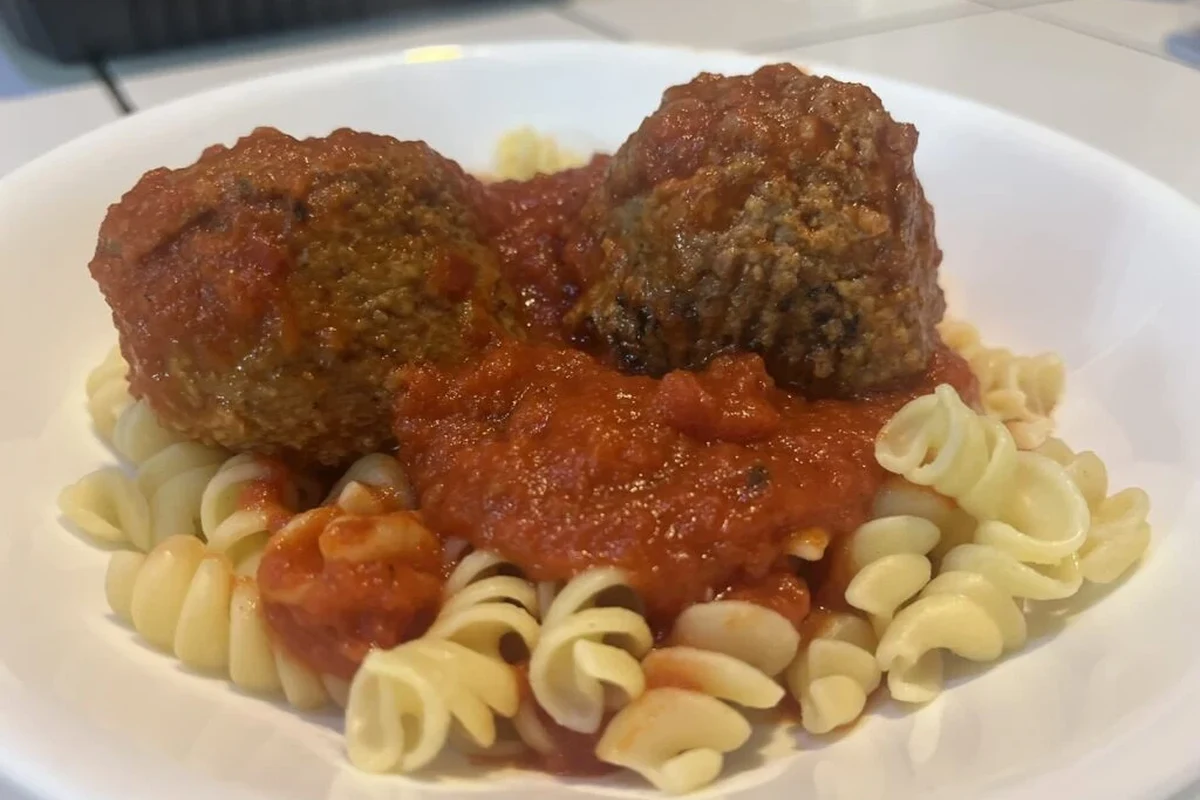
The short answer is yes, it can be. Pasta gives you carbs for energy. Meatballs add protein, iron, and other nutrients. Sauce and add-ons can help or hurt the balance.
What matters most is how the dish is built. Whole grain pasta, lean meat, and a tomato-based sauce make a better choice. Creamy sauce, fatty meat, and oversized portions make it less healthy.
What’s in a Typical Plate of Pasta and Meatballs
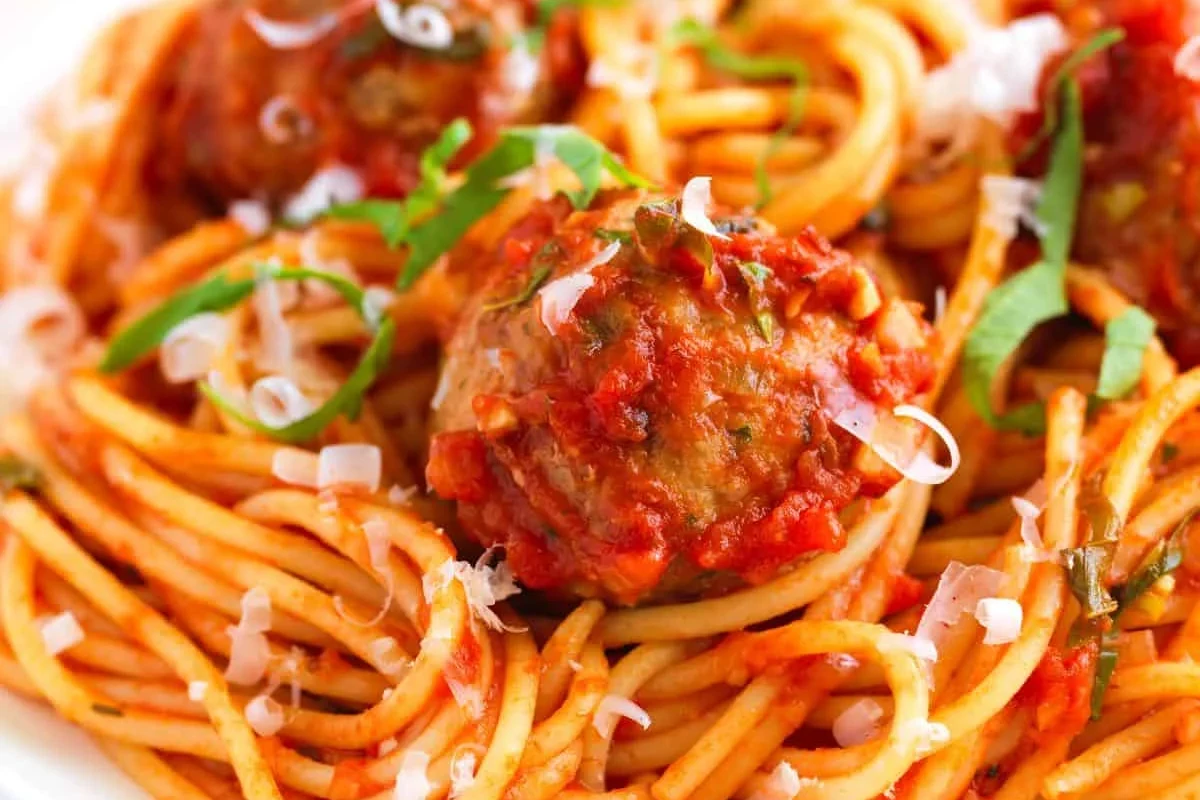
A typical plate has cooked pasta, meatballs, sauce, and maybe cheese. Some meals also include garlic bread or a side salad. That extra food can change the nutrition a lot.
Pasta type, sauce, meat, and extras
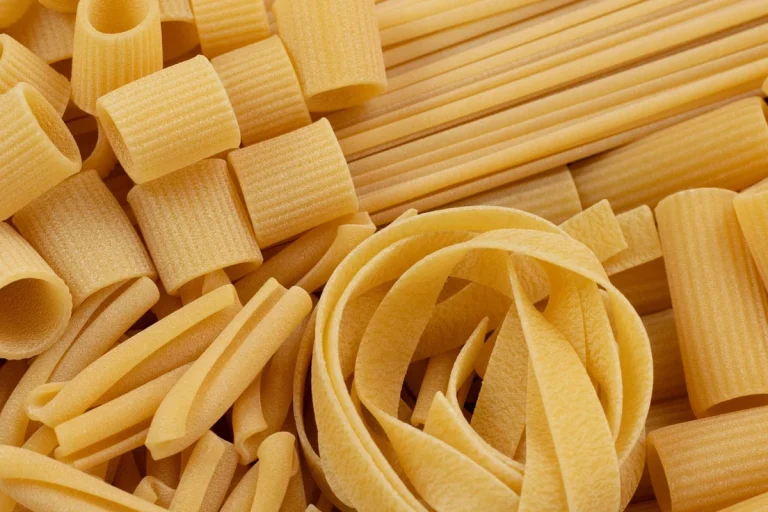
White pasta is common, but whole grain pasta brings more fiber. Veggie pasta can also work, though the taste and texture vary. Meatballs may use beef, pork, turkey, chicken, or a mix. Leaner meat usually lowers the fat.
Sauce matters too. Tomato sauce is often lighter than cream-based sauce. Cheese, oil, and sausage add more calories, salt, and fat. Even a simple sprinkle of cheese can add up if you use a lot.
Nutrition can vary a lot by brand, recipe, and serving size. A homemade dish and a restaurant dish may look similar but differ a lot in salt and fat.
How portion size changes the meal
Portion size can turn a balanced meal into a heavy one. A moderate plate may fit well into lunch or dinner. A giant bowl can push carbs, salt, and calories much higher than you expect.
Try to think in parts. Pasta should not crowd out the meatballs or any vegetables. A good plate often has more than one food group, not just a mountain of noodles.
When Pasta and Meatballs Can Fit a Healthy Diet
This dish works best when it fits the rest of your day. It can be a solid meal after school, after work, or after exercise. It can also work as a family dinner when you keep the plate balanced.
Best times to eat it
Pasta and meatballs can be a smart choice when you need steady energy. It may work well before a busy evening or after a workout. The carbs help refill energy, and the meat adds protein for fullness.
It also fits well when you pair it with vegetables or a salad. That helps the meal feel more complete. In short, the dish does better when it is one part of a full plate.
Who can enjoy it most often
Most healthy adults can enjoy pasta and meatballs from time to time. Active people may even use it more often because they need more energy. Kids and teens can also enjoy it when the portion fits their needs.
People watching salt, fat, or calories may need smaller portions. Those with diabetes or heart concerns may want to pay closer attention to the pasta type and sauce. If you have a health condition, it helps to ask a doctor or dietitian for personal advice.
Where the Meal Can Get Less Healthy
Some versions of this dish are much heavier than others. The trouble usually starts when the plate gets too large. Rich sauce and extra cheese can make it even heavier.
Large portions and heavy sauces
Big servings are one of the main reasons this meal becomes less healthy. More pasta means more refined carbs if you use white pasta. More sauce can also mean more salt and sugar.
Creamy Alfredo-style sauce, oily sauces, and very rich meatballs can make the meal feel dense. That does not mean you must avoid them. It just means they fit better as an occasional meal than an everyday one.
Too much salt, fat, or added sugar
Store-bought sauce and restaurant meals often carry more salt than homemade versions. Some sauces also have added sugar to cut the sharp taste of tomatoes. Fat can rise fast when the meatballs use fatty meat or the cook adds lots of oil and cheese.
If you need to limit sodium, saturated fat, or sugar, check labels and ask about ingredients. Recipes vary, so the same dish can range from light to very rich.
How to Make Pasta and Meatballs Healthier at Home
Home cooking gives you more control. You can choose the pasta, the meat, the sauce, and the extras. That makes it much easier to build a meal that feels satisfying without going overboard.
Better pasta choices
Whole grain pasta is a simple upgrade. It usually gives more fiber and helps the meal feel more filling. That can make it easier to stop at a reasonable portion.
Veggie pasta can also be useful, especially if you want to add more color. Just keep in mind that some veggie pastas are still close to regular pasta in nutrition. Always check the label if you want to know what you’re getting.
Lean meatball swaps and smart sauce picks
Lean ground turkey or chicken can lower the fat in meatballs. You can also mix lean meat with breadcrumbs, egg, herbs, and onion for flavor. That helps keep the meatballs moist without relying on extra fat.
For sauce, tomato-based options are usually the easier pick. Look for sauces with lower salt and less added sugar when possible. If you like a richer taste, use a small amount of cream sauce instead of making it the base.
Season meatballs well with garlic, onion, parsley, basil, and pepper. Good flavor can reduce the urge to add extra salt and cheese.
Easy add-ins for more fiber and nutrients
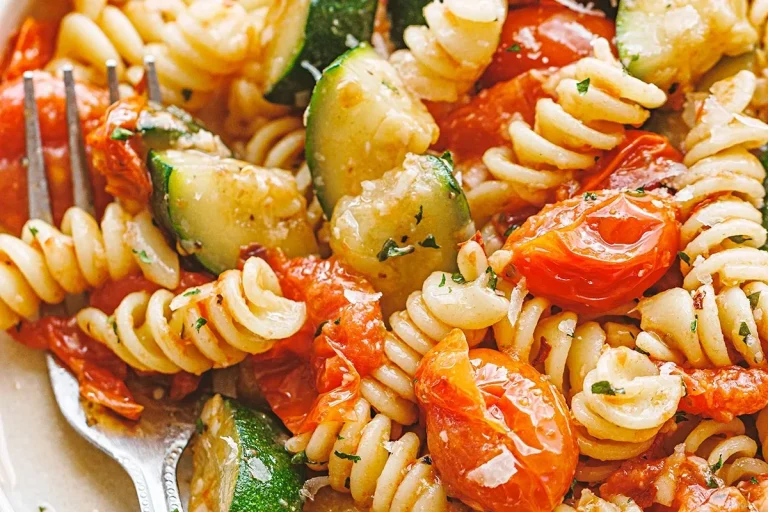
Vegetables are the easiest upgrade. Try spinach, mushrooms, zucchini, peppers, or onions in the sauce. You can also serve the dish with a side salad or roasted vegetables.
Beans can work too if you want extra fiber. A little parmesan is fine, but use it like a topping, not a blanket. That small change can make a big difference over time.
Healthy vs. Less Healthy Versions: What to Compare
If you’re deciding between two versions, compare the whole meal. Do not focus only on the pasta shape. The sauce, meat, and serving size often matter more.
Restaurant meal versus homemade meal
Restaurant pasta and meatballs often taste richer. That is because restaurants usually use larger portions, more oil, more cheese, and more salt. Homemade meals give you more control over those parts.
A restaurant meal can still fit now and then. But if you want a lighter version, home cooking usually wins. You can trim the portion, use lean meat, and add vegetables without losing the comfort-food feel.
The biggest difference is control. Homemade meals let you manage salt, fat, and portion size much more easily.
Rich and convenient
Best when you want ease and full flavor, but portions are often larger.
VS
Flexible and lighter
Best when you want more control over ingredients and serving size.
White pasta versus whole grain or veggie pasta
White pasta is the most common choice, and it can still fit a healthy diet. Whole grain pasta usually brings more fiber, which helps with fullness. Veggie pasta may add variety, but it depends on the brand and recipe.
If you want the healthiest easy swap, whole grain pasta is a strong place to start. If your family dislikes the taste, mix half whole grain and half white pasta. That often makes the change easier.
| Option | Best For | Key Consideration |
|---|---|---|
| White pasta | Classic taste and texture | Lower fiber than whole grain |
| Whole grain pasta | More fiber and fullness | Different taste and texture |
| Veggie pasta | More color and variety | Nutrition varies by brand |
Common Mistakes People Make With This Dish
Even a good recipe can become less healthy because of simple habits. The most common problems are too much food and too many extras. A few small changes can help a lot.
Oversized servings and extra cheese
Many people serve pasta like it is the main event and forget the rest of the plate. Then they add meatballs, cheese, bread, and maybe dessert. That can turn a normal dinner into a very heavy one.
Cheese is tasty, but it adds up fast. Use it for flavor, not as the main topping. If you want more flavor, try herbs, pepper, or a spoon of sauce instead.
- Start with less pasta and add more vegetables first.
- Use cheese as a finish, not a full layer.
- Serve sauce on the side when possible.
Ignoring balance on the rest of the plate
Pasta and meatballs can crowd out other foods if you let them. A meal feels better when it includes vegetables, fruit, or a salad. That balance helps with fiber, vitamins, and fullness.
Think of the dish as one part of dinner, not the whole plan. If the meal is rich, keep the rest of the day lighter. That simple habit can help you enjoy comfort food without overdoing it.
Final Verdict: Is Pasta and Meatballs Healthy for You?
Yes, pasta and meatballs can be healthy when you keep the portions sensible and choose smart ingredients. Whole grain pasta, lean meatballs, tomato sauce, and vegetables make the best version. A huge plate with heavy sauce and lots of cheese is a different story.
If you eat it at home, you can make it much lighter without losing flavor. If you order it out, just know that the restaurant version is often richer. For most people, this dish works best as a balanced meal, not an all-you-can-eat one.
Pasta and meatballs can absolutely fit a healthy diet. The best version uses a modest portion, lean meat, and a lighter sauce with vegetables on the side.
Frequently Asked Questions
Yes, it can fit a healthy diet when portions stay moderate. Whole grain pasta, lean meatballs, and tomato sauce make a better balance.
Large portions, creamy sauce, fatty meat, extra cheese, and high salt can make the meal heavier. Restaurant versions often have more of these than homemade meals.
Whole grain pasta is often the best simple upgrade because it adds more fiber. Veggie pasta can also work, but nutrition varies by brand.
Use lean ground turkey, chicken, or lean beef. Add herbs, onion, and breadcrumbs for flavor and texture without relying on extra fat.
Usually yes, because tomato sauce is often lighter in fat and calories. Still, label checks matter because salt and sugar can vary a lot.
Use a smaller pasta portion and add vegetables or a salad. That helps the meal feel filling without becoming too heavy.