Is Spaghetti Pasta Healthy What You Need to Know

Yes, spaghetti pasta can be healthy when you keep portions sensible and choose better toppings. Whole grain pasta, vegetables, and protein make it a much better meal.
Yes, spaghetti pasta can be healthy for many people. The real answer depends on the type of pasta, the portion size, and what you serve with it.
- Portion matters: A small bowl can fit a healthy diet.
- Type matters: Whole wheat and bean pasta usually offer more fiber.
- Pairing matters: Protein and vegetables make spaghetti more balanced.
- Sauce matters: Light tomato sauces are often better than creamy ones.
- Special diets: Gluten-free or lower-carb needs may call for other pasta options.
Is Spaghetti Pasta Healthy? The Short Answer

Spaghetti is not a superfood, and it is not junk food either. It sits in the middle. On its own, it gives you carbs for energy, but it does not give much fiber or protein if you choose refined white pasta.
That means spaghetti works best as part of a balanced meal. If you pair it with vegetables, protein, and a sensible sauce, it can fit into a healthy eating plan.
- Spaghetti can be healthy in the right portion.
- Whole grain and higher-fiber choices are better for most people.
- What you add to the bowl matters as much as the pasta itself.
What Spaghetti Is Made Of and Why That Matters

Most spaghetti starts with wheat flour and water. Some versions use semolina flour, which comes from durum wheat. The flour choice changes the pasta’s fiber, texture, and how fast it digests.
That matters because not all spaghetti affects your body the same way. A refined noodle behaves more like a quick carb. A higher-fiber noodle usually keeps you fuller longer.
Refined White Spaghetti
Refined white spaghetti is the most common type. It is smooth, mild, and cooks fast. It also loses some fiber and nutrients during processing.
That does not make it bad. It just means it is less filling than a whole grain version. If you eat it often, it helps to balance it with fiber-rich foods.
Whole Wheat and Higher-Fiber Options
Whole wheat spaghetti keeps more of the grain. That usually means more fiber, more chew, and a deeper flavor. It may also help you feel full sooner.
For many home cooks, this is the easiest way to make spaghetti more nutritious without changing the meal too much. Start by mixing it with regular pasta if the taste feels too strong at first.
Cooling cooked pasta before serving can slightly change how your body digests some of its starch.
Gluten-Free and Protein-Boosted Pasta
Gluten-free spaghetti can be made from rice, corn, lentils, chickpeas, or other grains and beans. These choices help people who avoid gluten. They also change the nutrition profile in useful ways.
Protein-boosted pasta often contains bean flour or added protein. It can be more filling than standard white spaghetti. Still, the label matters. Read the ingredient list and compare fiber and protein, not just the front of the box.
How Spaghetti Fits Into a Balanced Diet
Spaghetti fits well when you treat it like one part of the plate. It should not be the whole meal. That’s the key idea many people miss.
A balanced bowl gives you carbs for energy, protein for fullness, and vegetables for fiber and nutrients. That mix helps the meal feel satisfying without going overboard.
Portion Size and Carb Balance
Portion size changes everything. A small serving can fit a healthy plan. A huge bowl with extra bread and cheese can push the meal into a heavy, high-calorie zone.
A simple rule helps. Use pasta as the base, not the whole show. If the bowl looks mostly like noodles, add more vegetables and protein next time.
Use a smaller bowl when you serve pasta. It helps a normal portion look and feel more satisfying.
Pairing Spaghetti With Protein, Veggies, and Healthy Fats
This is where spaghetti gets much healthier. Add beans, chicken, turkey, tofu, shrimp, or eggs for protein. Add spinach, peppers, mushrooms, zucchini, or broccoli for fiber and color.
A little olive oil, nuts, or avocado can add healthy fat. That can improve taste and help the meal feel complete. You do not need a heavy sauce to make it good.
Helps the meal feel more filling and balanced.
Add fiber, color, and volume without many extra calories.
Health Benefits of Spaghetti When You Eat It Well
Spaghetti can support a healthy routine when you use it the right way. The benefits are not magic. They come from smart portions and smart pairings.
Energy for Busy Days and Active Lifestyles
Carbs are a main fuel source for the body. That makes spaghetti useful before a busy day or after a workout. It can help refill energy stores.
For example, a runner, a student, or a parent with a packed afternoon may all find pasta meals practical. The key is to keep the rest of the plate balanced.
Easy to Build Into Budget-Friendly Meals
Spaghetti is often affordable and easy to store. That makes it a useful pantry food for many households. It also stretches well when you add beans, frozen vegetables, or canned tomatoes.
This matters in real kitchens. A healthy meal does not have to be fancy. It just has to be balanced, filling, and easy to repeat.
Why It Can Work for Family Dinners
Spaghetti is familiar, flexible, and easy to customize. One person can use meat sauce. Another can use vegetables and olive oil. That makes it a strong family meal base.
It also helps with picky eaters. You can keep the pasta simple and let everyone add their own toppings.
Nutrition changes a lot based on the sauce, toppings, and portion size. The pasta alone tells only part of the story.
Limits and Common Mistakes to Watch For
Spaghetti can become less healthy when the bowl gets too large or too rich. The most common problem is not the pasta. It is the extras.
Oversized Portions and Heavy Sauces
Restaurant portions can be much larger than a home serving. At home, it is easy to pour on too much sauce and cheese too. That can turn a simple meal into a calorie-heavy one.
Heavy cream sauces and large piles of cheese can also crowd out vegetables. If you want a lighter meal, keep the sauce simple and add more produce.
Low Fiber Choices and Fast Blood Sugar Swings
Refined spaghetti digests faster than whole grain pasta. That can lead to a quicker rise in blood sugar for some people. It may also leave you hungry sooner.
If that happens often, try a higher-fiber pasta. You can also cook pasta just until tender, not mushy. That may help the meal feel more steady and satisfying.
Too Much Salt, Cheese, or Processed Meat
Spaghetti often gets less healthy when it comes with salty sauce, lots of cheese, or processed meat like sausage and pepperoni. These add flavor, but they also add sodium and saturated fat.
That does not mean you must avoid them forever. It just means they work best as small add-ons, not the main event.
If you manage blood pressure, blood sugar, or another health condition, check serving sizes and sodium levels with care.
How to Make Spaghetti Healthier Without Losing Flavor
You do not need to give up spaghetti to eat better. Small changes can make a big difference. Most of them are simple kitchen habits.
Choose Better Pasta Shapes and Brands
Look for whole wheat, higher-fiber, or bean-based spaghetti when you can. Check the nutrition label for fiber and protein. Those numbers matter more than front-of-box claims.
Some brands taste better than others, and that part is personal. If one healthy option feels too dense, try another. The best choice is the one your household will actually eat.
Use Smart Cooking and Serving Habits
Cook pasta until it is just tender. Drain it well. Then serve it with enough sauce to coat the noodles, not drown them.
Try this simple approach.
Use less pasta than you think you need.
Add vegetables and protein before extra cheese.
Use herbs, garlic, lemon, or olive oil for taste.
Build a Better Bowl With Simple Ingredients
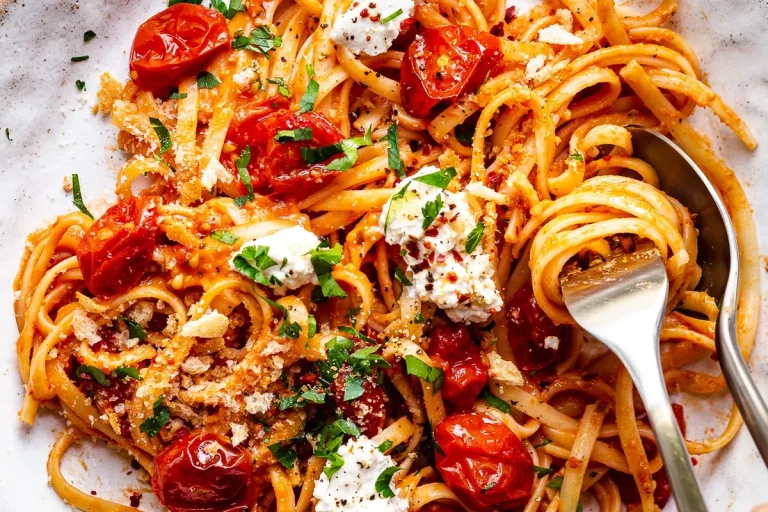
A healthy spaghetti bowl can be very basic. Think tomato sauce, sautéed onions, spinach, beans, and a little Parmesan. That gives you flavor and balance without much fuss.
Frozen vegetables work well too. They save time and money. In a busy week, that can be the difference between cooking at home and ordering takeout.
- Use half pasta and half vegetables for a lighter bowl.
- Choose tomato-based sauces more often than creamy ones.
- Add beans or lean meat for more staying power.
Who Should Be Careful With Spaghetti Pasta
Most people can eat spaghetti in a healthy way. Still, some people need to pay closer attention to the type and amount.
People Watching Blood Sugar
If you have diabetes or need to manage blood sugar, pasta choice and portion size matter a lot. Whole grain or bean-based pasta may work better than refined white pasta.
Pairing spaghetti with protein, vegetables, and healthy fat can also help slow digestion. For personal advice, a doctor or dietitian is the best guide.
People With Gluten Sensitivity or Celiac Disease
Regular spaghetti is usually made from wheat. That means it contains gluten. People with celiac disease should avoid it unless the package clearly says gluten-free.
Even then, check labels carefully. Some products can have cross-contact risks during processing.
People Trying to Cut Calories or Refined Carbs
If you are cutting calories or reducing refined carbs, plain white spaghetti may not be your best daily choice. It can still fit sometimes, but the portion should stay modest.
Vegetable noodles, legume pasta, or a smaller pasta serving with more vegetables may suit your goals better.
- Check whether you want white, whole wheat, or gluten-free pasta.
- Read fiber, protein, and sodium on the nutrition label.
- Choose a shape and brand your family will enjoy.
Final Verdict: Is Spaghetti Pasta Healthy for Most People?
Yes, spaghetti pasta can be healthy for most people when you eat it in a balanced way. The best version is usually whole grain or higher-fiber pasta, served in a sensible portion with vegetables and protein.
If you rely on large servings, creamy sauces, or lots of processed meat, the meal becomes less healthy fast. So the real answer is simple. Spaghetti itself is not the problem. The bowl you build around it is what matters most.
Spaghetti can absolutely fit a healthy diet, especially when you choose higher-fiber pasta and keep portions in check. If you need tighter blood sugar control, avoid gluten, or want fewer refined carbs, choose a better pasta type and build a more vegetable-heavy bowl.
Frequently Asked Questions
Yes, it can be. Spaghetti works well when you keep portions sensible and pair it with protein and vegetables.
Usually, yes. Whole wheat spaghetti has more fiber, which can help you feel full longer.
Large portions, creamy sauces, lots of cheese, and processed meat can make the meal heavier and less balanced.
Many people can, but portion size and pasta type matter. Higher-fiber options and balanced toppings may work better.
Not always. It is helpful for people who need to avoid gluten, but nutrition varies by ingredient.
Use a smaller pasta portion, add vegetables and protein, and choose a lighter sauce more often.