Is Kaizen Pasta Healthy A Simple Nutrition Guide

Kaizen pasta can be a healthy choice if you want more protein and fewer carbs than regular pasta. It works best as part of a balanced meal with sensible portions and a sauce you like.
Yes, Kaizen pasta can be a healthy choice for many people. It’s often higher in protein and lower in net carbs than regular wheat pasta, but the real answer depends on your diet, portions, and what you serve with it.
If you want pasta that feels more filling and fits a lower-carb meal plan, Kaizen pasta is worth a look. Still, it is not magic food. The sauce, toppings, and serving size matter just as much.
- Higher protein: Kaizen pasta often helps meals feel more filling.
- Lower-carb fit: It may suit low-carb and high-protein eating plans.
- Label matters: Ingredients and nutrition can vary by product.
- Cooking matters: Careful timing helps protect texture and taste.
- Best with balance: Pair it with vegetables, lean protein, and light sauce.
Is Kaizen Pasta Healthy? The Short Answer
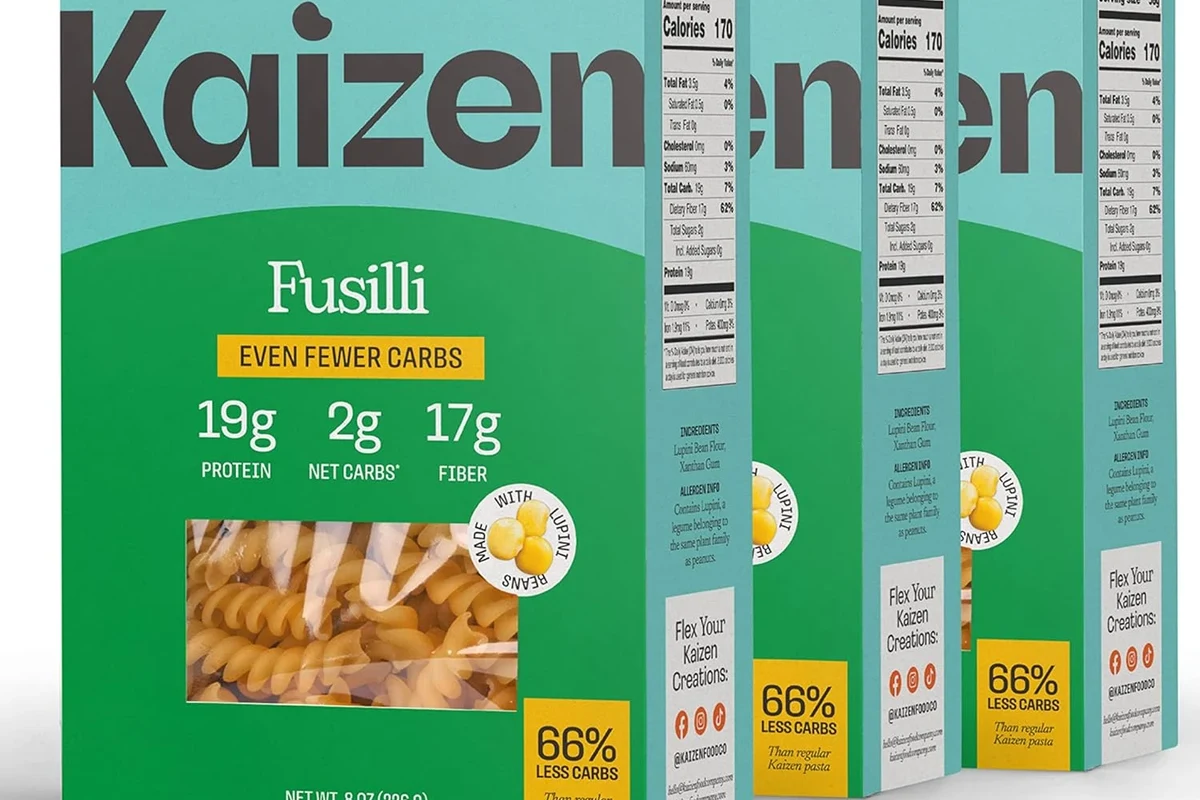
Kaizen pasta is usually seen as a better-for-you pasta option. Many shoppers choose it because it offers more protein and fiber than standard pasta.
That said, “healthy” depends on your goal. For some people, it can help with satiety and blood sugar control. For others, the taste or ingredient list may not be the best fit.
What makes Kaizen Pasta different from regular pasta
Regular pasta is usually made from wheat flour. Kaizen pasta often uses alternative ingredients, such as plant proteins and fiber-rich blends.
This changes the nutrition profile in a big way. You may get fewer digestible carbs and more protein per serving.
Pasta shape can affect sauce cling, but the ingredient mix affects nutrition far more than the shape does.
In short: Kaizen pasta is different because the recipe focuses on protein and fiber, not just wheat starch.
Who may benefit most from it
Kaizen pasta may suit people who want a more filling pasta bowl. It can also work for folks watching carbs, while still wanting a pasta-like meal.
It may be helpful for busy home cooks who want an easy swap. If you often feel hungry after regular pasta, this type may keep you satisfied longer.
- Often higher in protein than standard pasta
- May fit lower-carb meal plans better
- Can feel more filling in smaller portions
In short: It may help if you want more protein, fewer carbs, or a more filling meal.
Kaizen Pasta Nutrition Facts and Key Ingredients
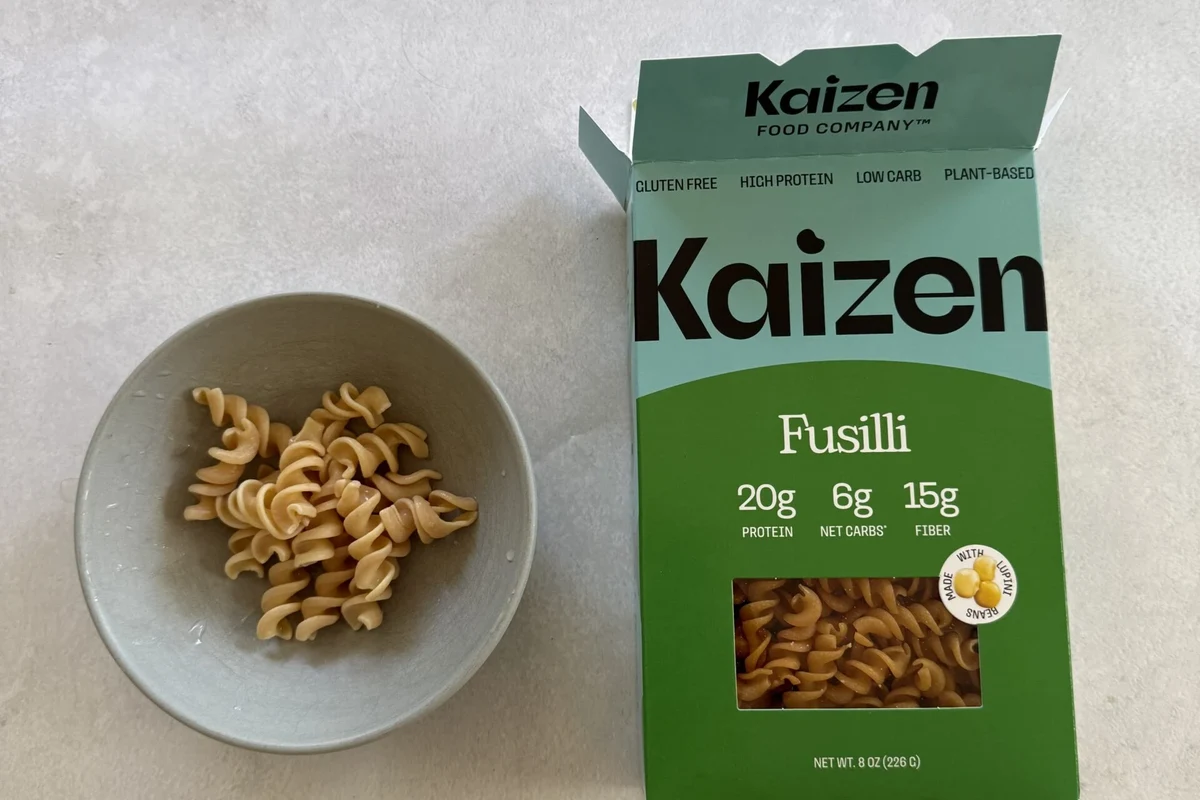
Nutrition can vary by flavor and product version. So, always check the package label before you buy or cook.
The main thing to look for is the balance of protein, fiber, total carbs, and calories. Those numbers tell you how the pasta fits your goals.
Protein, fiber, carbs, and calories
Kaizen pasta is usually marketed as a high-protein pasta. It often has more fiber too, which may help with fullness.
Compared with classic wheat pasta, it often has fewer net carbs. That can matter if you follow a lower-carb plan or want steadier meals.
Calories can still add up if you eat a large bowl. Even a healthier pasta works best in a balanced meal.
Common ingredients and what they do
Kaizen pasta recipes can vary, but they often include protein-rich and fiber-rich ingredients. These ingredients help change both texture and nutrition.
Helps raise protein and make the pasta more filling.
Supports the pasta’s structure and may help digestion.
Help the pasta hold shape during cooking.
May affect taste, look, and ingredient list length.
Some versions may include allergens or ingredients you do not expect. That makes the label worth a close read.
How it compares with wheat and chickpea pasta
Compared with wheat pasta, Kaizen pasta often has more protein and less digestible starch. That makes it appealing for low-carb eaters.
Compared with chickpea pasta, it may have a different texture and ingredient profile. Chickpea pasta often brings more legume taste, while Kaizen may feel closer to a classic noodle shape in some dishes.
| Option | Best For | Key Consideration |
|---|---|---|
| Kaizen pasta | Higher protein, lower-carb meals | Texture and ingredients vary by brand |
| Wheat pasta | Classic taste and familiar texture | Usually lower in protein |
| Chickpea pasta | Plant-based protein and fiber | Can taste more bean-like |
In short: Kaizen pasta often sits between classic wheat pasta and legume pasta in both taste and nutrition.
Health Benefits and Possible Limits
Kaizen pasta has real upsides, but it also has trade-offs. The best choice depends on what matters most to you.
Why some people like it for weight control
Higher-protein foods can help you feel full. That may make it easier to stop at a normal portion.
Fiber can help too. When pasta feels more filling, you may be less likely to snack right after dinner.
- Pair pasta with lean protein and vegetables.
- Use a measured portion before adding sauce.
- Choose tomato-based sauces more often than heavy cream sauces.
Still, weight control depends on the whole meal. A huge serving with rich sauce can cancel out the benefit.
How it may fit low-carb or high-protein diets
Kaizen pasta can fit low-carb eating better than regular pasta. It may also work well for high-protein meal plans.
That makes it useful for people who want comfort food without a big carb load. It can also help athletes and active people add protein in an easy way.
Diet goals vary a lot. A food that fits one low-carb plan may not fit another.
In short: It can fit both low-carb and high-protein eating, but the rest of the plate still matters.
Possible downsides for digestion or taste
Some people need time to adjust to the fiber level. Too much fiber too fast can cause bloating or gas.
Taste and texture can also be a surprise. If you expect wheat pasta, you may find the bite a little different.
- More filling than many regular pastas
- May support lower-carb meals
- Often offers more protein per serving
- Texture may not match wheat pasta
- Fiber may bother sensitive stomachs
- Ingredient lists can vary by product
In short: The biggest limits are digestion, taste, and personal food preferences.
How Kaizen Pasta Works in Real Meals
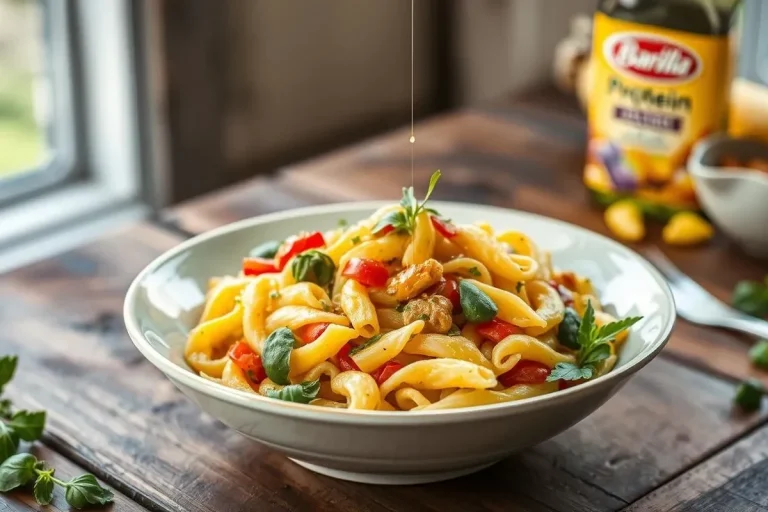
Kaizen pasta works best when you treat it like a base, not the whole meal. Add color, protein, and sauce for balance.
Best ways to cook it for good texture
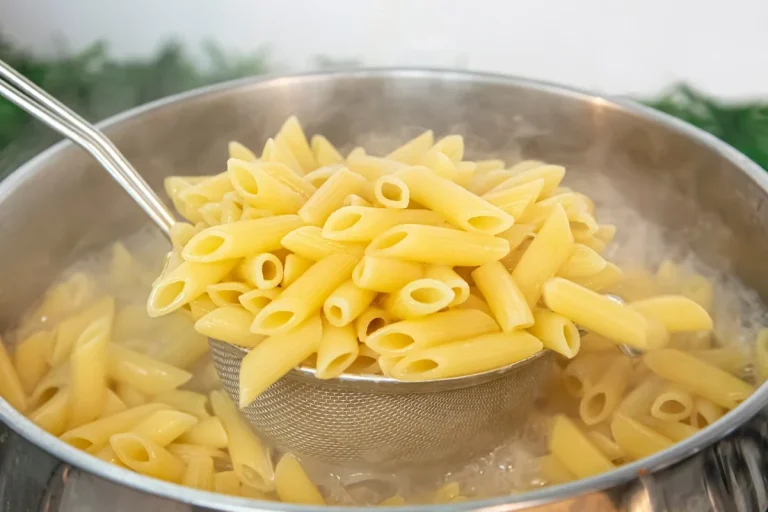
Cooking time can vary by shape and brand. So, follow the package directions first.
Start checking early if you like firmer pasta. Overcooking can make the texture soft or gummy.
- Salt the water if the package allows it.
- Stir early so the pasta does not stick.
- Taste a piece near the end of cooking.
- Boiling it far longer than the label says.
- Rinsing unless the package suggests it.
- Leaving cooked pasta sitting in hot water.
In short: Careful timing matters more here than with many familiar pasta brands.
Simple meal ideas for busy weeknights
Kaizen pasta can save dinner when you need something fast. It works well in simple bowls and skillet meals.
Try it with chicken, turkey, tofu, or beans. Add spinach, peppers, broccoli, or zucchini for more volume.
Use marinara, sautéed vegetables, and grilled chicken.
Mix with tuna, peas, and a light olive oil dressing.
Top with roasted mushrooms and a little parmesan.
That kind of meal feels hearty without needing a huge pile of pasta.
What sauces and toppings work best
Lighter sauces often work well because they let the pasta’s texture stay front and center. Tomato sauce, pesto, and olive oil blends are good places to start.
Heavy cream sauces can still work, but they can make the meal richer fast. If health is your goal, use them more sparingly.
Use sauce as a flavor layer, not a bath. That keeps the meal lighter and easier to balance.
In short: Simple sauces and fresh toppings usually give the best results.
Common Mistakes People Make With Kaizen Pasta
Most complaints come from how people cook or serve it. Small changes can make a big difference.
Using too much sauce or cheese
It’s easy to turn a lighter pasta into a heavy meal. Extra sauce and cheese can raise calories fast.
If you want a healthier bowl, start with less. You can always add more at the table.
Overcooking or undercooking the pasta
Texture matters a lot with alternative pasta. If you cook it too long, it can get soft.
If you stop too soon, it may taste chalky or firm in the wrong way. Taste testing near the end helps.
The pasta turns mushy or sticks together.
Use enough water, stir early, and check doneness often.
Expecting it to taste exactly like wheat pasta
This is a common trap. Kaizen pasta is its own thing.
If you judge it only by wheat pasta standards, you may miss its strengths. Think of it as a different option, not a clone.
In short: The best results come when you cook it carefully and keep your expectations realistic.
Safety, Allergens, and Diet Fit
Always check the package before you buy. Ingredient lists can change, and different versions may suit different diets.
Who should check the label first
Anyone with food allergies should read the label closely. The same goes for people with celiac disease, diabetes, or digestive issues.
Also check for added ingredients like gums, fibers, or protein sources. These can affect how the pasta feels in your body.
If you have a medical diet, do not rely on front-of-box claims alone. Read the full ingredient list and nutrition panel.
Gluten-free, keto, and low-carb questions
Some Kaizen pasta products may be gluten-free, but not all versions are the same. You need to verify the label on the exact package.
It may also fit keto or low-carb plans better than wheat pasta. Still, your daily carb limit and serving size matter.
When to ask a doctor or dietitian
Ask a professional if you have a health condition that changes how you eat. This includes diabetes, IBS, celiac disease, or food allergies.
A dietitian can help you decide if the pasta fits your goals. That is especially useful if you track carbs or fiber closely.
Follow the package directions and stop using any product that smells off, looks damaged, or seems spoiled.
In short: Safety and diet fit depend on the exact product, not the brand name alone.
Cost, Value, and Buying Tips
Kaizen pasta often costs more than standard pasta. That is common for specialty foods with higher protein or fiber.
How the price compares with other pasta options
Regular wheat pasta is usually the cheapest option. Chickpea and other protein pastas often sit in a higher price group.
Kaizen pasta usually competes in that same premium space. The value depends on whether you will actually use its nutrition benefits.
What to look for on the package
Check the protein, fiber, and serving size first. Then look at the ingredient list and allergen note.
If you care about taste, look for reviews that mention texture. That can help you avoid a box you may not enjoy.
- Protein, fiber, and serving size
- Ingredient list and allergen notes
- Cooking time and texture comments
- Price per serving and package size
Best choice for health-focused shoppers
If your goal is better nutrition, Kaizen pasta can be a smart pantry swap. It gives you more room to build a balanced bowl.
If you want the lowest cost or the most classic pasta taste, regular wheat pasta may still win.
In short: Buy Kaizen pasta when nutrition matters more than price or classic texture.
Final Verdict: Is Kaizen Pasta Worth It?
For many people, yes, Kaizen pasta is a healthy choice. It can offer more protein and fiber than regular pasta, which may help with fullness and meal balance.
But it’s best viewed as a smart alternative, not a perfect food. The label, the sauce, and the portion size all shape the final result.
Best for health goals and everyday use
Choose Kaizen pasta if you want a lower-carb, higher-protein pasta option. It can work well for weeknight dinners, meal prep, and simple comfort meals.
It’s also a good pick if you want to feel full without using a huge portion.
When a different pasta may be the better pick
Choose another pasta if you want the most familiar wheat taste and texture. It may also be better if you have a sensitive stomach and react to added fiber.
If budget matters most, regular pasta usually gives you the best value.
Kaizen pasta is a solid choice for health-minded shoppers who want more protein and fewer carbs. If you care most about classic taste, lower cost, or very simple ingredients, another pasta may fit better.
In short: Kaizen pasta is healthy for many people, especially when you keep portions sensible and build a balanced meal.
Frequently Asked Questions
It can be for many people because it often has more protein and fewer digestible carbs. Still, the healthier choice depends on your diet, portion size, and sauce.
It may fit low-carb eating better than wheat pasta. Check the nutrition label and your daily carb target before you decide.
It can for some people, especially if the fiber level is new to them. Start with a smaller portion if you have a sensitive stomach.
Follow the package directions, since cook time can vary by shape and brand. Taste it near the end so you do not overcook it.
Simple sauces like tomato, pesto, or olive oil often work well. Heavy cream sauces can make the meal richer and higher in calories.
Check the ingredient list, allergens, serving size, protein, fiber, and cooking directions. If you have a medical diet, ask a doctor or dietitian first.