How Many Oz of Pasta in a Cup Easy Measurement Guide

One cup of pasta can weigh anywhere from about 2 to 4 ounces, depending on the shape and whether it is dry or cooked. For the best accuracy, weigh dry pasta on a kitchen scale.
If you’re asking how many oz of pasta in a cup, the short answer is this: it depends on the pasta shape and whether it’s dry or cooked. For most dry pasta, 1 cup is often close to 2 to 4 ounces by weight, but the exact amount can shift a lot.
That’s why pasta charts can feel confusing at first. A cup measures space, while ounces measure weight.
- Dry vs. cooked: Dry pasta and cooked pasta measure very differently.
- Shape matters: Long pasta usually weighs less per cup than small pasta.
- Best method: A kitchen scale gives the most accurate pasta amount.
- Using cups: Light, level scoops work better than packed cups.
How Many Oz of Pasta in a Cup? The Quick Answer
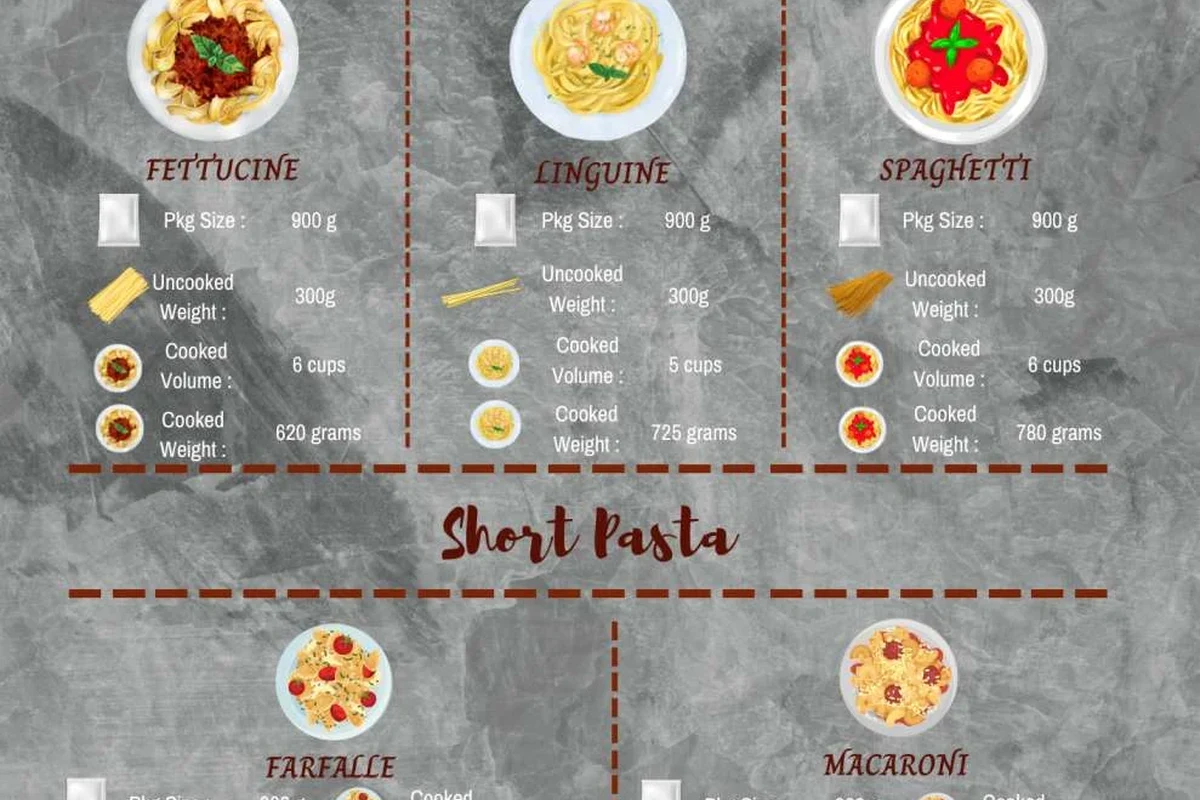
The simplest answer is that there is no single perfect number for every pasta. Dry pasta and cooked pasta do not measure the same way, and shape changes the result too.
As a rough guide, 1 cup of dry pasta often weighs about 2 ounces for long shapes and about 3 to 4 ounces for short shapes. Cooked pasta is different because it absorbs water and expands.
Dry pasta vs cooked pasta
Dry pasta is compact, so a cup can hold more pieces by weight than you may expect. Once cooked, the pasta swells and takes up more space.
That means 1 cup of dry pasta does not turn into 1 cup of cooked pasta. In many cases, it becomes about 2 cups after cooking, but the exact amount varies.
Why the answer changes by shape
Shape changes how air moves between pieces. Long pasta leaves more space in the cup, while small pasta settles more tightly.
For example, a cup of spaghetti strands weighs less than a cup of small shells. The cup is the same, but the pasta inside is packed very differently.
How Pasta Measurement Works in Real Life
Pasta measurement gets easier once you separate weight from volume. Ounces tell you how heavy the pasta is, and cups tell you how much room it fills.
For home cooking, that difference matters a lot. It affects portion size, recipe results, and how much food you cook for the table.
Weight in ounces vs volume in cups
When a recipe says ounces, it usually means weight. When it says cups, it means volume.
So 2 ounces of pasta is not always the same as 1 cup of pasta. The number changes with the shape, cut size, and how it sits in the cup.
Many boxed pasta recipes use ounces by weight because it gives more consistent results than cups.
Why a cup is not the same for every pasta type
A cup is a fixed volume, but pasta pieces do not all fill that space the same way. Some shapes stack neatly. Others leave lots of air gaps.
That is why a cup of elbow macaroni can weigh more than a cup of spaghetti. The pasta shape changes the packing density.
How density affects the final amount
Density is just a simple way to say how tightly something fits into a space. Dense pasta fills a cup with more weight.
Less dense pasta leaves more empty space. That is why a loose cup of long pasta can weigh less than a tightly packed cup of small pasta.
Brand size, cut length, and how you fill the cup can all change the final weight.
Common Pasta Shapes and Their Cup to Ounce Estimates
These are practical estimates for dry pasta. They help with everyday cooking, but they are not exact for every brand or shape.
Spaghetti, linguine, and other long pasta
Long pasta usually weighs less per cup than short pasta. The strands do not settle as tightly, so more air stays between them.
As a rough estimate, 1 cup of dry spaghetti or linguine is often around 2 ounces. That can shift if the strands are broken or packed down.
Macaroni, penne, and short pasta
Short pasta pieces fit into a cup more tightly. They also settle more evenly when you shake the cup.
For many short shapes, 1 cup of dry pasta often lands around 3 to 4 ounces. Penne, ziti, and elbow macaroni can all vary a bit.
Small pasta like orzo, ditalini, and shells
Small pasta fills space fast and often weighs the most per cup. The pieces nest together and leave less air.
For orzo, ditalini, and small shells, 1 cup can be near 4 ounces or a little more. The exact amount depends on the shape and brand.
| Option | Best For | Key Consideration |
|---|---|---|
| Long pasta | Simple portioning | Usually lighter per cup |
| Short pasta | Everyday recipes | Often weighs more per cup |
| Small pasta | Soups and sides | Can pack tightly in the cup |
How to Measure Pasta the Right Way
The best method depends on what tools you have. A kitchen scale gives the most accurate result, but cups still work for most home cooks.
Using a kitchen scale for best accuracy
A scale is the easiest way to match a recipe exactly. It removes the guesswork that comes with shape and packing.
Just place the bowl on the scale, zero it out, and add pasta until you reach the target weight. This works especially well for baking-style precision and larger meal prep.
Using measuring cups when you do not have a scale
If you do not have a scale, use the cup as a rough guide. Do not pack the pasta down hard unless the recipe tells you to.
Fill the cup lightly, then level it off. That gives you a more repeatable result than scooping and pressing.
- Shake the cup gently to settle loose pasta.
- Do not compress the pasta with your hand.
- Use the same cup each time for consistency.
Simple portion tips for one, two, or four servings
Most dried pasta portions are easier to manage when you plan ahead. A small mistake can turn dinner into leftovers for days.
For one serving, start with a modest portion and adjust based on hunger. For two or four servings, measure once, then divide the dry pasta evenly before cooking.
Best for one or two servings.
Best for larger batches and shared meals.
What Affects Pasta Measurements
Several small things can change how much pasta fits in a cup. That is normal, and it does not mean you measured badly.
Dry pasta and cooked pasta expand at different rates
Dry pasta absorbs water during cooking. That makes it heavier and larger.
Cooked pasta also changes shape a little as it softens. Some shapes puff up more than others, so the final cup count can vary.
Brand size and shape can change the count
Not every brand cuts pasta the same way. One box of penne may hold slightly more or less than another.
That is one reason a pasta chart should guide you, not control every meal. It gives a close estimate, but not a perfect rule.
Water, stirring, and cooking time change the final volume
Pasta that cooks longer often becomes softer and may spread out more in the bowl. Stirring can also break strands or separate pieces.
More water does not change the dry measure, but it can affect how evenly the pasta cooks. That changes the final look and feel on the plate.
Common Mistakes People Make When Measuring Pasta
Most pasta mistakes come from mixing up weight, volume, and serving size. The good news is that they are easy to fix.
Confusing ounces by weight with fluid ounces
Dry pasta ounces are weight ounces, not fluid ounces. Fluid ounces measure liquid volume, so they do not apply here.
This mix-up causes a lot of confusion in the kitchen. If a recipe says 8 ounces of pasta, it means 8 ounces on a scale.
Packing pasta too tightly in the cup
Some people press pasta down to make the cup “full.” That can throw off the amount by a lot.
Instead, fill the cup lightly and level it off. Keep the pressure gentle and consistent.
Do not rely on a tightly packed cup if the recipe depends on exact pasta weight.
Guessing serving sizes without checking the label
Many boxes list a serving size by weight. That is the easiest place to start if you want a true portion.
Guessing can lead to too much or too little pasta. A quick label check can save time and reduce waste.
Best Ways to Use This Guide in the Kitchen
This guide is most useful when you treat it like a quick reference. It helps with planning, scaling, and everyday cooking.
Meal planning for family dinners
When you cook for a family, small measuring errors add up fast. A scale or a simple cup chart helps you keep portions steady.
That makes it easier to pair pasta with sauce, protein, and vegetables without running short.
Scaling recipes up or down
If a recipe serves four but you only need two, cut the pasta amount in half. If you need more, scale the dry weight first.
This works better than guessing after the pasta is cooked. Dry measurement gives you a cleaner starting point.
Saving money and reducing food waste
Measuring pasta well helps you cook the right amount. That means fewer leftovers that sit too long in the fridge.
It also helps stretch pantry staples. When you use just what you need, you waste less and spend less over time.
- Dry pasta cups and ounces are not the same thing.
- Long pasta usually weighs less per cup than short pasta.
- A kitchen scale gives the most accurate result.
- Light, level cups work well when you do not have a scale.
Final Recommendation: The Easiest Way to Measure Pasta
If you want the easiest method, use a kitchen scale whenever you can. It gives the clearest answer and works with every pasta shape.
If you only have measuring cups, use them as a guide and keep your scoops light. For most home cooks, that is close enough for weeknight meals.
When to trust a scale, a cup, or a pasta chart
Trust a scale when the recipe needs accuracy. Trust a cup when you want speed and convenience.
Use a pasta chart when you need a fast estimate for shopping or meal planning. It is the best middle ground for most kitchens.
Simple takeaway for home cooks
The real answer to how many oz of pasta in a cup is that it depends on the shape. Long pasta often runs lighter, and small pasta often runs heavier.
So if you remember one thing, make it this. Weight is best, cups are helpful, and the pasta shape decides the rest.
For the most accurate pasta measurement, use a scale and weigh the dry pasta. If you only have a cup, measure loosely and expect the result to vary by shape.
Frequently Asked Questions
It depends on the shape and whether the pasta is dry or cooked. Dry pasta often ranges from about 2 to 4 ounces per cup.
No. Dry pasta expands as it cooks, so the cooked volume is usually much larger.
Long pasta leaves more air space in the cup. That lowers the weight compared with small pasta.
A kitchen scale is the most accurate method. It measures dry pasta by weight instead of volume.
Yes, if you need a quick estimate. Fill the cup lightly and expect some variation by pasta shape.
Different shapes pack differently, and brands can vary in size. That changes how much fits in one cup.