Is Gluten Free Pasta Healthy What You Need to Know

Gluten free pasta can be healthy, but it depends on the ingredients and nutrition label. It is often the best choice for people who need to avoid gluten, especially if it has more fiber and protein.
Yes, gluten free pasta can be healthy. But it depends on the ingredients, the fiber, and what you serve with it. Some versions are a smart choice for people who need to avoid gluten. Others are just refined starch in a different shape.
- Not always healthier: Gluten free pasta can be better, worse, or equal to regular pasta.
- Ingredient matters: Rice, corn, and legumes each bring different nutrition and texture.
- Best for celiac disease: People who must avoid gluten should choose certified gluten free options.
- Legume pasta stands out: Chickpea and lentil pasta often offer more protein and fiber.
Is Gluten Free Pasta Healthy? The Short Answer for 2026
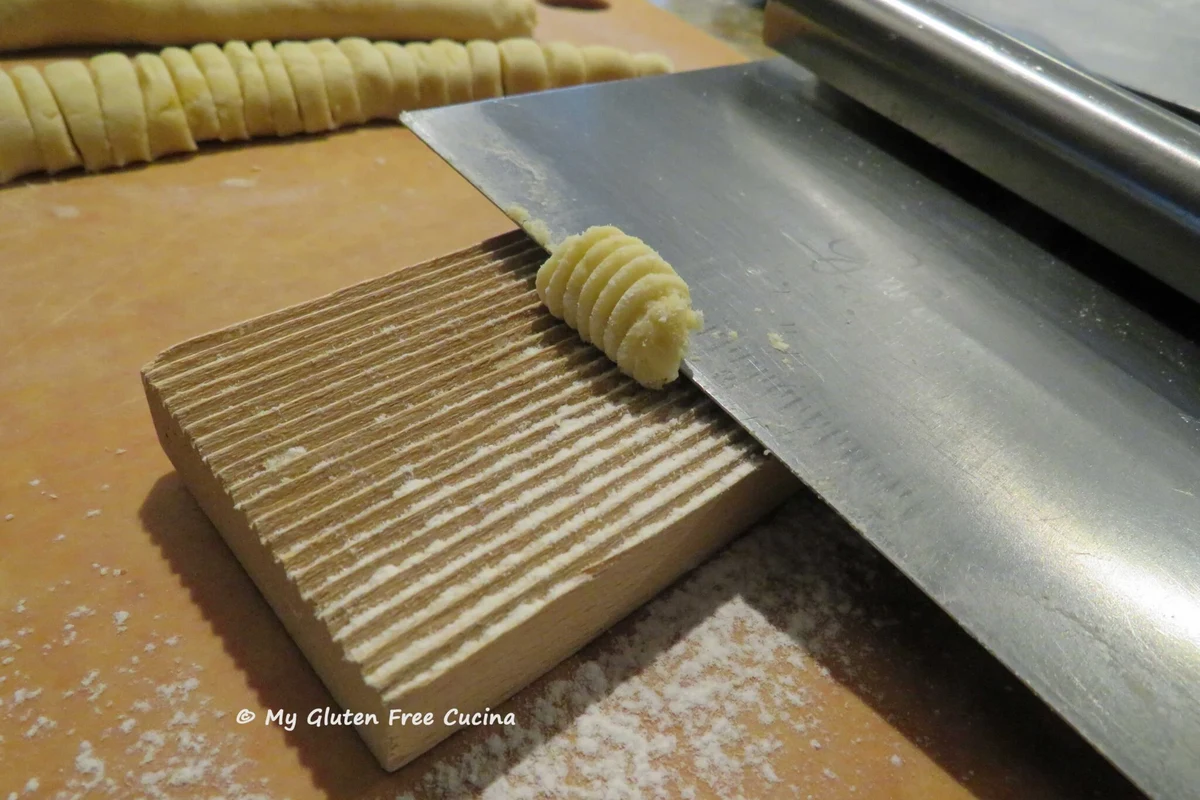
Gluten free pasta is not one single food. It can be made from rice, corn, quinoa, lentils, chickpeas, or a mix of grains and beans. That means the health value changes a lot from brand to brand.
In short, gluten free pasta can fit a healthy diet, but it is not always healthier than regular pasta.
What “healthy” really means for pasta
When people ask if pasta is healthy, they usually mean more than calories. They want to know if it gives steady energy, helps them feel full, and fits their diet goals.
For pasta, “healthy” often means more fiber, a decent amount of protein, and not too much added salt or sugar. It also means the pasta works well with a balanced meal.
In short, the healthiest pasta is the one that supports your full meal, not just the noodle itself.
Who may benefit most from gluten free pasta
People with celiac disease need to avoid gluten. For them, gluten free pasta is not a trend. It is a basic food choice.
It can also help people with gluten sensitivity or those who avoid wheat for personal reasons. Some families also keep it on hand for mixed diets at home.
In short, gluten free pasta makes the most sense when gluten is a real issue for your body or your table.
When it may not be the better choice
Gluten free pasta is not always the best pick if you want the most fiber or the lowest cost. Some versions use refined starches and offer less nutrition than you expect.
If you do well with regular pasta, a whole wheat or fortified pasta may give you more protein, fiber, and key nutrients. The better choice depends on your needs.
In short, gluten free pasta is useful for some people, but it is not a free health upgrade for everyone.
What Gluten Free Pasta Is Made From
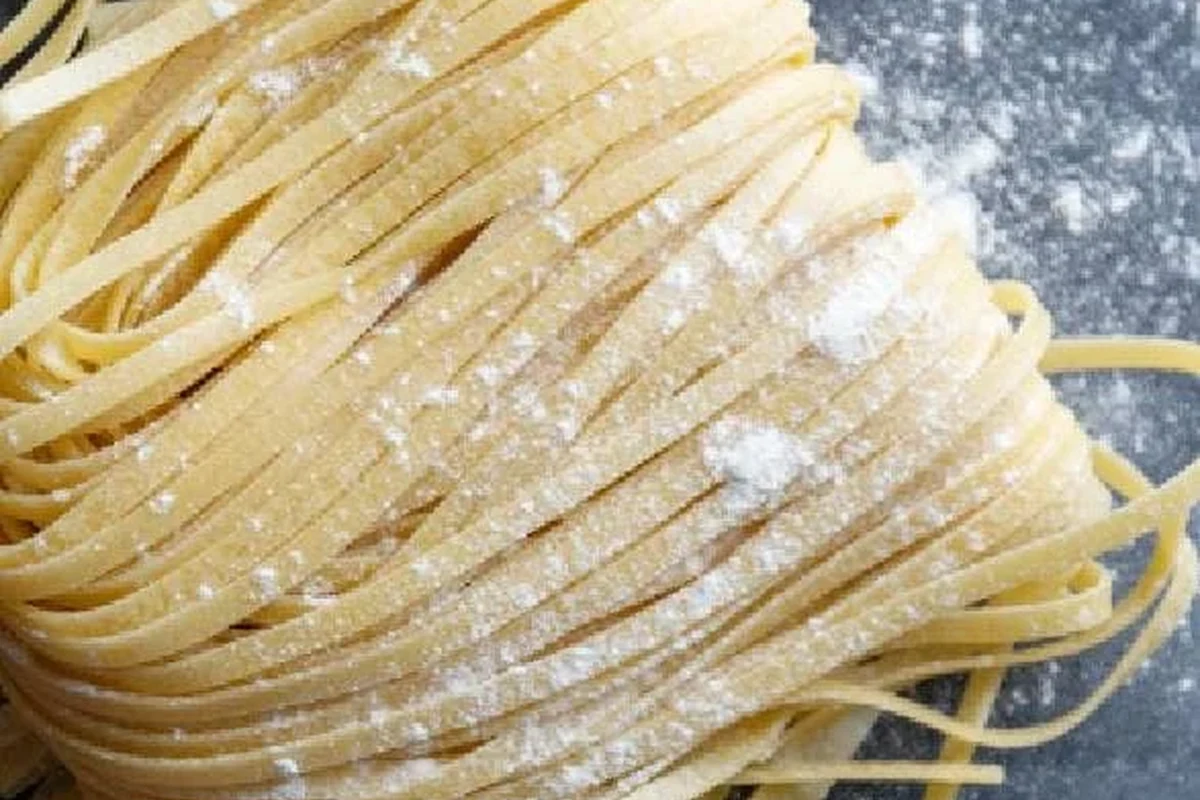
Gluten free pasta comes in many forms. The ingredient list matters more than the front label.
Common ingredients like rice, corn, quinoa, and legumes
Many gluten free pastas use rice flour or corn flour. These are common because they are mild in taste and easy to shape into noodles.
Some brands add quinoa, buckwheat, chickpeas, lentils, or peas. These ingredients can change the nutrition in a good way, especially when beans are used.
In short, the base ingredient tells you a lot about the pasta’s taste and nutrition.
How these ingredients change taste and texture
Rice-based pasta often tastes gentle and familiar. Corn-based pasta can feel slightly firmer or a little sweeter.
Legume-based pasta usually has more body and a stronger flavor. It can also cook differently, so it may need closer attention.
In short, the ingredient choice affects both the bite and the flavor.
Why ingredient labels matter more than the front of the box
The front of the package may say “gluten free,” “high protein,” or “made with ancient grains.” Those claims can be helpful, but they do not tell the whole story.
Check the ingredient list and the nutrition panel. That is where you can spot fiber, protein, added sugar, and whether the pasta is mostly refined starch.
Gluten free does not automatically mean healthier. It only means the product does not contain gluten ingredients.
In short, the label on the front sells the idea. The label on the back tells the truth.
Nutrition Comparison: Gluten Free Pasta vs Regular Pasta
There is no single winner here. The better choice depends on the exact pasta you buy.
Calories, fiber, protein, and carbs
Many gluten free pastas have a similar calorie count to regular pasta. The bigger differences often show up in fiber and protein.
Refined rice or corn pasta may have less fiber and less protein than regular wheat pasta. Legume-based pasta often flips that pattern and gives more of both.
Carbs are still part of the picture either way. Pasta is a carb food, so portion size still matters.
In short, gluten free pasta can be lighter or richer depending on the base ingredient.
How fortified wheat pasta can differ from gluten free options
Many regular wheat pastas are enriched or fortified. That means makers add back some nutrients during processing.
Some gluten free pastas are also fortified, but not all are. If you rely on pasta as a main staple, this detail can matter.
In short, a regular pasta box may sometimes offer more added nutrients than a gluten free one.
Which type keeps you full longer
Foods with more fiber and protein usually help you feel full longer. That is why legume-based gluten free pasta often does better here.
Plain rice pasta may not keep you full as long as a wheat or bean-based option. Sauce, vegetables, and protein also change how satisfied you feel.
In short, the pasta that keeps you full longest is usually the one with more fiber and protein.
| Option | Best For | Key Consideration |
|---|---|---|
| Rice or corn pasta | Simple taste and easy swaps | May be lower in fiber and protein |
| Legume pasta | More filling meals | Stronger flavor and firmer texture |
| Regular wheat pasta | People who eat gluten | Often fortified, but not gluten free |
Health Benefits of Gluten Free Pasta
Gluten free pasta can be a very good option in the right situation. The benefits depend on who is eating it and what kind they choose.
Better choice for people with celiac disease
For people with celiac disease, gluten free pasta is the safe option. Gluten can damage the small intestine in people with this condition.
That makes ingredient control very important. Always check the package for gluten free labeling and follow cross-contact advice from the manufacturer.
If you have celiac disease, check every ingredient and avoid cross-contact in shared pots, strainers, and storage areas.
In short, for celiac disease, gluten free pasta is not just healthy. It is necessary.
Helpful for gluten sensitivity or wheat avoidance
Some people feel better when they cut back on gluten or wheat. Their reasons may vary, and the right diet can be personal.
Gluten free pasta gives those cooks a simple swap for family dinners, casseroles, and meal prep. It can make eating at home easier and less stressful.
In short, it can help people stick with a diet that feels better for them.
Some legume-based pastas add more protein and fiber
Bean and lentil pastas often bring a real nutrition boost. They can offer more protein than standard refined pasta and more fiber too.
That makes them useful for people who want a more filling meal. They also work well for pasta salads, baked dishes, and hearty tomato sauces.
Pasta made from legumes often has a stronger flavor, so sauce choice matters more than usual.
In short, legume pasta can be one of the healthiest gluten free picks.
Limits and Common Drawbacks to Know
Gluten free pasta has real strengths, but it also has trade-offs. Knowing them helps you avoid disappointment at dinner.
Some brands are low in fiber and protein
Many gluten free pastas use white rice or corn as the main base. These can be easy to eat, but they may not offer much fiber or protein.
If you choose one of these, the rest of the meal matters even more. Add vegetables, beans, chicken, tofu, or fish to balance the plate.
In short, some gluten free pasta is fine, but not very filling on its own.
Texture can turn mushy if cooked too long
Gluten free pasta can be more sensitive than wheat pasta. A little extra time in the pot can change the texture fast.
It often helps to taste early and stop cooking when the pasta still has a firm bite. Rinsing or draining at the right time can also help.
Set a timer for the low end of the package range, then taste before draining.
In short, careful timing matters more with gluten free pasta.
Some products cost more than regular pasta
Gluten free pasta often costs more because the ingredients and processing can be different. That may not matter for a special diet, but it matters for weekly shopping.
If you cook pasta often, compare value by nutrition, taste, and how well the pasta holds up in your favorite recipes.
In short, the best pasta is not always the cheapest one, but price still counts.
How to Choose a Healthier Gluten Free Pasta
Choosing well is easier when you know what to look for. A few small checks can make a big difference.
Look for short ingredient lists
Short ingredient lists are often easier to trust. They usually make it clearer what the pasta is made from.
A simple list can also help you spot the main base, like rice, corn, quinoa, or lentils. That makes shopping less confusing.
In short, fewer ingredients often mean fewer surprises.
Check for fiber, protein, and added sugar
Fiber and protein are the big nutrition clues. Higher numbers often mean the pasta will feel more filling.
Added sugar should usually be low or absent in plain pasta. If a pasta has a sweet taste on the label, take a closer look.
- Check the first ingredient
- Look for fiber and protein
- Watch for added sugar
- Confirm gluten free labeling
In short, the nutrition panel is your best shopping tool.
Pick the right shape for your sauce and recipe
Shape matters more than many people think. Thin pasta works well with light sauces, while ridged shapes hold thicker sauces better.
For baked dishes, sturdy shapes often hold up better. For soups, smaller shapes can be easier to eat.
In short, the right shape helps the pasta taste better and hold together better.
Best Ways to Use Gluten Free Pasta in Real Meals
Gluten free pasta works best when you treat it like part of a full meal. That is where the real health value shows up.
Simple weeknight dishes that work well
Easy tomato pasta, tuna pasta, pasta salad, and baked pasta all work well with gluten free noodles. The key is not to overload the pot with too many tricky steps.
Simple meals also make it easier to notice which brands you like most. That helps with repeat buying.
In short, start with easy recipes before trying more delicate dishes.
How to boost nutrition with vegetables, beans, and lean protein
Gluten free pasta gets much healthier when you add color and protein. Think spinach, peppers, broccoli, peas, white beans, chicken, shrimp, or tofu.
A little olive oil and herbs can help too. You do not need a heavy sauce to make the meal satisfying.
Add fiber, color, and volume without much fuss.
Helps the meal feel more filling and balanced.
Choose sauces that match the pasta’s texture and flavor.
In short, the pasta bowl matters less than the full plate.
Cooking tips to keep the texture firm
Use a large pot of well-salted water. Stir early so the noodles do not clump.
Check the pasta near the end of the cook time. Drain it as soon as it reaches the texture you want.
If the package says to rinse, follow that guidance. Some brands hold up better with a quick rinse, while others do not need it.
- Cook in plenty of water
- Taste before the full time ends
- Mix with sauce right away
- Serve soon after draining
In short, gluten free pasta rewards close attention.
Final Verdict: Is Gluten Free Pasta Healthy for You?
Gluten free pasta can be healthy, but it is not automatically healthier than regular pasta. The best choice depends on the ingredients, your health needs, and the rest of the meal.
Best for some diets, not automatically healthier for everyone
If you have celiac disease, gluten free pasta is the right choice. If you avoid wheat or feel better without gluten, it can also be a smart option.
But if you do not need to avoid gluten, a regular pasta with more fiber or fortification may be just as good or better. Legume-based gluten free pasta is often the strongest nutrition pick.
In short, gluten free pasta is healthy for some people and helpful for others, but it is not a magic upgrade.
Practical recommendation from the Red Kitchen Project Editorial Team
Our practical take is simple. Choose gluten free pasta when you need it, and choose the version with the best nutrition label when you can.
Look for more fiber, more protein, and a short ingredient list. Then build the meal with vegetables and protein so the bowl feels complete.
Gluten free pasta can be a healthy staple, especially for people who need to avoid gluten. For everyone else, the healthiest choice is usually the pasta with the best mix of fiber, protein, taste, and value.
In short, gluten free pasta is healthy when it fits your needs and comes from a smart ingredient list.
Frequently Asked Questions
Not always. Some gluten free pastas are lower in fiber and protein, while others, like legume-based pasta, can be very nutritious.
People with celiac disease should choose gluten free pasta. It can also help people with gluten sensitivity or wheat avoidance.
Check the ingredient list, fiber, protein, and added sugar. A short list with more fiber and protein is often a better pick.
Many gluten free pastas are more sensitive to overcooking. Taste early and drain as soon as the pasta reaches the texture you want.
Legume-based pasta often has the most protein and fiber. It is a strong choice if you want a more filling meal.
Yes, in most cases. It works best in simple dishes, baked meals, and recipes with sauces that match the pasta shape.