Is Banza Pasta Healthy What You Need to Know

Yes, Banza pasta can be a healthy choice because it has more protein and fiber than regular pasta. It works best in balanced meals, but taste, texture, and cost may not suit everyone.
Yes, Banza pasta can be a healthy choice for many people. It’s made from chickpeas, so it usually has more protein and fiber than regular wheat pasta. That said, “healthy” still depends on your goals, your stomach, and what you serve with it.
- Higher protein: Banza gives you more protein than many wheat pastas.
- More fiber: It can help meals feel fuller for longer.
- Trade-offs: The taste, texture, and price are different from regular pasta.
- Best use: Pair it with vegetables, sauce, and a modest protein.
Is Banza Pasta Healthy? The Short Answer
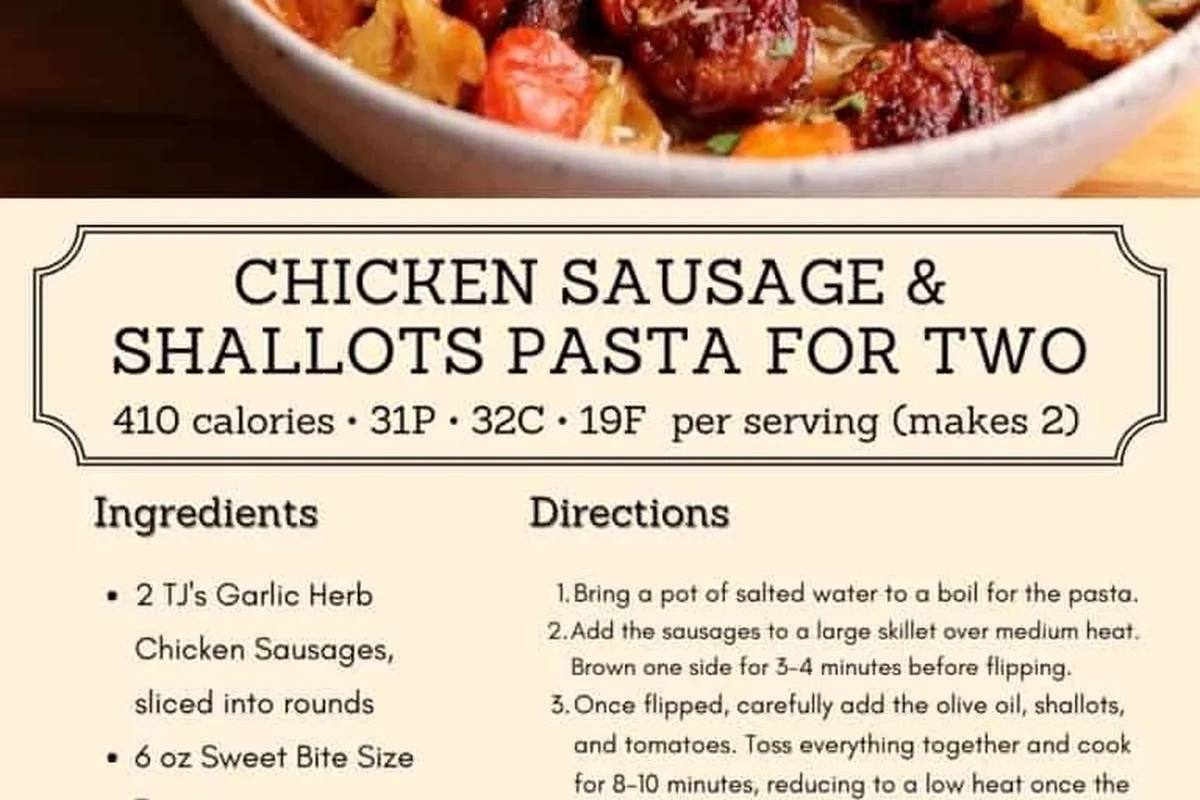
Banza pasta gets a lot of attention because it’s a simple swap with a different nutrition profile. For many home cooks, that makes it a smart pantry option.
Still, it’s not magic food. It can fit a balanced meal, but it won’t turn a heavy sauce or oversized portion into a health food.
What “healthy” really means for pasta
When people ask if pasta is healthy, they usually mean a few things. Does it help you feel full? Does it fit your diet? Does it support your energy and blood sugar goals?
Regular pasta and Banza pasta can both work in a healthy diet. The better choice depends on the rest of the meal and how your body handles it.
Quick verdict for everyday eaters
If you want more protein and fiber, Banza is a strong pick. If you want the closest taste and texture to classic pasta, wheat pasta may still win for you.
In short, Banza is healthy for many people when you use it in normal portions and build a balanced plate around it.
What Banza Pasta Is Made From
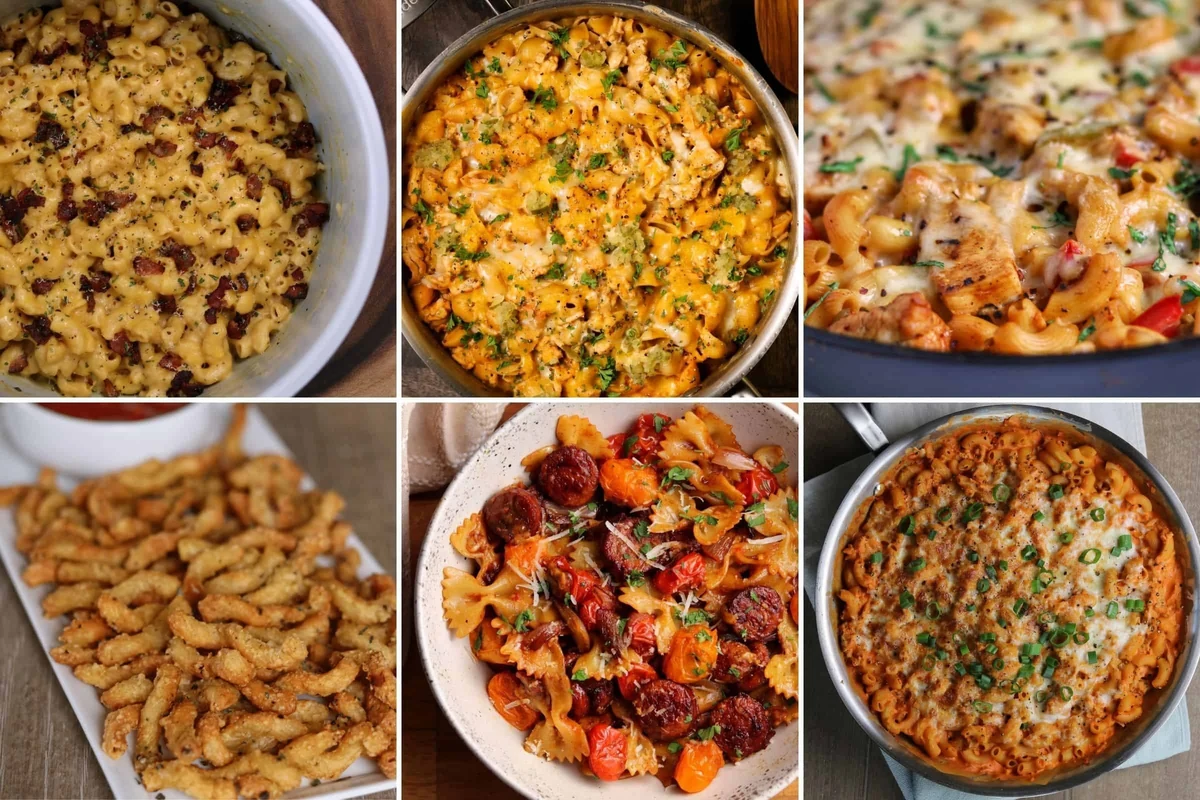
Banza pasta uses chickpeas as the main ingredient. That matters because chickpeas bring more protein and fiber than standard white pasta.
Exact nutrition can vary by shape and recipe, so always check the box. The ingredient list and nutrition label tell you the most useful story.
Chickpeas as the main ingredient
Chickpeas are legumes. They naturally contain plant protein, fiber, and some minerals.
That gives Banza a different profile from wheat pasta. It also gives it a slightly different taste and texture.
Legume-based pastas often feel more filling because they usually contain more protein and fiber.
Typical nutrition facts to check on the box
Look at three things first. Check protein, fiber, and serving size.
Also look at sodium if you eat several packaged foods in a day. The sauce and toppings often add more sodium than the pasta itself.
- Protein per serving
- Fiber per serving
- Serving size on the label
- Ingredients and allergen info
How Banza differs from wheat pasta
Wheat pasta is usually lower in protein and fiber. It often has a softer, more familiar bite.
Banza tends to feel firmer and a little nuttier. Some people love that. Others need time to adjust.
Health Benefits of Banza Pasta
Banza has a few clear upsides. Those benefits matter most when you want a more filling pasta meal without a big change in cooking style.
More protein than regular pasta
Protein helps meals feel more satisfying. That can be useful if you get hungry soon after eating.
For busy days, a higher-protein pasta can make dinner feel more complete. It’s not a full protein source by itself, but it helps.
More fiber for better fullness
Fiber supports fullness and can help slow digestion. That may help some people avoid snack cravings later.
Many people do not get enough fiber. A pasta that adds more can make it easier to build a better meal.
- Higher protein than standard pasta
- More fiber for fullness
- Gluten-free option for some eaters
- Easy swap in familiar recipes
Gluten-free support for some diets
Banza can work well for people who avoid gluten. That said, always check the package for the current allergen statement.
Also, people with celiac disease should look for clear gluten-free labeling and avoid cross-contact risks.
Anyone with celiac disease or a severe allergy should read the label carefully and follow the manufacturer’s allergen guidance.
Why it can fit weight and blood sugar goals
Meals with more protein and fiber can help with fullness. That may support weight goals for some people.
It may also be a better fit for blood sugar control than refined pasta. But the full meal still matters, especially the sauce, bread, and portion size.
Limits and Downsides to Know
Banza is not the best choice for everyone. Some downsides are about digestion. Others are about taste, texture, and cost.
Digestive issues for some people
Chickpeas can be harder to digest for some people. You may notice gas, bloating, or stomach upset if you eat a lot at once.
If you’re new to legume pasta, start with a smaller serving. That gives your body time to adjust.
Taste and texture differences
Banza does not taste exactly like wheat pasta. It has a more bean-like flavor and a firmer bite.
That can be a plus in some dishes. In others, it may feel a little off if you expect classic spaghetti.
Not the best choice for every meal
Sometimes you want the comfort of regular pasta. That’s fine.
If your meal already includes plenty of protein and fiber, the extra boost from Banza may not matter much. In that case, choose the pasta you enjoy most.
- Higher protein than many wheat pastas
- More fiber for a fuller meal
- Works in many classic recipes
- Different taste and texture
- May bother sensitive stomachs
- Usually costs more than basic pasta
How to Use Banza Pasta in Real Life
The best results usually come from simple cooking and smart pairings. Banza works best when you treat it like a sturdy base, not a perfect clone of wheat pasta.
Best ways to cook it without mushiness
Cook it in plenty of salted water. Stir early so it doesn’t stick.
Check it a minute or two before the box time ends. Chickpea pasta can go from firm to mushy fast.
- Keep the boil steady, not weak.
- Taste early for the best texture.
- Drain right away when it’s done.
- Mix with sauce soon after draining.
Simple meal ideas that work well
Use Banza in dishes where sauce and toppings bring strong flavor. Think marinara, pesto, roasted vegetables, or a light cream sauce.
It also works in pasta salads if you cool it fast and toss it with enough dressing.
How to pair it with sauces and protein
Because Banza already adds protein, you don’t need a huge amount of meat. Chicken, shrimp, tofu, beans, or cheese can all work.
A good rule is to build half the plate with vegetables. Then add sauce and protein for balance.
Common Mistakes People Make With Banza Pasta
Most bad results come from simple mistakes. The good news is that they’re easy to avoid.
Overcooking the pasta
This is the biggest one. Chickpea pasta gets soft quickly if you let it go too long.
Set a timer and taste it early. That small step can save the whole meal.
The pasta turns soft or breaks apart.
Check doneness early and drain as soon as it reaches the texture you want.
Expecting it to taste exactly like wheat pasta
If you expect a perfect twin, you may feel disappointed. Banza has its own flavor and bite.
Try it with bold sauces first. That helps the difference feel more natural.
Ignoring portion size and toppings
A healthy pasta meal can still become heavy fast. Cheese, oil, cream sauce, and large portions add up.
Use Banza as one part of the meal. Don’t let the toppings do all the work in the wrong direction.
Cost, Value, and Who It’s Best For
Banza usually sits above basic pasta in price. That doesn’t make it bad value, but it does change the decision for some shoppers.
How Banza compares on price
In general, chickpea pasta costs more than standard boxed pasta. You’re paying for the different ingredients and nutrition profile.
If you buy pasta often, that difference can matter. If you use it a few times a month, the extra cost may feel worth it.
Best for busy families, gluten-free eaters, and high-protein goals
Banza makes sense for families who want a fast dinner with more nutrition. It also fits people who need gluten-free options.
If you want a more filling lunch or dinner, it can help there too. That’s especially true when you pair it with vegetables and a solid protein.
Good when you want a quick meal with more staying power.
Useful if the package fits your allergen and diet needs.
Helpful when you want more protein without changing the whole recipe.
When a regular pasta may be the better pick
Choose regular pasta if you want the most classic texture. It may also be better if your stomach handles wheat well and you want the lowest cost.
Sometimes comfort matters more than nutrition math. That’s a valid choice too.
Final Recommendation: Should You Buy Banza Pasta?
Banza pasta is a healthy option for many people, especially if you want more protein and fiber. It’s a good swap for some meals, but not the only good pasta choice.
Best overall verdict for 2026
For 2026, our take is simple. Banza is worth buying if you want a more filling pasta and you like chickpea-based foods.
If you want the cheapest pasta or the closest classic taste, regular wheat pasta may still be the better fit.
Banza pasta is a solid healthy choice for many home cooks, especially for protein, fiber, and gluten-free needs. The main trade-off is taste, texture, and higher cost, so it works best when those limits don’t bother you.
Simple buying tips before you shop
Read the label before you buy. Check the serving size, protein, fiber, and allergen notes.
Then think about how you cook pasta at home. If you like bold sauces and simple meals, Banza is easy to use well.
- Banza can be a healthy pasta choice for many people.
- It offers more protein and fiber than regular wheat pasta.
- Texture, digestion, and cost are the main trade-offs.
- It works best in balanced meals with smart portions.
Frequently Asked Questions
It can be, especially if you want more protein and fiber. The better choice depends on your goals and the rest of the meal.
Not exactly. It has a firmer texture and a light chickpea flavor, so some people love it and others need time to adjust.
It may help some people feel fuller, which can support weight goals. Portion size and toppings still matter a lot.
It can be a good fit if the package is labeled gluten-free. People with celiac disease should always check the allergen statement.
Overcooking is the most common mistake. Check it early and drain it as soon as the texture feels right.
Choose regular pasta if you want the most classic texture, the lowest cost, or you already get enough protein and fiber from the rest of your meal.