What Is Healthier Rice or Pasta or Potatoes for You

Potatoes are often the healthiest overall choice because they’re filling and nutrient rich. Brown rice and whole grain or legume pasta are strong picks when you want more fiber or a different meal style.
If you’re asking what is healthier rice or pasta or potatoes, the honest answer is this: none wins every time. The healthiest choice depends on the type, the portion, and what you serve with it.
For most people, potatoes often offer the best nutrition per bite. But brown rice, whole wheat pasta, and sweet potatoes can all fit a healthy meal too.
- Best overall: Plain potatoes often offer the best mix of nutrients and fullness.
- Better fiber: Brown rice and whole grain pasta usually beat refined versions.
- Cooking matters: Boiled, baked, and steamed foods stay lighter than fried ones.
- Meal balance: Add vegetables and protein to make any of the three healthier.
What Is Healthier: Rice, Pasta, or Potatoes?
These three foods can all be part of a balanced diet. The real difference comes from the kind you choose and how you cook it.
White rice, white pasta, and plain potatoes are all starchy foods. They give you energy, but they do not all fill you up the same way.
The short answer based on common health goals
If you want the most nutrients, potatoes usually come out ahead. They give fiber, potassium, and vitamin C, especially when you keep the skin on.
If you want slower digestion, brown rice or whole wheat pasta may be better. If you want the most filling option for fewer calories, plain boiled or baked potatoes often work well.
Why the “healthiest” choice depends on your plate
A bowl of pasta with cream sauce is very different from pasta with beans and vegetables. The same is true for rice and potatoes.
When you add protein, vegetables, and healthy fats, the meal becomes more balanced. That often matters more than the starch itself.
Nutrient values change by variety, brand, and serving size. Cooking style also changes the final result.
How These Foods Compare Nutritionally
Let’s look at the big picture. Calories, fiber, protein, and blood sugar impact all shape how these foods fit into your day.
Calories, carbs, and portion size
All three foods are rich in carbs. That means they all provide quick fuel, but they can also add up fast if portions grow too large.
Potatoes can look bigger on the plate for the same calorie count. That can help some people feel satisfied sooner.
| Option | Best For | Key Consideration |
|---|---|---|
| Rice | Simple meals and easy pairing | White rice is lower in fiber |
| Pasta | Hearty meals and sauces | Portion size can climb fast |
| Potatoes | Fullness and nutrient value | Frying adds a lot more fat |
Fiber, protein, and satiety
Fiber helps you feel full longer. Protein does too.
White rice has less fiber than brown rice. Regular pasta also has less fiber than whole wheat or legume pasta. Potatoes have more fiber when you eat the skin.
Potatoes also have a nice fullness factor. Many people feel satisfied with a smaller portion than they expect.
Vitamins, minerals, and blood sugar impact
Potatoes stand out for potassium and vitamin C. Brown rice adds more fiber and a few more minerals than white rice.
Whole wheat pasta usually gives more fiber than refined pasta. That can help slow digestion and support steadier energy.
Cooling cooked potatoes, rice, or pasta can increase resistant starch. That may change how your body digests part of the starch.
Rice vs Pasta vs Potatoes: Best Choice for Different Needs
The best choice changes with your goal. Here’s the simple way to think about it.
Best for weight control
Potatoes often help most with fullness. Boiled, baked, or air-fried potatoes can be very satisfying without a lot of calories.
That said, portion size still matters. A large loaded potato can quickly become a heavy meal.
Best for steady energy
Brown rice and whole wheat pasta often digest more slowly than their refined versions. That can help energy feel steadier through the day.
If you’re active, this slower release can be useful before a long work shift or a busy afternoon.
Best for budget and everyday meals
All three can be budget friendly. Potatoes are often the easiest to stretch into many meals.
Rice also works well in big batches. Pasta is fast and easy, which makes it a go-to on busy nights.
Best for athletic or active lifestyles
Rice and pasta are both useful for quick carb fuel. They digest easily for many people, especially before or after exercise.
Potatoes work well too, especially when you want a filling meal with potassium. The best pick depends on your training and your stomach.
Choose potatoes when you want more fullness from a simple side.
Choose rice or pasta when you need an easy batch meal.
What Kind of Rice, Pasta, or Potatoes Is Healthier?
The type matters a lot. A refined version and a whole-grain version do not act the same in your body.
White rice vs brown rice
Brown rice usually has more fiber than white rice. It also keeps more of the grain’s natural layers.
White rice is not “bad.” It just has less fiber and fewer nutrients than brown rice. It can still fit well in a balanced meal.
Regular pasta vs whole wheat or legume pasta
Whole wheat pasta usually gives more fiber and a bit more protein. Legume pasta can give even more protein and fiber.
Regular pasta still works fine for many meals. It just needs smart portions and good toppings to stay balanced.
White potatoes vs sweet potatoes
White potatoes and sweet potatoes both have good points. White potatoes are rich in potassium and vitamin C. Sweet potatoes bring more beta carotene.
Neither one is automatically healthier. Your toppings and cooking method matter just as much.
- Keep the skin on potatoes when you can.
- Choose whole grain or legume pasta more often.
- Mix white rice with beans or vegetables.
How Cooking Method Changes the Health Value
Cooking can change both nutrition and digestion. It can also change how easy the meal is to overeat.
Boiled, baked, and steamed options
Boiled potatoes, steamed rice, and simple pasta are usually the most basic choices. They keep added fat low.
Baking potatoes works well too. It gives a firm texture without needing much oil.
Why frying and heavy sauces change the picture
French fries, creamy pasta, and buttery rice dishes can turn a simple starch into a rich meal. That’s not always a problem, but it changes the health balance.
Oil, butter, cream, and cheese raise calories fast. They can also crowd out vegetables and lean protein.
Hot oil can splatter and burn. Follow your appliance manual and use safe cooking temperatures and tools.
How cooling cooked starches can affect digestion
When you cool cooked rice, pasta, or potatoes, some starch becomes resistant starch. That means your body digests part of it more slowly.
People use this in cold pasta salads, potato salads, and rice bowls. Still, the final meal depends on the rest of the ingredients.
Common Mistakes That Make These Foods Less Healthy
Most problems come from the extras, not the starch itself. A few small habits can change the whole meal.
Oversized portions
Big portions are the easiest way to turn a simple side into a heavy meal. This happens a lot with pasta.
Use a smaller bowl or plate if that helps. Visual cues matter more than people think.
Too much butter, cream, oil, or cheese
These add flavor, but they also add a lot of calories. A little can go a long way.
Try herbs, garlic, lemon, salsa, tomato sauce, or broth instead. These can add taste without making the dish too rich.
Skipping vegetables and protein
Starch alone can leave you hungry again soon. That often leads to extra snacking later.
Add chicken, fish, eggs, tofu, beans, or lentils. Then add vegetables for color, fiber, and volume.
- Build meals around vegetables, protein, and a smart starch.
- Use simple cooking methods more often.
- Letting sauce and toppings double the calories.
- Calling every fried version a healthy side.
Practical Meal Ideas and Easy Swaps
Healthy meals do not have to be fancy. They just need balance and a few smart swaps.
Simple balanced bowl formulas
Use this easy formula: half vegetables, one quarter protein, and one quarter starch. That works for rice, pasta, or potatoes.
For example, you might use rice with chicken and broccoli. Or pasta with beans, spinach, and tomato sauce.
Healthier swaps for pasta night
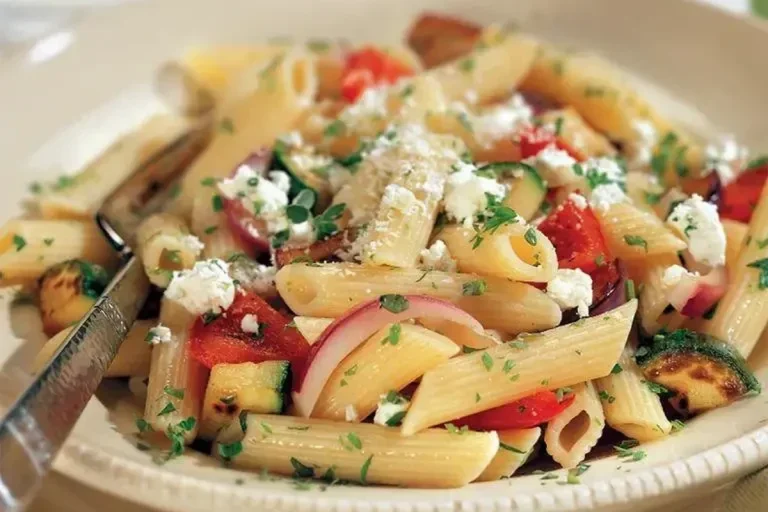
Try whole wheat pasta, chickpea pasta, or lentil pasta. Then add roasted vegetables and a lighter sauce.
If you love creamy pasta, use less cream and more broth or tomato. That keeps the dish rich without going overboard.
Healthier swaps for rice and potato meals
Mix white rice with brown rice for a softer step-up in fiber. You can also add beans, peas, or chopped vegetables.
For potatoes, bake or air-fry them with a light coating of oil. Skip heavy toppings unless they fit your overall meal plan.
- Potatoes often win for fullness and key nutrients.
- Brown rice and whole grain pasta offer more fiber.
- The healthiest meal depends on portions and toppings.
Final Verdict: Which One Should You Choose?
If you want one simple answer, choose the option that fits your goal and your meal. For most people, potatoes are the best overall choice for nutrition and fullness.
Best overall pick for most people
Plain potatoes, especially with the skin on, often give the best mix of fiber, potassium, and satiety. They can be very healthy when baked, boiled, or air-fried.
Still, that does not make rice or pasta a bad choice. They just need the right form and the right portion.
When rice, pasta, or potatoes make the most sense
Pick rice when you want a simple base for stir-fries, bowls, or meal prep. Pick pasta when you want a filling comfort meal that pairs well with sauce.
Pick potatoes when you want strong fullness and a nutrient-rich side. Sweet potatoes are a nice change, but white potatoes also deserve a spot on the table.
Clear recommendation from the Red Kitchen Project Editorial Team
Our editorial view is simple. Potatoes are the best overall pick for most everyday meals, especially when cooked plainly.
Brown rice and whole grain or legume pasta are strong alternatives when you want more fiber or a different meal style. In the end, the healthiest choice is the one you can serve with vegetables, protein, and reasonable portions.
Frequently Asked Questions
Potatoes often win overall because they can be filling and nutrient rich. But the healthiest choice still depends on the type, portion, and toppings.
Brown rice usually has more fiber and more nutrients than white rice. White rice can still fit into a balanced meal.
Whole wheat pasta usually has more fiber than regular pasta. Legume pasta can also add more protein and fiber.
Plain potatoes can help with fullness, which may support weight control. Fried potatoes and heavy toppings change that picture.
Yes. Boiling, steaming, and baking keep added fat lower, while frying and creamy sauces raise calories fast.
Add vegetables and protein, keep portions moderate, and use lighter sauces or seasonings. Choosing whole grain or higher-fiber versions also helps.