How Many Cups in a Pound of Pasta

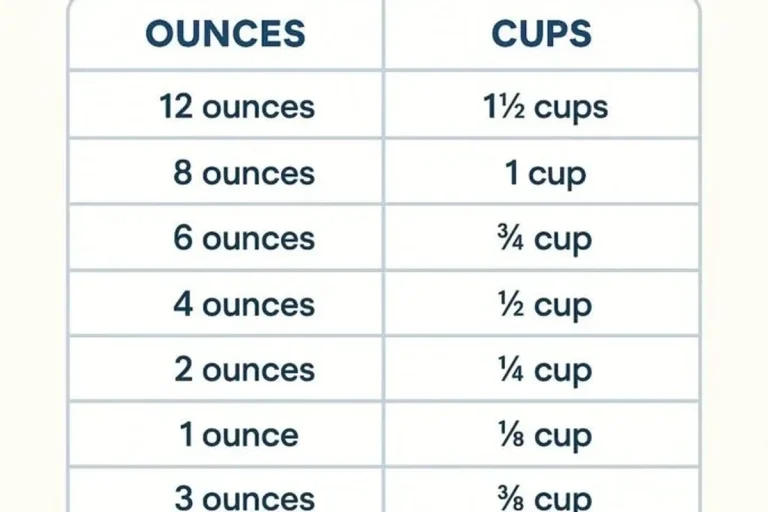
Most dry pasta is about 8 cups per pound, but the exact amount changes by shape. A kitchen scale gives the most accurate result.
If you’re asking how many cups are in a pound of pasta, the short answer is this: it depends on the shape. For most dry pasta, 1 pound equals about 8 cups, but long noodles, small shapes, and packed cups can change that number.
That’s why a simple cup count can be helpful, but it’s not always exact. If you want the best result, measure by weight when you can.
- Quick estimate: Start with about 8 cups per pound of dry pasta.
- Shape matters: Long, short, and small pasta all measure differently.
- Best accuracy: Use a kitchen scale instead of cups when you can.
- Measure dry: Weigh or measure pasta before cooking for better results.
How Many Cups in a Pound of Pasta? The Quick Answer

For many dry pasta shapes, 1 pound is about 8 cups. That works as a useful kitchen estimate for everyday cooking.
Still, the real cup count changes with the pasta shape. A pound of spaghetti does not fill the same number of cups as a pound of elbow macaroni.
Here’s the easiest way to think about it. If you need a quick answer, start with 8 cups per pound for dry pasta.
Then adjust based on the shape. Long pasta takes up more space in a cup. Small pasta packs tighter.
What Changes the Cup Count in Different Pasta Shapes

Pasta shape matters because cup measurements track space, not mass. Two pasta shapes can weigh the same and still fill very different amounts of volume.
That’s why a pound of pasta can look bigger or smaller in a measuring cup. The shape, size, and how the pasta settles all affect the final count.
Long pasta like spaghetti and linguine
Long pasta is the trickiest to measure by cup. The strands leave air gaps, so they don’t settle as tightly as short shapes.
For example, broken spaghetti can fit differently than whole strands. If you break it up, you may get a more compact cup, but that changes the look and feel of the dish.
Long pasta is easier to measure by weight or by bundle size than by cups.
Short pasta like penne, rotini, and shells
Short pasta usually gives a more stable cup count. These shapes settle better in a measuring cup and are easier to level off.
Even so, the count still varies. Tubes, spirals, and shells all trap different amounts of air.
Small pasta like elbows, orzo, and ditalini
Small pasta often packs more tightly than larger shapes. That can make a cup hold more pieces and less air.
Because of that, small pasta may seem heavier in the cup. If you use cups alone, the result can drift from recipe to recipe.
Dry pasta usually expands a lot when cooked, so cup counts change after boiling.
How to Measure Pasta the Right Way
If you want the cleanest result, measure dry pasta before cooking. That gives you a more stable starting point and helps recipes turn out the same way each time.
Weight is the best tool for precision. Cups are still useful, but they work best as a backup.
Use a kitchen scale for the most exact result
A kitchen scale removes most of the guesswork. You can weigh the pasta once and skip the shape problem.
This is the best method for baking-style accuracy, big family meals, and recipe testing. It also helps when you want to scale a recipe up or down.
Measure dry pasta before cooking
Dry pasta is easier to measure than cooked pasta. Once it cooks, it absorbs water and changes size fast.
That means a cup of cooked pasta is not the same as a cup of dry pasta. If a recipe calls for dry pasta, measure it before it hits the pot.
Check package serving sizes when you cook for a crowd
Package labels can help you plan portions. Many boxes list a serving size, which makes it easier to estimate how much you need.
For a crowd, this matters even more. A little extra planning can keep you from running short or cooking too much.
- Weigh pasta first when the recipe matters most.
- Use cups only for quick weekday meals.
- Keep long pasta in loose bundles, not packed cups.
- Write down your usual family portion size.
Common Pasta Measurement Mistakes to Avoid
Most pasta mistakes come from mixing up volume and weight. That sounds small, but it can change the final dish more than you’d expect.
It also helps to remember that not every cup is filled the same way. A loose cup and a packed cup are not equal.
Confusing dry cups with cooked cups
Dry pasta and cooked pasta do not measure the same. Cooked pasta takes in water, so it fills more space.
If a recipe says 2 cups of cooked pasta, don’t swap in 2 cups of dry pasta. The finished dish will end up very different.
Always check whether the recipe means dry pasta or cooked pasta before you start.
Packing pasta too tightly into a cup
Pressing pasta into a cup can throw off the amount. This is a common mistake with small shapes and broken noodles.
Instead, spoon the pasta in gently and level it off. Don’t shake or crush it into the cup.
Using volume alone for all shapes
Volume works okay for some short pasta, but it fails more often with long shapes. That’s because the shape changes how the pasta settles.
If you cook pasta often, a scale saves time and cuts down on waste. It also makes repeat meals much easier.
- Measure dry pasta by weight when possible.
- Use loose, level cups for quick estimates.
- Check whether the recipe means dry or cooked pasta.
- Packing pasta into the cup.
- Assuming every shape has the same cup count.
- Swapping dry and cooked measurements.
Why This Conversion Matters in Real Cooking
This question matters because pasta is one of those foods people make by feel. But when you cook for kids, guests, or meal prep, “a handful” is not always enough.
A good estimate helps you serve the right amount and avoid extra leftovers. It also makes your grocery list more useful.
Better portion control for family meals
Portion control is easier when you know what a pound of pasta looks like in cups. That helps you plan dinner without overdoing it.
For a family meal, that can mean less stress at the stove and fewer complaints at the table.
Smarter recipe scaling for weeknight cooking
When you double or halve a recipe, pasta is one of the easiest ingredients to misjudge. A clear cup estimate helps you scale with more confidence.
This is handy on busy nights when you want dinner to move fast. You can adjust the pasta without redoing the whole recipe.
Less waste and better grocery planning
Knowing the conversion helps you buy the right amount. That means less dry pasta sitting in the pantry and fewer half-used boxes.
It also helps when you plan for leftovers. If you know your household eats more pasta on some nights, you can shop smarter.
Best Tools for Measuring Pasta at Home
You do not need fancy gear to measure pasta well. Still, the right tool can make the job much easier.
Here’s a simple way to pick what works best for your kitchen.
Kitchen scale
A scale is the most exact tool for pasta. It helps you measure by weight, which avoids shape problems.
It’s especially useful if you cook from recipes often or want the same result every time.
Measuring cups
Measuring cups are fast and familiar. They work fine for rough estimates, especially with short pasta.
Just remember that cups are less exact than weight. They work best when you don’t need perfect precision.
Pasta portion tools
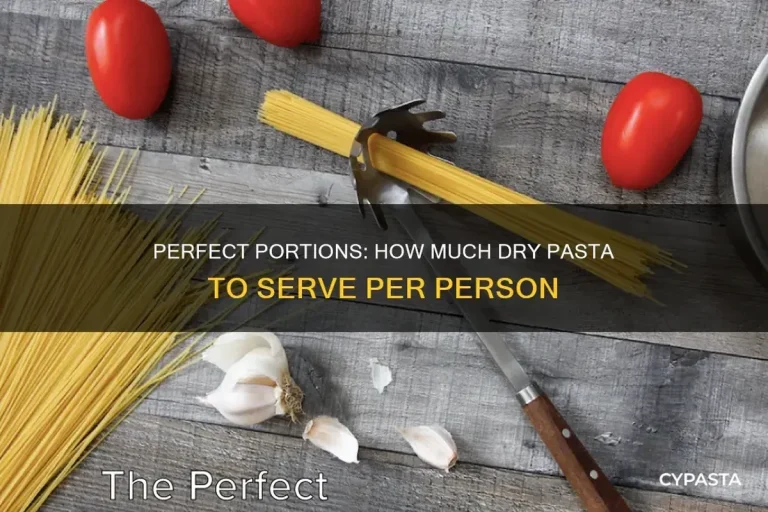
Pasta portion tools can help with simple serving estimates. Some are made for spaghetti, while others work better for smaller shapes.
These tools are handy for quick weeknight meals. They’re not perfect, but they can save time.
- Capacity and dimensions
- Controls, cleaning, warranty, and safety
- How often you cook pasta
- Whether you want speed or precision
Final Takeaway: The Easiest Way to Estimate Pasta Every Time
If you want the simplest answer, start with this: 1 pound of dry pasta is usually about 8 cups. That’s a solid kitchen estimate for many shapes.
But if you want the most accurate result, use a kitchen scale. It’s the easiest way to avoid guesswork and get the same result every time.
For everyday cooking, cups are fine as a rough guide. For exact portions, recipe scaling, and less waste, weight is the better choice.
- Most dry pasta lands near 8 cups per pound.
- Shape changes the cup count more than people expect.
- Measure dry pasta before cooking for better accuracy.
- A kitchen scale gives the most reliable result.
Frequently Asked Questions
Most dry pasta is about 8 cups per pound, but the exact count changes with the shape. Long noodles, short shapes, and small pasta all pack differently.
No. Dry pasta and cooked pasta measure very differently because pasta absorbs water as it cooks. Always check whether a recipe means dry or cooked pasta.
A kitchen scale is the most accurate tool because it measures by weight. Use cups only as a quick estimate when you do not need exact results.
Cup counts change because volume depends on how the pasta settles. Long pasta leaves more air space, while small shapes can pack more tightly.
You can, but cups are less exact for some shapes than others. They work best for quick estimates, not precise cooking.
Measure dry pasta before cooking and use a scale when accuracy matters. Do not pack pasta tightly into a cup or mix up dry and cooked amounts.