Does Dry Pasta Expire How Long It Really Lasts

Yes, dry pasta can expire, but it often stays safe long after the date if it stays dry. Toss it if you see moisture, mold, insects, or a bad smell.
Yes, dry pasta can expire, but it usually stays safe for a long time. Most dry pasta does not spoil fast. The bigger issue is quality, not sudden danger.
- Dry pasta lasts a long time: Low moisture helps it stay stable in the pantry.
- The date is usually about quality: It is not always a hard safety deadline.
- Storage matters most: Keep pasta sealed, dry, and away from heat.
- Bad signs are clear: Mold, bugs, dampness, and odors mean toss it.
Does Dry Pasta Expire? The Short Answer and What It Really Means
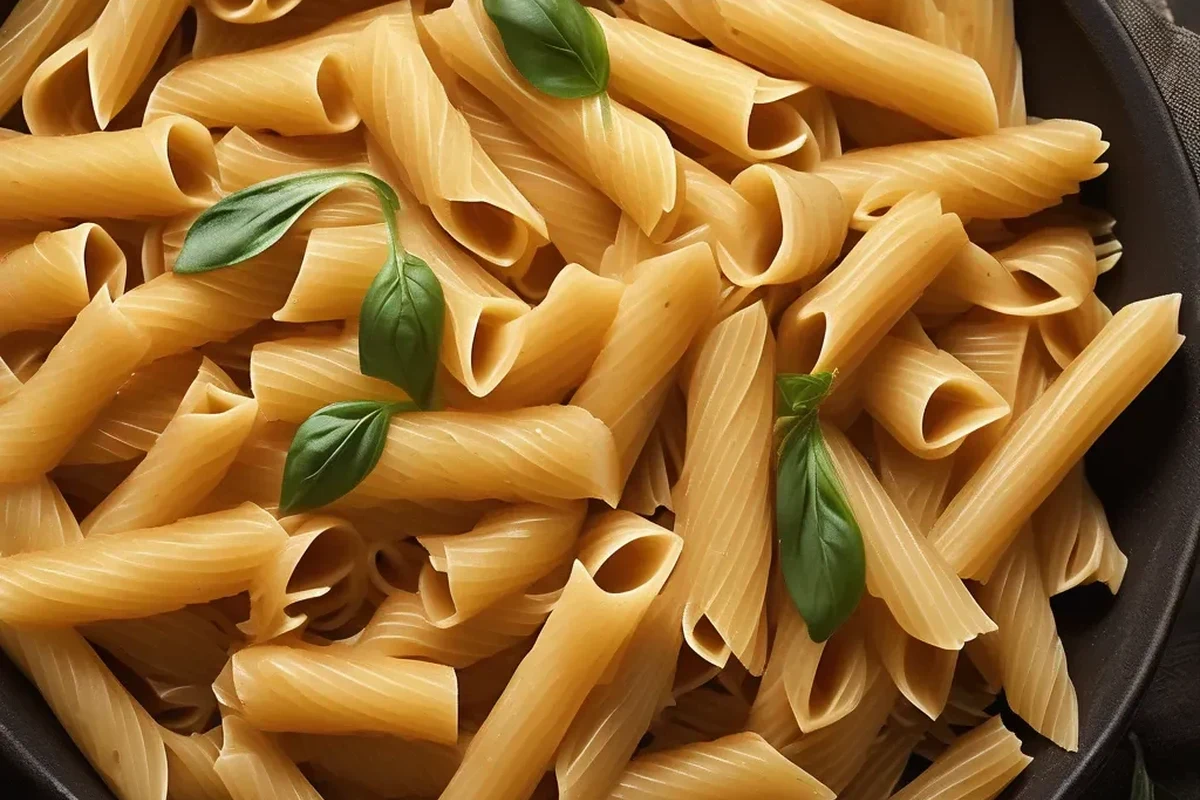
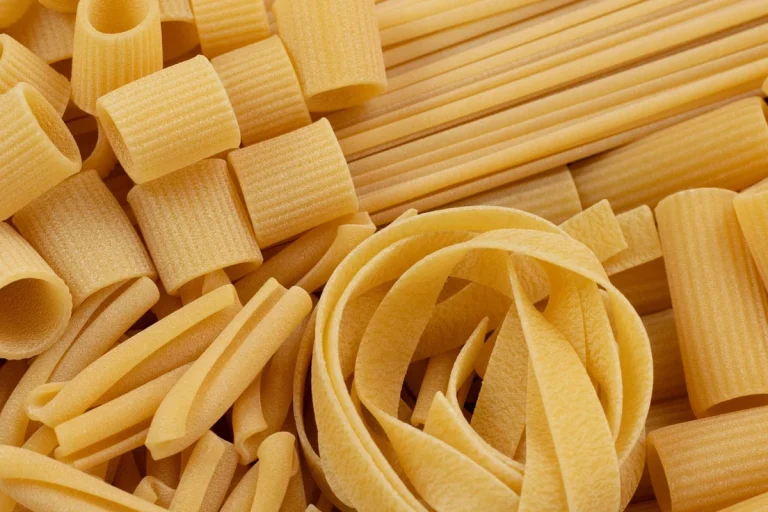
Dry pasta does have a shelf life, even if it does not spoil like fresh food. The date on the box often points to best quality, not a hard safety cutoff.
That means old pasta may still cook fine after the date. It may just taste flat, break more easily, or take on stale odors.
Is dry pasta still good after the date on the box?
Often, yes. If it stayed dry, sealed, and free of pests, it may still be usable for a long time.
How Dry Pasta Stays Safe for So Long
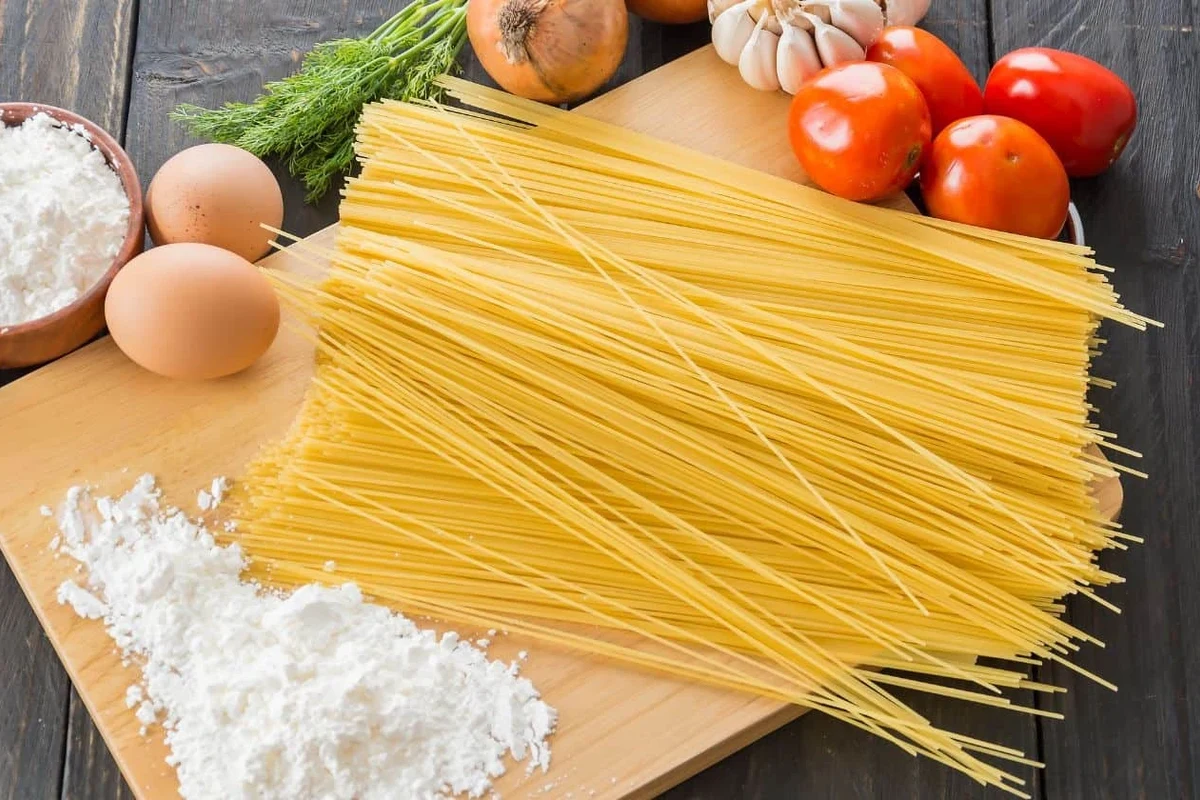
Dry pasta lasts because it has very little moisture. Without much water, mold and bacteria have a hard time growing.
It also gets packaged in a way that helps block air, moisture, and pests. That is why a simple box of noodles can sit in a pantry for months or even years.
Why Low Moisture Matters
Food needs moisture for many germs to grow. Dry pasta is made to stay dry from the start.
When pasta stays dry, it stays stable. If water gets in, the story changes fast.
Dry pasta often keeps its best texture far longer than its best flavor.
What Ingredients Change Shelf Life
Plain wheat pasta usually lasts longer than pasta with added oils, eggs, or fillings. Those extras can age faster.
Gluten-free pasta can also behave differently. Some types break down sooner or lose texture faster, depending on the starch blend.
How Long Dry Pasta Lasts in the Pantry
There is no single exact answer for every box. Shelf life depends on the brand, packaging, storage, and the pasta type.
As a rule, dry pasta can last well past its date if stored well. Still, quality drops over time.
Store-Bought Pasta Shelf Life
Unopened store-bought dry pasta often lasts for a long time in a cool, dry pantry. Once opened, it still keeps well if you seal it tightly.
For the best quality, use it before it picks up pantry smells or moisture. That usually matters more than the printed date.
Homemade Pasta Shelf Life
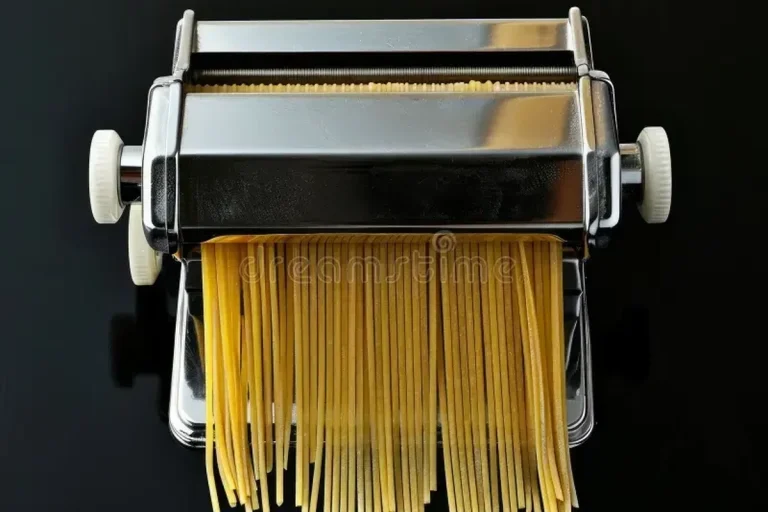
Homemade pasta does not last as long as boxed dry pasta unless it is dried fully. If it still feels soft or cool inside, it is not shelf stable.
Fresh homemade pasta usually needs the fridge or freezer. Drying it well takes care and time.
Fresh vs. Dry Pasta
Fresh pasta and dry pasta are not the same. Fresh pasta has more moisture, so it spoils faster.
Dry pasta wins on pantry life. Fresh pasta wins on soft texture and fast cooking.
Storage time can vary by shape, ingredients, and package type. Always check the package directions when they differ from general pantry advice.
Signs Dry Pasta Has Gone Bad
Dry pasta usually gives clear clues when it is no longer a good choice. Trust your senses first.
If anything looks or smells off, it is safer to replace it.
Look, Smell, and Texture Checks
Check for bugs, webbing, mold, or clumps. These are strong warning signs.
Also look for a musty smell, a stale oil smell, or odd color changes. Pasta should feel dry and firm, not damp or soft.
The pasta smells odd or feels damp.
Do not cook it. Toss it if you see moisture, mold, or pest signs.
When to Toss It Right Away
Throw it out if you see mold, insects, or droppings. Do the same if the package was wet for any reason.
If the pasta was stored near a leak or flood, do not keep it. Water damage can make dry foods unsafe.
Best Ways to Store Dry Pasta for the Longest Life
Good storage matters more than the date on the box. A dry, cool pantry can keep pasta in good shape for a long time.
The goal is simple. Keep out moisture, heat, and pests.
Pantry Storage Tips
Store pasta in a closed cabinet or pantry away from the stove and sink. Heat and steam can shorten shelf life.
After opening, move it to an airtight container if the original bag will not seal well. Glass, plastic, or metal all work if they stay dry.
Cool pantry space
Dry scoop or spoon
How to Keep Out Moisture and Pests
Seal the container well after each use. Do not store pasta near open windows or damp walls.
Keep the pantry clean, too. Crumbs and spills can attract pests.
- Use clean, dry containers with tight lids.
- Check the pantry for leaks and pests often.
- Leave pasta in an open bag for months.
- Store it above a stove or dishwasher.
Is Expired Dry Pasta Safe to Eat?
Often, yes, if it stayed dry and shows no spoilage signs. But the word expired can mean different things.
Some dates are about peak quality. Others may be tied to the maker’s best-use advice.
What Changes With Age
Older pasta may lose flavor and cook less evenly. It can also turn brittle and break more during boiling.
In some cases, the texture gets chalky or dull. That does not always mean it is unsafe.
If pasta shows mold, insects, or water damage, do not taste it to check. Toss it right away.
When It Is Still Fine to Use
If the pasta looks normal, smells normal, and feels dry, it is often fine to cook. Many home cooks use older dry pasta this way.
Just watch the texture as it cooks. It may need a little more or less time than usual.
Common Mistakes People Make With Dry Pasta
Most pasta problems come from storage mistakes, not from the pasta itself. A few small habits can make a big difference.
That is good news for busy kitchens. You do not need fancy gear to store pasta well.
Storage Errors That Shorten Shelf Life
Leaving pasta in a torn box is a common mistake. So is storing it near heat or steam.
Another issue is using a damp spoon or wet hands. Even a little moisture can cause clumping or spoilage.
Cooking Mistakes With Older Pasta
Older pasta may need closer attention in the pot. It can go from firm to soft faster than expected.
Do not assume every shape cooks the same way. Thin pasta and thick pasta can behave very differently.
- Use older pasta in soups if texture is slightly off.
- Taste a piece near the end of cooking.
- Label opened pasta containers with the opening date.
Final Verdict: When to Keep It and When to Replace It
Dry pasta usually lasts a long time, so an old box is not always a problem. If it stayed dry, sealed, and pest-free, it may still be fine to cook.
Replace it if you see moisture, mold, insects, or a bad smell. For the safest result, store pasta in a cool, dry pantry and keep it tightly sealed after opening.
Dry pasta can expire in quality, but it often stays safe far beyond the date on the box if stored well. Keep it when it looks and smells normal, and replace it when you see moisture, pests, or spoilage.
Frequently Asked Questions
Often, the date is about best quality, not a hard safety cutoff. If the pasta stayed dry and sealed, it may still be fine to use.
Look for mold, insects, webbing, damp spots, or a bad smell. If it looks or smells off, toss it.
It can be safe if it stayed dry and shows no spoilage signs. Quality may drop, so check it before cooking.
Keep it in a cool, dry pantry in a sealed container. Avoid heat, steam, and open bags.
No, homemade pasta usually lasts less time unless it is fully dried. Fresh homemade pasta should be refrigerated or frozen.
Do not use it if it was soaked, moldy, or exposed to pests. Water damage can make dry food unsafe.