How Many Carbs in Pasta A Simple Guide for Readers

Most cooked pasta has about 40 to 45 grams of carbs per cup. The exact amount depends on the pasta type, the serving size, and what you add on top.
Pasta carbs depend on the type, shape, and serving size. As a simple rule, one cup of cooked regular pasta has about 40 to 45 grams of carbs.
- Quick answer: One cup of cooked pasta usually has about 40 to 45 grams of carbs.
- Main factor: Dry and cooked pasta weigh different amounts, but the carbs stay the same.
- Best habit: Measure dry pasta and read the label before you cook.
- Watch the extras: Sauce, cheese, and meat can change the final carb total.
How Many Carbs in Pasta? The Quick Answer

If you’re asking how many carbs in pasta, the fast answer is this: most cooked wheat pasta has about 40 to 45 grams of carbs per cup. A small serving can be much lower, while a heaping plate can be much higher.
Dry pasta is different from cooked pasta because it absorbs water. That means the same noodles weigh more after cooking, but the carb amount stays the same.
Nutrition numbers can vary by brand, pasta shape, and whether the label lists dry or cooked pasta. Always check the package serving size before you count carbs.
In short: the carb count is not tricky once you know the serving size.
What Changes the Carb Count in Pasta

Several things change the number you see on the label and on your plate. The biggest ones are moisture, portion size, and the kind of flour used.
Dry Pasta vs Cooked Pasta
Dry pasta has more carbs per ounce because it has no added water. After cooking, it gets heavier and looks like more food, but the carb total does not change.
For example, 2 ounces of dry pasta may cook into about 1 cup or more, depending on the shape. That is why people often misread pasta carbs when they compare dry and cooked amounts.
Pasta can nearly double in weight after cooking because it absorbs water.
Different Pasta Shapes and Brands
Most standard wheat pastas land in a similar carb range. Still, the exact number can shift a little from one brand to another.
Shape also matters for measuring. A cup of small shells does not look like a cup of spaghetti, so eyeballing can lead to errors.
- Use a kitchen scale for dry pasta when you want accuracy.
- Measure cooked pasta in a cup only after it drains well.
- Check the label for serving size before comparing brands.
White, Whole Wheat, and Gluten Free Pasta
White pasta usually has the same general carb count as whole wheat pasta. The main difference is fiber, not total carbs.
Whole wheat pasta often gives you more fiber and a slightly fuller feel. Gluten free pasta can have a similar carb count, but the ingredients vary a lot.
Usually mild in taste and close to standard carb counts.
Often has more fiber and a more hearty bite.
Can use rice, corn, or legumes, so labels vary more.
How Pasta Carbs Fit Into a Healthy Meal
Pasta can fit into a balanced diet without much trouble. The key is to treat it like one part of the meal, not the whole meal.
Portion Size and Serving Tips
A sensible portion helps keep carbs in check. Many labels use a dry serving of 2 ounces, which cooks into a modest bowl of pasta.
If you serve pasta from a big pot, it’s easy to overfill the plate. Start with a smaller scoop, then add more only if you still need it.
Pairing Pasta with Protein and Vegetables
Pasta works better in a meal when you add protein and vegetables. That helps the dish feel more filling and more balanced.
Try chicken, beans, tofu, shrimp, or eggs. Add broccoli, spinach, tomatoes, peppers, or mushrooms for more volume and color.
- Protein can help the meal feel more satisfying.
- Vegetables add bulk without adding many carbs.
- Smaller pasta portions still feel like a full dinner.
Common Mistakes That Change Carb Counts
Most pasta carb mistakes come from measuring the wrong way. Sauce and side dishes can also change the final total fast.
Guessing Serving Sizes
Guessing is the biggest source of error. A “small bowl” can mean very different things from one kitchen to another.
If you want better control, measure dry pasta before cooking. That gives you the clearest carb count.
Forgetting Sauce and Add-Ins
Pasta itself is only part of the meal. Cream sauce, cheese, meatballs, and oil all add calories and can add carbs too.
Tomato sauce may add some carbs, while pesto may add less. The exact total depends on the recipe and the brand.
Sauce labels can be tricky. A serving may be much smaller than the amount people usually pour on pasta.
Mixing Up Nutrition Labels
Some labels list dry pasta, while others list cooked pasta. That difference can make the numbers look very different.
Also watch for “about” servings. A package may say one serving is 2 ounces dry, but your bowl may hold much more.
Low Carb and Higher Protein Pasta Options
Some pasta styles are made for people who want fewer carbs or more protein. They can be useful, but they’re not all the same.
Who They Work Best For
Low carb or high protein pasta can help if you want a lighter meal. They may also work well for people who want more fiber or more protein in one dish.
Bean pasta, lentil pasta, and chickpea pasta are common choices. They often taste a little different from regular pasta, but many home cooks like them.
Limits and Tradeoffs
These pastas often cost more than standard pasta. They can also have a firmer texture or a stronger flavor.
Some hold up well in baked dishes. Others can get soft if you overcook them, so timing matters.
- May offer more protein or fiber
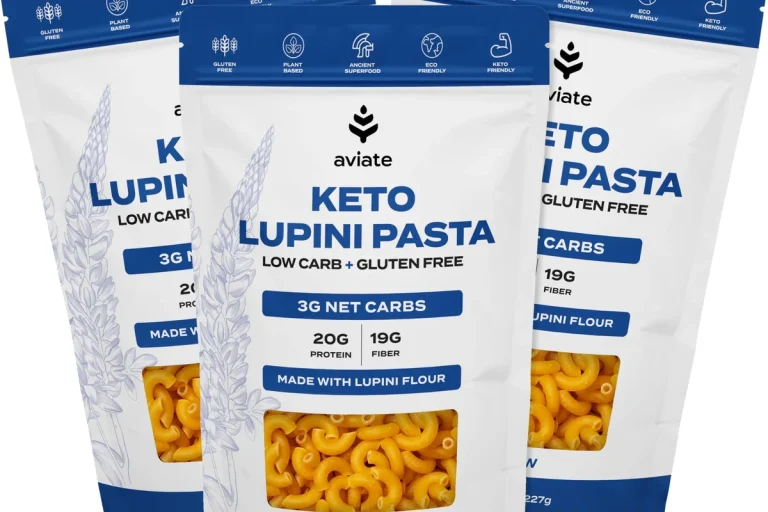
- Can help lower net carbs
- Works well for some diets
- Texture can be different
- Often costs more
- May need careful cooking
How to Read Pasta Labels the Right Way
Reading the label is the best way to know the real carb count. Once you know where to look, it gets much easier.
Serving Size, Fiber, and Net Carbs
Start with the serving size. Then check total carbs, fiber, and sugars if you care about net carbs.
Net carbs are usually total carbs minus fiber. That idea can help some readers, but it’s not a perfect system for everyone.
- Check whether the serving size is dry or cooked.
- Look at total carbs first, then fiber.
- Compare labels by the same serving amount.
What to Watch for on the Package
Look for the grams listed per serving, not just the front of the box. Front labels often highlight “whole grain” or “high protein,” but that does not always mean low carb.
If the package uses a small serving size, do the math before you buy. That helps you avoid surprise carb totals at dinner.
Follow package cooking directions and use care with boiling water. Drain pasta safely to avoid steam burns.
Best Way to Choose Pasta for Your Goals
The best pasta depends on what you want from the meal. Some people want lower carbs, while others want comfort, energy, or easy family dinners.
For Weight Loss
If weight loss is your goal, portion size matters most. A smaller serving of pasta with lean protein and vegetables usually works better than a large plain bowl.
Whole wheat or legume pasta may help some people feel full longer. Still, total calories and the rest of the meal matter too.
For Energy and Sports Meals
Pasta can be a useful carb source before active days or sports. It gives quick fuel, which is why many athletes like it.
For this goal, regular pasta often makes sense. Pair it with protein and a little fat for a steadier meal.
For Family Dinners and Everyday Cooking
For family meals, choose the pasta people will actually eat. A simple dinner that gets finished is often better than a “perfect” meal that sits untouched.
If you cook for mixed needs, serve sauce, cheese, and protein on the side. That makes it easier for each person to build their own plate.
Best when you want tighter carb control.
Best when everyone wants different toppings.
Best when meals need more easy fuel.
Final Recommendation: Choosing the Right Pasta Portion
The best answer to how many carbs in pasta is simple: most cooked pasta has about 40 to 45 grams of carbs per cup, but your real total depends on the serving size. If you want a reliable number, measure dry pasta, read the label, and count the sauce too.
For most home cooks, the smartest move is a moderate portion with protein and vegetables. That keeps dinner balanced and makes pasta fit more easily into everyday eating.
Choose regular pasta for a simple, familiar meal. Choose whole wheat or legume pasta if you want more fiber or protein, but check the label because carb counts still vary.
Frequently Asked Questions
One cup of cooked regular pasta usually has about 40 to 45 grams of carbs. The exact number can change by brand and shape.
Dry pasta is not higher in total carbs, but it has more carbs by weight because it has no water. After cooking, it weighs more, so the same carbs spread across a bigger portion.
Whole wheat pasta usually has a similar total carb count to white pasta. The main difference is that whole wheat pasta often has more fiber.
Measure the dry pasta and check the package serving size first. Then add the carbs from sauce, cheese, and other toppings.
They can be useful if you want more protein or fiber and fewer net carbs. The tradeoff is that texture, taste, and price can be different from regular pasta.
Look at serving size, total carbs, and fiber. Also check whether the label refers to dry pasta or cooked pasta.