How Long Does Dry Pasta Last Before It Goes Bad

Dry pasta usually lasts a long time, and unopened boxes can stay good for years if stored well. Toss it if you see moisture, bugs, mold, or a bad smell.
Dry pasta lasts a long time. In a cool, dry pantry, unopened dry pasta often stays good for 1 to 2 years past the date on the box, and sometimes longer if it still looks and smells normal.
Opened pasta can also last a long time if you store it well. The big risks are moisture, bugs, heat, and bad packaging.
- Long shelf life: Dry pasta often stays good for years when sealed and dry.
- Date matters less: Best-by dates guide quality, not strict safety.
- Storage is key: Cool, dry, airtight storage helps pasta last longer.
- Check before cooking: Smell, look, and inspect for pests or moisture.
- Replace when unsure: Damaged, damp, or odd-smelling pasta should go.
How Long Does Dry Pasta Last Before It Goes Bad
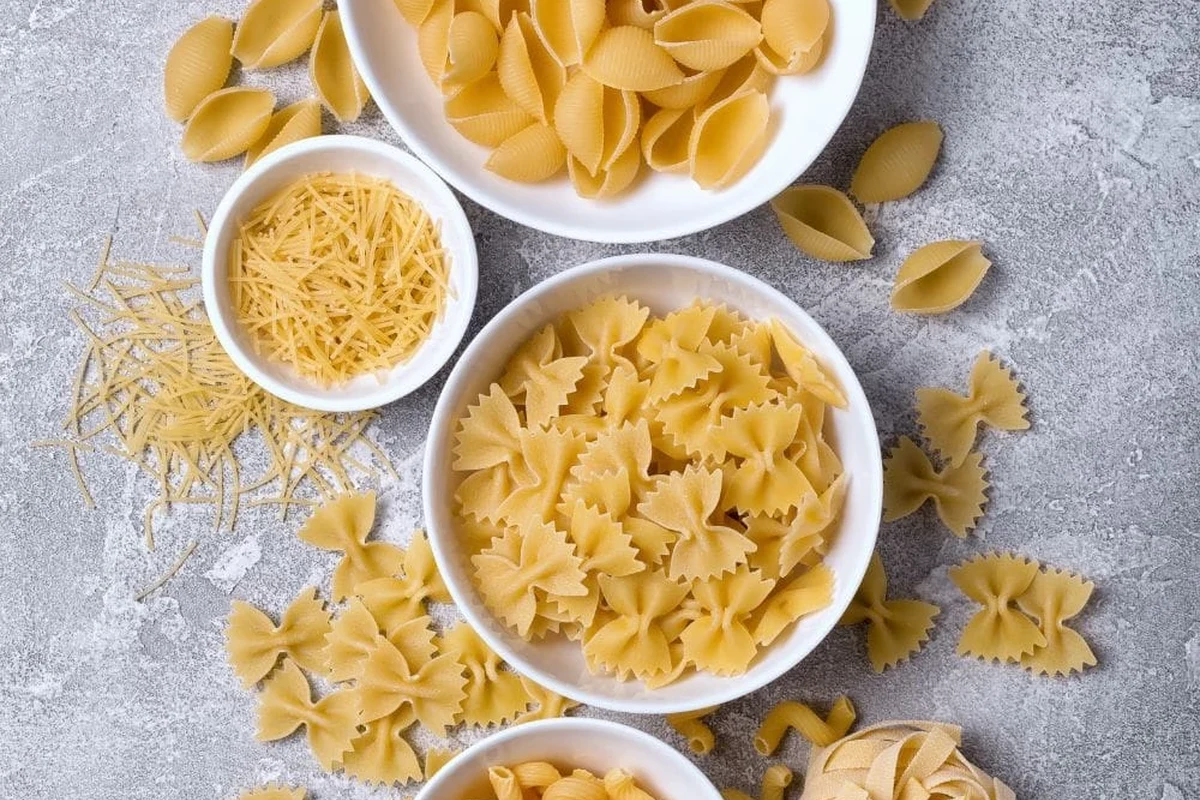
Most dry pasta does not spoil quickly. It is a low-moisture food, so it resists the kind of fast decay you see in fresh foods.
For many home cooks, the real question is not “Will it turn unsafe tomorrow?” It is “Will it still taste good and cook well?” That depends on storage.
As a general guide, dry pasta can stay at peak quality for about 1 year. After that, it may still be safe if it was kept dry and sealed.
If the pasta has been stored for several years, check it closely before cooking. Quality often drops before safety does.
Best-by dates are about quality, not a hard stop for safety. Dry pasta can still be fine after that date if it was stored well.
What Affects Dry Pasta Shelf Life
Several things decide how long dry pasta stays good. The box date matters, but storage matters more.
Think of pasta like flour or rice. It keeps best when air, water, bugs, and heat stay out.
Packaging and storage conditions
Unopened pasta in a sealed box or bag lasts longer than pasta in a torn package. Once air and moisture get in, quality drops faster.
Pantry heat also matters. A cupboard near the stove is a poor place for long storage.
Ingredients and pasta shape
Plain wheat pasta usually lasts the longest. Whole wheat and egg pasta can age faster because they contain more natural oils or richer ingredients.
Shape also plays a small role. Small shapes break less often in storage, while fragile shapes can crack more easily.
Best by date versus real freshness
The best-by date tells you when the pasta should taste best. It does not always mean the pasta is bad after that day.
If the package stayed sealed and dry, the pasta may still be usable later. Still, taste and texture may not be as good.
Dry pasta lasts so well because it has very little moisture. Low moisture helps slow mold and bacteria growth.
How to Tell if Dry Pasta Is Still Good
Look, smell, and feel the pasta before you cook it. That quick check catches most problems.
If anything seems off, it is better to replace it. Pasta is cheap compared with a bad meal or pest problem.
Signs of spoilage or damage
Watch for mold, a stale or oily smell, and visible bugs. Clumping can also mean moisture got in.
Cracked pasta is not a safety issue by itself. It is mostly a texture problem.
The pasta smells musty, looks damp, or has tiny bugs.
Throw it out and clean the storage area before restocking.
When pasta is safe to use
Dry pasta is usually safe if it is dry, clean, and free of pests. It should break cleanly and look normal for its type.
If the package was opened, check for moisture or off smells. When in doubt, toss it.
How to Store Dry Pasta for the Longest Life
Good storage is simple. Keep pasta cool, dry, and sealed.
You do not need fancy gear. A clean pantry and a solid container do most of the work.
Pantry storage basics
Store pasta in a dry cupboard away from the stove, sink, and dishwasher. These spots often get warm or damp.
Keep the pantry dark if you can. Light is less of a problem than heat, but darkness helps protect quality.
Best containers for opened pasta
After opening, move pasta to an airtight container or a resealable bag with the air pressed out. This helps block moisture and pests.
Clear containers are handy because you can spot bugs or clumps fast. Opaque containers help block light, but either can work well.
Write the open date on the container. That makes it easier to use older pasta first.
How to protect pasta from pests and moisture
Check bags and boxes for tiny holes before you buy. At home, do not leave pasta open on the counter.
Keep pasta away from steam, wet spoons, and damp shelves. Even a little water can ruin a dry package.
If you see pantry moths, beetles, or webbing, do not just pick them out. Discard the pasta and clean nearby shelves.
Dry Pasta Shelf Life by Type
Not all dry pasta ages the same way. The ingredient list makes a difference.
Use the type of pasta as a guide, but still check the package and storage conditions.
Regular wheat pasta
Regular dried wheat pasta is the most stable type. It often keeps its best quality the longest.
If stored well, it can stay usable for a long time past the printed date.
Whole wheat pasta
Whole wheat pasta has more natural oils than regular pasta. Those oils can go stale faster.
It still lasts a long time, but freshness may fade sooner. Watch for a stale or slightly bitter smell.
Egg pasta and specialty pasta
Egg pasta and some specialty pastas can lose quality faster than plain wheat pasta. Richer ingredients are more delicate.
Gluten-free pasta also varies a lot by brand and ingredients. Some types hold up well, while others break down faster in storage.
| Type | Typical Storage Strength | Main Watch-Out |
|---|---|---|
| Regular wheat pasta | Very strong | Moisture and pests |
| Whole wheat pasta | Strong | Stale oils |
| Egg or specialty pasta | Moderate | Faster quality loss |
Common Mistakes That Shorten Pasta Life
Most pasta problems come from storage mistakes, not age alone. The good news is that these are easy to avoid.
Storing pasta near heat or humidity
Heat speeds up staling. Humidity invites clumps, mold, and pests.
That means the cabinet over the stove is often a bad spot. So is a shelf near a kettle or dishwasher.
Using damaged packaging
A ripped box or open bag leaves pasta exposed. Bugs and moisture can get in fast.
If the package is damaged, move the pasta to a sealed container right away.
Ignoring odor, bugs, or clumps
Do not brush off a strange smell. Do not assume a few bugs are harmless.
Clumps can mean water got in, and that can lead to spoilage. When you notice these signs, it is time to replace the pasta.
Safety Tips, Cost Value, and When to Replace Old Pasta
Dry pasta is one of the best pantry buys. It is cheap, easy to store, and useful in many meals.
Still, old pasta is not always worth keeping forever. Safety and quality both matter.
Food safety rules for old dry pasta
Dry pasta is low risk when it stays dry. But any sign of mold, bugs, or moisture changes the picture.
If the pasta got wet, even a little, do not try to salvage it. Moisture can create unsafe conditions.
When it is smart to throw it out
Throw pasta away if it smells off, looks stained, or has insect damage. Also discard it if it has been stored in a damp area.
If you cannot tell how long it sat open, a fresh box may be the safer choice. Pasta is usually not worth guessing about.
- Check for a normal dry look and smell
- Look for bugs, webbing, or clumps
- Confirm the package stayed sealed or well stored
- Replace it if moisture ever got in
Value tips for buying and storing pasta
Buy pasta in sizes you can use before it sits for years. Big bulk buys only make sense if your household uses pasta often.
Store opened pasta in tight containers and use older boxes first. That keeps waste low and quality high.
- Dry pasta can last a long time if it stays cool and dry.
- Best-by dates guide quality, not a strict safety cutoff.
- Throw it out if you see moisture, bugs, mold, or odd smells.
- Airtight storage helps opened pasta last much longer.
Final Recommendation for Home Cooks
If you are wondering how long dry pasta lasts, the short answer is that it keeps well for a long time. In many homes, unopened pasta stays good for years if it remains dry and sealed.
For the best results, store it in a cool pantry, move opened pasta to airtight containers, and check for pests or moisture before cooking. If the pasta looks and smells normal, it is usually fine to use. If it does not, replace it and move on.
—
Frequently Asked Questions
Unopened dry pasta often lasts 1 to 2 years past the best-by date if it stays cool and dry. It may still be usable longer if the package stays sealed and normal-looking.
Not always. The best-by date is about quality, so dry pasta can still be safe after that date if it was stored well.
Look for mold, bugs, webbing, clumps, or a stale or oily smell. If the pasta looks damp or damaged, it is best to throw it out.
Move opened pasta to an airtight container or a sealed bag. Keep it in a cool, dry pantry away from heat and moisture.
Yes, it can lose freshness sooner because it has more natural oils. It is still shelf-stable, but it may taste stale faster than regular wheat pasta.
Throw it out if you see moisture, mold, pests, or a bad smell. If the package was damaged or stored in a damp place, replacing it is the safer choice.