How Long Does Homemade Dried Pasta Last and Stay Fresh

Homemade dried pasta usually lasts about 1 to 2 months in a cool, dry pantry. If it is fully dry and stored in an airtight container, it may stay good longer.
Homemade dried pasta usually lasts about 1 to 2 months in a cool, dry pantry. If you dry it fully and store it well, it can often stay safe longer, but quality slowly drops over time.
The big question is not just how long does homemade dried pasta last. It’s also whether it dried all the way, what ingredients you used, and how you store it.
Shelf life varies by recipe, room humidity, and how dry the pasta gets before storage.
- Best pantry window: Most homemade dried pasta lasts 1 to 2 months.
- Main risk: Hidden moisture can cause mold, clumps, or spoilage.
- Best storage: Use an airtight container in a cool, dry spot.
- Shorter shelf life: Egg pasta, fillings, and wet add-ins need more care.
How Long Does Homemade Dried Pasta Last?
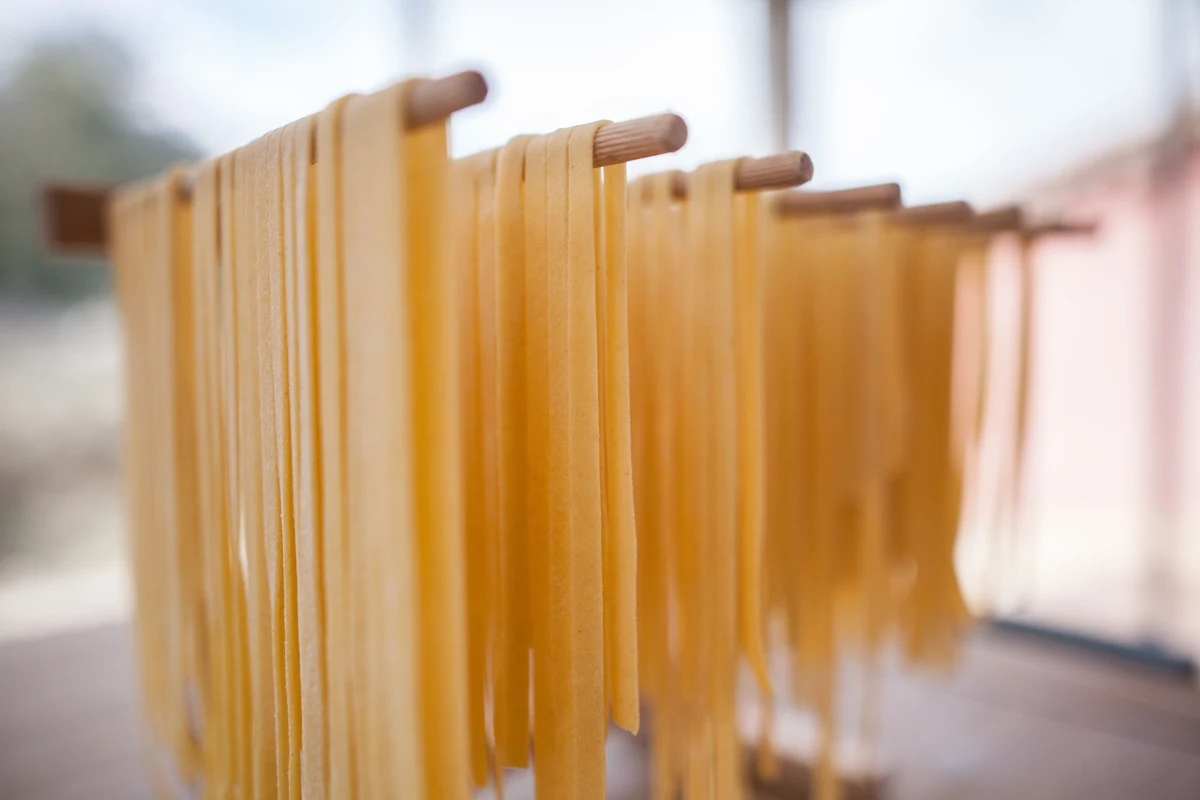
For most home cooks, the safest answer is simple. Fully dried homemade pasta can last 1 to 2 months in a pantry when stored in an airtight container.
Some batches may keep longer if they are very dry and kept in a stable, cool place. Still, homemade pasta does not have the same long shelf life as many store-bought dried pastas.
Quick answer for pantry storage
If the pasta feels hard all the way through, it can usually sit in the pantry for weeks. A dry, dark cabinet works best.
For best quality, try to use it within 2 months. After that, it may still be fine, but texture and flavor can fade.
What changes shelf life the most
Three things matter most. First, moisture level. Second, the ingredients in the dough. Third, how you store it after drying.
Humidity is a big deal. Even well-made pasta can absorb moisture from the air and go soft.
How Homemade Dried Pasta Stays Fresh
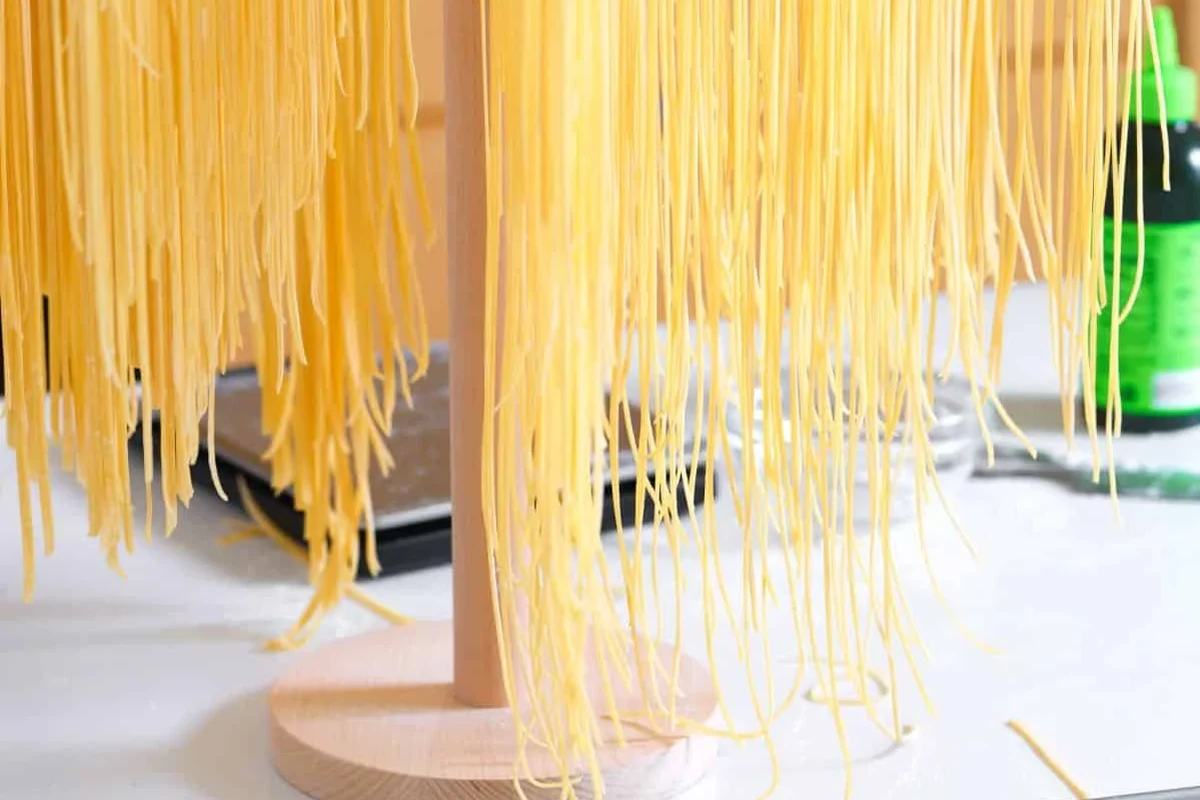
Dry pasta stays fresh because low moisture slows spoilage. Bacteria, mold, and yeast need water to grow.
When pasta dries well, it becomes much less friendly to those microbes. That’s why drying is the key step, not just shaping the dough.
Why low moisture matters
Less water means less risk. It also helps the pasta keep its shape and bite.
If pasta still has soft spots, those spots can trap moisture inside the batch. That raises the chance of spoilage.
Thin pasta dries faster than thick pasta, so it usually stores more safely.
How drying time affects safety
Drying time depends on shape, thickness, room humidity, and airflow. Thin noodles may dry in a day or two.
Thicker shapes need more time. If the pasta still bends easily, it likely needs more drying time.
Do not store pasta that still feels cool, soft, or flexible in the center.
What happens when pasta is under dried
Under dried pasta can clump, mold, or spoil in storage. It may also cook unevenly.
You might see a dry outside and a damp inside. That is a common problem with thicker shapes and rushed drying.
Best Storage Conditions for Homemade Dried Pasta
Good storage keeps dry pasta dry. That means a sealed container, low humidity, and no heat from the stove or sun.
Think of it like storing crackers or cereal. If air and moisture get in, quality drops fast.
Ideal containers and seals
Airtight containers work best. Glass jars, food-safe plastic containers, and sealed bags can all work well.
Choose a container that keeps out air and bugs. If the seal feels weak, use a better one.
Light, heat, and humidity control
Keep pasta away from sunlight, ovens, dishwashers, and steam. Heat and moisture can shorten shelf life.
A cool pantry shelf is better than a warm cabinet near the stove. If your kitchen runs humid, storage time may be shorter.
Pantry, fridge, or freezer comparison
A pantry is usually the best choice for fully dried pasta. It keeps the texture steady and avoids extra moisture from fridge air.
The fridge is not ideal for dry pasta. The freezer can work, but it is usually unnecessary unless you want extra protection in a humid home.
| Option | Best For | Key Consideration |
|---|---|---|
| Pantry | Fully dried pasta | Best balance of ease and quality |
| Fridge | Rare backup storage | Can add moisture and odors |
| Freezer | Longer backup storage | Use airtight packaging to prevent freezer burn |
Ingredients and Dough Factors That Change Shelf Life
Not all pasta doughs age the same way. Some ingredients make drying easier. Others make spoilage more likely.
If you change the dough, you should also change your storage plan.
Egg pasta versus egg-free pasta
Egg-free pasta is usually the safer choice for long pantry storage. It dries more predictably and has fewer rich ingredients.
Egg pasta can still be dried and stored, but it needs careful drying. If it stays damp inside, the shelf life drops.
- Use egg-free dough for the longest pantry life.
- Dry egg pasta longer before packing it away.
- Check thick shapes twice before storage.
Flour type and added ingredients
Most plain wheat flour pastas dry and store well. Semolina-based doughs often hold up nicely when dried fully.
Added ingredients can change everything. Spinach, tomato, beet, or other wet mix-ins may add moisture and shorten shelf life.
Salt, oil, and herb mix impact
Small amounts of salt usually do not hurt shelf life. Salt can help flavor, but it does not replace proper drying.
Oil can make drying less even in some doughs. Fresh herbs also add moisture and may spoil faster if the pasta is not dried well.
Plain dough is easier to dry and store. Add-ins can taste great, but they often need more care.
Plain pasta dough
Best for longer storage and more even drying.
VS
Herb or vegetable dough
Best for flavor, but it needs stricter drying and faster use.
How to Tell If Homemade Dried Pasta Is Still Good
Use your senses first. Look at it, smell it, and feel it before you cook it.
If anything seems off, it’s better to toss it. Pasta is cheap compared with the risk of eating spoiled food.
Signs of spoilage or moisture damage
Watch for mold, sticky spots, soft centers, or clumping. These often mean the pasta picked up moisture.
Also check for tiny bugs or webbing. Dry pantry pests can get into open containers.
Pasta feels soft or clumps together in the jar.
Do not cook it yet. Inspect for moisture, then discard any questionable pieces.
Color, smell, and texture checks
Good dried pasta should smell mild and clean. It should not smell sour, musty, or stale.
The texture should feel dry and firm, not bendy or rubbery. Color changes are not always a problem, but they deserve a closer look.
When to throw it out
Throw it out if you see mold, smell something strange, or find dampness inside the batch. That’s the safest move.
If you are unsure, don’t risk it. A fresh batch is the better choice.
Common Mistakes That Shorten Shelf Life
Most storage problems start before the pasta ever reaches the pantry. The drying step matters most.
A few small mistakes can cut shelf life by a lot.
Rushing the drying process
Fast drying may feel convenient, but it can leave hidden moisture inside the pasta. That is a common cause of spoilage.
Give thicker shapes more time. Don’t guess just because the surface feels dry.
Packing pasta before it is fully dry
Putting pasta away too soon traps moisture. Once trapped, that moisture can spread through the container.
If you are unsure, leave the pasta out a little longer. It’s safer than sealing in dampness.
Using the wrong storage container
Loose lids, thin bags, and open bowls are poor choices. They let in air and moisture.
Use a clean, dry, airtight container instead. That small step can make a big difference.
- Cool and dry pasta fully before packing it away.
- Store it in a sealed, dry container.
- Check stored pasta before cooking.
- Do not store pasta that feels soft or damp.
- Do not keep it near steam or heat.
- Do not ignore odd smells or mold.
Safety Tips and Best Practices for 2026
Food safety basics still matter in 2026. Drying and storage should be clean, calm, and consistent.
That means clean tools, dry hands, and a storage spot that stays dry.
Food safety basics for home drying
Use clean trays, racks, and counters. Keep raw egg dough away from ready-to-eat foods while it dries.
Airflow helps. A fan can help drying in some kitchens, but keep it clean and use it safely.
Follow the manual for any drying rack, dehydrator, or appliance you use. Stop using damaged equipment.
Labeling and rotation tips
Label each batch with the date and ingredients. That makes it easier to use older pasta first.
Rotation helps you avoid forgotten jars in the back of the pantry. It also makes quality checks much easier.
Handling pasta made with eggs or fillings
Egg pasta needs more care than plain pasta. Filled pasta is even more delicate and often should not be stored like dry noodles.
Ravioli, tortellini, and other filled shapes usually need a different plan. Many cooks freeze them instead of fully drying them.
For filled pasta, follow a trusted recipe or food-safety guide. Drying and storage rules can differ a lot.
Final Recommendation for Home Cooks
If you want the shortest answer, here it is. Homemade dried pasta lasts about 1 to 2 months in a pantry when it is fully dry and sealed well.
Plain, egg-free pasta gives you the easiest path to good shelf life. If your dough includes eggs, vegetables, or fillings, plan to use it sooner or freeze it when the recipe allows.
Best use cases for homemade dried pasta
Homemade dried pasta works well for meal prep, pantry stocking, and gifts. It’s a smart choice when you want shelf-stable pasta with a fresh-made feel.
It also fits small kitchens well, since a sealed jar takes little space. Just make sure the pasta is truly dry before you store it.
When fresh or frozen pasta is the better choice
Choose fresh pasta if you want a softer bite and plan to cook it soon. Choose frozen pasta if the dough has eggs or fillings and you want a safer long-term option.
In short, dried pasta is best for plain shapes and longer pantry storage. Fresh or frozen pasta is better when the recipe is richer or more delicate.
- Fully dried homemade pasta usually lasts 1 to 2 months in a pantry.
- Low moisture, airtight storage, and cool conditions matter most.
- Eggs, fillings, and wet add-ins shorten shelf life.
- When in doubt, check for smell, softness, mold, or clumping.
Frequently Asked Questions
Fully dried homemade pasta usually lasts 1 to 2 months in a cool, dry pantry. It may last longer if it stays very dry, but quality can fade over time.
An airtight container works best, such as a sealed glass jar or food-safe storage box. The goal is to keep out air, moisture, and pantry pests.
The fridge is usually not the best place for dry pasta because it can add moisture and odors. A cool pantry is better for fully dried pasta.
Look for mold, damp spots, clumping, strange smells, or soft centers. If anything seems off, it is safest to throw it out.
Egg-free pasta usually stores better and dries more predictably. Egg pasta can still be dried, but it needs more careful drying and storage.
Filled pasta often needs a different storage plan and may not dry or store like plain noodles. Many recipes work better with freezing, so follow a trusted recipe or food-safety guide.