Can You Make Pasta in a Rice Cooker Easy Guide

Yes, you can make pasta in a rice cooker, and it works best with short shapes, enough water, and close monitoring near the end. It is a convenient one-pot method, but stovetop pasta is still better for precise al dente texture.
Yes, you can make pasta in a rice cooker, and for many kitchens in 2026 it is a practical one-pot shortcut. It is not always the fastest or most precise method, but it can work well if you choose the right pasta, add enough water, and keep an eye on the pot.
- Best shapes: Use short pasta like penne, rotini, or elbows.
- Watch the water: Too little water causes sticking and uneven cooking.
- Stir early: Stir after adding pasta to help separate the pieces.
- Check texture: Stop cooking a little early for al dente results.
Can You Make Pasta in a Rice Cooker? What Readers Want to Know in 2026
Search intent: quick answer, one-pot convenience, and whether it actually works
The main question is simple: can you make pasta in a rice cooker without turning it into a sticky mess? In most cases, yes. A rice cooker can boil water, soften pasta, and even handle a basic sauce if the appliance has enough room and a steady heat cycle.
What readers usually want in 2026 is convenience. They want fewer dishes, less stovetop watching, and an easy way to cook in a dorm, office pantry, tiny apartment, or RV-style kitchen. A rice cooker can fit that need very well when the meal is simple.
What a rice cooker can do well with pasta, and where it falls short
A rice cooker does best with short pasta shapes, moderate portions, and recipes that do not need constant stirring. It can also be useful for reheating pasta with sauce or cooking a pasta-and-vegetable mix in one pot.
Where it falls short is control. Stovetop pasta gives you faster boil recovery, easier stirring, and better timing for al dente texture. Some rice cookers also cycle on and off in ways that can make delicate pasta overcook if you do not monitor it.
Best Rice Cooker Types for Pasta: Basic, Fuzzy Logic, and Multi-Function Models
Compatibility by cooker style and capacity
Basic rice cookers can handle pasta surprisingly well because they usually boil steadily and are easy to understand. Fuzzy logic and multi-function models may offer more settings, but they can also complicate a simple pasta recipe if the heat cycles are too gentle or too unpredictable.
Capacity matters just as much as the control panel. A cooker that is too small can foam over or crowd the pasta, while a larger model gives the water and starch more room to move. As always, performance may vary by brand, model, and pot shape.
Why nonstick inner pots matter for pasta texture and cleanup
Nonstick inner pots make a real difference because pasta starch likes to cling to surfaces. A smooth pot can reduce sticking, help with cleanup, and make it easier to stir without tearing softer noodles.
That said, nonstick coatings need gentle care. Use a silicone or wooden utensil if possible, and avoid abrasive scrubbers that can damage the finish over time.
When a small rice cooker is enough and when a larger model helps
A small rice cooker is fine for one or two servings of short pasta, especially if you are making a simple lunch. It is also a good fit if you are only cooking the pasta and finishing the sauce separately.
A larger model helps when you want to add vegetables, broth, or protein in the same pot. Extra space lowers the chance of boil-over and gives you more room to stir without splashing.
How to Make Pasta in a Rice Cooker Step by Step
Choosing the right pasta shape for even cooking
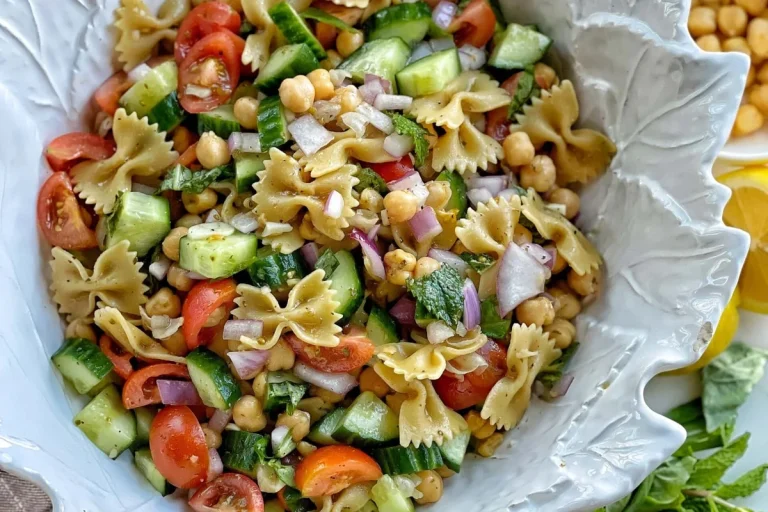
Short shapes usually work best: penne, elbows, rotini, shells, and small bow ties are easier to cook evenly than long noodles. They also stir more cleanly in a compact pot.
Long pasta can work, but it often needs breaking in half and stirring more often. If you want the easiest result, start with a shape that is naturally compact.
Water-to-pasta ratios and when to add salt or oil
Use enough water to keep the pasta moving freely. A common starting point is to cover the pasta by a comfortable margin, since rice cookers can lose some water to steam and boil-over.
Add salt to the water if you want better flavor from the start. Oil is optional and usually not necessary; it can slightly reduce sticking, but it may also make sauce cling less well later.
If you are unsure about the water level, err on the side of a little more water rather than less. Too little water is one of the fastest ways to end up with uneven, gummy pasta.
Cooking process: stir, monitor, and stop at al dente
Some rice cookers let you bring water up to a boil before adding pasta. If yours does not, you can still start cold, but expect a slower cook.
This helps separate the pieces and keeps them from sticking to the bottom during the first few minutes.
Begin tasting a minute or two before the package time suggests. Rice cookers vary, so the last stretch matters most.
Turn the cooker off when the pasta is tender but still has a slight bite. It will keep softening in hot liquid.
Finishing with sauce, cheese, or vegetables in the same pot
Once the pasta is close to done, you can drain some water and stir in sauce directly in the cooker. A little reserved cooking water can help the sauce coat the noodles more smoothly.
Soft vegetables like spinach, peas, or chopped zucchini can be added near the end. Cheese also works well if the heat is low enough that it melts without clumping.
Time, Cost, and Convenience Compared with Stovetop Pasta
Cooking time differences for standard and quick meals
A rice cooker is usually not faster than a stovetop for plain pasta. In many cases, it is a little slower because it takes time to heat the water and recover after stirring.
Where it can win is in multitasking. If you are making a one-pot meal and doing other things nearby, the hands-off style can feel faster overall even if the cook time is similar.
Energy use and cleanup advantages for small kitchens
For small kitchens, a rice cooker can be a strong convenience choice. You use one appliance, one pot, and often one serving bowl, which cuts down on cleanup.
Energy use can also be appealing for simple meals, especially if you are cooking a small portion. The exact difference depends on the appliance and how long it stays on, so results may vary.
When a rice cooker is faster, slower, or simply more practical
Rice cooker pasta is most practical when you want a low-effort meal and do not mind checking doneness near the end.
Stovetop pasta is better when you want tight texture control, faster boiling, and more predictable timing.
If your kitchen setup is limited, the rice cooker can be the more practical choice even when it is not the quickest. That is especially true in dorms, shared kitchens, and compact apartments.
Common Mistakes That Ruin Rice Cooker Pasta
Using too little water or overcrowding the pot
Too little water makes pasta stick, scorch, or cook unevenly. Overcrowding creates the same problem because the noodles cannot move freely.
If you are cooking for more than one person, consider doing two smaller batches instead of forcing everything into a tiny pot.
Overcooking delicate pasta shapes
Thin pasta, small shells, and very soft fresh pasta can turn mushy quickly in a rice cooker. These shapes are harder to rescue once they go too far.
Start checking early and remove the pot from heat before the pasta feels fully soft. Residual heat will finish the job.
Ignoring boil-over, sticking, and uneven heating
Starch foam can rise quickly, especially with a fuller pot. If your cooker has a vented lid, watch for boil-over and lower the heat or pause the cycle if needed.
Sticking often happens at the bottom, where the heat is strongest. Stirring once or twice during cooking can help a lot.
Forgetting to stir or using the wrong heat setting
Rice cookers are not all the same. Some have a simple cook switch, while others have settings that may not be ideal for pasta.
If your cooker tends to cycle aggressively or switch too soon, you may need to keep the lid open briefly, stir more often, or finish with a short manual hold rather than relying on auto mode alone.
Safety and Care Tips for Cooking Pasta in a Rice Cooker
Preventing boil-overs and steam-related burns
Rice cooker steam can be hot enough to burn skin quickly. Open the lid carefully, keep your face and hands away from the vent, and use a utensil with a long handle when stirring.
Boil-over is more likely when the pot is too full or the pasta releases a lot of starch. Reducing the batch size is often the safest fix.
Protecting the nonstick coating and inner pot finish
Do not use metal tools unless the manufacturer says they are safe. Even small scratches can shorten the life of the inner pot and make future cleanup harder.
Let the pot cool before washing it, and avoid sudden temperature shock if the manufacturer warns against it.
Cleaning tips after starch-heavy pasta meals
Rinse the pot soon after serving so dried starch does not harden on the surface. A short soak with warm water usually helps more than aggressive scrubbing.
If sauce or cheese was added, clean the lid, steam vent, and edge seals too. Those areas can trap residue and odors.
When to avoid this method because of appliance limitations
Skip this method if your rice cooker has a very small capacity, a damaged nonstick pot, or a lid that does not close securely. Weak heating and poor ventilation can make pasta results inconsistent.
If you are unsure whether your appliance is safe for this use, check the manual first. When in doubt, follow the manufacturer’s guidance rather than improvising.
Best Pasta Styles, Sauces, and Add-Ins for Rice Cooker Success
Short pasta shapes that cook more evenly than long noodles
Short shapes are the most reliable choice because they stir easily and cook at a more even rate. Penne, macaroni, rotini, and shells are all good starting points.
Long noodles can still work, but they are more likely to clump and need extra attention.
One-pot combinations with vegetables, broth, and protein
A rice cooker is especially useful for simple one-pot meals. Broth, diced vegetables, canned beans, precooked chicken, or tofu can turn plain pasta into a fuller meal.
Keep add-ins relatively small and evenly cut so they cook at the same pace as the pasta. Dense vegetables may need to go in earlier than tender ones.
Sauce choices that work best in a rice cooker
Light tomato sauce, broth-based sauces, and simple cheese sauces tend to work well. Thick cream sauces can also work, but they need close attention to avoid scorching or separating.
Very delicate sauces are easier to finish after the pasta is cooked. That gives you more control over texture and seasoning.
| Option | Best For | Watch Out For |
|---|---|---|
| Short pasta | Even cooking and easy stirring | Can still overcook if left too long |
| One-pot pasta with broth | Simple meals with vegetables or protein | May need extra monitoring for foam |
| Sauce added at the end | Better texture and flavor control | Requires a separate draining step |
Final Verdict: Is a Rice Cooker a Good Pasta Shortcut in 2026?
Who should try it, who should skip it, and the best use cases
If you want a low-effort, one-pot meal in a small kitchen, a rice cooker is worth trying for pasta. It is especially useful for students, apartment dwellers, travelers, and anyone who wants to avoid watching a boiling pot.
Skip it if you need exact al dente control every time or if your cooker is very small or inconsistent. In those cases, the stovetop is still the more reliable tool.
Quick recap of the easiest method and biggest takeaways
The easiest approach is to use short pasta, enough water, a little salt, and frequent checks near the end. Stir early, watch for boil-over, and stop cooking before the noodles turn too soft.
So, can you make pasta in a rice cooker? Yes, and for the right meal it is a clever shortcut. Just treat it like a flexible method, not a perfect substitute for the stovetop.
Frequently Asked Questions
Yes, you can, especially with short pasta and enough water. Stir early and once or twice during cooking to reduce sticking.
Short shapes like penne, rotini, elbows, and shells usually cook most evenly. Long noodles can work, but they are more likely to clump.
Boiling first can help, but it is not always required. Some rice cookers can start from cold water, though the process may take longer.
Yes, but simple sauces work best. Thick or delicate sauces are usually easier to add near the end so they do not scorch.
Usually no, plain pasta is often faster on the stovetop. The rice cooker is more about convenience and fewer dishes than speed.
Turn it off, reduce the batch size next time, and use more water space in the pot. Let the steam settle before opening the lid to avoid burns.