Can I Freeze Cooked Pasta and Keep It Tasty Later

Yes, you can freeze cooked pasta, and it works best when you cool it fast and store it airtight. Sauced or baked pasta usually reheats better than plain noodles.
Yes, you can freeze cooked pasta. It keeps best when you cool it fast, store it well, and reheat it with care.
The catch is texture. Frozen pasta often gets a little softer after thawing, but that’s usually fine for casseroles, soups, and saucy meals.
- Best answer: Cooked pasta can freeze well with the right storage.
- Texture tip: Expect some softness after thawing and reheating.
- Best shapes: Short, sturdy pasta usually holds up better.
- Storage tip: Cool it fast, portion it, and remove extra air.
Can I Freeze Cooked Pasta? The Short Answer and What to Expect
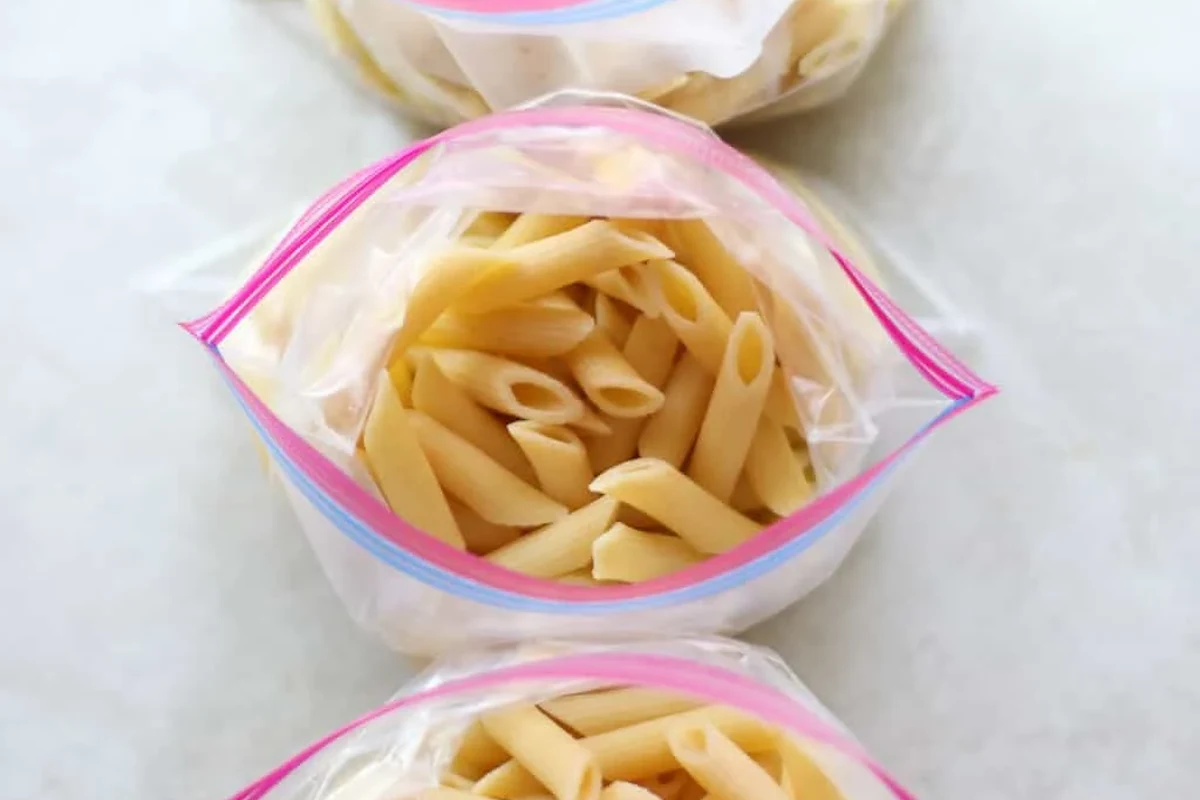
Cooked pasta freezes well enough for many home meals. It’s a smart way to save leftovers and cut waste.
That said, frozen pasta is not always as firm as fresh pasta. You should expect some change in bite, especially with thin shapes.
Results vary by pasta shape, sauce, and how long the pasta sits before freezing. The fresher it goes into the freezer, the better it usually holds up.
If you want the best result, undercook the pasta a little before freezing. Then finish it gently when you reheat it.
How Freezing Cooked Pasta Works
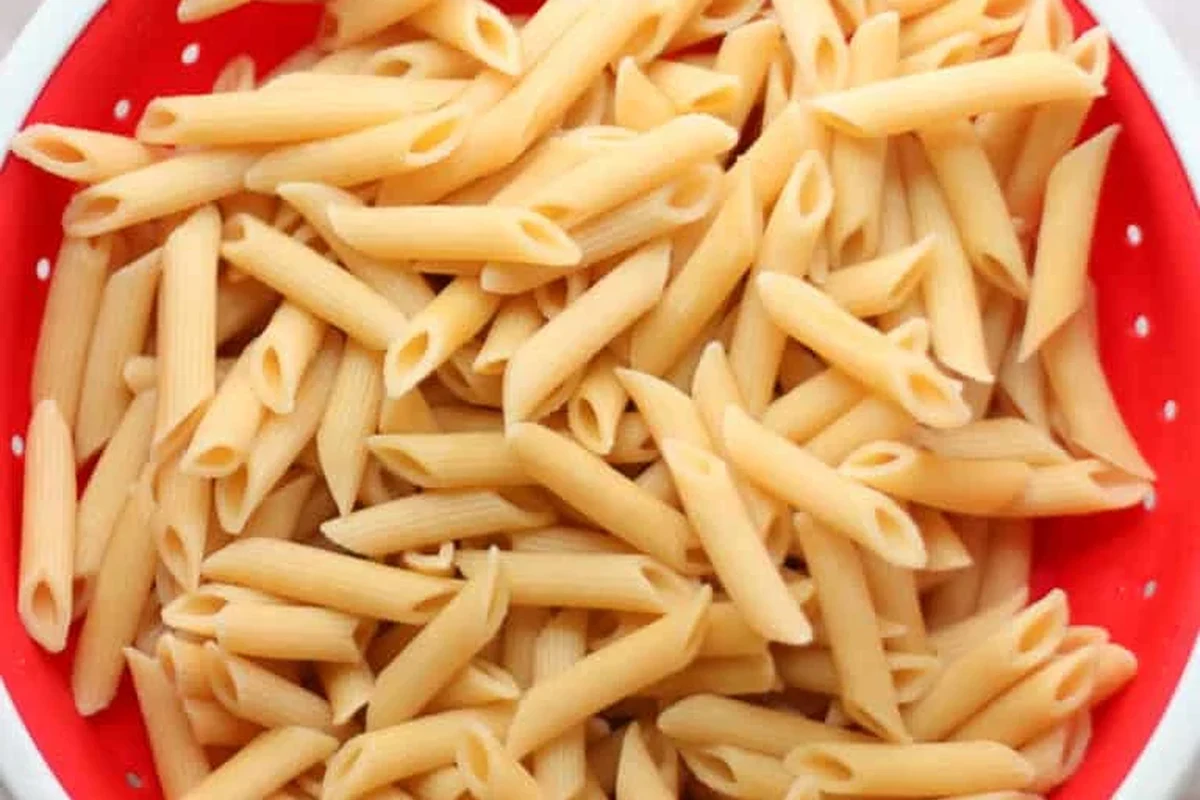
Freezing slows down spoilage by stopping most bacterial growth. It also helps keep leftovers safe for later use when handled well.
But freezing does not pause texture changes. Water inside the pasta forms ice crystals, and that can affect the bite.
What Happens to Texture After Freezing
Pasta can turn softer after freezing and thawing. Some shapes also clump together if they were not coated well before storage.
Long noodles tend to suffer more than short shapes. Pasta with a lot of starch on the surface can also get sticky.
Short, sturdy pasta often keeps its shape better in the freezer than delicate noodles.
Which Pasta Shapes Freeze Best
Thicker and shorter shapes usually freeze best. They hold sauce well and keep a better texture after reheating.
Good choices include:
- Penne
- Rotini
- Rigatoni
- Farfalle
- Shells
Thin pasta can still freeze, but it needs more care. Angel hair and very soft noodles can break down faster.
How to Freeze Cooked Pasta the Right Way
The goal is simple. Cool it, portion it, and seal it well.
That helps protect both flavor and texture. It also makes reheating much easier later.
Cool It Fast Before Freezing
Do not leave cooked pasta out for too long. Let it cool quickly, then move it to storage soon after.
Spread it in a shallow dish if you need to cool it faster. This helps steam escape and lowers the chance of sogginess.
Follow safe food-handling rules and do not leave cooked pasta at room temperature for too long. If it has sat out too long, it’s safer to discard it.
Portion It for Easy Use Later
Freeze pasta in meal-size portions. That way, you only thaw what you need.
This saves time on busy nights. It also reduces waste from repeated thawing and refreezing.
- Portion pasta by one meal or one side dish.
- Label each bag with the date and pasta type.
- Freeze flat when possible for faster stacking.
Choose the Best Storage Method
You can use airtight containers or freezer bags. Both can work well if they seal tightly.
If you use a bag, press out extra air before sealing. Less air means less freezer burn.
For plain pasta, a light coating of oil can help reduce sticking. For sauced pasta, the sauce often does that job for you.
- Use airtight packaging.
- Remove extra air before freezing.
- Freeze in small portions.
- Do not freeze warm pasta.
- Do not use loose wrapping.
- Do not overfill containers.
How to Reheat Frozen Cooked Pasta Without Ruining It
Reheat pasta gently. High heat can make it mushy or dry.
The best method depends on whether the pasta is plain or already sauced.
Best Ways to Reheat Plain Pasta
Plain pasta works well in boiling water, a skillet, or the microwave. The trick is to warm it just until hot.
For boiling water, dip the frozen pasta in for a short time. For the microwave, add a splash of water and cover it loosely.
If you use a skillet, add a little butter, oil, or sauce. Stir often so it heats evenly.
Should you thaw pasta before reheating?
Not always. Many pasta dishes reheat better straight from frozen, especially when you add sauce or moisture.
Best Ways to Reheat Pasta With Sauce
Sauced pasta usually reheats better than plain pasta. The sauce helps protect the noodles from drying out.
Warm it slowly on the stove or in the microwave. Add a spoonful of water if the sauce looks too thick.
Stir now and then so the heat spreads evenly. That helps keep the texture smoother.
Best Pasta Dishes for Freezing and Which Ones to Avoid
Some pasta dishes freeze much better than others. The more stable the sauce and shape, the better the result.
Pasta That Holds Up Well
These dishes usually freeze well:
- Pasta with tomato sauce
- Baked ziti or baked penne
- Lasagna
- Pasta soups
- Mac and cheese
These meals often keep their flavor and shape after freezing. They also reheat more evenly than dry pasta.
Pasta That Can Turn Mushy or Separate
Some dishes are harder to freeze. Cream sauces can split, and very tender pasta can turn soft fast.
Avoid freezing dishes with delicate fresh herbs, very thin noodles, or lots of seafood if quality matters most. They often lose texture or taste.
Plain pasta gives you flexibility. Sauced pasta often gives you better texture after freezing and reheating.
Simple to store
Best when you want to mix it with fresh sauce later. It can dry out faster if you skip moisture.
VS
Better for leftovers
Best when you want an easy reheat. The sauce helps protect the pasta during freezing.
Common Mistakes When Freezing Cooked Pasta
A few simple mistakes can wreck the texture. Luckily, they’re easy to avoid.
The pasta sticks together in one big clump.
Toss it lightly with oil or sauce before freezing, then portion it well.
The pasta tastes dry after reheating.
Add moisture during reheating with water, sauce, or broth.
The pasta turns mushy.
Cook it slightly under al dente before freezing and avoid overcooking later.
Other common mistakes include freezing pasta too late, using weak containers, and forgetting to label the date. Those small slip-ups can lead to freezer burn or mystery leftovers.
Food Safety Tips, Storage Time, and Quality Limits
Frozen pasta stays best when you handle it safely from the start. Clean hands, fast cooling, and airtight storage all matter.
For quality, use it within a reasonable time. The exact best window can vary, but pasta usually tastes best when used within a few months.
Freezing keeps food safe longer, but quality still drops over time. If you see heavy freezer burn, odd smells, or a bad texture, it may be time to toss it.
When in doubt, follow your food safety guidance and discard pasta that smells off, looks strange, or sat out too long.
Also, check your sauce ingredients. Dairy-heavy sauces, seafood, and egg-rich mixtures can behave differently in the freezer. Results depend on the recipe.
Final Recommendation: When Freezing Cooked Pasta Makes Sense
Freezing cooked pasta makes sense when you want easy leftovers, less waste, and faster meals. It works best with short shapes, sturdy sauces, and careful storage.
If you want the best texture, freeze pasta while it still has some bite. Then reheat it gently with a little moisture.
Yes, you can freeze cooked pasta and keep it tasty later. It’s best for sauced or baked dishes, while delicate noodles and cream-heavy sauces need more care.
In short, freezing cooked pasta is a good move for many home cooks. Just treat it like a leftover that needs smart handling, not a perfect fresh meal.
Frequently Asked Questions
Yes, plain cooked pasta can freeze well if you cool it fast and store it airtight. Add a little oil to help reduce sticking.
Short, sturdy shapes like penne, rotini, rigatoni, and shells usually freeze best. Thin noodles often soften more after reheating.
Not always. Many pasta dishes reheat well straight from frozen, especially if you add sauce or a little water.
Quality is usually best within a few months, but storage time can vary by container, recipe, and freezer conditions. Use your senses and discard anything that smells off or looks odd.
Tomato-based pasta, baked pasta, lasagna, mac and cheese, and pasta soups usually freeze well. Cream sauces and delicate noodles often lose quality faster.
The biggest mistake is freezing pasta while it is still warm or storing it in a weak container. That can lead to clumps, freezer burn, and poor texture.