What Makes a Coffee Mug Oven Safe Explained Simply

A coffee mug is oven safe only when the maker clearly says so and the mug has no damage. If the label is missing, treat it as not oven safe.
A coffee mug is oven safe when its body, glaze, handle, and finish can handle oven heat without cracking or releasing unsafe materials. The short answer is this: look for a clear oven-safe label, follow the maker’s temperature limit, and avoid mugs with metal trim, chips, or unknown materials.
- Label first: Always trust the maker’s oven-safe instructions over guesswork.
- Material matters: Dense ceramic and stoneware often handle heat better.
- Damage counts: Chips, cracks, and worn glaze make oven use riskier.
- Heat changes matter: Sudden hot and cold shifts can crack mugs fast.
What Makes a Coffee Mug Oven Safe: The Short Answer
Oven-safe mugs are built from materials that can handle steady heat. They also need a glaze and shape that can deal with hot air and hot spots inside the oven.
That said, “oven safe” does not mean “safe at any temperature.” It usually means the mug can handle a specific range, and that range can vary by brand and model.
If the mug does not say oven safe, treat it as not oven safe. That is the safest rule for most home cooks.
How Oven Safe Coffee Mugs Are Made
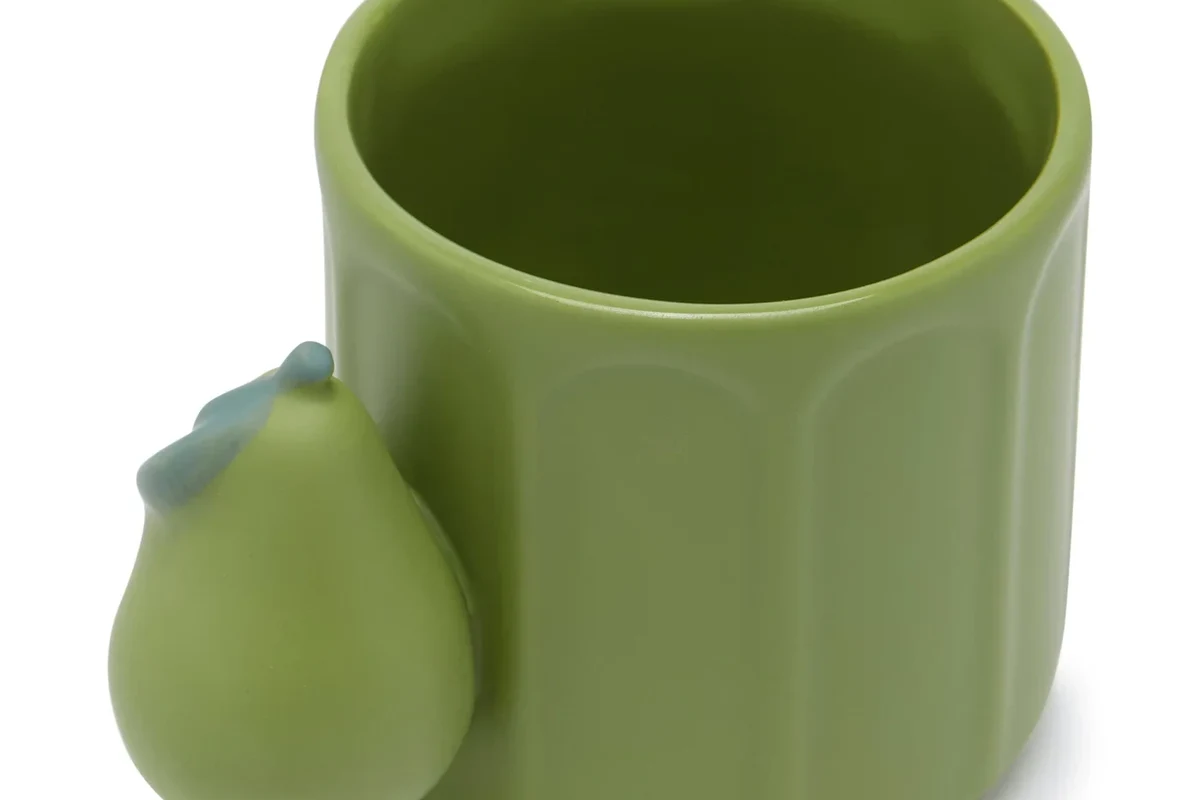
Most oven-safe mugs use ceramic or stoneware. Some are made from other heat-tolerant materials, but the build matters more than the name alone.
A mug becomes more heat resistant when the clay body, glaze, and firing process work together. If one part is weak, the mug can still fail in the oven.
Helps the mug resist heat stress and moisture changes.
Helps protect the surface from cracks and liquid seep.
Reduces weak points around handles and rims.
Clay type and firing temperature
The clay body is the base of the mug. Stoneware and some porcelain mugs often handle oven heat better than low-fired earthenware.
Higher firing temperatures usually make the mug denser and less likely to absorb water. That helps lower the risk of cracking when heat rises fast.
Material names can vary by brand. Always check the product page or care guide for the exact mug type.
Glaze quality and finish
A smooth, even glaze helps seal the mug. It also protects the surface from stains and moisture.
Cracked, thin, or uneven glaze can be a weak point. If the glaze has visible crazing or chips, the mug may be less safe in the oven.
Handle design and mug shape
A thick handle with clean joins is usually better than a thin, delicate one. Sharp corners and thin walls can create stress points.
Simple shapes often handle heat changes better. Fancy curves and glued decorations can raise the risk of damage.
Key Labels and Specs to Check Before Using a Mug in the Oven
The label tells you more than the mug’s appearance. Before you bake or warm anything, check the maker’s notes.
- Oven-safe marking or care guide
- Maximum temperature limit
- Material details and finish notes
- Metal trim, paint, or decals
Oven safe markings
Look for “oven safe” on the mug, box, or product page. If the brand gives care instructions, read those first.
Some mugs are safe only for warming. Others can handle full baking heat. The label should make that clear.
Temperature limits
Many mugs have a top heat limit. Some do fine at low or medium oven heat, while others need more caution.
Do not guess if the limit is missing. A mug that feels sturdy can still fail if the heat goes beyond its rating.
Material details to look for
Stoneware, porcelain, and some oven-safe ceramics are common choices. Glass mugs may also be oven safe if the maker says so.
Skip mugs with metal accents unless the brand says they are safe. Metal trim can spark or overheat in some ovens.
Never use a mug in the oven just because it works in the microwave. Microwave-safe and oven-safe are not the same thing.
When a Coffee Mug Is Safe in the Oven and When It Is Not
Oven-safe mugs work best for gentle heating and simple baked drinks or desserts. They are not a good choice for every task.
Use the mug only when the maker allows oven use and the mug is in good shape.
Best uses for oven safe mugs
These mugs work well for warming drinks, baking single servings, and serving hot treats. They can also help keep small portions neat and easy to handle.
For example, a mug can be handy for a small baked pudding or a warm dessert for one person.
Common risks and limits
The biggest risks are cracking, handle failure, and sudden breakage. Uneven oven heat can also stress the mug.
Even an oven-safe mug has limits. Very high heat, broiler use, or long bake times may still cause damage.
Why sudden heat changes can crack mugs
Rapid temperature shifts create stress inside the mug. The outside and inside expand at different speeds.
If the mug starts cold and goes into a hot oven, that stress can rise fast. The same problem can happen if a hot mug touches a cold counter or wet sink.
Follow the appliance manual and stop using damaged equipment.
Common Mistakes People Make With Coffee Mugs in the Oven
Most mug damage comes from simple mistakes. The good news is that many of them are easy to avoid.
Using mugs with metal trim or paint
Metal rims, foil details, and some decorative paints can cause trouble. They may heat unevenly or react badly in the oven.
If the mug has decoration and the maker does not approve oven use, leave it out of the oven.
Putting a cold mug into a hot oven
This is one of the fastest ways to crack a mug. The sudden heat jump can shock the ceramic.
Instead, start with a cool oven when the recipe allows it. Let the mug warm up slowly with the oven.
Ignoring chips, cracks, and weak spots
A small chip can grow into a bigger break under heat. A hairline crack can fail without much warning.
If you spot damage, retire the mug from oven use. It may still be fine for light, non-heat use, but not for baking.
- Use plain mugs with simple shapes when possible.
- Preheat only if the maker says the mug can handle it.
- Place the mug on a stable rack, not a cold wet surface.
How to Test a Mug Safely Before You Use It
There is no perfect home test that proves a mug is oven safe. The best test is the maker’s label and care guide.
Still, you can do a careful check before you trust a mug with heat.
Check the maker’s care guide
Start with the product page, box, or bottom stamp. Then look for oven-safe instructions and any heat limit.
If the brand gives no clear guidance, do not assume the mug is safe.
Inspect the mug for damage
Hold the mug up to the light and check the rim, handle, and base. Look for chips, cracks, and rough spots.
Also check for worn glaze or loose decoration. These are warning signs, even if the mug still looks fine from far away.
Start with low heat and watch closely
If the maker allows oven use, begin with low heat and short use. Keep the mug away from the broiler unless the brand says otherwise.
Watch for odd smells, visible stress, or new cracks. If anything looks off, stop using the mug in the oven.
- Read the care guide before heating the mug.
- Use only undamaged mugs with clear oven-safe labels.
- Let hot mugs cool slowly on a dry surface.
- Do not guess based on looks alone.
- Do not use cracked or chipped mugs.
- Do not move a hot mug to cold water or a wet sink.
Cleaning, Care, and Long Term Mug Safety
Good care helps an oven-safe mug last longer. It also lowers the chance of hidden damage.
How to wash oven safe mugs
Wash the mug with mild soap and warm water unless the maker says otherwise. Avoid harsh scrubs on decorated surfaces.
If food bakes on, soak first instead of scraping hard. That protects the glaze and lowers the risk of tiny surface scratches.
How to store mugs to avoid damage
Store mugs where they will not knock into each other. Stacking can chip rims if the shelf is crowded.
Try not to trap heavy mugs under other cookware. A small hit can create a crack you may not notice right away.
Let the mug cool fully, then wash and dry it well.
Check for chips, glaze wear, and new cracks before oven use.
When to replace a mug
Replace the mug if it has cracks, deep chips, or a loose handle. You should also replace it if the maker changes the care instructions and removes oven use.
When in doubt, move the mug to regular serving use only. That is safer than taking a chance in the oven.
Best Value and Final Recommendation for Buyers
The best value is a mug that gives clear safety info and solid build quality. You do not need the fanciest design.
What matters most is honest labeling, durable materials, and a shape that can handle heat changes.
What to pay for and what to skip
Pay for clear oven-safe guidance, sturdy walls, and a simple finish. Those features matter more than trendy colors or extra decoration.
Skip mugs with vague labels, mixed materials, or fragile trim. They may look nice, but they create more risk in the oven.
Who should choose an oven safe mug
An oven-safe mug is a smart pick for home cooks who make single servings often. It also helps if you like baked drinks, small desserts, or easy serving.
If you only need a mug for coffee and tea, a regular mug may be enough. You do not need oven safety unless you plan to use it that way.
A coffee mug is oven safe when the maker says it is, the material is heat ready, and the mug has no damage. If the label is unclear, choose a clearly marked oven-safe mug instead of taking a risk.
Final verdict on buying with confidence
Buy with confidence when the mug has a clear oven-safe label, a simple build, and a trusted care guide. That gives you the best mix of safety and value.
For most shoppers, the safest choice is a plain ceramic or stoneware mug made for oven use. It keeps the decision simple and lowers the chance of surprise cracks.
- Check the label before any oven use.
- Skip damaged mugs and metal trim.
- Heat and cool the mug slowly.
- When unsure, do not put it in the oven.
Frequently Asked Questions
Check the mug, box, or maker’s care guide for a clear oven-safe label. If the brand does not say it is oven safe, do not assume it is.
Not always. Microwave-safe and oven-safe are different, so you need a separate oven-safe label or care note.
Stoneware, porcelain, and some oven-safe ceramics are common choices. The exact safety still depends on the maker’s design and instructions.
Cracks often happen from sudden heat changes, weak glaze, chips, or hidden damage. A cold mug placed in a hot oven can also shock the material.
No, unless the maker clearly says it is safe. Metal trim can overheat or react badly in some ovens.
Stop using it if you see chips, cracks, worn glaze, or loose decoration. If the care guide changes or the label is unclear, keep it out of the oven.