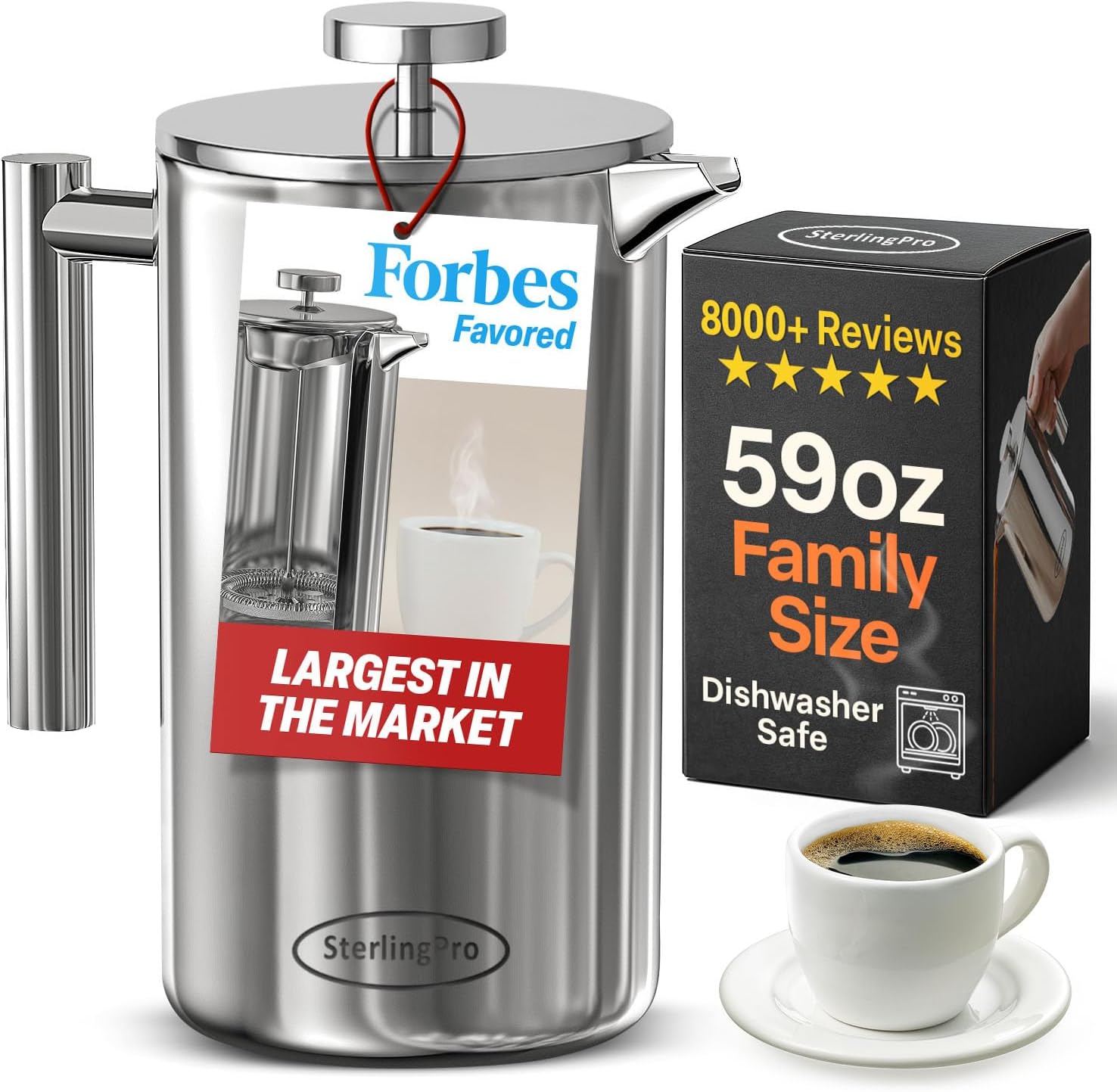
How Do You Use a Cold Brew Coffee Maker at Home

Use coarse coffee, cold water, and the steep time your maker recommends. Clean the parts after each batch and adjust the ratio if the brew tastes too strong or too weak.
Using a cold brew coffee maker is simple. Add coarse coffee, pour in cold water, steep for several hours, then strain and serve. The main trick is to keep the grind coarse and the brew time steady.
- Coarse grind: It helps prevent grit and keeps the brew cleaner.
- Right ratio: Stronger batches work better for concentrate and iced drinks.
- Steep time: Too short tastes weak, while too long can taste flat.
- Clean parts: Rinse and wash removable pieces after each use.
How Do You Use a Cold Brew Coffee Maker at Home?
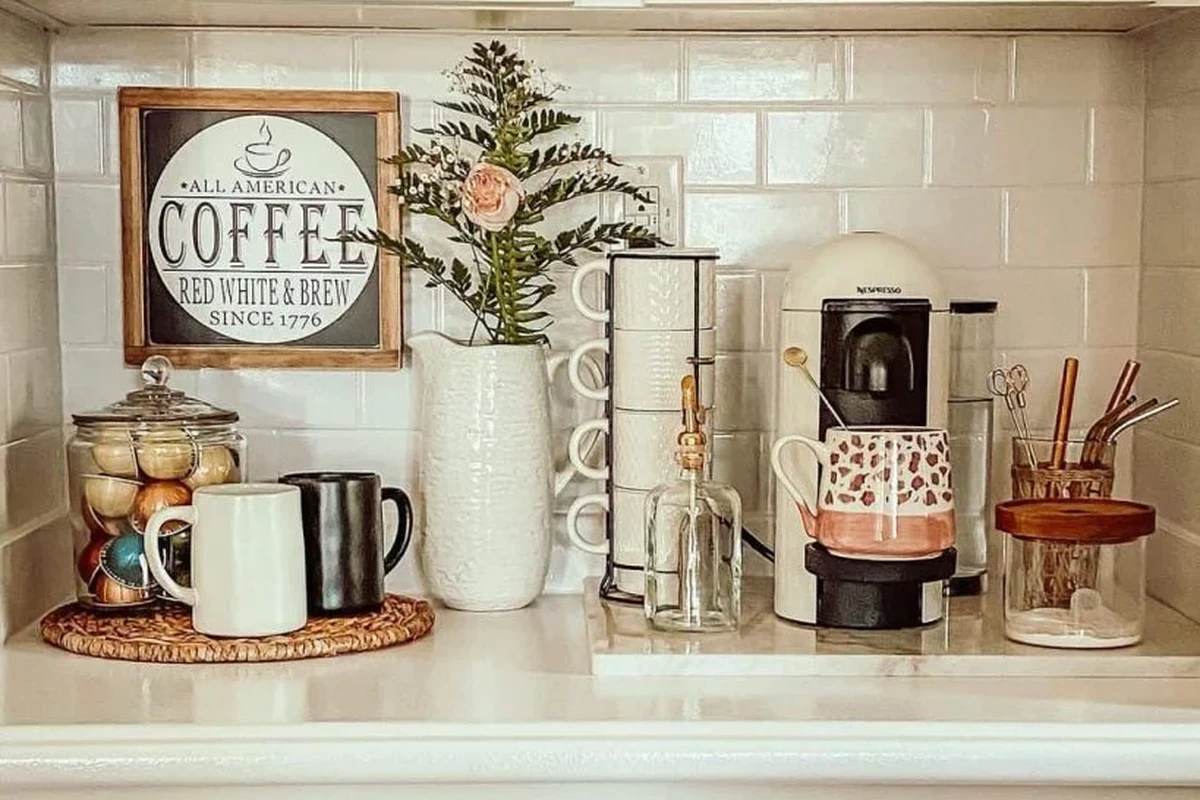
If you want a smooth, low-acid coffee at home, a cold brew maker can help. Most models work the same basic way, even if the shape changes.
You place coffee in the brew basket or filter, add cold or room-temp water, and let it sit. After steeping, you separate the grounds and chill the coffee if needed.
In short: the process is easy, but the details matter.
Start with a small batch the first time. That makes it easier to fine-tune strength and taste.
What a Cold Brew Coffee Maker Does and How It Works

A cold brew coffee maker is built to steep coffee slowly in cool water. It usually includes a jar, pitcher, basket, or filter system.
The long soak pulls flavor from the grounds without heat. That gives you a coffee concentrate or ready-to-drink brew, depending on your ratio.
Why cold brew tastes smoother than hot coffee
Cold water pulls out flavor more slowly than hot water. It also brings out less of the sharp, bitter stuff many people notice in hot coffee.
That is why cold brew often tastes rounder and softer. It can still be strong, but it usually feels less harsh.
In short: the cooler brew method changes both taste and texture.
The basic parts of most cold brew coffee makers
Most brewers use a few simple parts. You may see a container, a mesh basket, a lid, and sometimes a built-in spout.
Some models use a paper or cloth filter. Others rely on a fine metal screen.
Holds the water and coffee during the soak.
Keeps grounds out of the finished drink.
Helps protect the brew in the fridge.
Step-by-Step Guide to Making Cold Brew Coffee
Here’s the basic method most home brewers can follow. Always check your model’s manual first, since setup can vary.
Use a coarse grind and fresh beans for the cleanest taste.
Measure both carefully so the brew lands where you want it.
Leave it in the fridge or on the counter, based on the brewer guide.
Remove the grounds, then dilute if the brew tastes too strong.
Choose the right coffee beans and grind size
Use coarse-ground coffee. A fine grind can slip through filters and make the brew muddy.
Fresh beans help too. You do not need fancy beans, but stale coffee can taste flat.
Bean roast and origin change the final taste. Light, medium, and dark roasts all work, but each gives a different result.
Measure coffee and water for a balanced brew
The right ratio depends on how strong you want the drink. Some people like a concentrate they can dilute later.
Others want a ready-to-drink batch with less strength. If your brewer includes a guide, follow that first.
Steep the coffee for the right amount of time
Most cold brew takes many hours. A common range is overnight to a full day, depending on the recipe and model.
Shorter steeping can taste weak. Very long steeping can bring out dull or woody notes.
Do not leave coffee sitting too long at room temperature in a warm kitchen. Follow your brewer’s storage guidance and refrigerate when needed.
Strain, serve, and dilute if needed
Once steeping ends, remove the grounds and strain the liquid if your brewer needs it. Then taste the coffee before adding anything else.
If it feels too bold, add water, milk, or ice. If it tastes too thin, use a stronger ratio next time.
In short: the last step is where you adjust the drink to your taste.
Best Coffee Ratios, Brew Times, and Water Tips
There is no single perfect formula. The best setup depends on your brewer, your beans, and how you like to drink coffee.
Common ratios for strong, medium, and light cold brew
Strong cold brew usually uses more coffee per cup of water. Medium brew sits in the middle. Light brew uses less coffee and tastes softer.
If you want a concentrate for lattes or iced drinks, start stronger. If you want a straight cup, start lighter.
How water quality changes the final taste
Water matters more than many people expect. Very hard water can mute flavor, while very soft water can taste flat.
Clean, good-tasting water usually gives the best results. If your tap water tastes off, your cold brew may taste off too.
Cold brew often tastes smoother because heat extracts bitterness and acidity faster.
Common Mistakes to Avoid When Using a Cold Brew Maker
Most bad cold brew comes from a few easy mistakes. The good news is that they are simple to fix.
Using the wrong grind size
Too fine a grind can make the drink gritty and hard to strain. It can also over-extract and taste harsh.
Stick with coarse grounds unless your manual says otherwise.
The coffee tastes muddy or bitter.
Use a coarser grind and check that the filter is seated correctly.
Steeping too long or too short
Too little time gives you weak coffee. Too much time can flatten the flavor.
Try one brew time, then adjust the next batch a little at a time.
Skipping cleanup between batches
Old coffee oils can build up fast. That can make fresh batches taste stale.
Rinse the parts right away if you can. Deep clean removable pieces on a regular schedule.
Cleaning, Storage, and Safety Tips
A clean brewer makes better coffee and lasts longer. It also lowers the chance of odd smells or buildup.
How to clean the maker after each use
Empty the grounds, then rinse the basket, lid, and container. Wash removable parts with warm water and mild soap if the manual allows it.
Let everything dry fully before the next batch.
Dump grounds, rinse parts, and wash away coffee oils.
Check seals, screens, and lids for wear or buildup.
How to store cold brew safely in the fridge
Store finished cold brew in a clean, covered container in the fridge. Keep it cold until you drink it.
If it smells sour, looks cloudy in a bad way, or tastes wrong, discard it. When in doubt, make a fresh batch.
Stop using any brewer with cracks, damaged seals, or a broken filter. Follow the manual for replacement parts.
Benefits, Limits, and When a Cold Brew Maker Is Worth It
A cold brew maker can be a smart buy if you drink cold coffee often. It helps you make a smooth batch with less guesswork.
Still, it is not the best tool for everyone. If you only want coffee once in a while, a simpler method may be enough.
Who will get the most value from one
People who like iced coffee, meal prep, or make-ahead drinks usually get the most use from a cold brew maker. It also helps if you want a low-mess brewing setup.
Families and busy households may like the larger batch style. A small kitchen may do better with a compact pitcher.
Best for tight fridge space and smaller batches.
Best for bigger batches and frequent coffee drinkers.
When a simpler method may be enough
If you only make cold coffee now and then, a jar and filter can work fine. You may not need a special brewer.
That said, a dedicated maker can save time and reduce mess. It is mainly about how often you plan to use it.
- Smooth coffee with easy prep
- Good for make-ahead drinks
- Often easier to strain than DIY methods
Final Recommendation: Is a Cold Brew Coffee Maker Right for Your Kitchen?
If you enjoy cold coffee often, a cold brew coffee maker is worth considering. It gives you a simple, repeatable way to make smooth coffee at home.
If you only want an occasional iced drink, a basic jar setup may be enough. For regular use, though, a dedicated brewer usually feels easier and cleaner.
Choose a cold brew maker if you want easy batch brewing, smoother coffee, and less mess. Skip it if you rarely drink cold brew or prefer a very simple setup.
- Use coarse coffee and cold water.
- Steep for the time your brewer recommends.
- Strain well and dilute to taste.
- Clean the parts after each batch.
Frequently Asked Questions
Use a coarse grind for most cold brew makers. Fine grounds can make the brew gritty and harder to strain.
Many cold brew recipes steep for several hours, often overnight. Follow your brewer manual, since time can vary by model and strength.
It depends on the ratio you used. Concentrate usually needs dilution, while ready-to-drink cold brew may not.
Rinse out the grounds right after brewing, then wash removable parts with mild soap if the manual allows it. Let all parts dry fully before storage.
Weak cold brew often needs more coffee or a longer steep. Bitter or muddy coffee can come from a grind that is too fine or steeping too long.
Storage time varies by recipe and household, so check your brewer guide and use your senses. If it smells sour or tastes off, throw it out.