How to Recycle Coffee Mugs Properly and Save Waste

Most coffee mugs are not curbside recyclable, so the right answer depends on the mug’s material and your local rules. If it’s still usable, donate or reuse it before you try to recycle it.
If you’re wondering how to recycle coffee mugs properly, the short answer is this: most mugs do not go in curbside recycling. The right move depends on the mug’s material, its condition, and your local rules.
- Check material first: Ceramic, glass, metal, and plastic all follow different rules.
- Don’t guess curbside: Most mugs do not belong in standard recycling bins.
- Reuse when possible: Good mugs are often better donated or repurposed.
- Separate mixed parts: Lids, sleeves, seals, and bodies may need different streams.
- Follow local guidance: City rules and drop-off options vary a lot by location.
Can You Recycle Coffee Mugs Properly? Start With the Direct Answer

Most coffee mugs need a closer look before you recycle them. A mug that looks simple may still be made from mixed materials or a finish that recycling centers can’t handle.
Why most coffee mugs are not curbside recyclable
Many curbside programs sort by common container materials like bottles and cans. Coffee mugs usually don’t fit that system.
Ceramic mugs can melt at a different point than glass bottles. That makes them a poor match for standard glass recycling. Travel mugs often mix metal, plastic, rubber, and insulation. That mix makes sorting harder.
What makes a mug recyclable or not
A mug is more likely to be recyclable if it is made from one material and your local program accepts it. Even then, size, shape, and local equipment matter.
Mixed parts, coatings, and broken pieces can all change the answer. If a mug has a metal body, plastic lid, and silicone sleeve, each part may need a different path.
Quick answer for ceramic, glass, and travel mugs
Ceramic mugs usually need special drop-off or reuse options. They rarely belong in curbside bins.
Glass mugs may be accepted at some glass-only drop-offs, but not all programs take them. Travel mugs often need reuse, donation, or parts sorting instead of recycling as one item.
Local recycling rules vary a lot. Always check your city, county, or hauler before you toss a mug in the bin.
How to Check What Your Mug Is Made Of
Before you decide what to do, figure out the mug’s main material. That one step saves a lot of guesswork.
Common mug materials and how they differ
Ceramic mugs are common for home use. They feel heavy and often have painted or glazed surfaces.
Glass mugs are usually clear or lightly tinted. They can look simple, but they still may not fit curbside rules.
Metal travel mugs often use stainless steel or another metal shell. They may also include plastic lids and silicone seals.
Plastic mugs are lighter and easier to carry. Some are made for hot drinks, while others are best for cold use only.
Look for labels, brand notes, and recycling marks
Check the bottom of the mug for material marks. You may see numbers, symbols, or care notes.
Brand sites and product pages can also help. They may list the body material, lid type, and cleaning advice.
Some recycling programs accept glass jars but still reject drinkware glass. Shape and heat treatment can matter.
When mixed materials make recycling harder
Mixed materials are the biggest problem. A mug with bonded parts is hard to separate by hand.
If the lid, sleeve, and cup body come apart, sort them one by one. If they do not, the whole item may need another path.
The Right Way to Recycle Coffee Mugs by Material
Once you know the material, the next step gets easier. Still, local rules decide the final answer.
Ceramic mugs and where they usually go
Ceramic mugs usually do not belong in curbside recycling. They are often too hard for standard sorting systems.
Some areas accept broken ceramic through construction waste or special waste drop-off. Others do not accept it at all.
If the mug is still usable, donation or reuse is often the better choice.
Glass mugs and special drop-off rules
Glass mugs are tricky because they are not the same as bottle glass. Some programs take them only at special sites.
Call ahead before you drop off glass mugs. A recycling center may accept one type of glass and reject another.
Metal travel mugs and reusable parts
Metal travel mugs can sometimes be partly recyclable. The metal body may have value if it is clean and accepted locally.
Take off the lid, gasket, sleeve, and straw if they separate easily. Those parts may need different bins.
If a travel mug still works, reuse it first. A good mug can last for years with basic care.
Plastic mugs and local recycling limits
Plastic mugs depend on the resin type and your local rules. Some are accepted only if they match common curbside plastics.
Heat-safe drinkware can still be rejected if the plastic is too thin, mixed, or coated. Check the local guide instead of guessing.
What to Do Before You Toss or Donate a Mug
A little prep helps with both recycling and donation. It also keeps bins cleaner and safer.
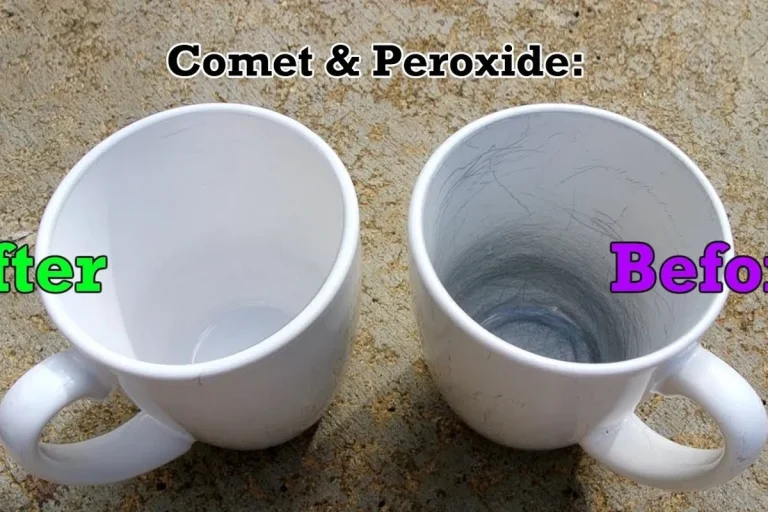
Clean the mug and remove food or drink stains
Rinse out coffee, tea, and milk residue first. Leftover liquid can attract pests and make sorting messy.
You do not need to scrub a mug spotless for most drop-offs. But it should be empty and free of loose food.
Check for chips, cracks, and broken handles
Inspect the mug before you move it. Chips and cracks can turn a simple item into a sharp hazard.
If the mug is broken, wrap it carefully before handling. Small shards can cut skin fast.
Broken ceramic and glass can be sharp even when the edge looks smooth. Handle it with gloves or thick paper, and keep it away from kids and pets.
Separate lids, sleeves, and silicone parts
Take the mug apart if you can do it safely. Lids, sleeves, and seals often belong in different waste streams.
This step matters most for travel mugs. One mixed item can become several simpler parts.
Best Reuse and Disposal Options When Recycling Is Not Possible
Recycling is not always the best or only answer. In many homes, reuse comes first.
Donate mugs in good shape
Donate mugs that are clean, intact, and still pleasant to use. Thrift shops, shelters, and community groups may accept them.
Check local donation rules before you go. Some groups only want certain items in good condition.
Repurpose mugs for storage, plants, or desk use
A mug can hold pens, tea bags, paint brushes, or spare change. It can also work as a small plant pot with drainage care.
This is often the easiest option for a mug with a chip or a faded design. It keeps the item useful at home.
- Use chipped mugs for desk storage, not hot drinks.
- Check that plant mugs can drain or use a liner.
- Keep broken mugs out of donation boxes.
Use local waste or construction recycling for broken ceramic
Some cities treat broken ceramic like construction debris. Others send it to regular trash.
Ask your local waste office before you drop it off. That saves time and avoids rejected loads.
Common Mistakes People Make When Recycling Coffee Mugs
Most mug recycling mistakes come from guessing. A quick check prevents the most common problems.
Putting ceramic in curbside bins by mistake
This is the biggest error. Ceramic mugs often look like glass, but they are not sorted the same way.
That mix-up can contaminate a recycling load. It can also waste your effort.
Mixing mug parts with different recycling streams
Do not leave a lid on and hope for the best. Different parts may need different bins.
Separate metal, plastic, silicone, and fabric pieces when possible. If they are glued together, treat the item as mixed waste.
Skipping local rules and assuming all cities work the same
Recycling rules change from place to place. A mug accepted in one town may be rejected in the next.
That is why local guidance matters more than general advice. Your hauler or city site is the final word.
Follow the appliance manual and stop using damaged equipment.
Safety, Cost, and Environmental Value of Proper Mug Recycling
Proper mug handling is about more than waste. It also protects people and keeps materials out of the wrong stream.
Why broken mugs need careful handling
Broken mugs can leave sharp edges and tiny shards. Those pieces can cut hands during cleanup or sorting.
Wrap them well before moving them. Use thick paper, cardboard, or a sealed container if your local rules allow it.
When drop-off fees or special programs may apply
Some special recycling or construction waste sites may charge a fee. Others may accept certain items only on set days.
That does not mean the option is bad. It just means you should check before you drive over.
How proper reuse and recycling cuts waste
Reuse keeps a mug in service longer. That is usually the simplest way to reduce waste.
When reuse is not possible, proper sorting helps keep usable material out of landfills. It also supports cleaner recycling systems.
- Most mugs are not curbside recyclable.
- Check the material and local rules first.
- Donate or reuse good mugs before you discard them.
- Handle broken ceramic and glass with care.
Final Recommendation: The Smartest Way to Handle Old Coffee Mugs
The smartest choice depends on the mug’s shape, material, and condition. In many homes, the best answer is reuse first, donate second, and recycle only when local rules clearly allow it.
Best option based on mug condition and material
If the mug is clean and intact, donate it or keep using it. If it is broken or mixed material, check for special drop-off options.
Ceramic usually needs the most care. Metal travel mugs may offer the most recycling value if the parts separate cleanly.
When to recycle, donate, reuse, or throw it away
Recycle only when your local program accepts the exact material. Donate when the mug still looks good and works well.
Reuse is best for chipped but safe mugs. Trash is the last step when no other option fits.
Simple closing advice for Red Kitchen Project readers
If you remember one thing, make it this: do not assume all mugs go in the recycling bin. Check the material, separate the parts, and follow local rules.
That small habit helps cut waste and keeps your kitchen cleanup a lot smarter.
Frequently Asked Questions
Usually no. Most curbside programs do not accept ceramic mugs because they sort differently from bottles and cans. Check your local recycling rules or a special drop-off site.
Sometimes, but not always. Some centers accept them at special glass drop-offs, while others reject drinkware glass. Call ahead before you bring it in.
Handle it carefully and wrap the pieces before moving them. Then check whether your area accepts broken ceramic or glass as construction waste or special drop-off material.
Yes, if they are clean, intact, and still useful. Donation is often better than recycling because it keeps the mug in use longer.
Separate the lid, sleeve, gasket, and straw if they come off safely. The metal body may be recyclable in some areas, but the parts often need different bins.
Mug materials and recycling systems vary a lot by city and processor. A mug accepted in one place may be rejected in another, so local guidance is the safest choice.