How to Use a Coffee Mug Warmer Safely at Home

Use a coffee mug warmer on a flat, dry surface with a stable mug. Turn it off when you step away and clean spills after it cools.
A coffee mug warmer is a simple tool, but safe use matters. The short version is this: place it on a stable surface, use the right mug, watch liquid levels, and turn it off when you leave the room.
That sounds basic, but those small habits help prevent spills, burns, and electrical trouble. If you want your coffee to stay warm without creating a mess, this guide covers the safe way to do it at home.
- Use the right mug: Flat, stable cups work best and reduce spill risk.
- Watch the setup: Keep the warmer dry, level, and away from clutter.
- Use safety features: Auto shutoff and clear controls add peace of mind.
- Clean it gently: Wipe spills after cooling and avoid soaking the unit.
What a Coffee Mug Warmer Does and When to Use One
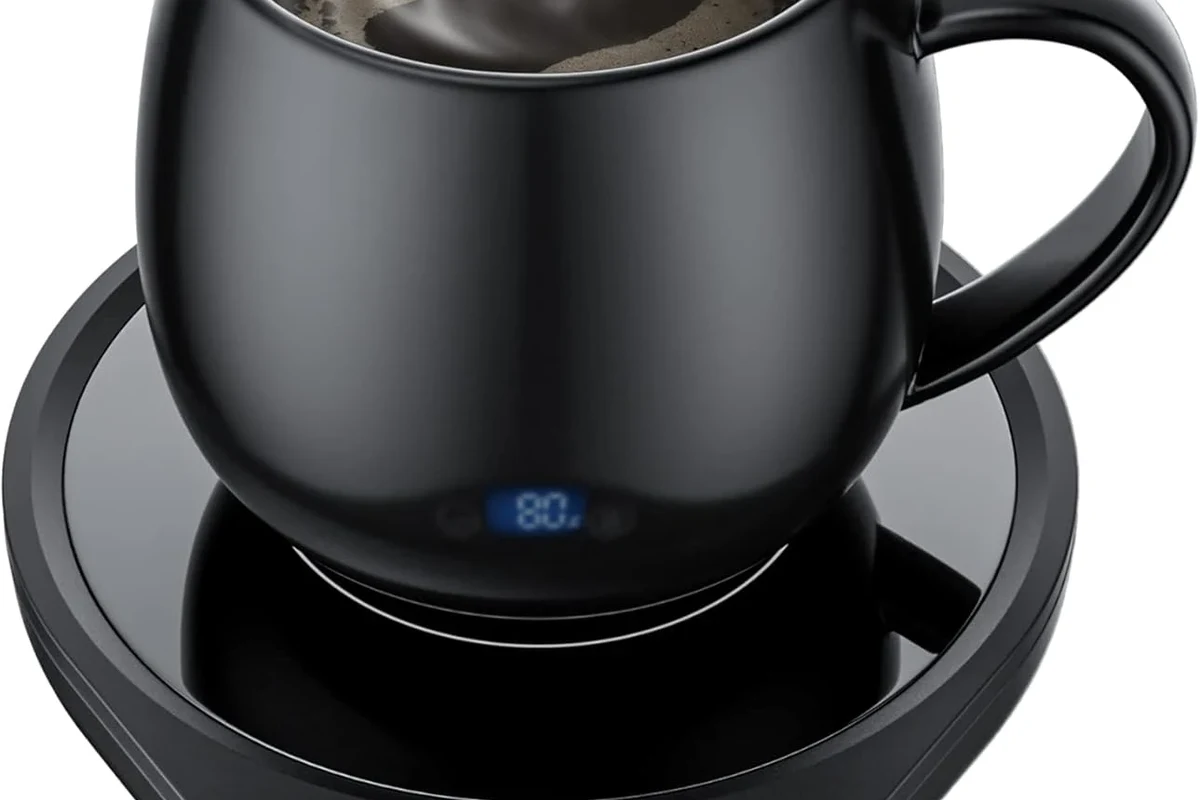
A mug warmer keeps a drink warm after it has already been brewed. It does not make cold coffee hot in a fast way. It works best as a holding tool, not a full heater.
Simple answer: how a mug warmer keeps drinks hot
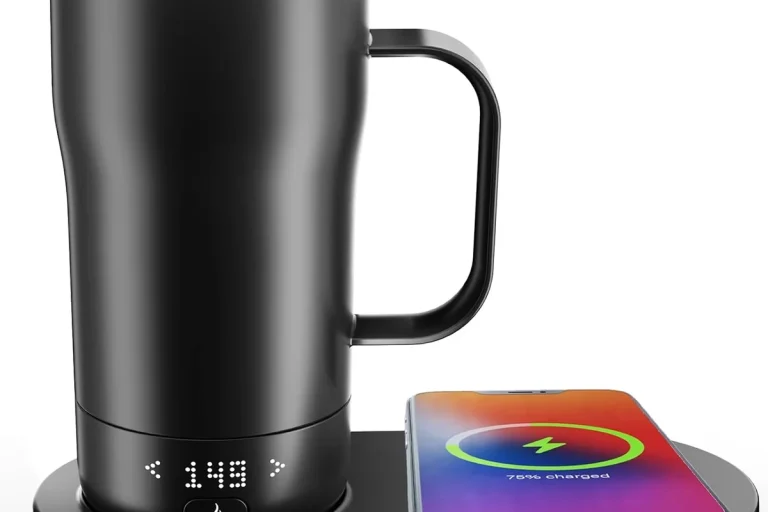
Most mug warmers use a heated plate under the cup. The plate adds gentle heat to the bottom of the mug. That helps slow the cooling process.
The result depends on the mug, the room, and the drink size. A thin mug may warm faster than a thick one. A lid can also help hold heat longer.
A mug warmer works best with a mug that has flat contact on the bottom.
Best times to use one at home or at work
A mug warmer makes sense when you sip slowly. It can help during work calls, reading time, or long study sessions. It also helps if you like to return to the same cup again and again.
It is less useful if you finish drinks fast. It also may not help much in a cold room or with a very large mug. In those cases, fresh brewing or a travel mug may work better.
Results vary by model, mug shape, and room temperature. Always check the product manual for the maker’s own limits.
How to Use a Coffee Mug Warmer Safely
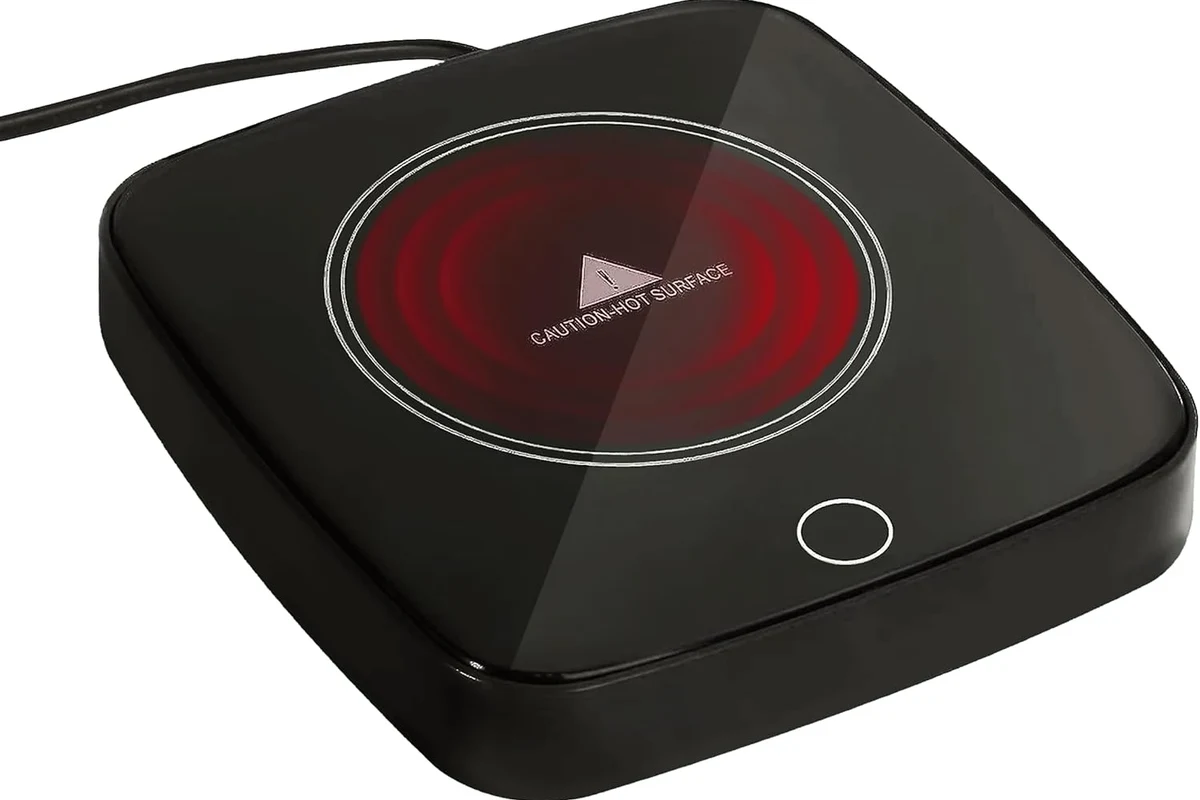
Safe use starts before you plug it in. The goal is to keep the warmer steady, keep the mug stable, and avoid heat buildup around the unit.
Use a counter or desk that can handle heat. Keep it away from towels, paper, and loose cords.
Pick a mug that sits flat and does not wobble. Check the manual for safe materials, since some mugs work better than others.
Leave room at the top so the drink does not spill when the mug shifts. Hot liquid can splash if the mug is too full.
Switch it off when you leave the room or finish your drink. That lowers fire risk and saves energy.
Never use a mug warmer near water, sinks, or wet hands. If the cord, plate, or plug looks damaged, stop using it right away.
Key Features to Check Before You Buy
If you are shopping for a mug warmer, look past the pretty finish. Safety features and fit matter more than looks.
Heat settings, auto shutoff, and temperature control
Simple on and off models can work fine. Still, heat settings give you more control over how warm the drink stays. Auto shutoff is a smart feature because it reduces the chance of forgetting the warmer on.
Temperature control can also help with different drinks. Coffee, tea, and hot cocoa may not need the same heat level. A lower setting may work better for delicate drinks.
Plate size, power cord length, and build quality
The plate should fit your mug without tipping it. A tiny plate can make a wide mug feel unstable. A cord that is too short can also tempt you to use an unsafe setup.
Build quality matters because the warmer sits on your counter for long stretches. Look for a solid base, clear controls, and a cord that feels sturdy. If the unit feels flimsy, it may not last well.
- Check mug fit and plate size
- Look for auto shutoff or clear controls
- Review cord length and placement needs
- Read the manual for safe mug materials
Best mug materials for steady heat
Ceramic mugs often work well because they sit flat and hold heat fairly evenly. Glass and stainless steel may work on some models, but the fit and heat transfer can vary.
Very thin cups can heat unevenly. Mugs with curved or narrow bottoms can also wobble. The safest choice is the one your warmer is designed to support.
- Choose a mug that sits flat and feels steady.
- Use a lid if you want heat to last longer.
- Read the manual before trying a new mug type.
Benefits and Limits of Mug Warmers
Mug warmers can be very handy, but they are not magic. They do one job well, and they do not replace a kettle, microwave, or coffee maker.
Why they work well for slow coffee drinkers
If you sip slowly, a warmer can keep your drink pleasant for longer. That means fewer trips to reheat the cup. It can also make a long morning feel easier.
They are especially useful at a desk, in a home office, or by a reading chair. For example, a parent working through school emails may like having coffee stay warm between tasks.
- Keeps drinks warm during long breaks between sips
- Reduces the need to reheat the same cup
- Takes up less space than many other appliances
Common limits with large mugs, lids, and cold rooms
Large mugs often hold too much liquid for steady warming. A very full cup may cool faster than expected. Thick ceramic can also slow heat transfer.
Cold rooms can make the warmer seem less effective. Lids help, but they do not solve every issue. If you need truly hot coffee for a long time, an insulated mug may be the better pick.
- Good for slow, steady sipping
- Simple to use on a desk or counter
- Can reduce repeated reheating
- Not ideal for very large mugs
- May struggle in cold rooms
- Depends on mug shape and fit
Common Mistakes That Can Cause Problems
Most mug warmer problems come from simple misuse. The good news is that these mistakes are easy to avoid.
Using cracked mugs or unstable cups
A cracked mug can fail when it gets warm. An unstable cup can tip and spill hot liquid. Both can lead to burns or a damaged warmer.
If a mug rocks on the plate, do not use it. If you see chips, cracks, or loose handles, replace the mug. It is not worth the risk.
The mug wobbles, leaks, or has visible damage.
Stop using that mug and switch to a flat, stable cup in good shape.
Leaving food spills on the warming plate
Spills can bake onto the plate and smell bad later. They can also make the surface harder to clean. In some cases, buildup may affect how the warmer works.
Wipe spills after the unit cools. Do not scrub a hot plate with wet cloths. That can be unsafe and may damage the finish.
Plugging into unsafe outlets or power strips
Use a proper outlet that can handle the warmer safely. Avoid loose plugs, damaged cords, and overloaded power strips. If the outlet feels hot or looks worn, do not use it.
Follow the appliance manual and stop using damaged equipment. If you smell burning, see sparks, or notice heat at the plug, unplug it at once.
Cleaning and Basic Care
A clean mug warmer works better and lasts longer. Care is simple, but you need to do it the right way.
How to wipe the plate without damage
Always let the warmer cool first. Then wipe the plate with a soft, damp cloth. Dry it right away so moisture does not sit on the surface.
Do not soak the unit. Do not spray cleaner directly onto it unless the manual says that is safe. Water near the plug or base can create a hazard.
What to do after spills, stains, or buildup
For fresh spills, unplug the warmer and let it cool. Then wipe it clean with a soft cloth. If residue remains, use a mild cleaner only if the manual allows it.
For stubborn buildup, repeat gentle cleaning instead of using rough pads. Scratches can make the plate harder to clean later. If the stain seems burned in, check the maker’s care guide before trying anything stronger.
Unplug, cool, and wipe away drips or rings.
Check the cord, plug, plate, and base for wear.
Storage tips to help it last longer
Store the warmer in a dry place. Wrap the cord loosely, not tightly. Tight bends can wear the cord faster.
Keep it away from heavy pans and sharp tools. A small crack in the plate or base can turn into a bigger problem later. If you notice damage, stop using it.
Cost, Value, and Final Recommendation
A mug warmer can be a smart buy if you want warm coffee without much fuss. The best one for you depends on safety features, mug fit, and how often you will use it.
What a good mug warmer should cost in 2026
Prices vary by model, brand, and retailer. In 2026, a good value model usually offers solid build quality, clear controls, and at least one useful safety feature.
Do not shop by price alone. A cheaper warmer with poor stability or no shutoff may cost more in the long run if it fails early.
Who should buy one and who should skip it
Buy one if you sip slowly, work at a desk, or want a simple way to keep coffee warm. It can also suit tea drinkers who like steady heat.
Skip it if you want fast reheating, travel use, or a very hands-off setup. An insulated mug or a small electric kettle may fit those needs better.
A mug warmer is a good fit because it keeps a cup pleasant between sips.
Choose a model with auto shutoff so you do not forget it on.
Skip the warmer and use a microwave, kettle, or fresh brew.
Final safety-focused verdict for home use
A coffee mug warmer is safe for home use when you treat it like a heat appliance. Use the right mug, keep the surface dry, and switch it off when you leave.
If you want a low-effort way to keep coffee warm, it can be a helpful little gadget. If you need speed or portability, another option may serve you better.
Choose a mug warmer if you want steady warmth and can follow basic safety habits. Skip it if your mug is unstable, your outlet setup is poor, or you need fast reheating.
- Use a flat, dry, heat-safe surface.
- Match the warmer to a stable mug.
- Turn it off when you walk away.
- Clean spills after the unit cools.
- Check the manual for model-specific limits.
Frequently Asked Questions
A flat-bottom mug that sits steady usually works best. Check the manual for mug materials and shape limits, since they vary by model.
It is safer to turn it off when you leave the room or finish using it. Auto shutoff adds another layer of protection, but you should still follow the manual.
Large mugs, cold rooms, thick cups, and overfilled drinks can all reduce heat. A lid may help, but some drinks and mugs will still cool faster than others.
Let it cool first, then wipe it with a soft damp cloth. Do not soak it or spray cleaner directly on it unless the manual says that is safe.
Stop using it if you see a damaged cord, loose plug, sparks, burning smells, or heat at the outlet. Cracks, wobbling, or repeated overheating are also warning signs.
Look for mug fit, stable heat, auto shutoff, cord length, and easy cleaning. It also helps to check the warranty, manual, and official safety guidance before you buy.