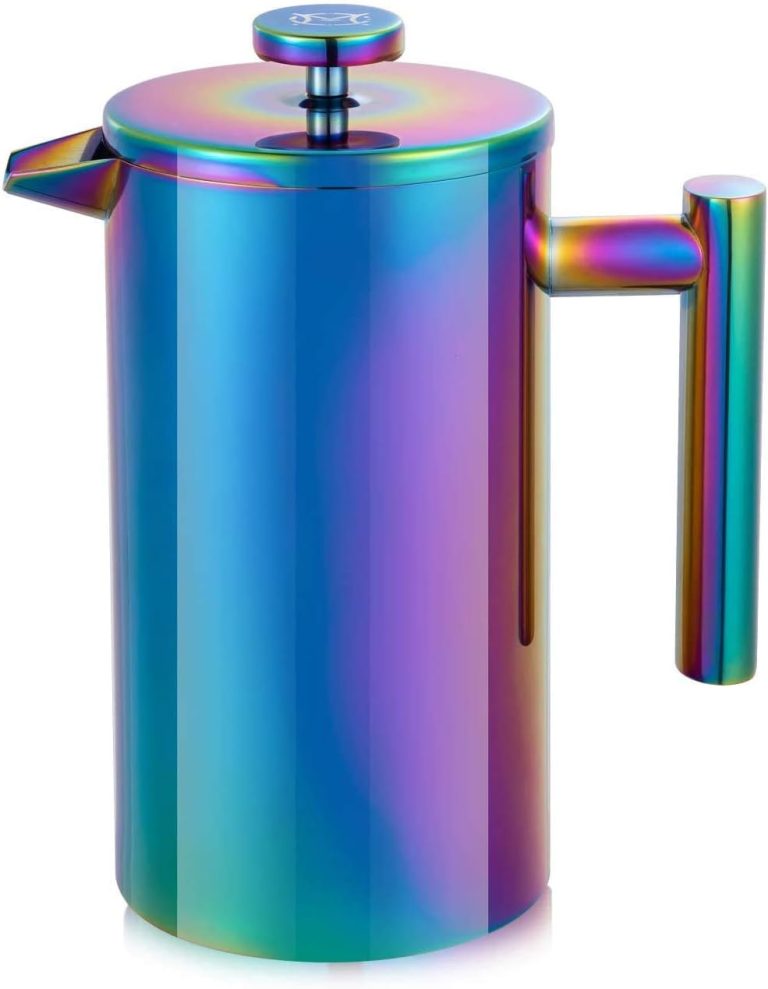
How to Use French Press Coffee Maker Step by Step Guide

Use coarse coffee, hot water just off the boil, and a four-minute steep for a classic French press brew. Press slowly and pour right away for the best taste.
Using a French press is simple once you know the rhythm. Add coarse coffee, pour hot water, steep for a few minutes, then press and pour right away.
- Use coarse grounds: Fine coffee can make the press gritty and bitter.
- Start with a ratio: A 1 to 15 or 1 to 16 mix works well.
- Watch the time: Four minutes is a strong starting point for most brews.
- Press gently: Slow pressure helps keep grounds out of the cup.
- Clean right away: Fresh cleanup keeps parts working and coffee tasting better.
How to Use French Press Coffee Maker Step by Step
A French press gives you full control over strength, taste, and brew time. It works by steeping coffee grounds in hot water, then separating them with a metal filter.
That simple setup makes it a favorite for home coffee lovers. It also means small changes can affect flavor a lot.
What a French press does and why it works
A French press soaks coffee grounds in water instead of dripping water through them. This lets more oils and fine particles stay in the cup.
The result is usually a fuller body and a richer taste. It can also taste stronger than many drip brewers, even with the same coffee.
French press coffee often tastes bolder because the metal filter lets more natural coffee oils through.
Quick answer: the basic brewing steps
Here is the short version if you want the fast path.
Use hot water that is just off the boil.
Use a coarse grind and a steady ratio.
Pour water, stir gently, and let it sit.
Push the plunger down slowly and pour at once.
That’s the basic method in plain terms. The rest of this guide explains how to do it well.
What You Need Before You Start
You do not need fancy gear to make good French press coffee. You do need the right grind, the right ratio, and a way to time the brew.
French press size, grind, water, and coffee ratio
French presses come in different sizes, so check your model before brewing. The amount of coffee and water should match the carafe size and the number of cups you want.
A common starting point is a coffee-to-water ratio near 1 to 15 or 1 to 16. That means one part coffee to about 15 or 16 parts water.
If you like stronger coffee, use a little more coffee. If you want a lighter cup, use a little less.
Exact scoop sizes vary. A kitchen scale gives the most even results, but spoons can still work.
Helpful tools that make brewing easier
A scale helps with repeatable results. A kettle with a pour spout also makes it easier to control the water flow.
You can brew without both, but they make the process smoother. A timer matters too, because steep time changes the taste fast.
- Warm the press first if your kitchen is very cold.
- Use fresh beans for better aroma and taste.
- Pre-grind only what you need for the day.
Step-by-Step Brewing Guide
This is the core method. Follow the steps in order, and keep your timing steady.
Heat the water to the right temperature
Bring water to a boil, then let it sit briefly. You want hot water, but not a rolling boil in the press.
Very hot water can pull out harsh flavors. Water that is too cool can make the coffee taste flat.
Use care with hot water and glass presses. Set the press on a stable, heat-safe surface before you pour.
Add coffee, pour water, and start the timer
Add your coffee grounds to the empty press. Then pour in enough hot water to wet all the grounds.
After that, fill the press with the rest of the water. Start your timer as soon as the water hits the grounds.
Try to keep the pour steady. You do not need to rush, but you also should not let the grounds sit dry for long.
Stir, steep, and press slowly
Give the coffee a gentle stir after pouring. This helps all the grounds mix with the water.
Put the lid on with the plunger pulled up. Let the coffee steep for about four minutes as a starting point.
When time is up, press down slowly and with even pressure. If you force it, you can stir up fine grounds and make the cup gritty.
Stop if the plunger feels stuck or the glass looks cracked. Do not force damaged equipment.
Pour and serve without over-extracting
Pour the coffee into cups right after pressing. Do not leave it sitting in the press.
If brewed coffee stays in contact with the grounds, it can turn bitter. For the best taste, decant extra coffee into a separate carafe.
If you make more than one cup, pour all of it out at once. That helps keep the flavor cleaner.
How to Get Better Flavor From a French Press
Once you know the basic method, the flavor tweaks are easy. Small changes in grind, time, and ratio can make a big difference.
Best coffee grind and brew time for taste
Use a coarse grind. Think of the texture of sea salt, not powder.
Fine coffee can slip through the filter and make the cup muddy. It can also over-extract faster and taste harsh.
Four minutes is a strong starting point for many coffees. Some people prefer a little less time for brighter flavor, or a little more for a heavier cup.
How to adjust strength, body, and bitterness
If the coffee tastes weak, use more grounds or steep a bit longer. If it tastes too strong, use less coffee or shorten the brew time.
If it tastes bitter, the water may be too hot, the grind may be too fine, or the coffee may sit too long after pressing.
For example, a darker roast may need a slightly shorter steep than a light roast. The bean type, roast level, and freshness all matter.
Common Mistakes to Avoid
Most French press problems come from a few simple errors. The good news is that they are easy to fix.
Using the wrong grind or water temperature
Too fine a grind is one of the biggest mistakes. It can clog the filter and leave a sludgy cup.
Water that is too hot can burn the grounds. Water that is too cool can under-brew the coffee and mute the flavor.
The coffee tastes muddy or bitter.
Use a coarser grind and let boiling water rest before brewing.
Pressing too fast or letting coffee sit too long
Press the plunger slowly. A fast push can splash hot liquid and stir up grounds.
Also, do not leave coffee in the press after brewing. It keeps extracting and can taste harsh.
Measuring coffee by eye instead of using a ratio
Eyeballing coffee can work once you are experienced. At first, it often leads to weak or overly strong cups.
A simple ratio makes it easier to repeat the same taste next time. That saves time and waste.
- Measure coffee and water with the same ratio each time.
- Press slowly and pour right away.
- Keep the grind coarse and even.
- Using espresso-fine grounds in the press.
- Leaving coffee sitting in the carafe.
- Forcing a stuck plunger down hard.
Safety, Cleaning, and Maintenance
French presses are simple, but they still need basic care. Clean parts make better coffee and help the press last longer.
Safe handling for hot water and glass presses
Handle the press with dry hands when possible. Wet hands can make the glass or metal body harder to grip.
If your press uses glass, place it away from the edge of the counter. Keep it away from sudden temperature changes unless the manual says it is safe.
How to clean the plunger, filter, and carafe
Rinse the press soon after use. Coffee residue is easier to remove while it is fresh.
Take apart the plunger and filter parts as your manual shows. Wash them with warm water and mild soap.
Dump the grounds, rinse the carafe, and wash the filter parts.
Check the mesh, seals, and plunger for wear or buildup.
How often to deep clean and replace parts
Deep clean when you see buildup, cloudy residue, or slow pressing. The exact schedule depends on how often you brew.
Replace worn screens, seals, or cracked glass as soon as needed. If a part is damaged, check the maker’s guidance before using the press again.
- Capacity and dimensions
- Controls, cleaning, warranty, and safety
Is a French Press Worth It in 2026?
For many home coffee drinkers, yes. A French press still offers strong value because it is simple, low cost to use, and easy to store.
Cost, value, and who it suits best
A French press is a good fit if you want full flavor without a complex machine. It also works well if you brew one or two cups at a time.
It suits people who like hands-on brewing and do not mind a little cleanup. If you want more control than drip coffee, it gives you that.
Best for small kitchens and simple daily brewing.
Best for households that brew several cups at once.
Limits compared with drip, pour-over, and espresso
A French press is not the fastest option. It also does not make espresso, so it cannot replace a real espresso machine.
Compared with drip, it can taste richer but may need more cleanup. Compared with pour-over, it is less delicate, but also less precise.
Results can vary by roast, grind, water quality, and press design. Follow your manual if your model has special filter or lid parts.
The French press is still one of the easiest ways to make rich coffee at home in 2026. Start with coarse grounds, hot water, a four-minute steep, and a slow press. If you want the cleanest cup, pour the coffee out right away and clean the parts after each use.
Best way to start if you are new to French press coffee
Keep your first batch simple. Use a coarse grind, a steady ratio, and a timer.
Then change only one thing at a time. That makes it much easier to learn what you like.
- Use coarse coffee and hot water that is not boiling hard.
- Steep for about four minutes, then press slowly.
- Pour the coffee out right away to avoid bitterness.
- Clean the filter and carafe after each brew.
Frequently Asked Questions
Use a coarse grind, like sea salt. Fine grounds can slip through the filter and make the coffee muddy or bitter.
A good starting point is about 1 to 15 or 1 to 16. You can adjust a little stronger or lighter based on taste.
Use hot water that is just off the boil, not a rolling boil. Very hot water can make the coffee taste harsh.
Four minutes is a common starting point. Some coffees may taste better with a little less or a little more time.
Dump the grounds, rinse the carafe, and wash the plunger and filter parts with warm water and mild soap. Check your manual for any model-specific cleaning steps.
Bitterness often comes from water that is too hot, coffee that sits too long, or a steep that is too long. Gritty coffee usually means the grind is too fine or the filter needs cleaning.