
How Coffee Mugs Are Made From Ceramic Step by Step

Ceramic coffee mugs are made by shaping clay, drying it, and firing it twice in a kiln. Glaze gives the mug its color, smooth finish, and sealed surface.
Ceramic coffee mugs are made by mixing clay, shaping it into a mug, drying it, and firing it in a kiln. After that, makers add glaze and fire it again to harden the surface and finish the mug.
- Two firings matter: They harden the mug and bond the glaze.
- Clay mix changes the result: Minerals affect strength, color, and feel.
- Quality shows in use: Look for smooth rims, balance, and even glaze.
- Care affects lifespan: Avoid chips, cracks, and sudden temperature changes.
How Coffee Mugs Are Made From Ceramic: The Short Answer
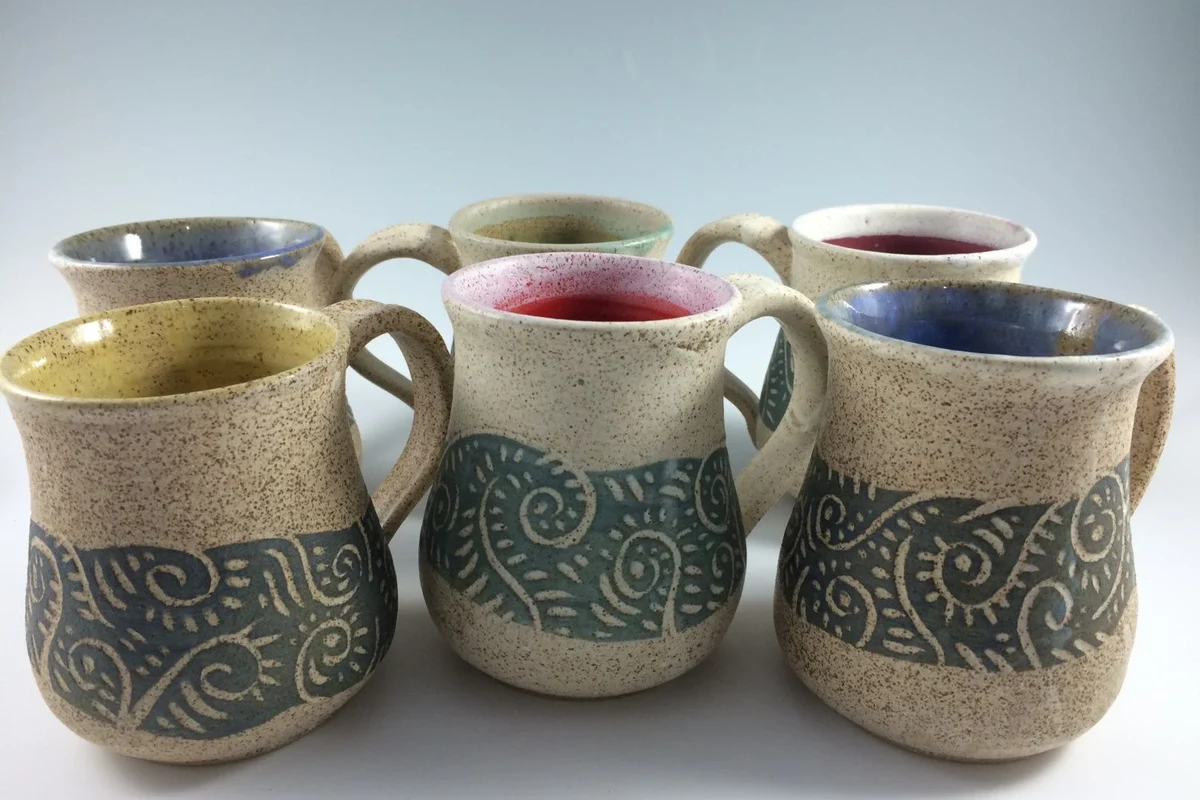
In simple terms, a ceramic mug starts as soft clay and ends as a hard, glass-like cup. The process uses heat, water control, and careful shaping to turn raw material into a safe mug for daily use.
The exact method can vary by factory, studio, and mug style. But the basic steps stay the same: mix, shape, dry, fire, glaze, and fire again.
Most ceramic mugs get their strength from two kiln firings, not just one.
What Ceramic Mugs Are Made Of
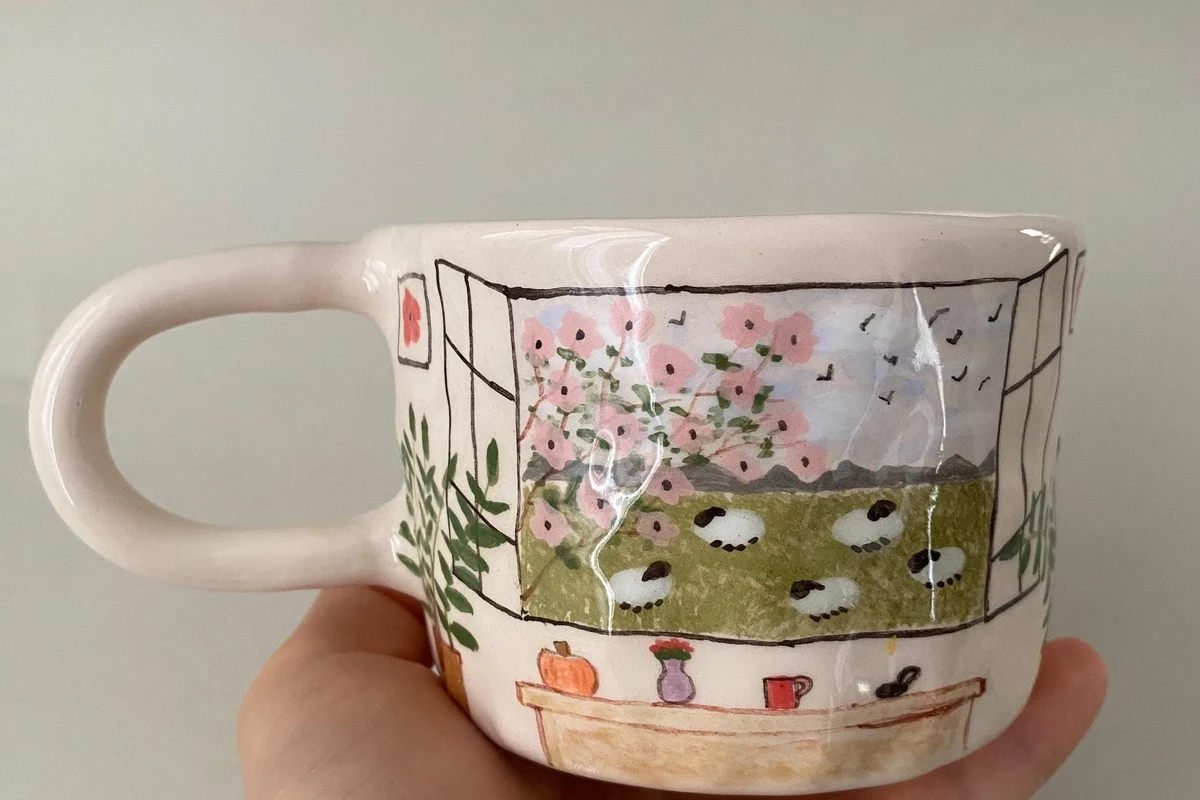
Ceramic mugs come from a blend of natural materials. Makers choose the mix based on strength, color, feel, and how the mug will fire.
That blend matters because it controls how the mug shrinks, hardens, and holds glaze.
Clay, water, and mineral blends
Clay gives the mug its shape. Water makes the clay soft and easy to form.
Minerals help the mug hold together during firing. They also affect color, texture, and how the finished mug feels in your hand.
Different mug makers use different clay bodies. That means two ceramic mugs can look alike but feel quite different.
Why kaolin and feldspar matter
Kaolin is a fine white clay. It helps create a smooth, clean surface and supports bright glaze colors.
Feldspar helps the clay melt and fuse during firing. In plain terms, it helps turn loose clay into a strong ceramic body.
Helps create a fine, smooth mug body.
Supports melting and hardening in the kiln.
The Step-by-Step Ceramic Mug Making Process
Here’s the basic path from raw clay to finished coffee mug. Each step affects quality, safety, and how the mug holds up over time.
Makers blend clay, water, and minerals into a smooth clay body.
The clay gets formed on a wheel, in a mold, or by machine.
The shaped mug dries before its first kiln firing.
The dried mug becomes stronger and easier to glaze.
Glaze gives the mug color, shine, and a sealed surface.
The glaze melts and bonds to the mug, then the mug cools slowly.
1. Mixing and preparing the clay body
The process starts with a clay recipe. Makers combine the base clay with other minerals until the mix has the right feel.
They remove air pockets and make sure the clay has even moisture. This helps prevent cracking later.
- Even moisture helps the mug shape more cleanly.
- Air pockets can cause weak spots during firing.
2. Shaping the mug by hand or machine
Makers shape mugs in a few common ways. A potter may throw the mug on a wheel, press it in a mold, or use factory equipment.
The handle is added during this stage or shortly after. A good handle needs solid attachment and a shape that feels easy to hold.
3. Drying the greenware
At this stage, the mug is called greenware. It is still fragile and can crack if it dries too fast.
Drying must happen slowly and evenly. If one side dries faster, the mug can warp or split.
Greenware is very fragile. Even a small bump can damage it before the first firing.
4. First firing in the kiln
The first kiln firing removes the last water and hardens the mug into bisque. Bisque is still porous, but it is much stronger than raw clay.
This stage prepares the mug for glaze. It also helps the surface hold color and finish more evenly.
5. Adding glaze and color
Glaze is a coating that melts in the kiln. It gives the mug its shiny or matte finish and helps seal the surface.
Color comes from glaze formulas, stains, or surface decoration. The final look can change based on heat, thickness, and kiln conditions.
6. Final firing and cooling
The second firing melts the glaze and locks it to the mug. This is where the mug gets its final strength and look.
Cooling also matters. If the mug cools too fast, it can crack from thermal stress.
Follow the maker’s care guide for heat use. Sudden temperature changes can crack ceramic mugs.
How Ceramic Mug Quality Is Judged
Good ceramic mugs feel balanced, comfortable, and solid. They also have smooth edges and a glaze that looks even.
Buyers often notice quality before they know the technical details. That’s normal. A mug should simply feel right in your hand.
Wall thickness, weight, and balance
Wall thickness affects both feel and durability. Thin walls may feel light, while thicker walls can feel sturdier and hold heat longer.
Balance matters too. A mug should not feel top-heavy when full.
Glaze finish, rim feel, and handle comfort
The glaze should cover the mug evenly. Bumps, pinholes, or rough spots can point to firing issues or a lower-quality finish.
The rim should feel smooth on your lips. The handle should fit a few fingers without strain.
Heat retention and durability
Ceramic mugs usually hold heat better than thin glass or metal cups. Still, the exact result depends on the mug’s thickness and shape.
Durability also depends on how the mug was fired and glazed. A well-made mug can last for years with normal care.
Benefits and Limits of Ceramic Coffee Mugs
Ceramic is popular for a reason. It has a classic feel, works for many drinks, and comes in endless styles.
Still, it is not perfect. Like any kitchen item, it has trade-offs.
Why people choose ceramic every day
Many people like ceramic because it feels familiar and sturdy. It also suits hot coffee, tea, cocoa, and even soup.
Ceramic can take on many looks, from simple white mugs to bright handmade pieces. That makes it easy to match a kitchen style.
- Comfortable for daily hot drinks
- Easy to style for home use
- Often dishwasher-safe, depending on the mug
- Can feel more substantial than thin cups
Where ceramic mugs can fall short
Ceramic can chip if it hits a hard sink or counter. It can also crack if it gets a sudden temperature shock.
Some mugs stain more easily than others. Light glazes may show coffee marks if they are not cleaned well.
- Comfortable and familiar for daily use
- Wide range of styles and finishes
- Usually safe for hot drinks
- Can chip or crack if mishandled
- Some finishes stain over time
- Weight varies a lot by design
Common Mistakes in Ceramic Mug Production and Use
Problems can happen in the factory and at home. Many mug issues come from heat stress, poor glaze work, or rough handling.
Knowing the common mistakes helps you spot weak mugs and care for the ones you already own.
Cracks, bubbles, and uneven firing
Cracks often start when clay dries too fast or when firing happens unevenly. Tiny glaze bubbles can also point to kiln problems.
Uneven firing may leave the mug weak in some spots. It can also affect color and surface smoothness.
The mug shows hairline cracks, rough glaze, or odd color patches.
Stop using the mug if the crack reaches the body or rim. Small surface flaws may be cosmetic, but deeper damage is not worth the risk.
Chips, stains, and thermal shock
Chips often happen when mugs strike a sink, tray, or another cup. Once chipped, the rim can feel rough and the mug can weaken.
Thermal shock happens when hot ceramic meets cold water, or the other way around. That sudden change can cause cracks.
- Let the mug warm or cool gradually
- Wash it with a soft sponge when possible
- Check for chips near the rim and handle
- Do not move a hot mug into cold water
- Do not keep using a cracked mug
- Do not stack damaged mugs tightly
Cleaning, Care, and Safety Tips
Most ceramic mugs are simple to care for. But a little caution goes a long way, especially with decorated or handmade pieces.
Always check the product label or maker’s notes when you can. Care rules can vary by glaze and print method.
How to wash ceramic mugs the right way
For everyday cleaning, warm water and mild dish soap usually work well. A soft sponge helps protect the glaze and printed design.
If a mug has stains, soak it first instead of scrubbing hard. That lowers the chance of scratching the finish.
Rinse soon, then wash with mild soap and a soft sponge.
Check for chips, hairline cracks, and worn glaze.
Microwave, dishwasher, and food-safe checks
Not every ceramic mug is microwave-safe or dishwasher-safe. The maker’s label is the best guide.
Also look for food-safe glazing and decoration. If the mug has unknown origin, damaged glaze, or a strong chemical smell, it’s smart to avoid using it for drinks.
- Check the bottom for care marks
- Look for chips, cracks, or rough spots
- Confirm microwave and dishwasher safety
- Use caution with handmade or vintage mugs
Cost, Value, and Final Recommendation
The value of a ceramic mug depends on more than looks. Materials, firing quality, finish, and brand all play a role.
A simple mug can be a great buy if it feels good and holds up well. A pricier mug may make sense if you want a handmade look or special design.
What affects price in 2026
In 2026, mug price often depends on clay quality, glaze work, labor, and whether the mug is handmade or mass-made. Retail markup and design detail also matter.
Imported pieces, artist-made mugs, and licensed designs can cost more. Simple factory mugs often cost less, but quality still varies a lot.
Who ceramic mugs are best for
Ceramic mugs are best for people who want a comfortable daily cup with a classic feel. They also suit homes that value style and easy drinkware matching.
If you want a mug for rough travel use, a different material may fit better. But for home coffee, ceramic remains the most familiar choice.
Choose ceramic for comfort, heat hold, and easy style matching.
Consider a tougher travel mug instead, since ceramic can chip.
Pick a handmade or decorative ceramic mug for extra charm.
Ceramic coffee mugs are made by shaping clay, firing it twice, and finishing it with glaze. For most home coffee drinkers, a well-made ceramic mug is the best mix of comfort, style, and everyday value, as long as you avoid chips and thermal shock.
Frequently Asked Questions
Makers mix clay, shape the mug, dry it, fire it once, add glaze, and fire it again. Cooling finishes the process and helps the mug harden fully.
The first firing hardens the dried clay into bisque. The second firing melts the glaze and bonds it to the mug.
Good mugs feel balanced, have smooth rims, and show even glaze. The handle should be comfortable, and the mug should look and feel solid.
Use warm water, mild soap, and a soft sponge for daily cleaning. Check the care label before putting it in the dishwasher or microwave.
Hot coffee alone is usually fine, but sudden temperature changes can crack ceramic. Avoid moving a hot mug into cold water or placing a cold mug on extreme heat.
Ceramic mugs are best for home coffee drinkers who want comfort, style, and normal daily use. They are less ideal for people who need a very tough travel cup.