Basmati Rice Cooker Ratio for Perfect Fluffy Rice

The best starting basmati rice cooker ratio is usually 1 cup rice to 1.25 cups water for white basmati. Adjust slightly for your cooker, and use less water for firmer rice or more for softer rice.
If you want fluffy, separate basmati rice from a rice cooker, the starting point is usually simple: use less water than you would for many other rice types. In 2026, most home cooks get the best results by adjusting the basmati rice cooker ratio based on the rice variety, cooker style, and whether the rice has been rinsed or soaked.
- Start point: Use 1:1.25 for white basmati in most rice cookers.
- Texture control: Less water gives firmer, fluffier grains.
- Best prep: Rinse basmati gently before cooking.
- Brown rice: Brown basmati needs much more water and time.
Basmati Rice Cooker Ratio: What Readers Actually Want to Know in 2026
Most readers are not looking for theory. They want the exact water-to-rice ratio that gives light, aromatic grains instead of a sticky pot of mush.
For standard white basmati in a typical electric rice cooker, a reliable starting point is about 1 cup basmati rice to 1.25 to 1.5 cups water. That range is narrow enough to keep the grains separate, but flexible enough to account for different cookers and rinsing habits.
Search intent: the exact water-to-rice ratio for fluffy, separate basmati grains
The best answer depends on how your rice cooker behaves. Some models cook more aggressively and need slightly less water, while others trap more steam and may need a little more.
If you want one easy rule, start with 1:1.25 for well-rinsed white basmati and move up to 1:1.5 if your cooker tends to dry rice out. If your rice comes out soft or clumpy, reduce the water a little on the next batch.
How basmati differs from jasmine, long-grain white rice, and brown rice in a rice cooker
Basmati is naturally long, slender, and less sticky than many other rice types. That means it usually needs less water than jasmine and much less than brown rice.
Compared with ordinary long-grain white rice, basmati often benefits from a slightly lower water ratio because the goal is separation, not softness. Brown rice is a different category entirely, since its bran layer slows water absorption and requires more liquid and a longer cook time.
The Best Basmati Rice Cooker Ratio by Rice Type and Cooker Style
There is no single ratio that works perfectly for every bag of rice and every cooker. Still, the following starting points are practical for most kitchens in 2026.
Standard white basmati ratio for most electric rice cookers
For most electric rice cookers, a good starting ratio is 1 cup white basmati to 1.25 cups water. If the rice is very fresh, very dry, or lightly rinsed, you may prefer 1.5 cups water.
Use the lower end if you like firmer grains for pilaf-style dishes. Use the higher end if you want a softer texture for curry, dal, or saucy meals.
Parboiled basmati and aged basmati: when to adjust water slightly
Parboiled basmati often needs a bit more water than standard white basmati because the grains are partially processed differently. A small increase, such as moving from 1.25 cups to 1.5 cups water per cup of rice, is often enough.
Aged basmati can also behave differently from a fresh bag. Older, drier rice may absorb water more slowly, so a modest increase can improve the final texture without making it sticky.
Brown basmati ratio and why it needs more water and longer cooking
Brown basmati usually needs around 1 cup rice to 2 to 2.25 cups water in a rice cooker. The bran layer makes the rice chewier and slows absorption, so it needs extra liquid and patience.
Expect a longer cycle and a longer rest period. If your cooker has a brown rice setting, use it instead of the white rice setting whenever possible.
Stovetop-style rice cookers, fuzzy logic cookers, and pressure cookers: compatibility notes
Stovetop-style rice cookers and simple one-button electric cookers often need more careful monitoring because they vary more from model to model. Fuzzy logic cookers can adapt better to moisture and temperature changes, so they may tolerate a slightly broader ratio range.
Pressure cookers usually need less water than standard rice cookers because they lose less steam. If you use a pressure cooker, follow the appliance manual first, then adjust in small steps instead of making large changes.
How to Measure Rice and Water Correctly for Reliable Results
Many rice problems come from measuring inconsistency, not from the cooker itself. A few small habits can make basmati much more predictable.
Rinsing basmati: how much starch to remove before cooking
Rinsing removes surface starch that can make rice gummy. For basmati, rinse until the water looks mostly clear, but do not scrub the grains aggressively.
A gentle rinse is usually enough. Over-rinsing or soaking too long can change how much water the rice absorbs, which may require a small ratio adjustment.
Measuring cups, rice cooker cups, and why they are not always the same
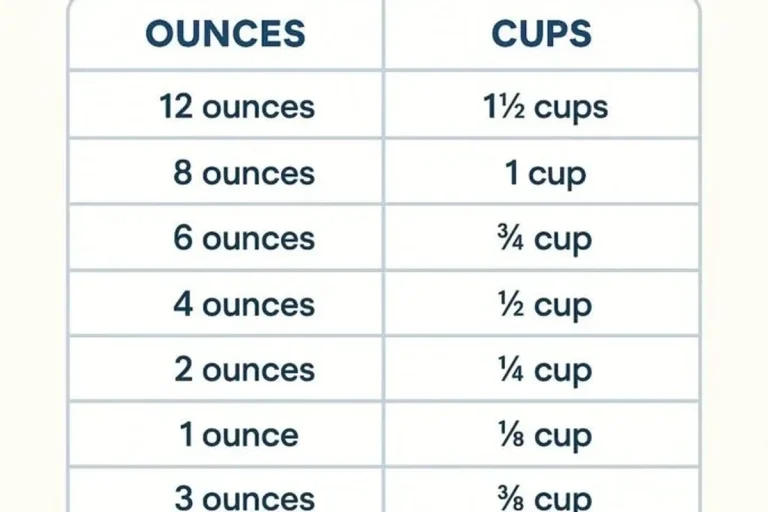
Not every “cup” is the same. Some rice cookers include a smaller rice cup that is not equal to a standard U.S. measuring cup, so mixing the two can throw off the ratio.
Use the cup that came with your cooker if the manual expects that size. If you use standard measuring cups, stay consistent every time so your results are easier to repeat.
Step-by-step method for adding water, salt, and optional fat
Start by measuring the rice, then rinse it if desired. Add the rice to the inner pot and pour in the measured water based on your chosen ratio.
Measure carefully, then add the water level you want for your rice type and cooker style.
Add a small pinch of salt if desired. A teaspoon of oil or butter can help reduce sticking, but it is optional.
Close the lid and begin the cycle without opening the cooker during the process.
Soaking basmati before cooking: when it helps and when it changes the ratio
Soaking basmati for 20 to 30 minutes can help the grains elongate and cook more evenly. It is especially useful when you want a lighter, more separated texture.
However, soaked rice may need a little less water than dry rice. If you soak, start at the lower end of the ratio range and adjust only if needed.
Cooking Method Breakdown: From Start Button to Fluffy Finish
The cooking cycle matters just as much as the ratio. Even the right amount of water can fail if the rice is disturbed too soon or left steaming too long.
Recommended cook settings for white basmati in 2026 rice cookers
If your rice cooker has a white rice, quick rice, or regular rice setting, start with the standard white rice mode. That setting usually gives enough time for basmati to absorb water without overcooking.
Quick cook modes can work in a pinch, but they may produce less even results. If your cooker has a dedicated “long grain” or “basmati” mode, that is worth trying first.
Resting time after cooking and why it matters for texture
Once the cooker switches off or moves to warm, let the rice rest for 10 to 15 minutes before opening the lid. This short pause helps steam finish the grains gently.
Skipping the rest can make the rice seem wetter than it really is. Resting also reduces breakage when you fluff the rice.
Fluffing technique with a rice paddle or fork
Use a rice paddle, silicone spatula, or fork to lift and separate the grains gently. Avoid stirring in circles, which can crush the rice and make it sticky.
Work from the edges toward the center. If the rice is perfect, the grains should separate easily with very little resistance.
How to keep rice warm without drying it out
Warm mode is useful for short holding periods, but basmati can dry out if it sits too long. If you need to hold rice for more than an hour, add a few drops of water around the edges and keep the lid closed.
Different cookers handle warm mode differently, so results may vary by model. For the best texture, serve basmati soon after it has rested and been fluffed.
Common Basmati Rice Cooker Mistakes That Cause Mushy, Sticky, or Dry Rice
Most basmati problems are easy to diagnose once you know what caused them. The key is matching the symptom to the likely mistake.
Usually too much water or too much steam retention.
Often caused by excess starch or over-stirring.
Usually too little water or a cooker that runs hot.
Using too much water for fragrant long-grain basmati
Basmati is not meant to cook like short-grain rice. Too much water can make the grains split, swell too much, and lose their separate texture.
If your rice is consistently soft, cut the water by a small amount first, such as reducing by 2 to 3 tablespoons per cup of rice.
Skipping the rinse and ending up with gummy grains
Unrinsed basmati can leave extra surface starch in the pot. That starch thickens the cooking liquid and can make the rice cling together.
A quick rinse is usually enough for most everyday cooking. If you prefer a very fluffy result, rinsing becomes even more important.
Opening the lid too early or stirring during the cook cycle
Opening the lid releases steam and can interrupt the cooking process. Stirring during the cycle can also break grains and create uneven texture.
Trust the cooker until the cycle ends. If the rice seems underdone, let it rest before making any judgment.
Overfilling the cooker and affecting steam circulation
Rice cookers need space for steam to move around the pot. Overfilling can lead to uneven cooking, boil-overs, or rice that is cooked on top but underdone below.
Stay within the appliance’s recommended fill line. This is especially important for larger family batches.
Adjustments for Taste, Texture, and Meal Planning
Once you know the baseline ratio, you can tune basmati for the meal you are making. Small changes make a big difference in the final bowl.
Making basmati softer for curries and saucier dishes
If the rice will sit under curry or sauce, a slightly softer texture can be useful. Add a little more water, but keep the increase modest so the grains do not collapse.
This approach works best when the rice is meant to absorb sauce on the plate rather than stay fully dry and separate.
Keeping grains firmer for pilaf, biryani, and meal prep
For pilaf, biryani, or meal prep containers, firmer rice usually holds up better. Use the lower end of the ratio range and avoid overcooking.
Firm basmati also reheats more cleanly. That makes it a smart choice when you plan to refrigerate portions for later in the week.
Scaling the ratio for 1 cup, 2 cups, or family-sized batches
The ratio itself stays the same when scaling up, but the cooker may behave differently with larger quantities. A 1-cup batch can dry out faster, while a larger batch may hold more steam.
For small batches, watch texture closely on the next cook and adjust in tiny steps. For large batches, make sure the pot is not filled beyond the safe limit.
Cost and time comparison: rice cooker convenience vs stovetop monitoring
A rice cooker saves active attention, which is the main convenience advantage. You measure, start the cycle, and let the appliance handle the timing.
Stovetop cooking can be just as good, but it usually needs more monitoring and more practice. If you cook basmati often, the rice cooker is often the easier path to consistency in 2026.
Safety, Maintenance, and Cooker Performance Notes
Good rice results also depend on keeping the appliance in decent condition. A clean cooker with a healthy seal and pot will perform more consistently.
Preventing boil-overs and protecting the heating plate
Too much water, too much rice, or too much starch can cause boil-overs. That can leave residue on the lid, vents, and heating plate.
Use the correct fill level and rinse the rice when needed. If your cooker has a vent, make sure it is not blocked before starting the cycle.
Cleaning residue after starch-heavy basmati batches
After cooking, let the pot cool before cleaning. Wash the inner pot, lid, and steam cap or vent parts according to the manufacturer’s instructions.
Starch residue can build up over time and affect performance. Regular cleaning helps the cooker heat more evenly and reduces off smells.
Signs your rice cooker may need a new inner pot, seal, or sensor check
If rice suddenly cooks unevenly, burns at the bottom, or comes out wet on one batch and dry on the next, the appliance may need attention. A damaged inner pot, worn seal, or sensor issue can affect results.
If the cooker has electrical damage, a damaged cord, or repeated overheating, stop using it and have it checked by the manufacturer or a qualified appliance technician.
When to consult the manufacturer if the cooker is underperforming
If your cooker is still underperforming after you have checked the ratio, rinse method, and fill level, consult the manufacturer’s support materials. Some models need specific settings or accessories to work properly.
For built-in or high-voltage appliance issues, contact a qualified electrician or appliance installer. Do not attempt unsafe repairs yourself.
Final Recap: The Simplest Basmati Rice Cooker Ratio for Consistent Results
The easiest starting point for white basmati in most rice cookers is 1 cup rice to 1.25 cups water. From there, adjust slightly based on your cooker, whether you rinse or soak, and whether you want firmer or softer rice.
Quick summary of the best starting ratio and the easiest adjustment rules
Use a little less water for firmer, fluffier grains and a little more for softer rice. Brown basmati needs much more water than white basmati, and pressure cookers may need different handling than standard electric models.
What to remember for fluffy basmati rice every time
Rinse gently, measure consistently, avoid opening the lid early, and let the rice rest before fluffing. Those small habits do more for texture than any single trick.
In 2026, the best basmati rice cooker ratio is still the one that matches your exact rice, your cooker, and your preferred texture. Start with a sensible baseline, then fine-tune by small amounts until the results are repeatable.
Frequently Asked Questions
A reliable starting point is 1 cup basmati rice to 1.25 cups water in most electric rice cookers. If your cooker runs hot or the rice is rinsed well, you may prefer a slightly lower amount.
Rinsing is strongly recommended because it removes surface starch that can make the rice sticky. Rinse until the water looks mostly clear, then measure your water ratio consistently.
Brown basmati usually needs about 1 cup rice to 2 to 2.25 cups water. It also needs a longer cooking cycle than white basmati.
The most common causes are too much water, skipping the rinse, or stirring during cooking. A small reduction in water and a gentler rinse often fix the problem.
Yes, soaking for 20 to 30 minutes can help the grains cook more evenly and stay fluffy. If you soak the rice, start with slightly less water than you would use for dry rice.
Let basmati rest for 10 to 15 minutes after the cycle ends before opening and fluffing. This helps steam finish the grains and improves texture.