How to Choose Best Coffee Mug for Your Daily Brew

The best coffee mug is the one that matches your coffee habits, feels comfortable in your hand, and keeps your drink at the right temperature. For most people, a durable 10–12 oz mug with a good handle and easy cleaning is the smartest choice.
Choosing the right coffee mug may sound simple, but the best mug can change how your daily brew tastes, feels, and stays warm. If you are figuring out how to choose best coffee mug for home, office, or travel use, the answer depends on your coffee style, comfort preferences, and how much maintenance you are willing to do.
In 2025, the “best” mug is not just the prettiest one on the shelf. It is the mug that fits your routine, keeps your drink at the right temperature, and holds up to repeated washing without becoming stained, chipped, or uncomfortable to use.
- Material matters: Ceramic is the most versatile; insulated steel is best for heat retention.
- Size matters: 10–12 oz works for most daily coffee routines.
- Comfort matters: Check handle fit, rim feel, and stability before buying.
- Care matters: Choose dishwasher-safe and microwave-safe mugs when needed.
- Value matters: Pay more only when the mug solves a real daily-use problem.
What “Best” Means When Choosing a Coffee Mug in 2025
The best coffee mug is the one that matches your habits first and your aesthetic second. A mug that looks great but feels awkward in your hand or cools coffee too quickly will not be the best choice for daily use.
Match the mug to your daily brew style and drinking habits
If you drink coffee slowly over a long work session, insulation matters more than a decorative finish. If you make a quick cup and finish it fast, a simple ceramic mug may be all you need.
Think about whether you drink espresso, drip coffee, pour-over, latte, or cold brew. Each style benefits from a different size, shape, and material, so your mug should support the way you actually drink coffee.
Balance comfort, heat retention, durability, and aesthetics
A good mug should feel comfortable to lift, keep coffee warm long enough, and survive everyday use. A beautiful mug that chips easily or runs too hot to hold is usually a poor long-term value.
There is no single “best” mug for everyone. The right choice depends on whether you prioritize flavor, temperature, portability, or presentation.
Coffee Mug Materials Compared: Ceramic, Glass, Stainless Steel, and More
Material is one of the most important factors when deciding how to choose best coffee mug. It affects flavor, heat retention, durability, weight, and whether the mug can safely go in the microwave or dishwasher.

Visual guide about How to Choose Best Coffee Mug for Your Daily Brew
Image source: sarahscoop.com
How ceramic performs for flavor, heat, and everyday use
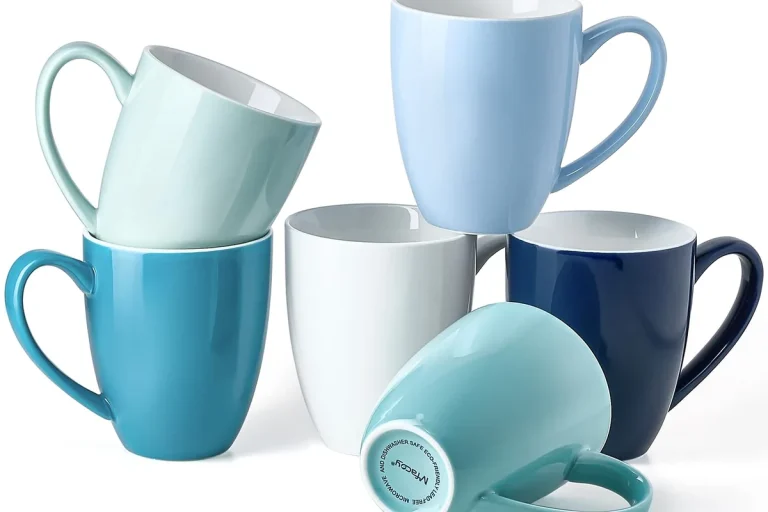
Ceramic is the most common choice for daily coffee drinking because it is versatile, affordable, and usually does not affect flavor. It holds heat reasonably well and comes in many shapes and finishes.
The main drawback is fragility. Ceramic mugs can chip or crack if dropped, and some glazes may stain over time if they are not high quality.
When glass mugs make sense for presentation and visibility
Glass mugs are useful when you want to see the color and layering of your drink, especially for lattes or layered coffee drinks. They can also make a modern table setting feel more polished.
However, glass often loses heat faster than thicker ceramic, and some glass mugs can feel delicate in daily use. Double-wall glass helps with insulation, but quality varies by brand.
Why stainless steel and insulated mugs fit commuters and long drinkers
Stainless steel mugs and insulated tumblers are better for commuters, long meetings, and anyone who wants coffee to stay hot for a longer time. They are usually more durable than ceramic and better for travel.
The tradeoff is that some people notice a metallic feel or prefer not to drink from metal. Also, many stainless steel mugs are not microwave-safe, so they are less convenient for reheating.
Common material mistakes: chipped coatings, metallic taste, and microwave issues
One common mistake is buying a mug with a decorative coating that chips easily after a few washes. Another is choosing a metal mug for home use and then realizing it cannot go in the microwave.
Always check whether the mug is microwave-safe, dishwasher-safe, and lead-free if that information is provided by the manufacturer. Do not assume all mugs are safe just because they look similar.
Size, Shape, and Capacity: Choosing the Right Mug for Your Coffee Routine
Capacity matters more than many shoppers expect. A mug that is too small feels limiting, while one that is too large can make a normal serving look underfilled and cool too quickly.

Visual guide about How to Choose Best Coffee Mug for Your Daily Brew
Image source: bhg.com
Small espresso cups vs. standard 10–12 oz mugs vs. oversized mugs
Small espresso cups work best for concentrated drinks and short servings. Standard 10–12 oz mugs are the most flexible for everyday drip coffee, while oversized mugs are better for people who want larger servings or add lots of milk.
For most households, a standard mug is the safest all-around pick. Oversized mugs can be practical, but they may be heavier and less comfortable for people with smaller hands.
How mug shape affects aroma, cooling speed, and sip comfort
A narrower opening can help preserve aroma and slow cooling slightly, while a wider opening can make sipping easier and more comfortable. The shape also affects how the mug feels near your lips, which matters more than many buyers realize.
Thicker mugs may retain heat better, but they can also feel bulky. A well-balanced shape often matters more than raw capacity alone.
Practical examples for drip coffee, pour-over, latte, and cold brew
Drip coffee usually works well in a 10–12 oz ceramic mug. Pour-over coffee may benefit from a slightly wider mug if you want better aroma release.
Lattes often pair well with larger mugs or bowls with a comfortable handle, while cold brew can be served in almost any size depending on ice and milk additions. If you use lots of ice, choose a mug with enough room to avoid spills.
Heat Retention and Temperature Control: What Actually Keeps Coffee Warm
If warm coffee is a priority, heat retention should be near the top of your checklist. Some mugs keep drinks warm only long enough for a quick breakfast, while others are built for longer sipping sessions.
Double-wall insulation vs. thick ceramic walls
Double-wall insulated mugs usually outperform standard ceramic when it comes to temperature control. They reduce heat loss more effectively and are a strong choice for people who sip slowly.
Thick ceramic walls can help somewhat, but they are not the same as true insulation. They may feel sturdier and more premium, yet they usually will not keep coffee hot as long as an insulated design.
Lid or no lid: when it matters for home, office, and travel use
A lid is useful if you want to slow cooling, reduce spills, or keep dust out at a desk. For travel and commuting, a secure lid can make a major difference in convenience.
At home, a lid is optional unless you are distracted or drink coffee very slowly. Some people also prefer open mugs because they feel more natural and allow aroma to rise more freely.
Expert warning: avoid mugs that overheat handles or trap stale odors
Some poorly designed mugs transfer too much heat to the handle, making them uncomfortable or even unsafe to hold. Others, especially insulated designs, can trap odors if not cleaned properly.
If a mug or travel cup becomes too hot to hold comfortably, stop using it until you confirm it is designed for hot beverages. Heat transfer issues can be a sign of poor construction or an unsuitable material choice.
Handle, Rim, and Grip: The Comfort Details People Often Overlook
Comfort is easy to ignore until you use the mug every day. Handle size, rim feel, and grip stability can make a mug feel excellent or annoying within seconds.
Testing handle size for large hands, small hands, and arthritis-friendly use
A handle should fit your fingers without forcing an awkward grip. People with larger hands often need a wider opening, while smaller hands may prefer a compact handle that still feels secure.
If you have arthritis or grip sensitivity, look for a mug with a generous handle, lighter weight, and a stable base. A mug that is too heavy can become uncomfortable even if it looks attractive.
Rim thickness and lip feel for smoother drinking
The rim affects how the coffee feels as you sip. A thin, smooth rim can make drinking feel more refined, while a thick rim may feel sturdy but sometimes less elegant.
There is no universal best choice here. Some people prefer a substantial lip because it feels safer and less fragile, while others want a finer drinking edge.
Non-slip bases, textured finishes, and stability on crowded desks
If you drink coffee near electronics, paperwork, or a busy kitchen counter, a stable base matters. Non-slip bottoms and textured surfaces can reduce the chance of tipping.
A mug that feels slightly too large in the hand is often less practical than one that seems modest but balances well when full.
Style, Durability, and Cleaning: Picking a Mug That Lasts
The best coffee mug should be easy to live with, not just nice to look at. Durability and cleaning convenience are major parts of long-term value.
Dishwasher-safe, microwave-safe, and chip-resistant features to prioritize
For most homes, dishwasher-safe and microwave-safe mugs are the most convenient. Chip-resistant construction is also useful if the mug will be used daily by multiple people.
Keep in mind that “dishwasher-safe” does not guarantee perfect longevity. Repeated high-heat cycles can still fade prints or weaken lower-quality finishes over time.
How glaze quality, print durability, and stain resistance affect long-term value
Higher-quality glaze tends to resist staining and keeps the mug looking cleaner for longer. Printed designs should also be durable enough to survive washing without peeling or fading quickly.
Dark coffee can leave a ring on some mugs, especially lighter-colored ones with porous or lower-grade finishes. If easy maintenance matters, choose stain-resistant surfaces and simple interiors.
Common mistakes: buying for looks alone or ignoring maintenance needs
Many buyers choose a mug because it matches their kitchen or makes a good gift, then realize it is too delicate or awkward for daily use. That is a common and avoidable mistake.
A better approach is to choose the mug you will want to wash, lift, and use every day. Style is important, but maintenance should never be an afterthought.
- Dishwasher-safe labeling
- Microwave-safe labeling if needed
- Chip-resistant construction
- Stain-resistant glaze or finish
- Comfortable handle and stable base
Price vs. Value: How Much Should You Spend on a Coffee Mug?
Coffee mug prices vary widely depending on material, branding, insulation, and craftsmanship. The best value is not always the cheapest mug, but it is also not always the most expensive one.
Budget mugs, mid-range daily drivers, and premium specialty options
Budget mugs are usually best for basic everyday use, backups, or households that need several mugs at once. Mid-range mugs often offer better glaze quality, nicer handles, or improved durability.
Premium mugs may be worth it if they offer strong insulation, thoughtful design, or artisan craftsmanship. They are less compelling if the only difference is a logo or decorative styling.
When a higher price is worth it for insulation, craftsmanship, or longevity
Pay more when the mug solves a real problem, such as keeping coffee warm longer, surviving daily dishwasher use, or fitting your hand better. A higher price can also be justified if the mug is clearly better made and likely to last longer.
If you mainly want a simple mug for short coffee breaks, a modestly priced option is often enough. Spending more only makes sense when the upgrade is practical, not just cosmetic.
Simple comparison framework for choosing the best mug without overspending
Start by deciding your top priority: heat retention, comfort, durability, or presentation. Then compare mugs within that category instead of shopping by appearance alone.
Daily home coffee, office use, commuting, or entertaining.
Match ceramic, glass, or stainless steel to your routine.
Make sure the mug is easy to hold, clean, and maintain.
Final Recap: The Best Coffee Mug for Your Brew Is the One That Fits Your Routine
When learning how to choose best coffee mug, focus on fit, comfort, and practicality before style. The best mug is the one that supports the way you drink coffee every day, whether that means a simple ceramic cup or a well-insulated travel mug.
Quick decision checklist based on material, size, comfort, and care
Choose ceramic for classic daily use, glass for presentation, and stainless steel for heat retention and portability. Then confirm the size, handle, rim, and cleaning requirements match your routine.
- Match the mug to your coffee habits first.
- Prioritize comfort, size, and heat control.
- Check microwave, dishwasher, and durability needs.
- Spend more only when the upgrade adds real value.
Closing takeaway for choosing confidently in 2025
If you want the best coffee mug in 2025, buy the one that feels right in your hand, works with your coffee routine, and holds up over time. That balance is what turns an ordinary mug into a daily favorite.
Frequently Asked Questions
Ceramic is usually the best all-around material for daily use because it is affordable and comfortable. Stainless steel is better if you want stronger heat retention or a mug for travel.
A 10–12 oz mug is the most practical size for most coffee drinkers. Choose smaller cups for espresso and larger mugs if you prefer bigger servings or add a lot of milk.
Yes, glass mugs are good if you want to see your drink and serve it красиво. They often lose heat faster than ceramic, so they are better for presentation than slow sipping.
Yes, insulated mugs usually keep coffee hot longer than standard ceramic mugs. They are a smart pick for commuters, office desks, and slow drinkers.
If you reheat coffee in the microwave, microwave-safe labeling is important. Many stainless steel mugs are not microwave-safe, so always check the manufacturer’s instructions.
A mug is worth more if it improves comfort, insulation, durability, or everyday convenience. If it only looks nicer without adding function, a cheaper mug may be the better value.