Can You Use an Electric Milk Frother for Matcha

Yes, you can use an electric milk frother for matcha. It works best for quick, smooth matcha lattes and easy everyday use.
Yes, you can use an electric milk frother for matcha. It’s a simple way to mix the powder, break up clumps, and make a smooth drink fast.
It’s not always the best tool for a traditional bowl of matcha, though. A frother works best when you want speed, easy cleanup, or a matcha latte.
- Yes, it works: A frother can mix matcha and reduce clumps.
- Best for lattes: It shines when milk is part of the drink.
- Water matters: Warm water usually tastes smoother than boiling water.
- Cleanup is easy: Rinse the whisk head right after use.
Can You Use an Electric Milk Frother for Matcha? The Short Answer
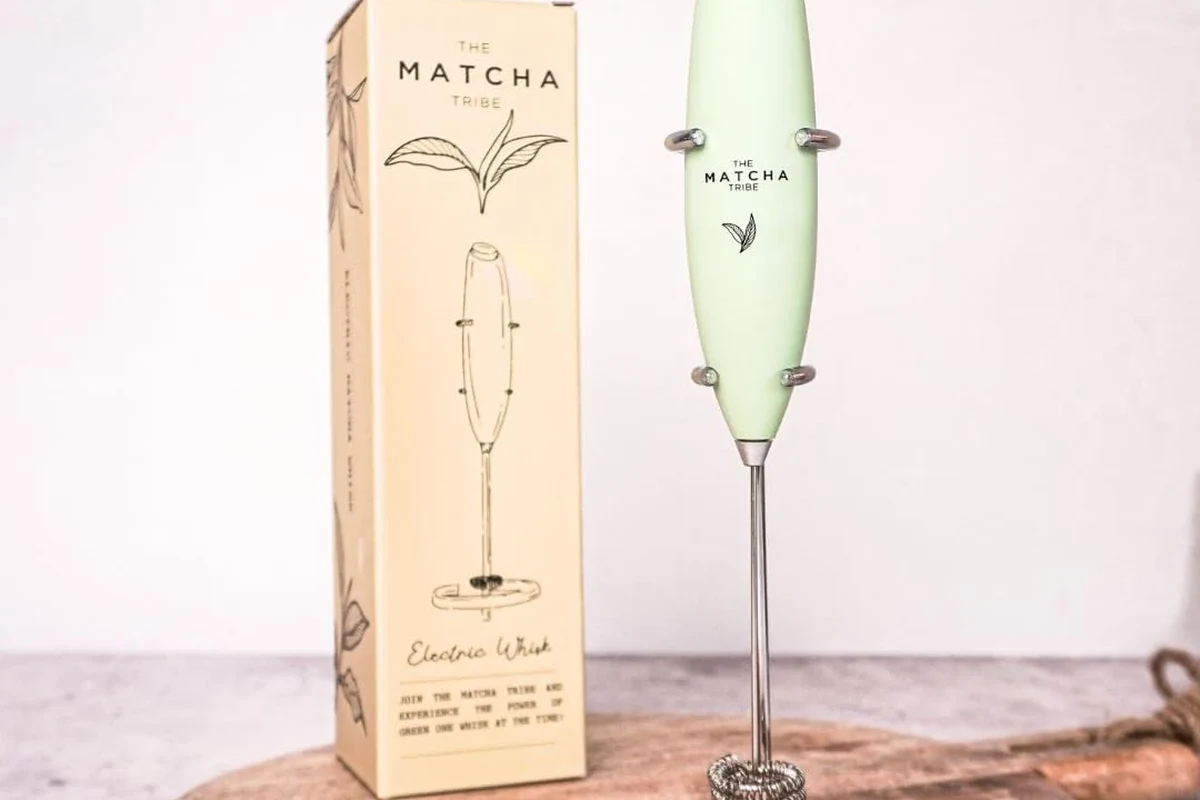
An electric milk frother can work very well for matcha. It mixes the powder into water faster than shaking by hand, and it can give you a light foam on top.
That said, the result depends on the frother type, the matcha quality, and how you use it. If you want a smooth, drinkable cup, a frother is often a good choice.
Can a milk frother replace a bamboo whisk?
Sometimes, yes. It can make smooth matcha, but it won’t fully copy the fine foam and classic feel of a bamboo whisk.
How an Electric Milk Frother Works With Matcha
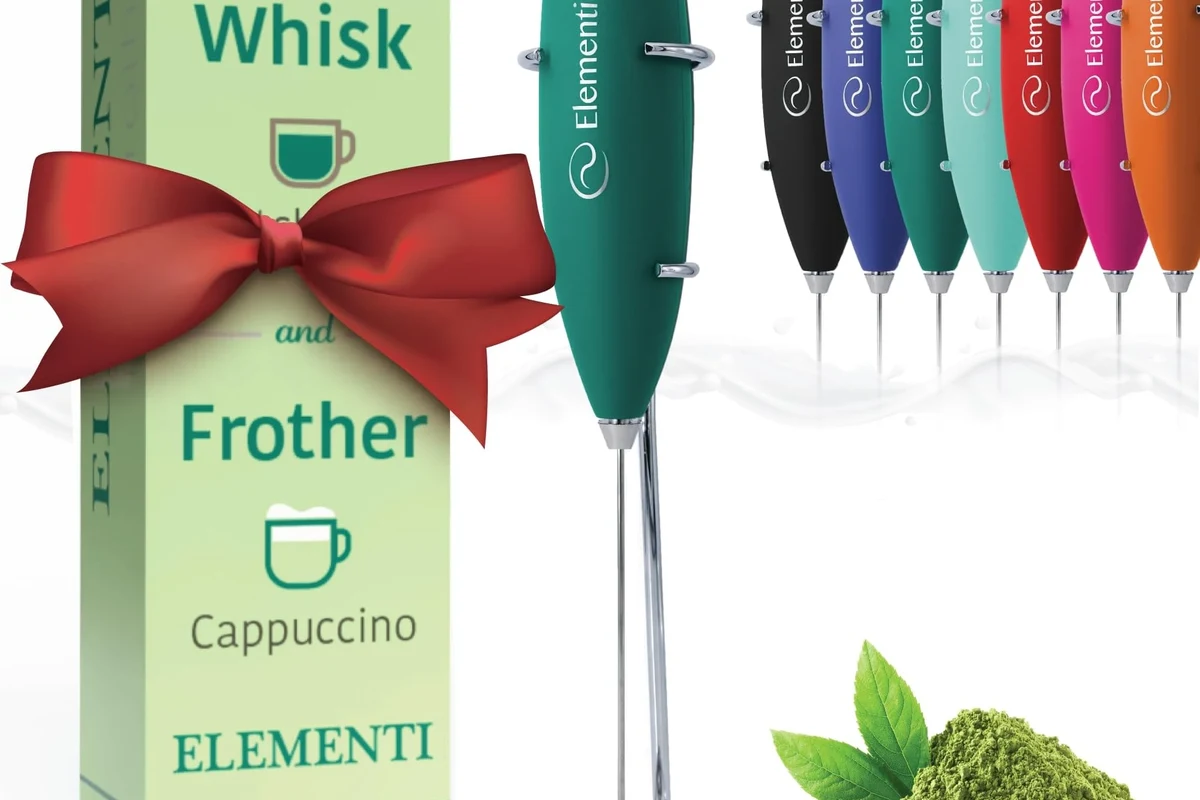
Matcha is a fine green tea powder. It does not dissolve like sugar. It needs strong mixing to spread through water evenly.
An electric frother spins a small whisk or agitator very fast. That motion helps pull the powder into the liquid and cut down on clumps.
Why frothers mix matcha well
Frothers are good at creating fast motion in a small cup. That helps the powder blend before it settles.
They also add air. For many people, that gives matcha a lighter texture and a more café-style feel.
Matcha tastes best when it is whisked or frothed right after mixing. If it sits too long, it can separate.
Where frothers fall short compared with a bamboo whisk
A bamboo whisk can make a finer, smoother foam. It also gives you more control over the texture.
Some electric frothers whip too hard. That can make big bubbles instead of the soft foam many matcha fans want.
Also, a frother may miss tiny clumps if the powder sits on the side of the cup. You may need to stir and froth more than once.
What You Need for the Best Matcha Texture
Good matcha starts with the right ingredients and the right tool. The frother helps, but it cannot fix weak powder or bad water temp.
Matcha quality and water temperature
Better matcha usually mixes more smoothly and tastes less bitter. Lower-grade matcha can still work, but the flavor may be sharper.
Water temp matters a lot. Very hot water can make matcha taste harsh. Warm water usually gives a smoother cup.
Do not use boiling water unless the matcha brand or recipe clearly says it is fine. Very hot water can hurt flavor and may splash more during frothing.
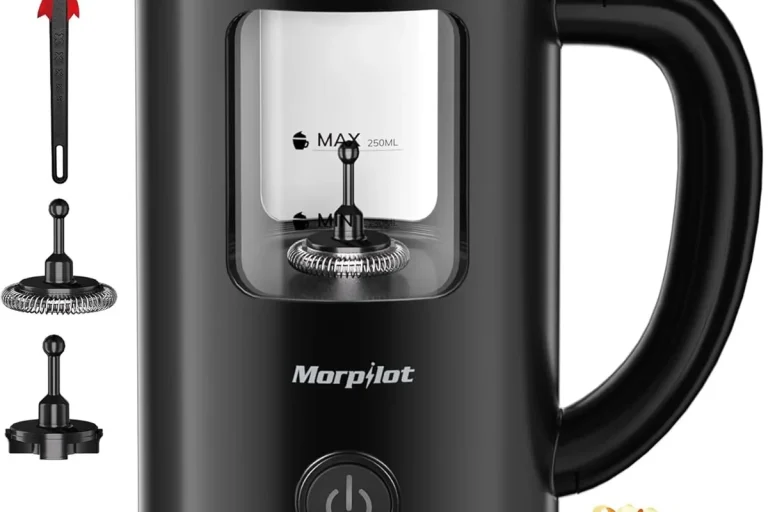
Best frother types and useful features
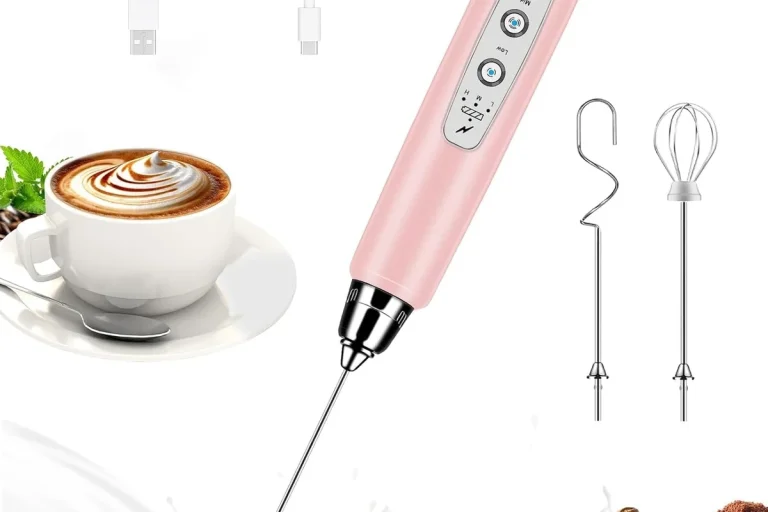
Simple handheld frothers are the easiest choice for matcha. They are small, quick to clean, and easy to store.
Look for a model with a strong motor and a whisk head that spins smoothly. A comfortable grip also helps when you mix for a few seconds at a time.
Helps break up clumps and mix powder into water.
Makes daily use simpler and less messy.
Fits small kitchens and drawers with ease.
Helps avoid huge bubbles and over-foam.
Step-by-Step: How to Make Matcha With an Electric Milk Frother
There are two common ways to use a frother. One makes a matcha latte. The other makes plain matcha with water only.
Either way, the key is to mix the powder before you froth too hard. That helps you get a smoother drink.
Basic matcha latte method
Put the powder in first so it can mix evenly.
Use enough to make a smooth paste or slurry.
Move the whisk head through the liquid and lift slightly as needed.
Pour in cold or warm milk, then froth again if you want foam.
This method works well for oat milk, dairy milk, or other milk you like. The final taste will vary with the milk and the matcha grade.
Plain matcha method
Start with a small amount so the powder can break apart.
Keep the head under the surface to reduce splashing.
Stir again until the drink looks even and smooth.
For plain matcha, a wide mug can help. It gives the whisk head room to move without spraying liquid.
- Sift the matcha if it tends to clump.
- Use a tall cup to cut down on splashes.
- Mix the powder first, then froth.
Benefits and Limits of Using a Milk Frother for Matcha
A frother can make matcha easier for busy mornings. It also helps if you do not want extra tools on the counter.
Still, it has limits. The texture and foam may not match a traditional whisked bowl of matcha.
When a frother is the better choice
A frother is a smart pick when you want speed. It also works well when you make matcha lattes often.
If you live in a small kitchen, one compact tool can do a lot. That makes cleanup and storage easier.
- Quick mixing for everyday use
- Simple cleanup after one drink
- Good for latte-style matcha
- Small footprint in tight kitchens
When another tool works better
Choose a bamboo whisk if you want a more traditional result. It gives you more control over the foam and the final texture.
If you make large batches, a frother may feel slow. A shaker bottle or a larger mixer may fit that job better.
- Fast and easy for one cup
- Good for lattes and quick mixing
- Simple to store and clean
- Can make larger bubbles
- May miss small clumps
- Not as traditional as a whisk
Common Mistakes and How to Fix Them
Most matcha problems come from too much powder, too little mixing, or water that is too hot. Luckily, these are easy to fix.
Lumps, weak flavor, and too much foam
The matcha looks clumpy, thin, or covered with big foam bubbles.
Sift the powder, use less water at first, and froth in short bursts.
If the drink tastes weak, add a bit more matcha next time. If it tastes harsh, use less powder or choose a smoother grade.
Wrong water temp and poor mixing
The drink tastes bitter or the powder sticks to the cup.
Use warm water, make a paste first, and move the frother around the cup.
Do not let the whisk head sit in one spot. That can leave powder behind and create uneven texture.
- Start with a small amount of water
- Froth in short, gentle bursts
- Clean the whisk head right away
- Using boiling water for every batch
- Overfilling the cup
- Running the frother in thick paste
Cleaning, Care, and Safety Tips
Cleaning matters because matcha can dry on the whisk head fast. If you wait too long, cleanup gets harder.
Safety matters too. Electric frothers are small appliances, so follow the manual and keep water away from the motor body.
How to clean the whisk head fast
Rinse the whisk head under warm water right away. Run it briefly in clean water if the manual allows it.
Check for buildup, bent wires, or loose parts. Clean only as the manual recommends.
Dry the whisk head well before storing it. That helps reduce stains and keeps the tool ready for the next cup.
What to avoid to protect the motor
Follow the appliance manual and stop using damaged equipment.
Do not submerge the motor handle unless the product manual clearly says it is safe. Also avoid running the frother in thick paste for too long.
If the whisk head wobbles, the motor sounds odd, or the button sticks, stop using it. Check the manual or contact the maker for guidance.
Final Verdict: Is an Electric Milk Frother Worth It for Matcha?
For most home cooks, yes. An electric milk frother is a practical way to make matcha fast and with less effort.
It’s especially useful if you like matcha lattes, want easy cleanup, or do not want another specialty tool.
Best for beginners, busy users, and latte fans
A frother is a good fit for beginners because it keeps the process simple. It also works well for anyone who wants a quick drink before work.
If you enjoy creamy matcha drinks, the frother can do the job nicely. It gives you a smooth base and some foam with very little fuss.
Electric milk frother for matcha
Best for quick, easy matcha at home, especially latte-style drinks. The main trade-off is that it may not match the fine foam and control of a bamboo whisk.
When to choose a whisk instead
Choose a bamboo whisk if you want a traditional tea experience. It also makes sense if you care most about foam quality and texture control.
In short, a frother is great for convenience. A whisk is better for ritual, precision, and a classic matcha bowl.
An electric milk frother is worth it for matcha if you want speed, ease, and a smooth everyday drink. If you want the most traditional texture, a bamboo whisk still wins.
- Yes, a milk frother can make matcha well.
- Warm water and good powder matter most.
- Short bursts help prevent clumps and huge bubbles.
- A whisk is better for a traditional bowl.
Frequently Asked Questions
Yes, it can make smooth matcha when you start with a small amount of warm water and mix the powder well. Sifting the matcha first also helps reduce clumps.
It often works best for matcha lattes because the milk helps create a creamy drink. It can also make plain matcha, but you may need to stir more carefully.
Warm water usually gives the best taste. Very hot water can make matcha taste bitter, so check your recipe or brand guidance.
Make a paste with a little water first, then froth in short bursts. A fine sieve can also help if your matcha clumps easily.
Rinse the whisk head right away after use so the powder does not dry on it. Follow the manual before soaking or washing any part of the frother.
Use a bamboo whisk if you want a more traditional matcha bowl and finer foam. It also gives you more control over texture than many electric frothers.