Do Electric Milk Frothers Heat Milk or Just Froth It

Yes, many electric milk frothers heat milk, but some only froth it. Check the model’s settings and manual before you buy.
Yes, many electric milk frothers do heat milk. But not all of them do, and some only froth cold milk.
If you’re shopping for lattes, cappuccinos, or hot chocolate, the key is knowing which type you’re getting. A frother can be a simple whisk, a heated jug, or a steam-style tool, and each one works a little differently.
- Heating varies: Some frothers warm milk, while others only make foam.
- Best use: Heated frothers suit lattes, cappuccinos, and hot cocoa.
- Milk matters: Whole and barista-style milks usually froth best.
- Safety counts: Use fill lines, cool the unit, and clean it right away.
Do Electric Milk Frothers Heat Milk or Just Froth It?
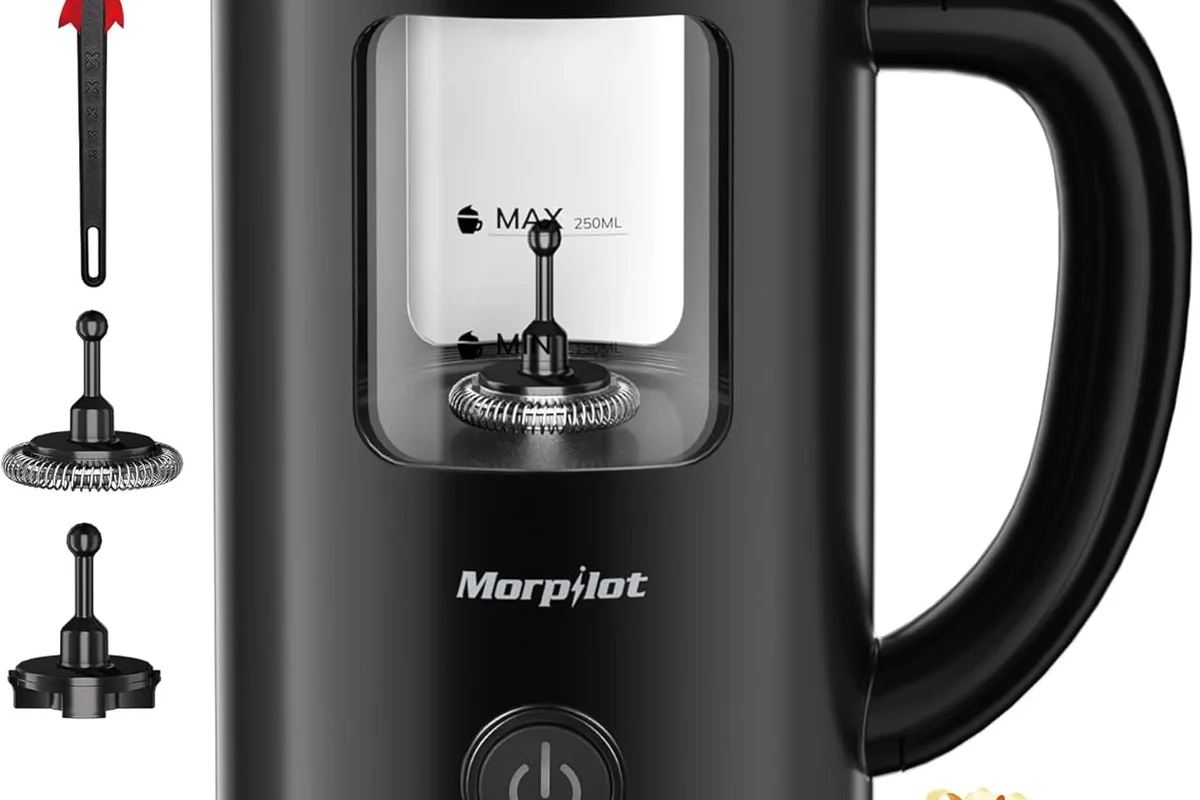
The short answer is that it depends on the model. Some electric milk frothers heat and froth at the same time. Others only whip milk into foam without adding heat.
That’s why the product label matters so much. If you want warm foam for coffee drinks, look for words like heated froth, warm froth, or hot milk mode. If you only want foam for iced drinks, a cold froth setting may be enough.
The short answer for busy home drink makers
If you want a fast answer, buy a frother with a heating function. It can warm milk and create foam in one step. That saves time on busy mornings.
In short: heated frothers are for warm drinks, while basic frothers are often for foam only.
What to expect from different frother types
Handheld frothers usually froth only. They spin a small whisk in the milk, but they do not heat it.
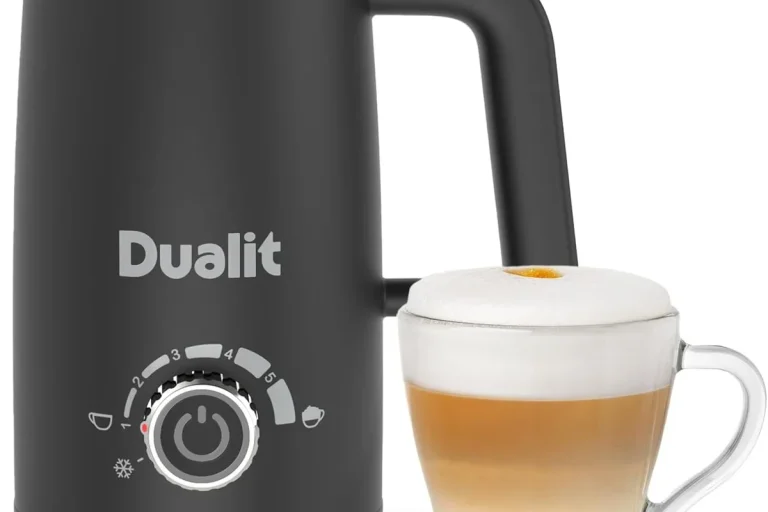
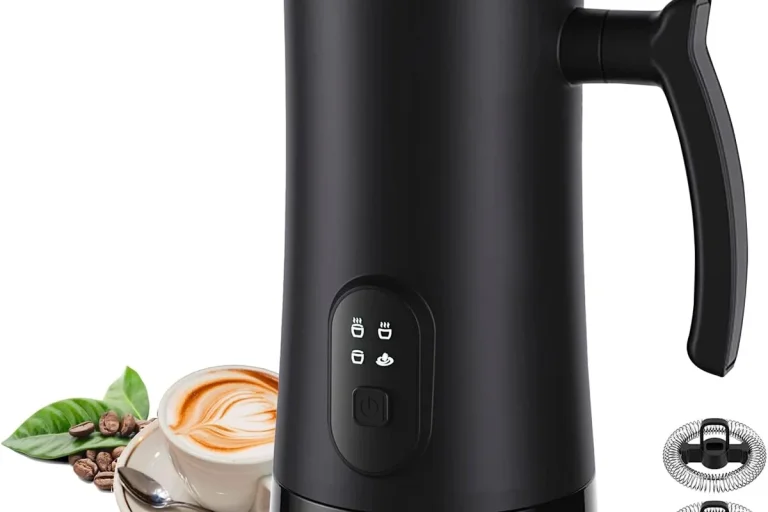
Jug-style electric frothers often heat and froth. Many also offer separate settings for hot foam, cold foam, or plain warm milk. Steam wands on espresso machines heat milk too, but they work in a different way.
Exact functions vary by model. Always check the product manual and listing before you buy.
How Electric Milk Frothers Work
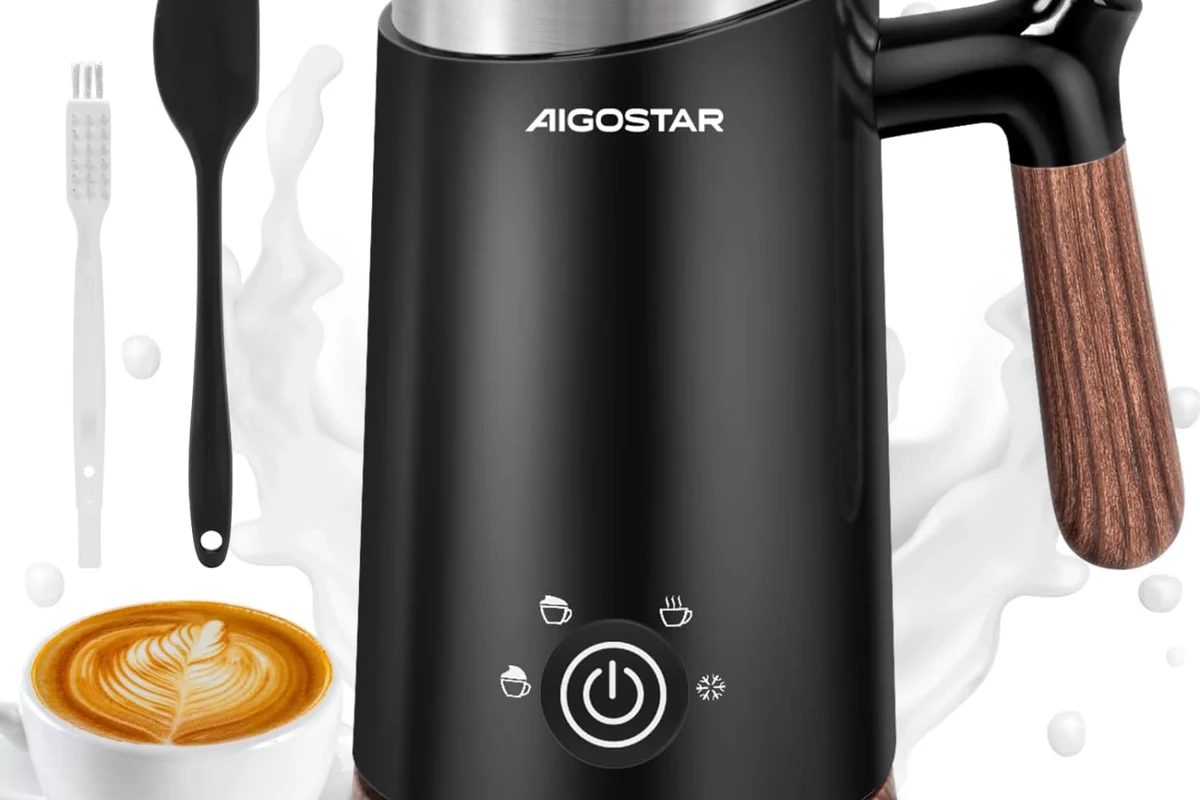
Electric milk frothers use a small motor and a whisk or disc. Some also include a heating base or internal warm plate. The whisk adds air, while the heat warms the milk.
That mix creates foam and changes the milk’s feel. Warm milk tastes softer and blends well in coffee. Cold froth feels lighter and works better in iced drinks.
Heating elements and whisk action
The heating part warms the milk inside the jug. The whisk then spins quickly to pull air into the milk. Together, they make foam that is fluffy and warm.
Some models heat first and froth after. Others do both at once. The result depends on the design, the milk type, and the selected mode.
Why some models warm milk while others stay cold
Basic frothers skip the heating part to keep the design simple. That keeps them smaller and often cheaper. It also means you may need to warm the milk another way.
Premium models often add heat because many coffee drinkers want one-touch use. That can be handy, but it also means more parts to clean and more care during use.
How froth texture changes with milk type
Milk choice changes the foam a lot. Whole milk usually makes richer foam because it has more fat and protein. Low-fat milk can make a lighter foam with bigger bubbles.
Plant milks vary even more. Barista-style oat milk often froths well. Other non-dairy milks may look thin or separate faster.
Milk that is too hot can taste flat and lose sweetness. Mild heat often gives a better drink.
What Features Matter Most When You Want Warm Froth
If warm froth is your goal, a few features matter more than the rest. Focus on heat control, jug size, and easy cleaning. Those details affect daily use more than flashy extras.
Let you choose warm milk, hot froth, or cold foam.
Helps you wash milk residue before it sticks.
Temperature settings and automatic shutoff
Multiple temperature settings give you more control. That helps if you like a mild latte one day and a hotter drink the next. Automatic shutoff is also useful because it helps prevent overheating.
Important: do not assume every frother heats to the same level. Manufacturers can set different target temperatures, and results vary by model.
Capacity, power, and jug design
Capacity matters if you make drinks for more than one person. A small jug may work well for one cup, but it can spill if you fill it too high.
Jug shape also affects foam. A wider top can help foam rise, while a narrow shape may control splashes better. The best choice depends on how you serve drinks at home.
Milk types, fat content, and best results
Whole milk usually gives the creamiest foam. It also holds warmth well in coffee drinks. Skim milk can create more foam volume, but the foam may feel less rich.
For non-dairy milk, check the carton if it says barista blend. Those blends are made to handle heat and foam better. Still, the final result can differ from brand to brand.
Benefits and Limits of Electric Milk Frothers
Electric milk frothers are great for speed and convenience. They can make a coffee drink feel more special without much effort. But they do have limits, especially when compared with espresso steam wands.
- Fast warm foam with little effort
- Easy for daily home use
- Useful for more than coffee
- Not every model heats milk
- Foam quality varies by milk type
- Some models hold small amounts only
When they save time and improve drinks
A frother saves time when you want one cup, not a full café setup. It can warm milk while you make espresso or instant coffee. That makes it a nice fit for quick morning drinks.
It also helps if you want better texture than microwaved milk alone. The foam can make drinks taste smoother and feel more complete.
Where they fall short compared with steam wands
Steam wands give you more control and can make very fine foam. That matters for latte art and café-style drinks. They also work well for larger milk pitchers.
Electric frothers are simpler, but they can’t always match that level of control. If you want barista-style results every day, a steam wand may be the better tool.
Best drinks for heated froth and cold froth
Heated froth works well in lattes, cappuccinos, mochas, and hot chocolate. It also suits chai and matcha drinks.
Cold froth fits iced coffee, cold brew, and chilled cocoa. It can also work in protein drinks or flavored milk drinks when you want a light top layer.
Warm Froth vs Cold Froth Use Cases
Choose the mode that fits your drink, your milk, and your cleanup routine.
Common Mistakes That Stop Milk From Heating Properly
Many frother problems come from simple user errors, not broken parts. The good news is that most of them are easy to fix. Start with the milk level and the selected mode.
Using the wrong milk level
Milk needs room to expand. If you pour too little, the whisk may not work well. If you pour too much, the milk can overflow as it heats and foams.
Check the fill marks inside the jug. They matter more than guesswork. The manual usually explains the safe range for each setting.
Overfilling or underfilling the jug
Overfilling can cause spills, weak foam, and a mess on the base. Underfilling can leave the whisk partly exposed and reduce heat transfer.
For the best result, stay within the marked range. That small habit often makes a big difference.
The milk is foamy but still cool.
Check that you selected a heated mode and used the right milk level.
Choosing the wrong setting for the drink
Some frothers offer separate buttons for cold foam, hot foam, and warm milk. If you choose cold foam, the milk will not heat. That sounds obvious, but it’s an easy mistake when you’re in a rush.
Also, some settings make more foam and less heat. If you want a warmer drink, pick the mode made for heated milk, not just foam.
Safety Tips, Cleaning, and Maintenance
Milk frothers are simple, but they still need care. Heat, steam, and spinning parts can cause mess or burns if you rush. Follow the manual and stop using the unit if it shows damage.
Follow the appliance manual and stop using damaged equipment.
How to avoid scorching or spills
Use the correct fill line every time. Do not leave milk heating longer than the selected cycle. If your model has auto shutoff, let it finish on its own.
Also, set the frother on a flat, dry surface. A shaky base can lead to spills or poor whisk action.
Easy cleaning steps after each use
Clean milk residue soon after use. Dried milk is harder to remove and can affect the next batch. A quick rinse right away usually helps a lot.
Unplug the unit, let it cool, and wash the jug and whisk parts.
Check for buildup, wear, loose parts, and signs of damage.
Long-term care for better performance
Keep the base dry and wipe it after spills. Store removable parts fully dry to help prevent odor or buildup. If the whisk starts to wobble or the jug shows wear, replace the worn part if the maker allows it.
For best results, read the care section in the manual. Some parts may be dishwasher-safe, while others need hand washing.
How Much Value Do Electric Milk Frothers Offer in 2026?
In 2026, electric milk frothers still offer strong value for many homes. They are simple, space-friendly, and useful for daily drinks. The real question is how much control you want.
Budget models vs premium models
Budget frothers often do one or two jobs well. They may be fine if you want basic warm foam and do not need many settings. Premium models usually add more modes, better build quality, or easier cleanup.
The right choice depends on how often you use it. If you make milk drinks every day, a better-built model may be worth it. If you use it once in a while, simple can be smart.
What features are worth paying for
Pay more for clear heat settings, a useful capacity, and easy cleaning. Those features improve real-life use. Fancy lights or extra modes matter less unless you will use them often.
- Check whether it heats milk or only froths it
- Review capacity, fill marks, and cleanup needs
- Confirm safety features and manual care instructions
Who should buy one and who should skip it
Buy one if you want fast milk drinks at home and like easy prep. It’s a good fit for lattes, cappuccinos, and hot chocolate fans.
Skip it if you want full control over milk texture every time. You may prefer a steam wand, a manual pitcher, or no frother at all.
Choose an electric frother with a heating mode and auto shutoff.
A basic cold frother can be enough and may cost less.
Final Recommendation: Should You Buy an Electric Milk Frother?
For most home drink makers, the answer is yes if you want warm froth with little effort. Just make sure the model actually heats milk. That feature is not automatic on every frother.
Best choice for lattes, cappuccinos, and hot chocolate
Choose a heated jug-style frother if you make warm drinks often. It gives you one-step comfort and saves time. It also works well for milk, cocoa, and some non-dairy options.
Best choice for simple froth-only needs
If you only want foam for iced coffee or cold drinks, a basic frother may be enough. It takes up less space and usually keeps things simple.
Clear verdict from Red Kitchen Project Editorial Team
Electric milk frothers can heat milk, but only certain models do. If warm drinks are your goal, choose a frother with a clear heating mode, safe fill marks, and easy cleaning. If you only want foam, a simpler cold frother may be the better value.
- Some electric frothers heat milk, and some only froth it.
- Heated models are best for lattes, cappuccinos, and cocoa.
- Milk type, fill level, and settings all affect the result.
- Read the manual for safety, cleaning, and model-specific limits.
Frequently Asked Questions
No, not all of them do. Some models heat and froth, while others only froth cold milk.
Check the product listing and manual for heat, warm froth, or hot milk modes. If it only mentions froth, it may not heat.
Whole milk often gives rich foam, while some barista-style plant milks also work well. Results vary by brand and model.
You may have selected a cold setting, or the model may not have a heating function. Check the manual and fill level first.
Let it cool, unplug it, and wash the removable parts as the manual says. Wipe spills right away so milk does not dry on the unit.
Buy a heated model if you want lattes, cappuccinos, or hot chocolate. Choose a froth-only model if you mainly make cold drinks and want a simpler tool.