Can You Use a Cold Brew Coffee Maker for Tea Safely

Yes, you can use a cold brew coffee maker for tea, and it’s often a good fit for iced tea. The main keys are the right tea, the right steep time, and careful cleaning.
Yes, you can use a cold brew coffee maker for tea. It is a safe and handy way to make smooth iced tea, as long as you clean the brewer well and follow the tea’s steep time.
- Yes, it works: Most cold brew coffee makers can steep tea safely.
- Best results: Black, green, fruit, and many herbal teas work well.
- Watch the time: Oversteeping can make tea flat or bitter.
- Clean well: Rinse fast and wash all removable parts after use.
Can You Use a Cold Brew Coffee Maker for Tea Safely?
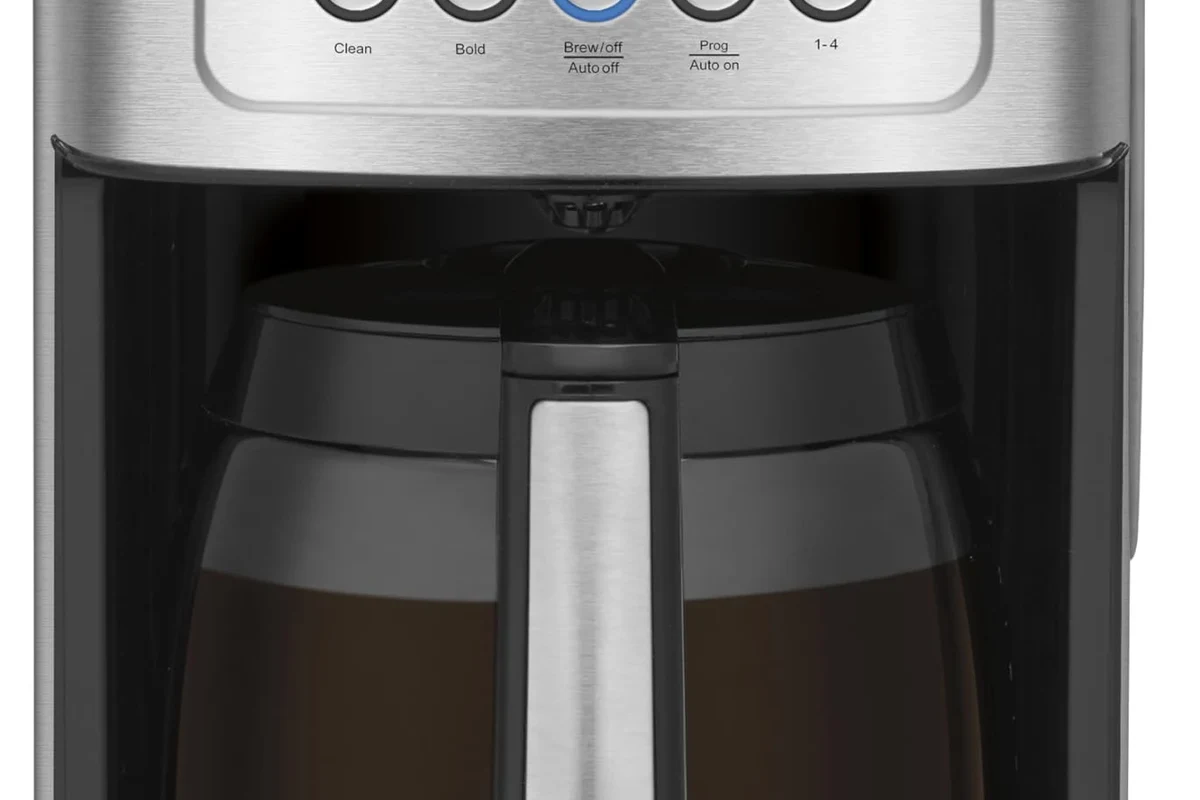
A cold brew coffee maker can work well for tea because it soaks tea in cool water over time. That said, “safe” depends on the tea, the brewer materials, and how you clean it after use.
For most home kitchens, the method is simple. Put tea in the filter basket, add cold water, and steep in the fridge or on the counter if the tea guide allows it.
Follow the appliance manual and stop using damaged equipment.
Safety matters most if the maker has plastic parts, rubber seals, or tight mesh filters. Check the manual for any limits on hot water, acidic drinks, or long soak times.
Quick answer and what “safe” really means
Safe use means the tea won’t harm the brewer or your health when used as intended. It also means the tea stays clean, tastes right, and does not sit too long at unsafe temps.
Cold brewing is gentler than hot brewing. It usually lowers bitterness and makes the drink feel smoother.
When a cold brew coffee maker works well for tea
This setup works best when you want iced tea with less bite. It also helps when you want a simple, hands-off method.
Use a brewer with a fine filter if you want less tea dust in the cup.
It can be a nice fit for busy mornings. You can prep the tea at night and pour it the next day.
When it is not the best choice
A cold brew coffee maker is not ideal for every tea. Some teas need heat to open up their full flavor.
Very delicate teas can taste flat when cold steeped. Strong herbal blends can also stain or leave a smell behind.
How a Cold Brew Coffee Maker Changes the Tea Brewing Process
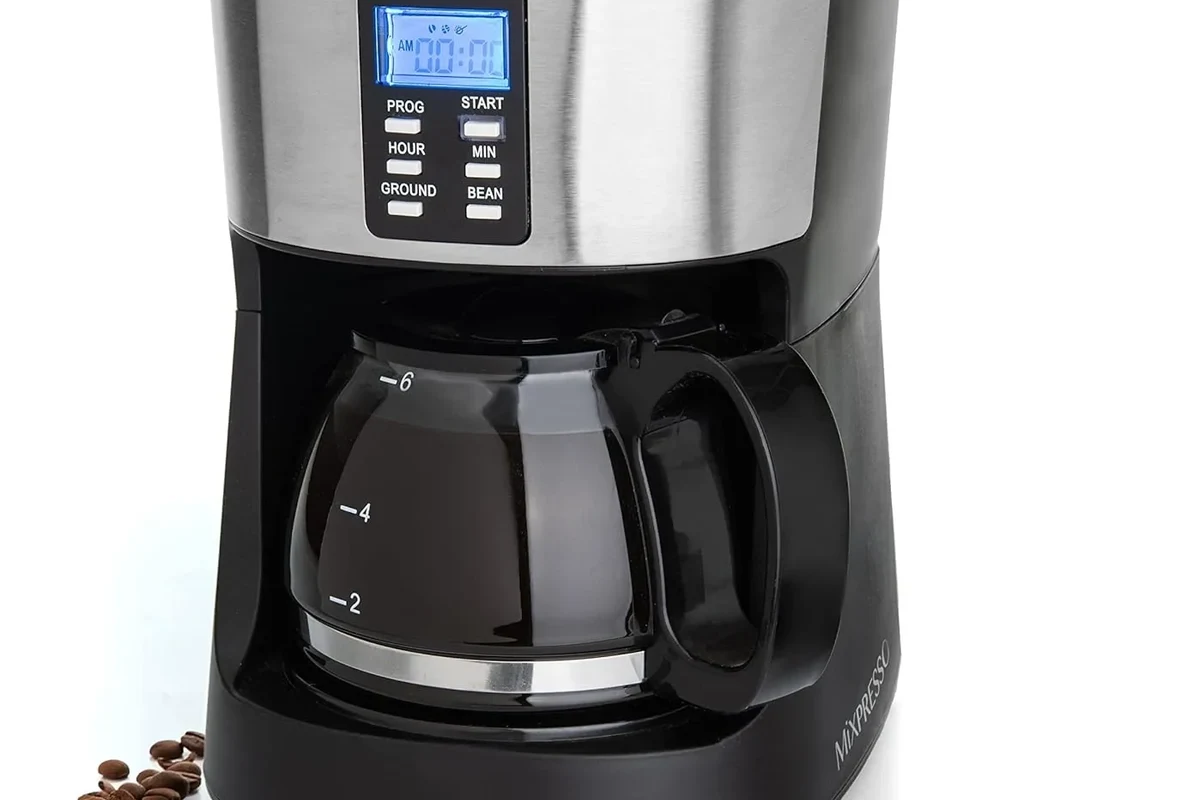
Cold brew tea works by slow extraction. Cool water pulls flavor from the leaves more gently than hot water does.
That changes taste, color, and strength. It also changes how much patience you need.
Why cold steeping tea tastes different from hot brewing
Hot water pulls flavor fast. It also pulls more tannins, which can make tea taste sharp or dry.
Cold water pulls flavor more slowly. The result is often smoother, softer, and less bitter.
Cold brewing often brings out sweet notes in tea and cuts harsh edges.
How the mesh filter and water flow affect flavor
The filter controls how much tea leaf contact you get. A fine mesh helps keep the drink clear.
Water flow matters too. If water moves through the tea too fast, flavor can feel weak.
If the filter packs too tightly, water may not reach all the leaves. That can leave you with uneven strength.
What tea types work best in cold brew systems
Loose leaf tea often works best because it can open up more fully. Tea bags can work too, but results vary by brand and bag size.
Black tea, green tea, and many fruit blends do well in cold brew makers. Herbal tea can also work, but some herbs need more time.
Best Tea Types, Water Ratios, and Steep Times
The best ratio depends on the tea and your taste. Start light, then adjust on the next batch.
Because models differ, it helps to treat these as starting points, not fixed rules.
Green tea, black tea, herbal tea, and fruit tea
Green tea often tastes fresh and light when cold brewed. It can turn grassy if you use too much leaf or steep too long.
Black tea gives a bolder cup. It usually stands up well to cold brewing and works well for iced tea.
Herbal tea varies a lot. Mint, chamomile, and rooibos often work well, but strong spice blends may need extra care.
Fruit tea can be a good match for cold brew makers. It often tastes bright and easy to drink.
Simple ratio guide for loose leaf and tea bags
For loose leaf tea, start with a light hand. A common starting point is about one teaspoon per cup of water.
For tea bags, use one bag per cup or follow the box if it gives a stronger mix. Some large pitchers can handle more, but the exact amount depends on the brewer.
Steep times for mild, medium, and strong tea
Mild tea often needs a shorter soak. Medium tea gives a balanced cup for most people.
Strong tea needs more time, but there is a limit. Too much steeping can make the tea dull or murky.
| Strength | Steep Time | Best Use |
|---|---|---|
| Mild | 4 to 6 hours | Light, soft flavor |
| Medium | 6 to 10 hours | Most iced tea drinks |
| Strong | 10 to 14 hours | Bolder tea or mixed drinks |
These times can change with tea type, water temp, and how full the filter is. When in doubt, taste before you chill the whole batch.
Benefits and Limits of Using a Cold Brew Coffee Maker for Tea
This method has real upsides. It also has a few trade-offs that matter if you care about flavor.
Why many tea drinkers like the smooth taste
Cold brew tea often tastes softer than hot tea. That makes it easy to sip without adding much sweetener.
It can also feel less harsh on the tongue. For many people, that is the whole point.
- Smoother taste with less bitterness
- Easy batch prep for iced tea
- Works with many loose leaf teas
What you lose compared with hot tea brewing
Hot brewing brings out brighter aroma and faster flavor. Some teas just taste better with heat.
You may also lose some of the crisp top notes. That is not a flaw, but it does change the cup.
Flavor, caffeine, and clarity differences to expect
Cold brew tea often looks lighter in color. It may also taste less sharp than a hot steep.
Caffeine can vary a lot by tea type and steep time. Don’t assume cold brew is always low caffeine.
Common Mistakes That Can Ruin Cold Brew Tea
Most bad batches come from small mistakes. The good news is that they are easy to avoid.
Using the wrong tea leaf size or bag type
Very tiny tea leaf bits can slip through weak filters. They can also make the tea cloudy.
Oversized bags may not open well in some pitchers. That can leave the tea weak in the center.
The tea tastes weak or dusty.
Use a finer filter and a tea type that suits cold steeping.
Letting tea steep too long
Long steep times can flatten the flavor. Some teas also start to taste woody or stale.
If a batch tastes too strong, dilute it with cold water or ice next time.
Skipping water quality and temperature checks
Water matters more than many people think. Poor-tasting water can make even good tea taste dull.
Use clean, cold water when you can. If your tap water has a strong taste, filtered water may help.
Mixing strong herbs or oils with plastic parts
Some herbs and flavor oils can cling to plastic. They can leave smell or taste behind.
Very strong ingredients may also stain seals or lids. Check the manual before using flavored oils or bold spice blends.
Cleaning, Safety, and Maintenance Tips
Tea can leave more stain and smell than plain water. A good cleaning routine keeps the maker ready for coffee or tea.
How to clean the maker after tea use
Rinse all parts right away and wash with mild soap.
Check seals, mesh, and lids for wear or buildup.
Take the maker apart as the manual allows. Wash removable parts with warm soapy water, then dry them well.
If the maker is dishwasher safe, only use that option if the manual says so.
Stain, smell, and residue prevention
Tea stains can build up fast on clear plastic and light seals. Quick rinsing helps a lot.
For smell, let the parts air dry fully before storage. A closed, damp brewer can hold odor.
Food safety rules for cold steeped tea
Cold steeped tea still needs safe handling. Use clean tools, clean water, and a clean container.
Do not leave brewed tea at room temp for long periods unless the tea guide says it is safe.
If you make a large batch, chill it soon after brewing. When in doubt, follow basic cold food safety habits and use common sense.
When to replace filters, seals, or worn parts
Replace parts if they crack, warp, or keep odors after cleaning. A worn seal can also cause leaks.
If the mesh opens up or the lid no longer fits well, it may be time for a new part or new brewer.
Buying Guide: What to Look for in a Cold Brew Coffee Maker for Tea
If you want to use one brewer for coffee and tea, a few features matter more than others. Focus on cleanup, filter quality, and safe materials.
Size, filter quality, and material choices
Pick a size that matches how much tea you drink. Small households may want a compact pitcher.
Filter quality matters because tea leaves are smaller than many coffee grounds. A tighter mesh can help keep the cup cleaner.
Glass, plastic, and stainless steel pros and cons
- Glass resists stains and odors well
- Stainless steel feels sturdy and easy to clean
- Plastic can be light and budget friendly
- Glass can be heavier and easier to break
- Stainless steel may hide tea strength inside
- Plastic can hold smell or stain over time
Material choice depends on your kitchen habits. If you want easy viewing, glass helps. If you want lighter weight, plastic may be easier.
Best features for tea drinkers on a budget
Look for removable parts and a simple lid. Those features make cleaning easier.
A good seal also helps prevent leaks in the fridge. That matters more than fancy extras.
Value verdict and who should buy one
Choose a cold brew coffee maker with a fine filter and simple cleanup.
Choose a tea brewer made for the tea type you drink most.
A cold brew coffee maker is a smart value if you already own one and want to use it more often. If tea is your main drink, a tea-specific brewer may fit better.
Final Recommendation: Should You Use One for Tea?
Yes, a cold brew coffee maker can be a safe and useful tea tool. It works best for iced tea, smooth flavor, and simple batch brewing.
Best use cases for home tea drinkers
This method is great for black tea, many green teas, and fruit blends. It also works well when you want tea ready in the fridge.
Best way to think about it
Use a cold brew coffee maker for tea when you want easy prep, smooth taste, and low effort cleanup.
When a tea-specific brewer may be the better pick
If you drink delicate teas often, a tea-focused brewer may give better flavor control. It can also help with leaf expansion and cleaner taste.
If the tea maker has better filters or easier pouring, that may be the better long-term choice for you.
Clear conclusion for Red Kitchen Project readers
So, can you use a cold brew coffee maker for tea? Yes, absolutely, and many people will like the result.
Just match the tea type, keep the steep time in check, and clean the brewer well after each use.
A cold brew coffee maker is a safe, simple choice for many teas, especially iced blends. If you want the best flavor for delicate teas, a tea-specific brewer may be worth it.
Frequently Asked Questions
Yes, if the maker is clean and the manual allows cold steep use. Daily use is fine for many home brewers, but watch for stains, smells, or worn parts.
Black tea, green tea, fruit tea, and many herbal blends usually work well. Delicate teas may taste flatter, so start with a small batch and adjust the steep time.
A good starting range is about 4 to 14 hours, depending on strength and tea type. Taste the tea before chilling a big batch, since oversteeping can dull the flavor.
Loose leaf tea often gives better flavor because the leaves can open up more fully. Tea bags can still work well, but results depend on bag size, tea quality, and the brewer filter.
Rinse the parts right away, then wash removable pieces with mild soap and warm water. Dry everything fully to help prevent stains, odors, and residue buildup.
Stop using it if you see cracks, leaks, warped seals, or a damaged mesh filter. If the maker keeps smell or stain after cleaning, check the manual or replace worn parts.