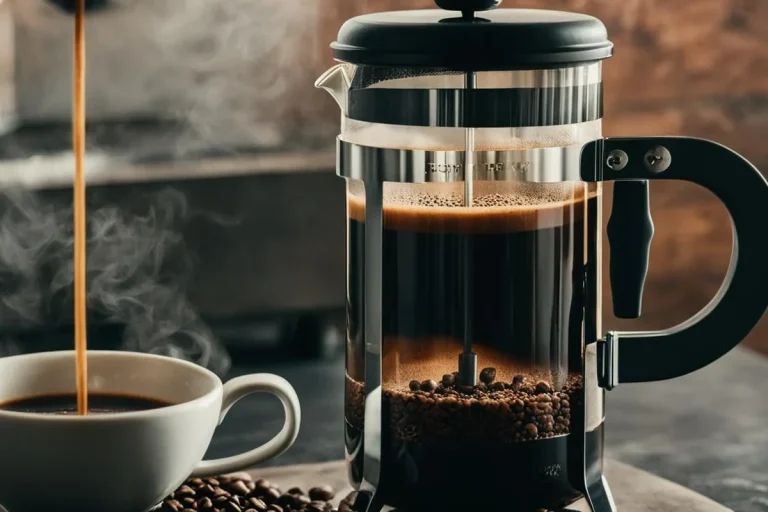
Can You Use Cold Brew Coffee in a Coffee Maker Safely

Yes, you can use cold brew coffee in a coffee maker if you use brewed concentrate, not dry grounds. Check the manual first and keep the machine clean.
Yes, you can use cold brew coffee in a coffee maker in some cases. The safest choice is already brewed cold brew concentrate, not loose grounds. What works best depends on your machine, your taste, and whether you want to heat it, dilute it, or just make a fast drink.
- Best approach: Use brewed cold brew concentrate, not raw grounds.
- Machine safety: Follow the manual before adding anything besides water.
- Flavor result: Heated cold brew tastes smoother, but less bright.
- Cleanup matters: Rinse parts fast to avoid sticky residue and clogs.
- Best alternative: Use a pitcher or cold brew maker for true cold brew.
Can You Use Cold Brew Coffee in a Coffee Maker Safely? The Short Answer
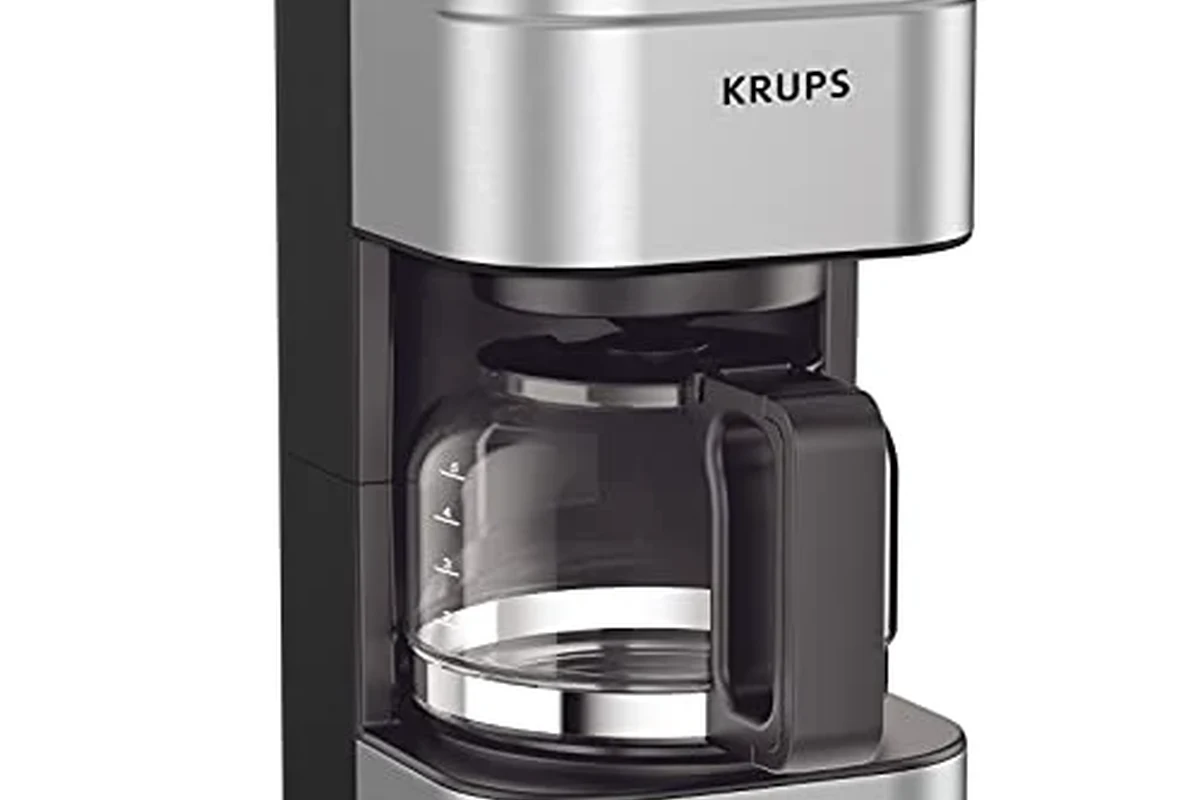
In most homes, the answer is yes, but with limits. A drip coffee maker is built to brew hot water through coffee grounds, so it is not the best tool for making cold brew from scratch.
If you already have cold brew concentrate, you can often use a coffee maker to warm water for dilution or to make a mixed drink. Still, you should check the manual first. Some machines do not handle thick liquids, dairy, or flavored concentrates well.
Do not pour syrupy concentrate, milk, or cream into parts that are meant for water only. That can leave residue, clog parts, and create a cleaning headache.
In short, use brewed cold brew carefully. Do not treat a coffee maker like a blender or a stove.
What Cold Brew Coffee Is and How It Differs From Regular Coffee
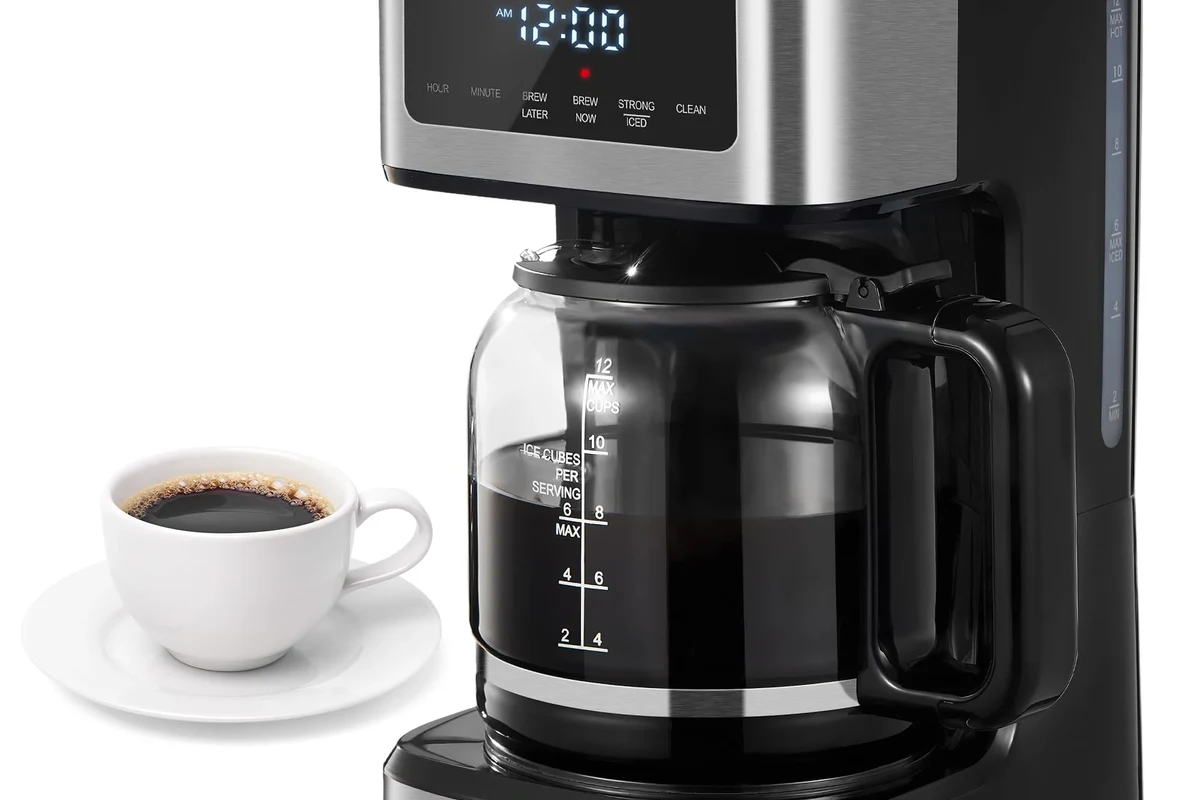
Cold brew is coffee made with cold or room-temperature water over a long steep time. Regular coffee usually uses hot water and a much faster brew cycle.
That difference changes taste, strength, and how each drink behaves in a machine. Cold brew often tastes smoother and less sharp. Regular drip coffee tastes brighter and more aromatic.
Cold Brew Basics: Time, Water, and Grind Size
Cold brew usually uses coarse grounds and a long steep. The long soak pulls flavor out slowly. That helps reduce bitter notes.
The grind matters a lot. Fine grounds can make the drink muddy and hard to filter. Coarse grounds are easier to strain and usually give cleaner flavor.
Cold brew often tastes sweeter to many people, even without added sugar, because it has less sharp bitterness.
In short, cold brew is a steeped coffee, not a quick brew.
Why Coffee Makers Are Built for Hot Brewing
Most drip coffee makers heat water, then send it through a basket of grounds. That process depends on hot water flow and a paper or mesh filter.
Cold brew does not need that kind of heat. It needs time, not pressure. So a coffee maker can brew coffee, but it cannot truly make classic cold brew unless it has a special cold brew setting.
That is why many machines can help with serving cold brew, but not making it from raw grounds the same way a jar or pitcher can.
What Happens If You Put Cold Brew in a Coffee Maker
What happens depends on what you mean by cold brew. Brewed concentrate behaves very differently from dry grounds.
If you pour brewed cold brew into the water tank, you may get weak results, sticky residue, or a messy machine. If you use it only as a drink base, the process is much safer.
Flavor Changes You Can Expect
Heating cold brew changes its taste. Some sweetness can stay, but the smoother edge may fade a little. The drink can also taste flatter if it sits on a warming plate too long.
If you dilute cold brew with hot water, the result may taste softer than drip coffee. That can be nice if you like low-acid coffee. It may not satisfy people who want a bold, hot cup.
Flavor changes vary by roast, brew strength, and how long the drink stays hot.
In short, cold brew can taste good heated, but it will not taste like fresh drip coffee.
Machine Risks and Brewing Limits
Most coffee makers are not made for thick liquids. Concentrate can leave sticky film in the carafe, basket, or warming plate. That residue can affect taste later.
Some machines also have narrow water paths. If concentrate or grounds get in those areas, they may clog the system. That can lead to poor flow or odd smells.
Always follow the manual for liquid types. If the maker says water only, keep it that way.
When It Makes Sense to Use Cold Brew in a Coffee Maker
There are a few times when using cold brew in or with a coffee maker makes sense. The key is to use it as a finished coffee, not as raw brew material.
This works best when you want a fast iced drink, a mild hot drink, or an easy way to stretch concentrate.
Best Use Cases for Quick Drinks and Dilution
Cold brew concentrate works well when you want speed. You can mix it with water, milk, or ice and skip a full brew cycle.
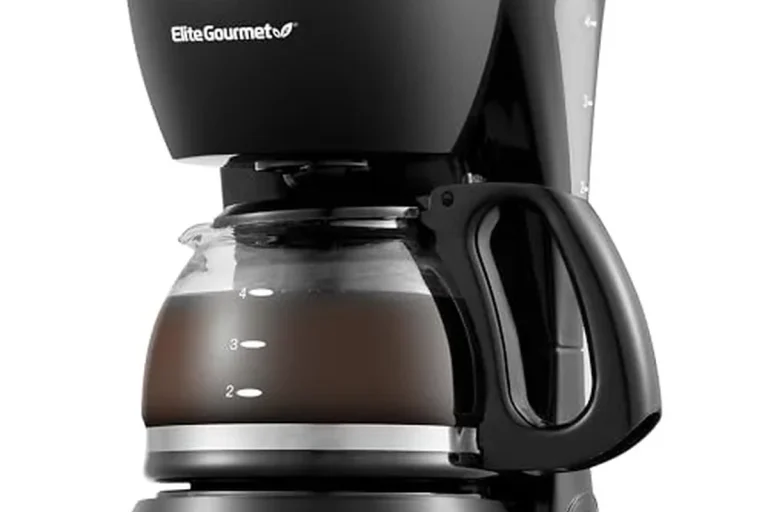
A coffee maker can help if you want hot water for dilution. Some people also use the brewed coffee maker carafe as a serving vessel, though a clean mug is better for taste.
Use hot water from the machine only if the manual allows it. Then add cold brew concentrate after brewing.
That method keeps the machine cleaner and gives you more control over strength.
When You Should Skip It
Skip it if your machine has a delicate water path, a built-in grinder, or many small parts. Skip it if the manual warns against anything but water and dry grounds.
You should also skip it if you want true cold brew flavor. A hot coffee maker cannot copy the slow steep process.
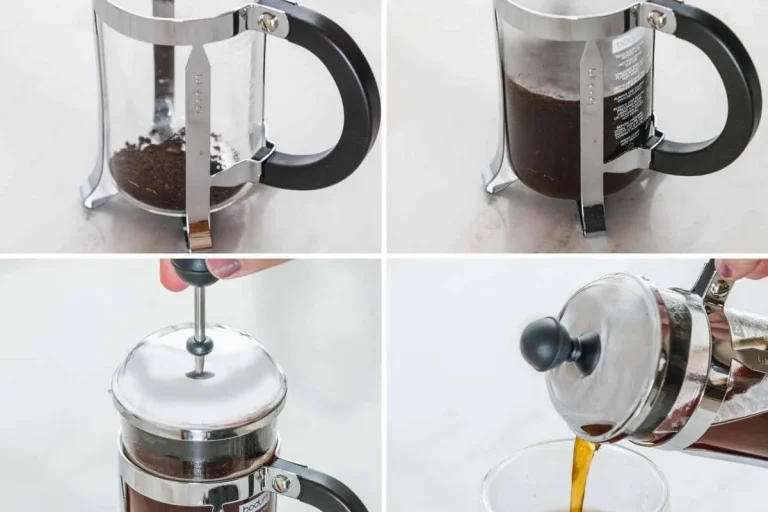
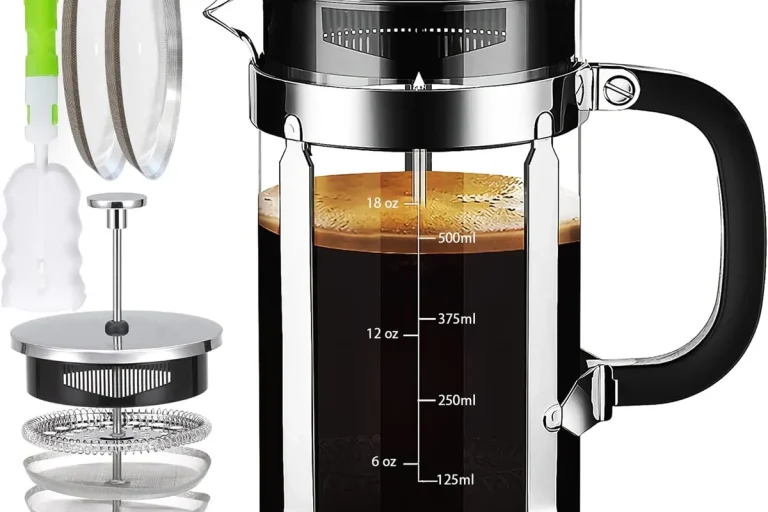
If you want a big batch of cold brew, a pitcher, jar, or dedicated cold brew maker is the better choice.
How to Use Cold Brew Concentrate the Right Way
The safest method is simple. Brew cold brew separately, then use the coffee maker only for hot water if needed.
That keeps the machine cleaner and lowers the chance of clogs or sticky buildup. It also gives you better control over flavor.
Safe Mixing Ratios for Water, Milk, and Ice
Start with a small amount of concentrate and taste it before adding more. Many concentrates need dilution, but the best ratio depends on how strong your batch is.
For a basic drink, mix concentrate with water or milk until it tastes right to you. Add ice last so it does not water the drink down too fast.
- Start weak, then add more concentrate if needed.
- Use cold milk for a smoother iced drink.
- Taste before adding sweeteners.
In short, small adjustments work better than guessing a big batch.
Simple Ways to Warm It Without Ruining Flavor
If you want hot cold brew, warm it gently. Add hot water to the cup, then pour in the concentrate. That helps keep the drink from turning harsh.
You can also warm it on the stove in a small pan over low heat. Stir often and stop before it boils. Boiling can make the flavor taste flat or bitter.
Do not microwave a dairy-heavy drink for too long. Heat it in short bursts if you must use a microwave.
Common Mistakes to Avoid
Most problems come from treating cold brew like regular coffee grounds. The second big mistake is overfilling the machine or using the wrong liquid.
A little care goes a long way here. You can avoid most messes with the right setup.
Using Grounds Instead of Brewed Concentrate
Do not dump dry cold brew grounds into a drip coffee maker and expect cold brew results. The machine will brew hot coffee instead.
If you want cold brew, the grounds need time in cold water. A drip machine cannot replace that step.
Using the wrong grind can also make cleanup harder. Fine grounds may slip through filters and leave sludge in the carafe.
Overloading the Machine or Carafe
Do not fill the carafe past its marked line. Extra liquid can splash, spill, or make the drink too weak.
Also avoid loading the basket too full. A packed basket can slow flow and cause overflow. That is true for regular coffee and even more true with messy concentrate use.
Stop using the machine if you smell burning, see leaks, or notice repeated clogging.
In short, stay within the machine’s limits every time.
Cleaning, Maintenance, and Safety Tips
Cold brew can leave more residue than plain water. That means cleanup matters more than usual.
Good cleaning also protects flavor. Old coffee film can make the next cup taste stale or sour.
How to Prevent Stains, Clogs, and Off Flavors
Rinse the carafe and basket right after use. Do not let concentrate dry inside the parts.
Wash removable pieces with warm, soapy water if the manual allows it. Clean the warming plate and outer surfaces with a damp cloth.
Rinse the carafe, basket, and lid right away.
Run the cleaning cycle or descale as your manual directs.
If your machine has a reusable filter, check it for fine grit. That grit can build up fast with cold brew concentrate.
Storage Tips for Freshness and Food Safety
Store brewed cold brew in a clean, covered container in the fridge. Use a container that seals well and does not hold old odors.
Do not leave milk-mixed drinks out for long. Dairy spoils faster than black coffee. If a drink smells off or looks separated, toss it.
For best taste, make only what you expect to drink soon. Freshness drops over time, even in the fridge.
Final Verdict: Should You Use Cold Brew Coffee in a Coffee Maker?
Yes, you can use cold brew coffee in a coffee maker safely if you use it the right way. The best move is to use already brewed cold brew concentrate, then dilute or warm it as needed.
Do not try to make true cold brew inside a standard drip machine. It was built for hot brewing, and that can lead to weak flavor or cleanup trouble.
If you want easy iced coffee or a smoother hot drink, cold brew can fit your routine well. If you want true cold brew flavor and less mess, a separate cold brew pitcher or maker is the smarter choice.
- Use brewed cold brew concentrate, not dry grounds, in most cases.
- Check your coffee maker manual before adding anything but water.
- Keep the machine clean to avoid residue, clogs, and bad taste.
- Choose a pitcher or cold brew maker if you want true cold brew.
—
Frequently Asked Questions
You can use brewed cold brew concentrate in some cases, but check your manual first. Most coffee makers are meant for water and dry grounds only.
Yes, but the flavor may change a little. Gentle heat usually works better than boiling or long warming.
Not in the usual way. Drip machines use hot water, while cold brew needs a long steep in cold or room-temperature water.
Start with a small amount of concentrate and dilute to taste. The best ratio depends on how strong your batch is and whether you add water, milk, or ice.
Rinse the carafe, basket, and lid right away, then wash removable parts as the manual allows. Do not let concentrate dry inside the machine.
Stop if you notice leaks, clogging, burning smells, or repeated poor flow. Follow the manual and replace damaged parts or the machine if needed.