Do You Need a Special Coffee Maker for Cold Brew

No, you don’t need a special coffee maker for cold brew. A jar, pitcher, or French press can work just fine for most home kitchens.
No, you don’t need a special coffee maker for cold brew. A jar, pitcher, or French press can work well if it can hold coffee, water, and time in the fridge.
A special cold brew maker can still help. It often makes filtering easier, cuts mess, and gives you a cleaner pour.
- Simple tools work: A jar or pitcher can make solid cold brew.
- Dedicated makers help: They usually make filtering and cleanup easier.
- Grind matters: Coarse coffee helps avoid grit and over-extraction.
- Storage matters: Keep finished cold brew covered in the fridge.
Do You Need a Special Coffee Maker for Cold Brew? The Short Answer
The short answer is simple. You can make cold brew without a special machine, and many people do.
Cold brew only needs ground coffee, cold or room temp water, and enough steep time. The main job is to keep the grounds in contact with water while you wait.
What cold brew really needs
Cold brew does not need heat, pressure, or fancy controls. It needs a container, a way to separate grounds, and space in the fridge or on the counter.
The best setup depends on how much coffee you want and how much cleanup you can handle. If you want a smoother process, a maker with a built-in filter helps.
When a regular coffee maker can work
A regular coffee maker can work if you mean a simple home tool, not a drip machine. A jar, pitcher, or French press is often enough for cold brew.
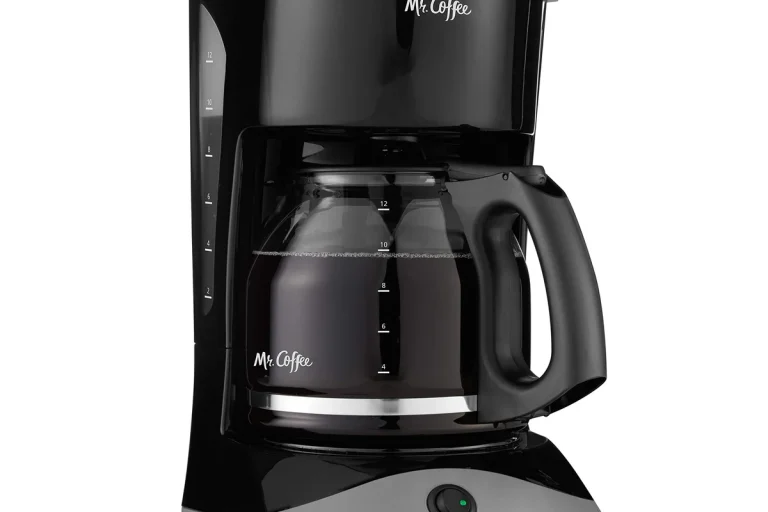
Most hot drip coffee makers are not made for cold brew steeping. They brew fast with hot water, so they do not match the cold brew method.
When a cold brew maker helps more
A cold brew maker helps when you want less mess and easier straining. It can also make storing and pouring simpler.
If you brew cold coffee often, a dedicated maker may save time. If you only make it once in a while, a basic pitcher may be all you need.
Model designs vary a lot. Always check the manual before using any coffee maker in a way it was not designed for.
How Cold Brew Works Compared With Hot Coffee
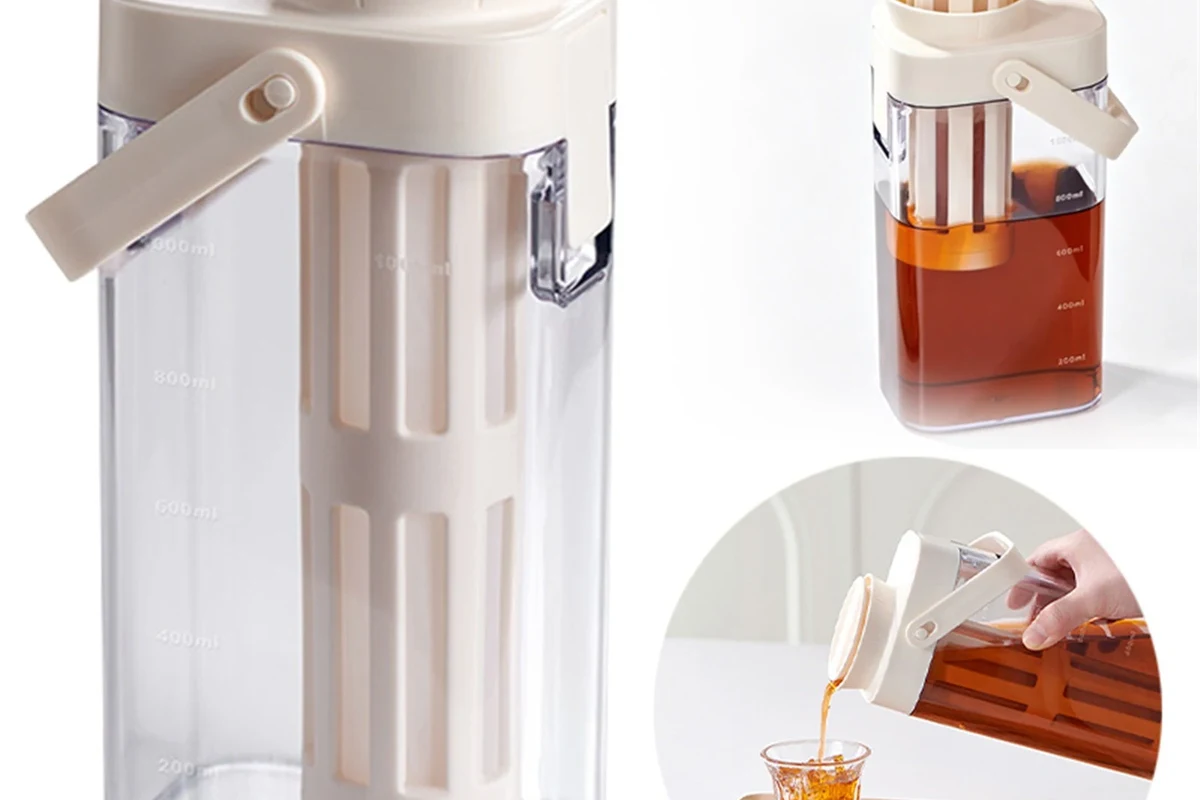
Cold brew tastes different because cold water pulls flavor from coffee more slowly. It usually brings out less sharpness and less bitter edge than hot coffee.
That slower process changes the cup. It often gives you a smoother drink, but the result still depends on the beans, grind, and steep time.
Why cold water changes the taste
Heat pulls flavor from coffee fast. Cold water works more slowly, so it extracts fewer of the bright and bitter notes.
That is why cold brew often tastes mellow. Some people love that. Others miss the stronger snap of hot coffee.
Steep time, grind size, and coffee ratio
Cold brew usually needs a coarse grind. Fine grounds can make the drink muddy and hard to filter.
Steep time also matters. Too short, and the brew can taste thin. Too long, and it can taste rough or heavy.
- Use a coarse grind for easier filtering.
- Start with a known ratio, then adjust to taste.
- Taste the first batch before changing steep time.
How cold brew differs from iced coffee
Cold brew and iced coffee are not the same. Iced coffee is usually hot coffee cooled down and poured over ice.
Cold brew starts cold and steeps slowly. That gives it a different taste and often a smoother feel.
Cold brew often tastes less acidic than hot coffee, but beans and brew strength still matter.
Types of Coffee Makers You Can Use for Cold Brew
You have more options than you may think. The best one depends on your space, routine, and cleanup style.
Simple jar or pitcher method
This is the easiest place to start. Add coffee and water to a jar or pitcher, then steep and strain later.
It costs very little if you already have a container. The trade-off is that you may need a separate filter step.
Cold brew makers with built-in filters
These makers are built for steeping and straining in one container. Many use a fine mesh filter or removable basket.
They can reduce mess and make pouring easier. They also help keep grounds out of the final cup.
Helps keep grounds out of your coffee.
Lets you steep and chill in one container.
French press and other kitchen tools
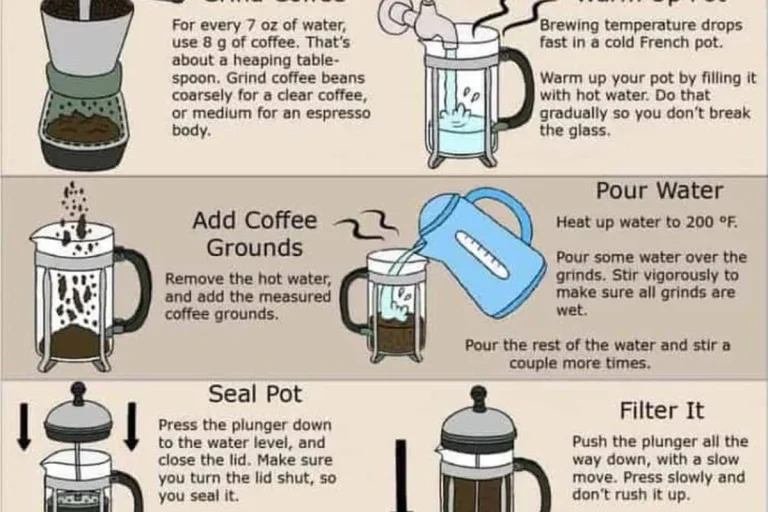
A French press can work for cold brew in a pinch. It already has a plunger and filter, which makes straining easier.
Other tools can work too, but they vary by shape and size. A fine mesh sieve or paper filter may still help with cleanup.
Automatic coffee makers and cold brew settings
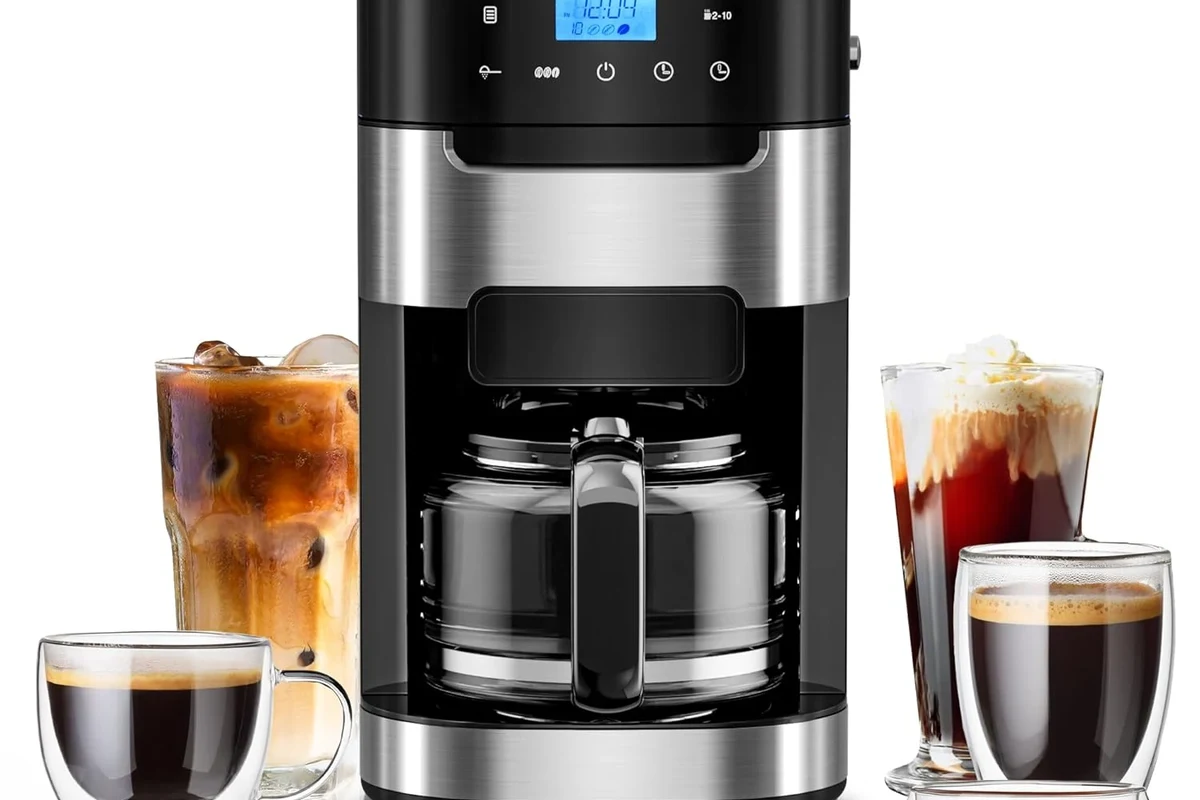
Some electric coffee makers include cold brew settings or special brew modes. These can be handy, but they are model-specific.
Check the manual before you rely on a special setting. Not every machine uses the same process or gives the same taste.
Do not assume a hot drip machine can safely replace a cold brew maker. Follow the maker’s instructions and avoid forcing parts to fit.
What to Look For in a Cold Brew Coffee Maker
If you do buy a special maker, focus on daily use, not just looks. The best one is the one you’ll actually keep using.
Filter quality and ease of cleanup
Filter quality matters because cold brew grounds can be messy. A good filter should hold grounds well and rinse clean without much fuss.
Cleanup matters just as much. If a maker is hard to wash, you may stop using it fast.
Batch size and fridge space
Think about how much coffee you drink in a few days. A huge brewer may waste space if you live alone.
On the other hand, a tiny brewer may not be enough for a family or weekly prep. Measure your fridge shelf before you buy.
Material, durability, and smell control
Glass, plastic, and metal each have trade-offs. Glass can resist smells well, but it can break more easily.
Plastic may be light and easy to handle. Metal can feel sturdy, but it may need more care to avoid stains or odors.
Price, value, and long-term use
Value matters more than a fancy label. A simple setup that you use often is better than a costly brewer that sits unused.
Think about filters, extra parts, and replacement needs too. Over time, those small details can matter more than the first purchase.
Benefits and Limits of Buying a Special Cold Brew Maker
A dedicated maker can be a nice upgrade. Still, it is not required for good cold brew.
Where special makers save time
Special makers often save time during filtering and pouring. Some also make storage easier because they fit neatly in the fridge.
That can be a real help on busy mornings. You just grab the brewer and pour.
When a Dedicated Brewer Makes Sense
Use this as a simple decision check. The best choice depends on how often you brew and how much cleanup you want.
Where they may not be worth it
If you make cold brew only once in a while, a special maker may be extra clutter. A jar and a strainer can do the job.
Also, some dedicated brewers add parts you must wash and store. That can feel like more work, not less.
Best users for each setup
Choose a special maker if you want easier filtering and regular use. Choose a basic pitcher if you want the lowest cost and simple storage.
Choose a French press if you already own one and want a flexible tool. It can handle more than one coffee task.
Best for limited counter and fridge space.
Best for larger batches and frequent brewing.
Common Cold Brew Mistakes to Avoid
Cold brew is simple, but a few small mistakes can ruin the batch. Most problems come from grind size, time, or storage.
Using the wrong grind size
Fine coffee grounds can slip through filters and make the drink gritty. They can also make the brew taste overdone.
Coarse grounds are usually safer and easier to strain. That’s one of the easiest ways to improve the result.
Steeping too long or too short
Too little time can leave the coffee weak. Too much time can make it taste flat or harsh.
Start with a standard steep time from your recipe or brewer manual. Then adjust in small steps.
Skipping proper filtering
Skipping filtration can leave sludge in the cup. It can also make storage less pleasant.
If your maker does not filter well, use a second strain through paper or a fine sieve.
Storing cold brew the wrong way
Cold brew should go into the fridge after steeping and straining. Do not leave it out for long periods.
Use a clean, covered container. That helps protect flavor and lowers the chance of spoilage.
- Coarse grind helps with cleaner cold brew.
- Good filtering improves taste and cleanup.
- Fridge storage matters for safety and flavor.
Cleaning, Safety, and Maintenance Tips
Cold brew gear is usually easy to care for. Still, a little routine cleaning goes a long way.
How to clean filters and pitchers
Rinse parts soon after use so grounds do not dry on them. Then wash with warm, soapy water as the manual allows.
Let parts dry fully before storage. That helps prevent odors and mold.
Dump grounds, rinse parts, and wash the container well.
Check seals, mesh, lids, and stains. Replace worn parts if needed.
Food safety and fridge storage basics
Keep brewed coffee cold once it is finished. Store it in a clean container with a lid.
If a smell, color, or taste seems off, do not drink it. When in doubt, throw it out.
How to prevent stains and old coffee smells
Wash plastic parts soon after use. Coffee oils can cling and build up fast.
For stubborn smells, use the cleaning method listed by the maker. Avoid harsh scrubbing that can damage filters or seals.
Stop using any brewer with cracked parts, loose seals, or damaged cords. Follow the manual and replace unsafe parts.
Final Recommendation: Should You Buy a Special Coffee Maker for Cold Brew?
For most people, the answer is no. You can make good cold brew with a simple jar, pitcher, or French press.
Buy a special cold brew maker if you want easier filtering, less mess, and regular use. Skip it if you want the cheapest path or only brew now and then.
Best choice for beginners
Beginners should start with a basic pitcher or jar method. It teaches the process without much cost or risk.
Once you know how much you drink, you can decide if a dedicated brewer is worth it.
Best choice for regular cold brew drinkers
If you make cold brew often, a dedicated maker can be a smart buy. It may save time and make cleanup less annoying.
Look for easy filters, a size that fits your fridge, and parts you can wash without trouble.
Best choice if you want the lowest cost option
The lowest cost option is usually a simple container you already own. A jar, pitcher, or French press can get the job done.
That makes cold brew easy to try before you spend more. If you love the routine, you can upgrade later.
You do not need a special coffee maker for cold brew, but it can make the process easier. For most homes, the best choice is the setup that fits your space, cleanup style, and how often you brew.
Frequently Asked Questions
Yes, you can use a jar, pitcher, or French press. You only need coffee, water, time, and a way to strain the grounds.
A coarse grind usually works best. Fine grounds can make the brew muddy and harder to filter.
Steep time varies by recipe and brewer, but it usually takes many hours. Start with the maker’s directions or a trusted recipe, then adjust to taste.
Often yes, especially if it has a built-in filter. Still, cleanup depends on the model, so check whether parts are removable and dishwasher safe.
Use coarse grounds, avoid steeping too long, and filter well. Bean choice and coffee ratio also affect the final taste.
Check capacity, fridge space, filter design, cleaning needs, and warranty details. Also confirm that the model fits your routine and storage space.