Is a Cold Brew Coffee Maker Worth It for Daily Use

Yes, a cold brew coffee maker is worth it for daily cold coffee drinkers. It saves time, but only if you plan ahead and have fridge space.
Yes, a cold brew coffee maker can be worth it if you drink cold coffee often. It helps you make smooth coffee at home with less daily effort. If you only want an iced drink once in a while, you may be better off with a simpler method.
- Best use: Daily iced coffee drinkers get the most value.
- Main trade-off: You need planning time and fridge space.
- Taste note: Cold brew usually tastes smoother than iced coffee.
- Buy smart: Check size, filter type, and cleanup before you choose.
- Worth it when: It replaces regular coffee shop runs and gets used often.
Is a Cold Brew Coffee Maker Worth It for Daily Use?
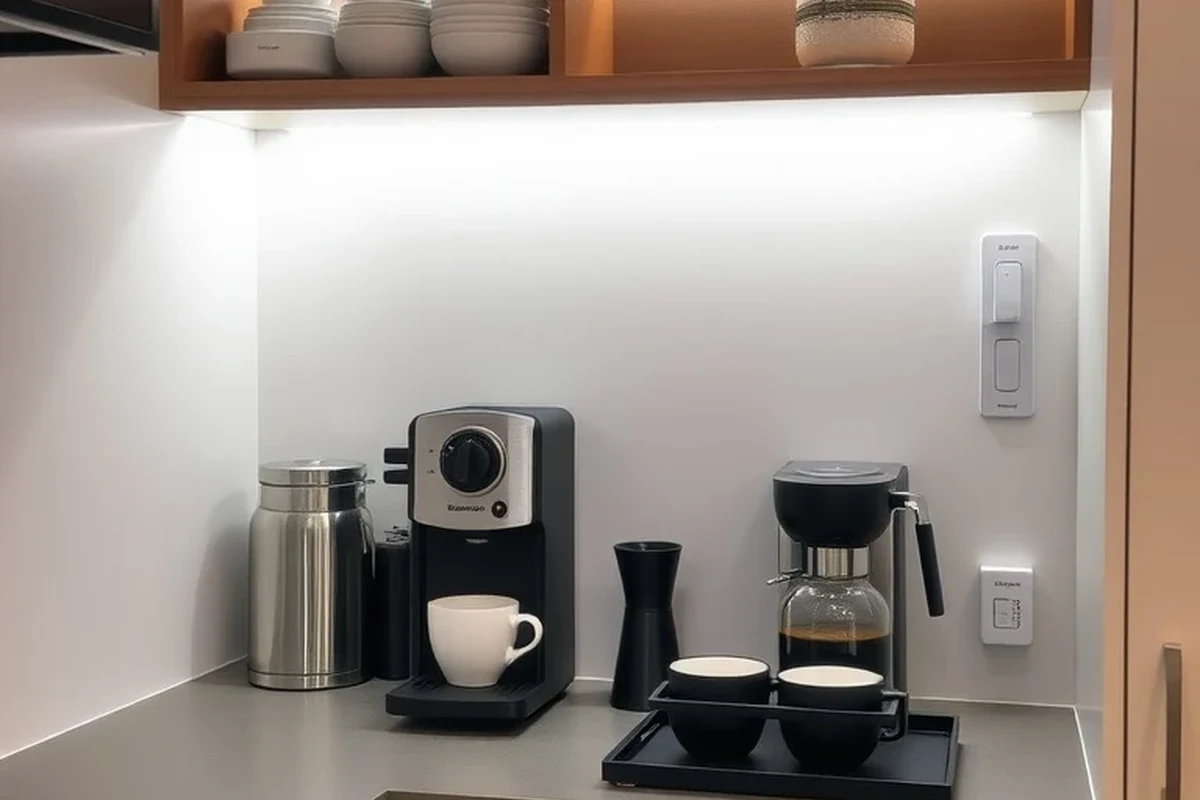
For many home coffee drinkers, the answer is yes. A cold brew maker makes it easier to prep coffee ahead of time, then pour and go during the week.
It is especially useful if you like a mild, low-acid style and want fewer coffee shop runs. Still, it is not the best pick for everyone. It takes fridge space, and it works best when you plan ahead.
Quick answer: who should buy one and who should skip it
Buy one if you drink cold coffee most days, share coffee with others, or want a simple batch method. It also makes sense if you like to save leftover coffee for a few days.
Skip it if you want hot coffee, need a tiny setup, or change drinks all the time. In that case, a French press, drip maker, or iced coffee method may fit better.
Main value points for busy coffee drinkers
The biggest value is convenience. You do the work once, then enjoy ready-to-pour coffee later.
- Preps ahead for fast mornings
- Makes smooth coffee with less bitterness
- Can lower coffee shop spending over time
- Works well for batches and sharing
That said, the value depends on your routine. If you forget to brew ahead, the maker will not help much.
How a Cold Brew Coffee Maker Works
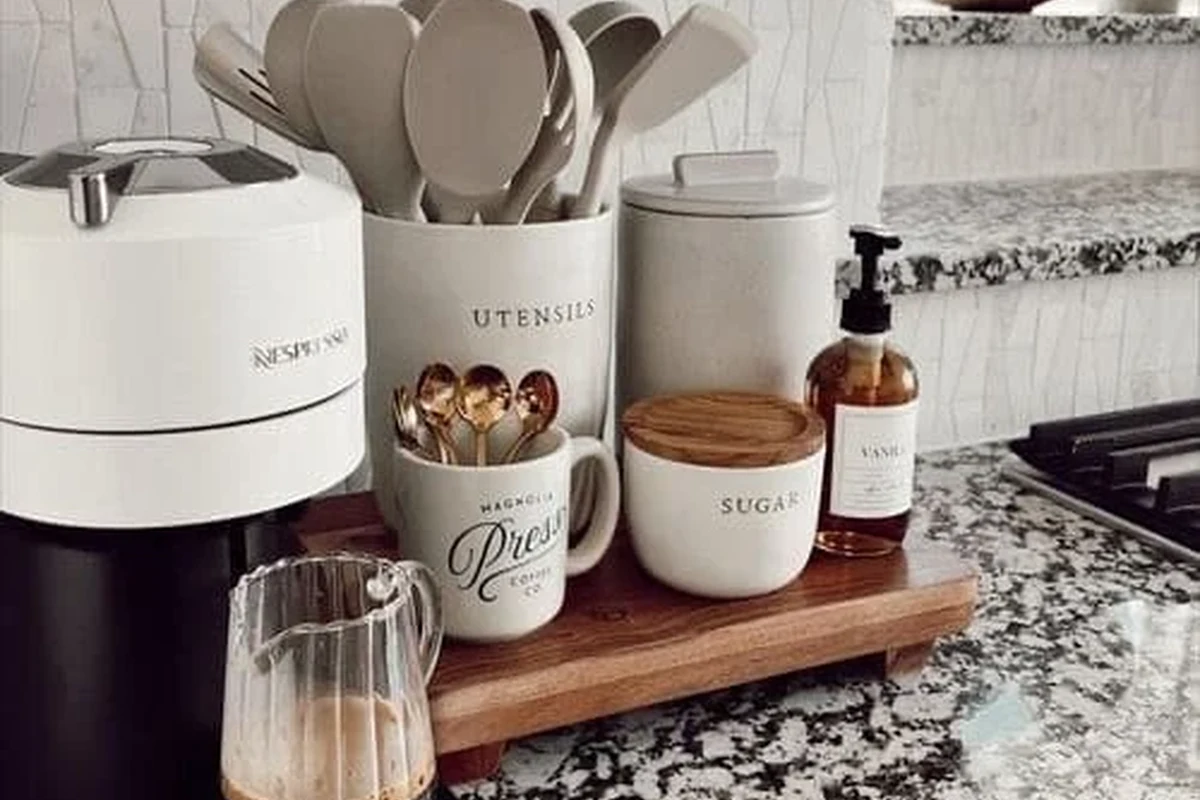
Cold brew makers are simple. Most use coffee grounds, cold or room-temp water, and a long steep in the fridge or on the counter.
The brewer then lets you remove the grounds and pour the coffee. Some models use a jar, while others use a basket or mesh filter.
Basic brewing process in simple steps
Use a coarse grind so the brew stays clean and easy to strain.
Pour water over the grounds and make sure they all get wet.
Let it sit for many hours, then remove the grounds or filter.
Drink it over ice or keep it chilled in a sealed container.
That process is why many people like it. It feels low-effort once you set it up.
What makes cold brew different from iced coffee
Cold brew and iced coffee are not the same. Iced coffee usually starts as hot-brewed coffee that gets cooled and poured over ice.
Cold brew soaks in cool water for a long time. That slow soak changes the taste. It usually gives a smoother, less sharp cup.
Cold brew often tastes less bitter because heat does not extract the coffee the same way.
Typical brew times, ratios, and steeping needs
Brew time varies by recipe and brewer. Many cold brew methods use about 12 to 24 hours.
Ratios also vary. A common starting point is a coarse grind with enough water to fully soak the grounds. Stronger batches often use more coffee, then get diluted before serving.
Exact brew time and ratio depend on the coffee, grind size, and your brewer. Check the manual if the maker includes a guide.
Key Features That Matter Before You Buy
Not every cold brew maker works the same way. The best one for you depends on how much coffee you drink, where you store it, and how much cleanup you can handle.
Jar size, filter type, and material quality
Jar size matters most if you brew for more than one person. A larger jar can cover several days, but it also takes more fridge room.
Filter type matters too. Fine mesh, paper-style inserts, and built-in baskets each change the final cup and cleanup time.
Choose a size that matches your weekly coffee use.
Pick the filter style that fits your taste and cleanup habits.
Glass, plastic, and steel each bring different care needs.
A tight lid helps reduce leaks and fridge smells.
Material quality matters because the maker will sit in the fridge and get used often. Durable parts tend to hold up better over time.
Ease of pouring, storage, and fridge fit
A good cold brew maker should pour cleanly. If it drips or splashes, daily use gets annoying fast.
Also check the shape. Some tall brewers fit only on one shelf. Others fit better in a crowded fridge door or lower shelf.
- Check the brewer height and fridge space
- Look for a lid that seals well
- Make sure the filter lifts out easily
- Choose a size that matches your weekly use
Durability, leak control, and cleanup design
Daily use can be rough on a brewer. Parts should come apart without a fight, and the filter should rinse clean.
Leak control matters if you move the jar often. A loose lid or weak seal can make a mess on the shelf.
The brewer leaks or leaves grounds behind.
Check the lid fit, inspect the filter, and follow the assembly steps in the manual.
Benefits and Limits of Using One Every Week
A cold brew maker can be a smart weekly tool. It helps you build a routine and keep coffee ready when mornings feel rushed.
Why it can save time on rushed mornings
The main time saver comes later, not during brewing. You make the batch once, then pour and serve for days.
That can be a big help before work or school. You do not need to measure and brew every single morning.
How it can cut coffee shop costs over time
Home cold brew can lower your coffee shop visits. That matters if you buy iced coffee several times a week.
Of course, savings depend on how often you use it and what coffee you buy. A brewer only adds value if it gets regular use.
Where it falls short for taste, space, or effort
Cold brew is not always the best match for every drinker. Some people miss the bright taste of hot coffee.
It also needs fridge room. If your kitchen is already crowded, storage can become a daily hassle.
- Makes smooth coffee with little active work
- Can serve several days from one batch
- Fits well into a simple morning routine
- Needs planning and fridge space
- Can feel slow if you want coffee now
- Cleanup and storage vary by model
Best Ways to Use a Cold Brew Coffee Maker at Home
The best home setup is the one you can repeat. Keep it simple, and you will use it more often.
Simple cold brew recipe for daily use
Start with your brewer’s directions if it includes a recipe. If not, use a simple batch, then adjust next time for strength.
Best coffee grind, water ratio, and steep time
A coarse grind usually works best. Fine grounds can make the coffee muddy and harder to strain.
Water ratio depends on how strong you like it. Many people start with a stronger concentrate, then add water, milk, or ice when serving.
- Use a coarse grind for cleaner filtering
- Adjust strength after the first batch
- Keep steeping time steady for better results
- Write down what works so you can repeat it
Flavor add-ins and serving ideas
You can keep it plain or dress it up. Milk, oat milk, cinnamon, vanilla, or a little sweetener can change the flavor fast.
Some people like it over ice. Others mix it with milk for a softer morning drink.
Common Mistakes That Hurt Taste or Value
Most cold brew problems come from small setup mistakes. The good news is that they are easy to avoid.
Using the wrong grind or too much coffee
Fine coffee grounds can make the drink gritty. Too much coffee can also make the batch harsh or hard to drink.
Start simple, then change one thing at a time. That makes it easier to find your best taste.
Leaving it to steep too long or too short
If you stop too early, the coffee may taste weak. If you steep too long, it can taste dull or heavy.
Use the maker’s guide as a starting point. Then adjust by taste and your fridge temp.
Storing it badly and losing freshness
Cold brew lasts longer when it stays sealed and chilled. An open container can pick up fridge smells fast.
For best taste, store it in a clean, closed container and use it within a few days. If it smells off or tastes strange, pour it out.
If any part cracks, leaks, or looks damaged, stop using the brewer until you replace it.
Cleaning, Safety, and Maintenance Tips
Cleaning matters more than many buyers expect. Coffee oils can build up fast, especially in filters and lids.
How often to wash the parts
Wash the parts after each batch. That helps keep old grounds and stale oil from changing the next brew.
A deeper clean once in a while can help too. Follow the maker’s care guide for safe cleaning steps.
Empty the grounds, rinse the filter, and wash the container and lid.
Check seals, screen holes, and any spots that trap coffee residue.
Do a deeper clean if the manual allows it, and inspect for wear.
What to watch for with glass, plastic, and mesh filters
Glass can feel sturdy and clean, but it can break if dropped. Plastic may be lighter, but it can scratch or hold odors.
Mesh filters need close attention. Small tears or bent edges can let grounds escape into the coffee.
Follow the appliance manual and stop using damaged equipment.
Simple care habits that help it last longer
Rinse parts right after emptying the grounds. That keeps residue from drying and sticking.
Store the brewer dry when it is not in use. Also avoid harsh scrubbing unless the manual says it is safe.
Final Verdict: Is It Worth It for You?
For daily cold coffee drinkers, a cold brew maker is often worth it. It saves time, supports batch brewing, and can make home coffee feel easier.
For casual users, the value is less clear. If you only make cold coffee once in a while, a simpler method may be enough.
Best for daily drinkers, families, and budget-minded users
This is a strong pick for people who want a repeatable routine. It also works well for families or roommates who share coffee.
It can be a smart buy for budget-minded users too. That is true if it replaces regular coffee shop runs.
Choose a cold brew maker for easy batch prep and steady taste.
Skip it if fridge space is tight or you only want cold coffee now and then.
When a different brewing method may be the better choice
If you want hot coffee, a drip machine or pour-over setup may fit better. If you want speed, that matters more than batch style.
If you want a bright, sharp coffee taste, iced coffee may suit you more than cold brew.
Clear closing recommendation from the Red Kitchen Project Editorial Team
Our take is simple. A cold brew coffee maker is worth it for people who drink cold coffee often and like easy prep.
If that is not you, save the space and choose a different brew method. The best coffee maker is the one you will actually use.
A cold brew coffee maker is a good value for daily cold coffee drinkers, busy households, and anyone who likes batch brewing. If you need fast coffee, very little storage, or hot drinks most days, a different brewer may be the better choice.
Frequently Asked Questions
Most cold brew recipes take about 12 to 24 hours. Your brewer, grind size, and taste preference can change that time.
A coarse grind usually works best. Fine grounds can make the coffee gritty and harder to strain.
The right ratio depends on your brewer and taste. A stronger batch can be diluted later with water, milk, or ice.
Wash the parts after each batch and follow the manual for deeper cleaning. Check filters, lids, and seals for buildup or wear.
Cold brew tastes smoother and often less bitter. Iced coffee is usually faster and can taste brighter.
Stop using it if parts crack, leak, or the filter is damaged. Replace worn parts and follow the maker’s safety guidance.