How Much Anchovy Paste Equals One Anchovy Simple Guide

For most pasta recipes, 1 teaspoon of anchovy paste equals 1 anchovy fillet. Start with less if your brand tastes salty, then add more only after tasting.
If you need a fast answer, start with this: one anchovy usually equals about 1 teaspoon of anchovy paste. That’s the best rule for most pasta recipes, though the exact swap can shift by brand and salt level.
- Best swap: Use 1 teaspoon of anchovy paste for 1 anchovy fillet.
- Start small: Some brands taste saltier and stronger than others.
- Cook early: Melt the paste in oil or butter for better flavor.
- Watch salt: Reduce cheese, capers, and added salt until the end.
How Much Anchovy Paste Equals One Anchovy
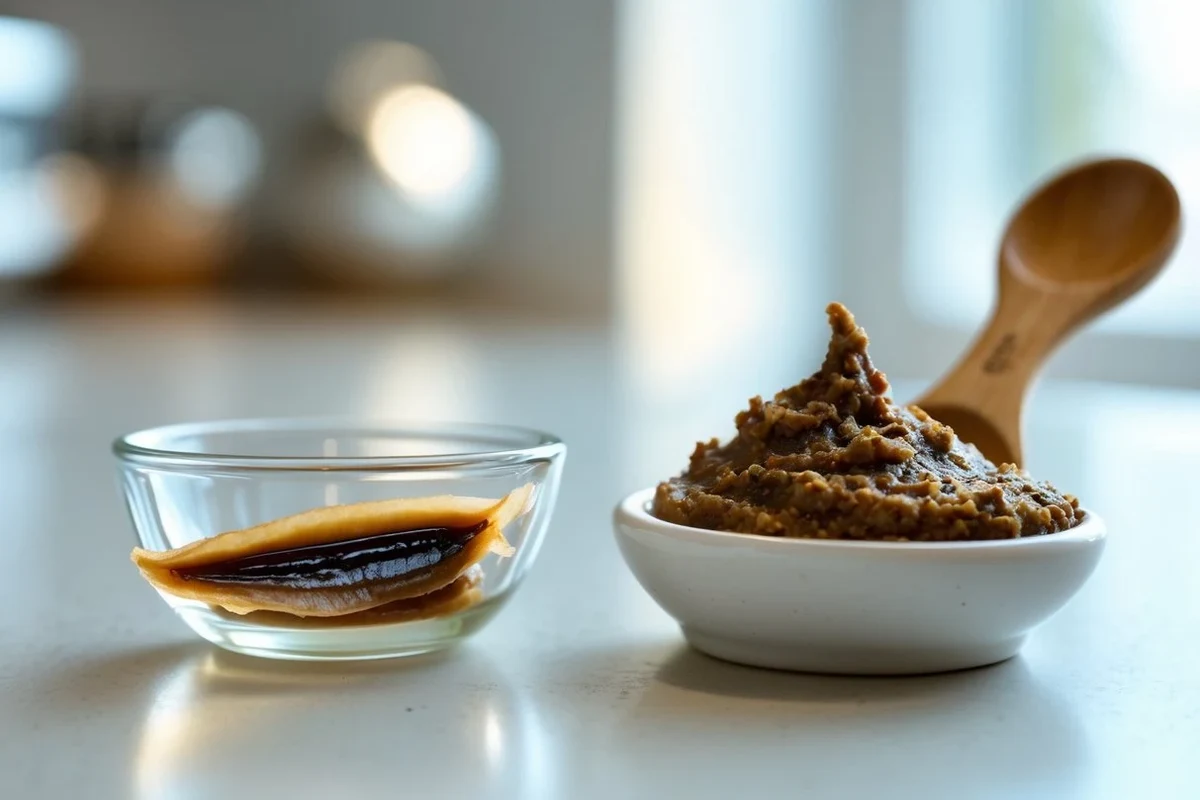
For most home cooks, 1 teaspoon of anchovy paste is the closest match to 1 salted anchovy fillet. If you want a softer flavor, begin with 1/2 teaspoon and taste as you cook.
Anchovy paste is stronger and smoother than chopped fillets. So the right amount depends on how salty and fishy you want the dish to taste.
Quick answer for home cooks
Use 1 teaspoon of anchovy paste for 1 anchovy fillet in most pasta sauces. If the anchovies are very small, 1/2 teaspoon may be enough.
In short: the swap is close, but not exact.
Why the ratio can vary by brand
Different brands pack different amounts of fish, oil, and salt into the tube. Some pastes taste milder, while others taste much saltier.
That means one brand may need a full teaspoon. Another may need less. If the label lists anchovies near the top, the paste may taste stronger.
Anchovy paste is not perfectly standardized. Always taste the sauce before adding more salt.
What Anchovy Paste Is and How It Differs from Whole Anchovies
Anchovy paste is a smooth mix made from anchovies, salt, and often oil or water. Whole anchovies or fillets keep more texture and can give a more layered taste.
Both add deep savory flavor. But paste blends in fast, while fillets can melt slowly into hot oil or sauce.
Ingredients, texture, and salt level
Most anchovy paste comes in a tube or jar. The texture is soft, so it spreads and stirs in with little effort.
Salt is the big thing to watch. Anchovies are naturally salty, and paste often adds even more salt to help it keep longer.
Anchovies often melt into sauces, so many people taste the flavor without noticing the fish itself.
When paste works better than fillets
Paste works well when you want speed. It also helps when you do not want visible fish pieces in the sauce.
It is handy for Caesar dressing, pasta sauces, and quick pan sauces. It can be a smart choice on busy weeknights.
How to Use Anchovy Paste in Pasta Sauce
Anchovy paste works best when it hits warm oil or butter early in cooking. That helps it dissolve and spread through the sauce.
You can also stir it into tomato sauce, cream sauce, or garlic oil. A little goes a long way.
Best times to add it while cooking
Add the paste right after garlic or onion softens. Let it cook for a short time in the fat.
This step helps the flavor bloom. It also keeps the paste from tasting raw or sharp.
Use medium heat and keep the pan moving.
Stir in a small amount and let it melt.
Add more only if the sauce still needs depth.
How to balance salt and flavor
Anchovy paste adds salt fast. So cut back on salted butter, cheese, capers, or added table salt until the sauce is done.
Then taste the pasta sauce after it simmers. You may find it needs no extra salt at all.
Do not keep adding salt before the sauce is finished. Anchovy paste can make a dish too salty very fast.
Anchovy Paste vs Anchovy Fillets: Which One Should You Use?
Both ingredients can build strong flavor. The better choice depends on how much time you have and how bold you want the result.
For many pasta dishes, either one works. The main difference is texture and control.
Best choice for quick weeknight cooking
Choose paste when you want speed and easy cleanup. It mixes in fast and does not leave fish pieces behind.
It is a good fit for simple spaghetti sauces, pantry pasta, and quick dressings.
Best choice for bold, layered flavor
Choose fillets when you want a deeper, more classic Italian-style base. They can melt into hot oil and give the sauce a richer feel.
Many cooks like fillets for dishes where they want a more gradual flavor build.
Limits of each option
Paste can taste a bit flat if you use too little. It can also turn a dish too salty if you overdo it.
Fillets take a little more time and care. They also leave visible bits if they do not fully break down.
- Paste blends in fast
- Fillets give more texture and depth
- Both add strong savory flavor
- Paste can be easy to overuse
- Fillets need more prep and heat time
- Both can make a dish too salty
Buying and Choosing the Right Anchovy Paste
When you shop for anchovy paste, focus on the label first. The best tube for pasta is not always the fanciest one.
Look for a product with clear ingredient info and a size you can use before it loses quality.
What to look for on the label
Check where anchovies appear in the ingredient list. If they show up early, the paste may be fish-forward and strong.
Also look for added salt, oil, or stabilizers. These change both flavor and how much you should use.
Salt, oil, and fish content explained
More salt usually means a longer shelf life and a sharper taste. More oil can make the paste smoother and easier to stir.
Fish content matters most for flavor. If you want a stronger anchovy taste, choose a paste that lists anchovies clearly and near the top.
- Check the ingredient list
- Look at salt content
- Choose a size you’ll use soon
- Read storage directions
Best value for pasta home cooks
For most pasta cooks, a tube is easier than a jar. It keeps the paste neat and helps you squeeze out small amounts.
That matters when you only need a little for one sauce. It also helps reduce waste.
Common Mistakes When Swapping Anchovy Paste for Anchovies
The swap sounds simple, but a few small mistakes can throw off the whole dish. Most problems come from salt, not from the fish flavor itself.
Using too much paste
It is easy to squeeze in too much. Anchovy paste is concentrated, so even a little can dominate the sauce.
Start with less than you think you need. You can always add more.
Forgetting to reduce added salt
If you use anchovy paste, cut back on other salty items. Parmesan, olives, capers, and salted pasta water all add up.
That is where many cooks get into trouble. The sauce tastes fine at first, then turns too salty at the end.
Skipping taste checks during cooking
Taste the sauce after the paste melts and the sauce simmers. This gives you a better read on the final flavor.
If it tastes flat, add a little more paste. If it tastes sharp, add unsalted liquid or more sauce base.
- Start with 1/2 teaspoon, then taste.
- Use unsalted pasta water when possible.
- Let the paste cook in oil first.
Storage, Safety, and Shelf Life Tips
Anchovy paste keeps well, but it still needs proper storage. Heat and air can hurt the flavor over time.
Follow the package directions first. Storage advice can vary by brand and container type.
How to store opened tubes and jars
Seal the tube or jar tightly after each use. Then put it back in the fridge if the label says to refrigerate after opening.
Keep the cap clean. That helps stop dried paste from building up and making the seal messy.
Signs the paste has gone bad
Throw it out if you see mold, a bad smell, or a strange color change. If the paste smells rancid or sour, do not use it.
When in doubt, replace it. Fish-based products are not worth the risk if they seem off.
Follow the package storage directions and stop using any paste that smells spoiled.
Simple cleanup tips for sticky tubes
Wipe the tip right after use. That keeps the cap from sticking shut.
If paste dries on the outside, warm water and a cloth usually help. Avoid forcing a stuck cap, since that can damage the tube.
Final Recommendation for Pasta Recipes
For most pasta recipes, use 1 teaspoon of anchovy paste in place of 1 anchovy fillet. That is the safest and most useful rule for everyday cooking.
Then adjust by taste. Some brands are stronger, and some dishes need only half that amount.
Best rule of thumb for most cooks
Start with less paste than you think you need. Add it early in the pan, let it melt, and taste before salting the dish.
That approach gives you better control and fewer salty surprises.
When to choose paste, fillets, or another swap
Choose paste for quick sauces and smooth flavor. Choose fillets for a more classic, layered taste.
If you do not have either one, use another savory ingredient only as a backup. The flavor will change, so keep expectations realistic.
For most home cooks, 1 teaspoon of anchovy paste equals 1 anchovy fillet in pasta sauce. Use paste for speed and easy blending, but taste carefully because salt levels vary by brand.
- 1 teaspoon of paste is the best starting swap for 1 anchovy.
- Use less at first if the brand tastes very salty.
- Cook the paste in oil before adding other salt.
- Choose fillets for more texture and a slower flavor build.
Frequently Asked Questions
For most pasta recipes, 1 teaspoon of anchovy paste is a good match for 1 anchovy fillet. Start with less if the brand tastes very salty.
Add it early, usually after garlic or onion softens in oil or butter. Let it melt so the flavor spreads through the sauce.
Yes, because anchovy paste adds salt fast. Cut back on cheese, capers, olives, and table salt until you taste the finished sauce.
Yes, paste is usually easier for fast weeknight meals. It blends in quickly and does not leave visible fish pieces.
Follow the package directions, and refrigerate it if the label says to. Keep the cap clean and seal it tightly after each use.
Discard it if you notice mold, a bad smell, or an odd color change. If it smells rancid or sour, do not use it.