Is It Bad to Eat Dry Pasta and Is It Safe

Eating dry pasta is usually not dangerous in small amounts, but it can be hard to chew and digest. Cooked pasta is the safer and better everyday choice.
Eating dry pasta is usually not dangerous for most healthy adults, but it is not a great habit. It can be hard to chew, harder to digest, and more likely to bother your stomach if you eat a lot at once.
In short, dry pasta is not the same as raw meat or spoiled food. The bigger issue is comfort, digestion, and choking risk, especially for kids or anyone who eats fast.
- Small amounts: Usually low risk for most healthy adults.
- Main concerns: Choking, dryness, and stomach discomfort.
- Kids and swallowing issues: Dry pasta can be a bigger safety risk.
- Best option: Cook pasta for better texture and digestion.
Is It Bad to Eat Dry Pasta? The Short Answer

For most people, a small amount of dry pasta is not harmful. It is simply uncooked starch, and your body can break it down over time.
That said, dry pasta is much harder than cooked pasta. It can scratch your mouth, feel heavy in your stomach, and make you thirsty.
If you are asking, “is it bad to eat dry pasta,” the honest answer is this. It is usually low risk in small amounts, but cooked pasta is the better choice.
What Happens When You Eat Dry Pasta
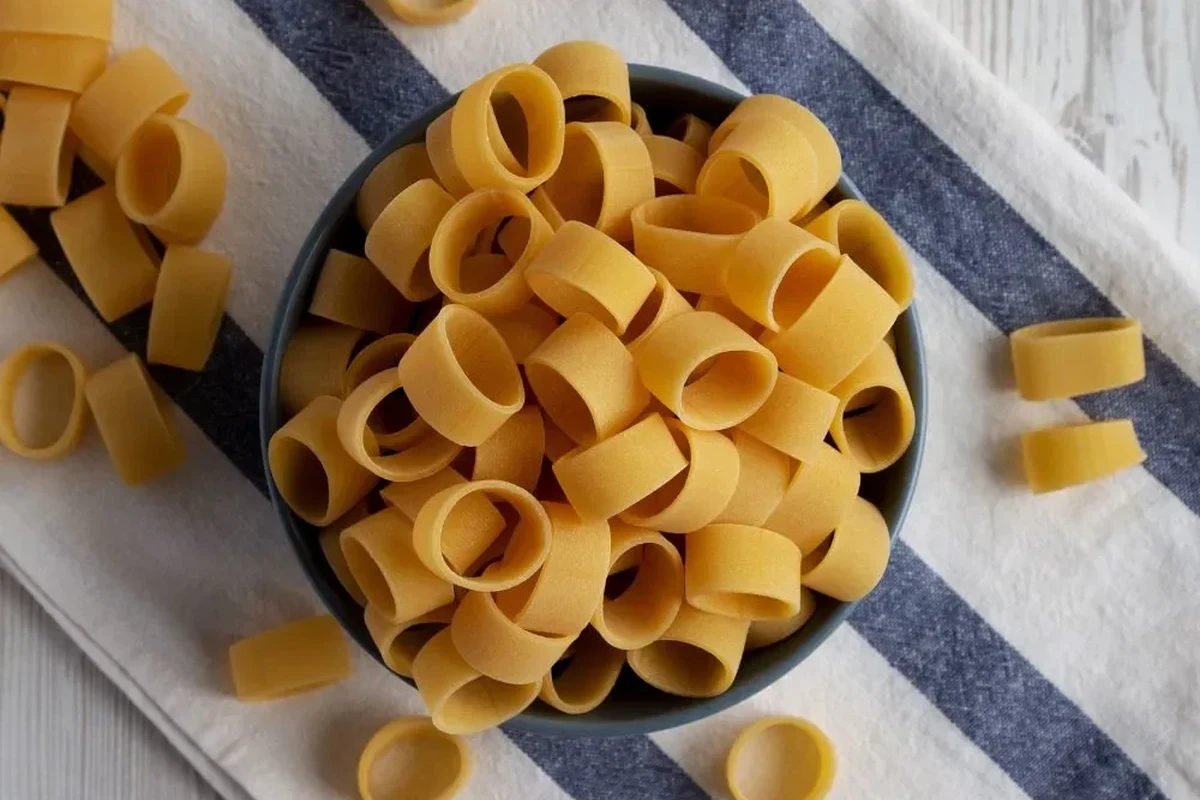
Dry pasta does not dissolve right away. It starts to soften once it meets saliva and stomach fluid.
Because it is dense and dry, your body has to work harder to break it down. That can make it feel like it sits in your stomach longer than cooked pasta.
How your stomach handles uncooked pasta
Your stomach uses acid, motion, and enzymes to break food apart. Dry pasta needs more time and liquid before it becomes easy to digest.
If you eat just a little, your stomach can usually handle it. If you eat a lot, you may feel bloated, gassy, or uncomfortably full.
How your body reacts can vary by pasta shape, how much you ate, and your own digestion.
People with sensitive stomachs may notice more discomfort. That does not always mean the pasta is unsafe. It just means it may not agree with you.
Why dry pasta feels filling so fast
Dry pasta absorbs liquid as it sits in your mouth and stomach. That can make it expand and feel heavier than you expected.
It also takes longer to chew. So you may feel full before your body has had time to process it well.
Pasta gets much softer and easier to digest after cooking because water changes its texture.
That is one reason a small snack can turn into a stomach ache. It seems simple, but dry starch can be surprisingly heavy.
Is Dry Pasta Safe to Eat
In many cases, yes. Dry pasta is made from dried wheat and water, so it is not usually a food safety problem by itself.
The main concerns are choking, tooth damage, and stomach upset. Those risks matter more than germs in most normal cases.
When it is usually low risk
Dry pasta is usually low risk when you eat a small amount. A few pieces here and there are unlikely to cause harm for most adults.
It is also less concerning if you chew well and drink water. That helps the pasta soften before it reaches your stomach.
- Take small bites instead of chewing a big handful.
- Drink water if the pasta feels dry or stuck.
- Stop if you feel pain, pressure, or trouble swallowing.
When it can cause problems
Dry pasta can cause problems if you eat too much too fast. It can also be risky for young children or anyone who has trouble swallowing.
If pasta gets stuck in your throat, that becomes a real safety issue. You should treat that as urgent, not as a normal stomach issue.
If food feels stuck in the throat or breathing changes, get help right away.
People with digestive issues may also feel worse after eating dry pasta. If that happens often, it is smart to avoid it.
Common Myths About Eating Dry Pasta
Dry pasta gets a bad reputation online. Some of that worry makes sense, but some of it is just myth.
Let’s clear up the most common claims.
It will always make you sick
That is not true. Dry pasta does not automatically make you sick just because it is uncooked.
Most healthy adults can handle a small amount without a problem. The issue is usually discomfort, not illness.
Of course, if the pasta is old, moldy, or stored badly, that is a different story. In that case, do not eat it.
It has the same risks as raw dough
No, dry pasta and raw dough are not the same. Raw dough can carry more food safety concerns, especially if it includes eggs or untreated flour.
Dry pasta is a shelf-stable product. It has already been dried, so it does not behave like fresh dough.
Is dry pasta the same as raw bread dough?
No. Dry pasta is a dried pantry food, while raw dough can bring different food safety risks.
That said, both can be hard to digest if you eat them in the wrong form or amount.
Benefits and Limits of Eating Dry Pasta
There are a few reasons people snack on dry pasta. It is cheap, shelf stable, and easy to grab.
But those same traits do not make it a great everyday snack.
When people use it as a quick snack
Some people eat dry pasta when they want something plain and crunchy. It can also happen when kids sneak a bite while dinner cooks.
In a pinch, it may stop hunger for a short time. It is not fancy, but it is available.
- Easy to store in the pantry
- Quick to grab when you need a bite
- Plain flavor may suit picky eaters
Why it is not a great regular habit
Dry pasta is not very balanced as a snack. It gives you carbs, but not much else.
It also lacks the softer texture that makes cooked pasta easier to enjoy and digest. That can leave you feeling dry and unsatisfied.
If you make it a habit, you may end up choosing a snack that is less filling than it seems. You may also get more stomach discomfort over time.
Common Mistakes People Make
The biggest problems usually come from how people eat it, not the pasta itself. A few simple habits can make things worse fast.
Eating too much at once
This is the most common mistake. A few pieces are one thing, but a large handful can be tough on your stomach.
Dry pasta expands as it absorbs liquid. That can leave you feeling overly full or crampy.
You feel bloated or uncomfortable after snacking on dry pasta.
Cut back to a small amount and drink water with it.
Mixing it with poor food choices
Dry pasta often gets eaten with other snack foods that are salty or greasy. That can make stomach upset worse.
It can also lead to mindless snacking. Before you know it, the pasta is gone and you still do not feel satisfied.
- Pair snacks with water or another soft food
- Keep portions small and simple
- Eating dry pasta with lots of salty snacks
- Chomping fast without chewing well
Better Ways to Eat Pasta Safely
If you like pasta, there are much better ways to enjoy it. The good news is that safe pasta is easy to make.
You do not need anything fancy. A pot, water, salt, and a little attention are usually enough.
Simple cooking tips for better texture and digestion
Cook pasta until it is tender but not mushy. That gives you a better texture and makes it easier to chew.
Use plenty of water so the pasta can move freely. Stir it now and then so it does not clump.
If you are reheating pasta, add a little water or sauce. That helps keep it from turning dry and tough.
Smart snack swaps if you want crunch
If you want something crunchy, pasta is not the best snack. There are better choices that are easier to chew and easier on your stomach.
Try toasted nuts if you can eat them safely, whole-grain crackers, air-popped popcorn, or sliced vegetables with dip. Pick what fits your diet and any allergy needs.
- Choose snacks that are easy to chew
- Check for allergy concerns and age safety
- Pick foods that fit your hunger level
If you want pasta flavor, try a small bowl of cooked pasta salad instead. That gives you the taste without the dry bite.
Final Recommendation for Red Kitchen Project Readers
So, is it bad to eat dry pasta? Not usually in a small amount, but it is not the best habit.
For most readers, the safest choice is simple. Eat pasta cooked, and keep dry pasta as a pantry food, not a snack.
Dry pasta is usually low risk in small bites, but it can cause choking or stomach discomfort if you eat too much. Cooked pasta is the better everyday choice, while anyone with swallowing trouble should avoid dry pasta and follow medical or safety advice.
If you want crunch, choose a snack that is meant to be eaten that way. Your teeth and stomach will probably thank you.
Frequently Asked Questions
A small amount is usually not a problem for most healthy adults. The main concern is comfort, not poison or germs.
Yes, it can cause bloating or a heavy feeling if you eat too much. People with sensitive digestion may notice it more.
It can be, especially for children or anyone who eats fast. If food feels stuck or breathing changes, get help right away.
No, dry pasta is not the same as raw dough. Raw dough can bring different food safety risks, especially with eggs or untreated flour.
Cook it until tender, use enough water, and chew it well. If you want a snack, choose something meant to be crunchy.
Avoid it if you have trouble swallowing or if it causes pain. Also skip it if the pasta looks old, damaged, or stored badly.