Why Cold Brew Coffee Tastes Smoother and Less Bitter

Cold brew tastes smoother because cold water pulls fewer harsh compounds from the coffee. It’s a great choice if you want mellow flavor and easy make-ahead brewing.
Cold brew coffee tastes smoother because it uses cold water and a long steep time. That slow process pulls out fewer sharp acids and bitter compounds than hot brewing.
If you like coffee that feels mellow, less harsh, and easy to sip, cold brew is a smart choice. It also gives home brewers a lot of control over strength, taste, and storage.
- Smaller heat: Cold water usually means less bitter flavor extraction.
- Coarse grind: It helps keep cold brew cleaner and less muddy.
- Brewer choice: Easy cleaning and fridge fit matter most at home.
- Storage: Keep it sealed and cold for the best taste.
Why Cold Brew Coffee Tastes Smoother and Less Bitter
The short answer is simple. Cold brew uses time instead of heat to extract flavor.
Hot water pulls flavor fast, but it also pulls more of the sharp stuff. Cold water works more slowly, so the cup often tastes rounder and softer.
Cold brew is usually made as a concentrate. Many people dilute it with water, milk, or ice before drinking.
That smoother taste does not mean cold brew is weak. In fact, it can taste very bold when you use the right coffee ratio.
What Cold Brew Is and How It Differs from Iced Coffee
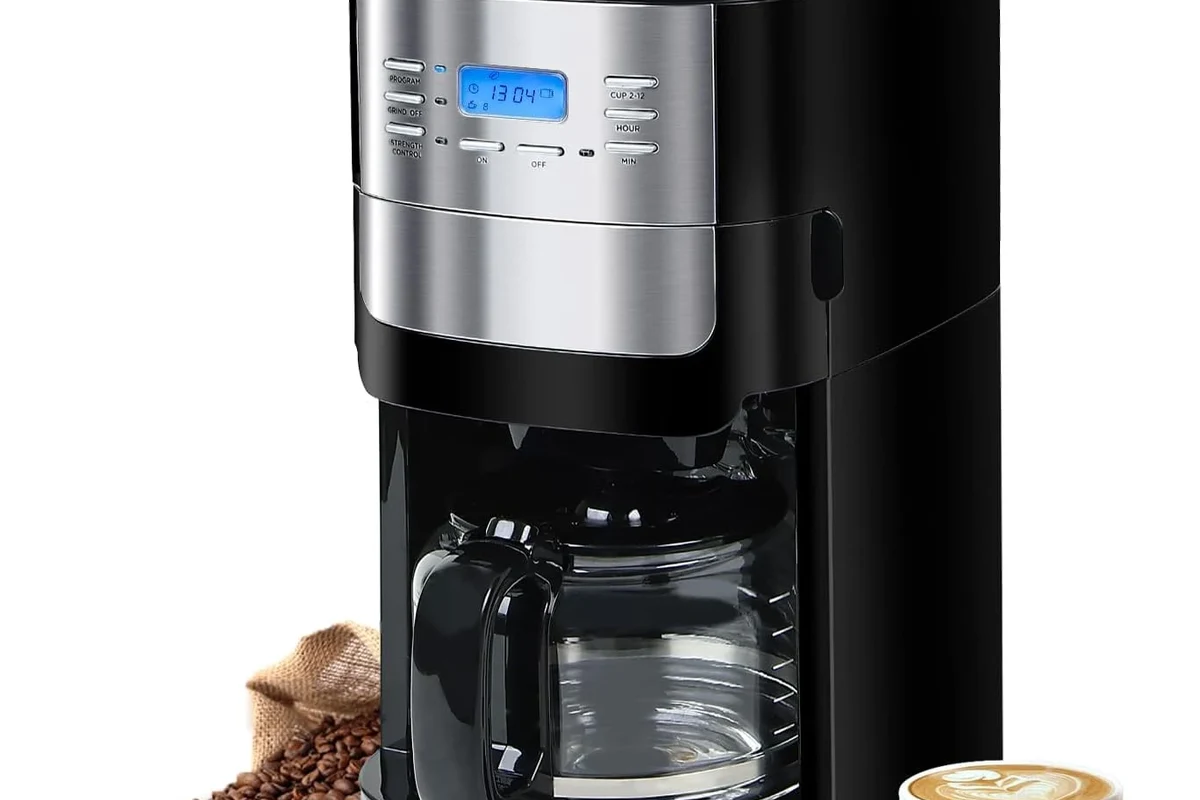
Cold brew and iced coffee are not the same thing. That mix-up causes a lot of confusion.
Cold brew starts with coffee grounds steeped in cold or room temperature water for many hours. Iced coffee usually starts as hot-brewed coffee, then gets chilled and poured over ice.
Cold brew basics: time, water, and grind size
Cold brew depends on three main things. You need the right water, the right grind, and enough time.
- Water: Cold or room temperature water works best.
- Grind size: A coarse grind helps keep the cup clean.
- Time: Long steeping builds flavor without heat.
A coarse grind matters because fine grounds can make the brew cloudy and gritty. They can also make cleanup harder.
Why hot brewing pulls out more bitter compounds
Heat speeds up extraction. That is useful for drip coffee and espresso.
However, heat can also pull more bitter and acidic compounds from the beans. That is one big reason hot coffee can taste sharper than cold brew.
Bean type, roast level, water quality, and steep time can all change the final taste. Results vary by recipe and brewer.
The Science Behind Cold Brew’s Smooth Taste
Cold brew often tastes smoother because the brewing process changes what ends up in the cup. It is not magic. It is chemistry and time.
Lower heat means less acid and fewer sharp flavors
Cold water extracts flavor more gently than hot water. That often leads to less brightness and less bite.
Many coffee drinkers describe the result as sweet, smooth, or mellow. That does not mean the coffee has no flavor. It just means the sharp edges are softer.
Why longer steeping changes the final cup
Long steeping gives water time to pull flavor from the grounds. Because the process is slow, the brew can taste rich without tasting harsh.
Still, too much steeping can create a flat or woody taste. More time is not always better.
How to Make Cold Brew at Home the Right Way
You do not need a fancy machine to make good cold brew. You do need a steady method and a little patience.
Best coffee beans, grind size, and brew ratio
Most beans can work for cold brew. Medium or dark roasts often taste smooth and rich.
A coarse grind is the safest bet for most home brewers. It helps the water move through the grounds and makes filtering easier.
The brew ratio depends on how strong you want it. A stronger concentrate uses more coffee. A lighter brew uses less.
- Start with a coarse grind for cleaner flavor.
- Use filtered water if your tap water tastes harsh.
- Write down your ratio so you can repeat good batches.
Simple step-by-step cold brew method
Place coarse grounds in your jar, basket, or filter.
Wet all the grounds evenly so the brew starts well.
Follow your recipe or brewer guide for the steep time.
Filter out the grounds and keep the coffee cold.
After brewing, taste a small sip before serving. You can dilute it, add milk, or pour it over ice.
Common brewing mistakes that make cold brew taste weak or muddy
Many bad batches come from a few simple errors. The good news is that they are easy to fix.
The coffee tastes weak and watery.
Use more coffee, a longer steep, or less dilution after brewing.
The coffee tastes muddy or gritty.
Use a coarser grind and a better filter.
The coffee tastes flat or woody.
Shorten the steep time and try a fresher batch of beans.
Cold Brew Coffee Makers: What to Look For in 2026
Cold brew makers vary a lot. Some are simple jars with filters. Others use built-in valves, fine mesh, or glass carafes.
In 2026, the best choice is still the one that fits your kitchen, your cleanup habits, and how often you brew.
- Capacity and dimensions
- Filter type and cleaning ease
- Storage style and fridge fit
- Warranty and manual guidance
Capacity, filter type, ease of cleaning, and storage
Capacity matters because cold brew takes time. If you drink it often, a larger brewer may save effort.
Filter type also matters. Fine filters can make a cleaner cup, but they may take longer to rinse.
Storage is another big point. A brewer that fits neatly in the fridge is easier to use every week.
Glass, plastic, and stainless steel options
Each material has trade-offs. Glass looks nice and does not hold smells as easily.
Plastic is often lighter and less fragile. Stainless steel can feel sturdy and may suit busy kitchens.
Which features matter most for daily use
For daily use, easy cleaning is a top priority. If a brewer is annoying to rinse, you may stop using it.
Leak resistance, a stable lid, and a good pour spout also help. Small details matter when you use a brewer every week.
If you brew often, choose a design with removable parts and a wide opening. That makes rinsing much faster.
Benefits, Limits, and Who Cold Brew Is Best For
Cold brew has clear strengths. It also has a few limits you should know before you buy a maker.
Who will love cold brew most
Cold brew is a great fit for people who want a smoother cup. It also works well for busy mornings.
If you like to make coffee ahead of time, cold brew can help. You brew once, then enjoy it for days.
When cold brew may not be the best choice
Cold brew is not ideal if you want coffee fast. It takes planning.
It may also not suit people who love bright, lively coffee flavors. Those flavors often show up more in hot brewing.
- Smoother, less bitter taste
- Easy to make in batches
- Good for fridge storage
- Needs long steep time
- Can turn weak if diluted too much
- Cleanup can be messy with fine grounds
Cost, strength, and caffeine notes to know
Cold brew can feel strong because many recipes use a concentrate. But strength depends on the recipe, not just the method.
Caffeine also varies a lot by bean, ratio, and serving size. If you want a specific caffeine level, check the recipe and serving amount carefully.
If you have health concerns about caffeine, talk with a qualified professional. Cold brew strength can vary a lot by recipe.
Cleaning, Storage, and Safety Tips
Good cold brew tastes better when the brewer stays clean. Old oils and leftover grounds can spoil the flavor fast.
How to clean a cold brew maker fast
Clean the brewer right after you pour the coffee. Dried grounds are harder to remove.
Rinse all removable parts with warm water and mild soap. Check the manual for parts that are dishwasher safe.
Empty grounds, rinse parts, and wash the filter well.
Check seals, screens, lids, and cracks or wear.
How long cold brew lasts in the fridge
Storage time varies by recipe, container, and fridge temperature. Many home brewers keep cold brew for several days.
For best taste, store it cold in a sealed container. If it starts to smell off or taste stale, pour it out.
What to watch for with food safety and flavor loss
Use clean tools and cold storage. That helps protect flavor and reduce spoilage risk.
Do not leave brewed coffee out for long periods. If your brewer has a glass carafe or fragile parts, handle it with care.
Follow the appliance manual and stop using damaged equipment. Replace cracked glass, worn seals, or broken filters.
Final Recommendation: Is Cold Brew Worth It?
For most home coffee drinkers, cold brew is worth trying. It delivers a smoother cup and gives you good control over taste.
If you want a low-hassle routine, a simple cold brew maker can be a smart kitchen tool. If you want fast coffee or bright flavor, hot brewing may fit better.
Best use cases for home brewers
Cold brew works best for people who like make-ahead coffee. It also fits small kitchens when the brewer cleans up easily.
If you serve more than one cup a day, a larger batch can save time through the week.
Simple verdict on taste, value, and convenience
Cold brew is a strong pick for smooth taste, easy batch brewing, and fridge-friendly storage. It is less ideal if you want quick coffee or sharp, bright flavors, so choose it for convenience and mellow taste, not speed.
- Cold brew tastes smoother because it uses cold water and time.
- Coarse grind and clean filtering help the best flavor.
- Easy cleanup and fridge fit matter most in a brewer.
- It suits make-ahead coffee drinkers more than speed seekers.
Frequently Asked Questions
Cold water extracts flavor more slowly than hot water. That usually pulls fewer sharp acids and bitter compounds into the cup.
A coarse grind is best for most cold brew recipes. It helps the coffee taste cleaner and makes filtering easier.
Steep time varies by recipe and brewer, but cold brew usually needs many hours. Too little time can taste weak, while too much can taste flat or woody.
Look at capacity, filter type, cleaning ease, storage fit, and the manual. The best model is the one that matches how often you brew and how much cleanup you want.
Cold brew often keeps for several days in a sealed container, but taste drops over time. If it smells off or tastes stale, discard it.
Yes. Use more coffee for a stronger batch or add more water for a lighter cup. Taste and strength depend on the recipe, beans, and serving size.