Should Coffee Mugs Be Stored Upside Down for Best Results

Yes, most coffee mugs can be stored upside down if they are fully dry. It works best in clean, dry cabinets and is less ideal for delicate or damp storage spots.
Yes, many coffee mugs are fine stored upside down. It can help keep dust out and leave the rim cleaner. But it is not always the best choice. The right answer depends on your cabinet, shelf, and mug material.
- Best default: Upside-down storage helps keep mug rims cleaner.
- Main rule: Dry mugs fully before putting them away.
- Watch for damage: Fragile rims and chips can make upright storage safer.
- Clean space matters: Dirty shelves can undo the benefit.
Should Coffee Mugs Be Stored Upside Down? The Short Answer

For most homes, upside-down storage works well in a clean, dry cabinet. It helps protect the drinking rim from dust and crumbs. It can also keep mugs from picking up odors from shelves.
Still, upright storage can be better in some kitchens. That is true when shelves trap moisture, when mugs have delicate rims, or when you use open racks. In short, the best method depends on how you store and wash your mugs.
When upside-down storage helps
Upside-down storage makes sense when your mugs dry fully before you put them away. It also helps in closed cabinets that stay clean. If you have pets, open windows, or dusty shelves, this setup can be handy.
Store mugs upside down only after they are fully dry. That helps avoid musty smells and hidden moisture.
When upright storage is better
Upright storage is often safer for mugs with painted rims, thin glass, or fragile finishes. It also works better if your shelf surface is rough or dirty. Some mugs need air flow more than dust protection.
If you stack mugs, upright storage can also reduce pressure on the rim. That matters for handmade mugs and older pieces. In short, upright storage can protect delicate mugs better.
How Upside-Down Mug Storage Works
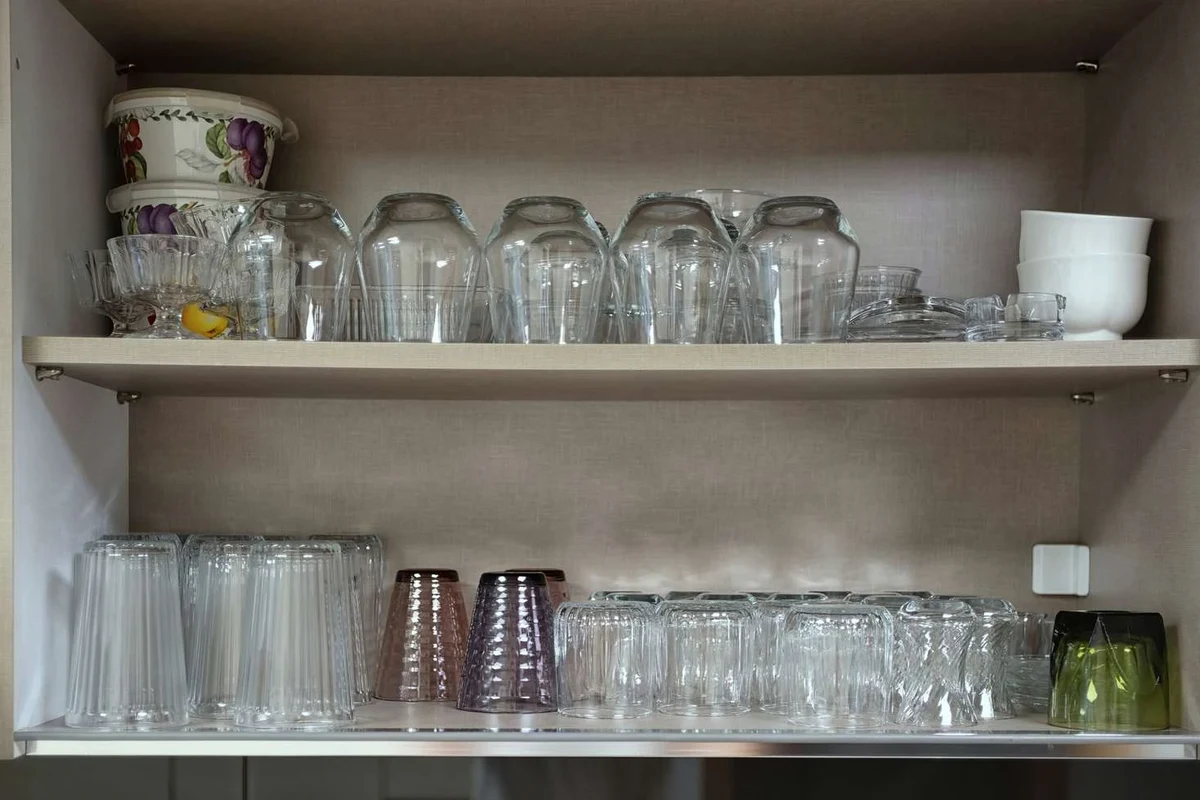
Upside-down storage changes how air, dust, and moisture move around the mug. The open side faces down, so less dust can settle inside. But any water left behind can get trapped near the rim or base.
Dust, moisture, and air flow
Dust falls into open cups more easily when they sit upright. Turning them over blocks that path. That is the main reason many people prefer this method.
Moisture is the trade-off. If a mug still has water drops inside, those drops may stay trapped longer. That can lead to spots, odors, or a damp shelf.
What happens with open shelves and cabinets
Open shelves collect more dust than closed cabinets. So upside-down storage often helps more there. However, open shelves also give better air flow, which can help mugs dry.
Closed cabinets protect mugs from dust, but they can hold in moisture if the cabinet is damp. A clean, dry cabinet is usually the best place for upside-down storage. If the cabinet smells musty, fix that first.
Cabinet conditions vary a lot by home. Humidity, sink placement, and ventilation all affect the best storage choice.
Benefits and Limits of Storing Mugs Upside Down
This storage style has clear upsides. It also has a few real limits. Knowing both helps you avoid damage and keep your mugs in good shape.
Cleaner rims and less dust
The biggest benefit is simple. The drinking rim stays cleaner. That matters if you use mugs every day and want a quick, ready-to-go cup.
It also helps if your kitchen gets dusty fast. For example, an open shelf near a stove or window can collect grime sooner than you think. Upside-down storage gives that rim a little more protection.
Scratches, chips, and trapped moisture
Upside-down storage is not risk free. If the shelf is rough, the rim can scratch. If the mug is pushed around often, small chips can happen too.
Moisture is the other concern. A mug that is not fully dry may trap water inside or around the lip. That can leave spots and make the mug feel less fresh.
Never store mugs while they are still wet. Trapped moisture can lead to odors, stains, and cabinet damage.
Which mug materials handle it best
Most sturdy ceramic and stoneware mugs do fine upside down. Smooth glass mugs often do well too, as long as they are fully dry. Thicker mugs usually handle daily storage better than delicate ones.
Handmade mugs, thin porcelain, and mugs with raised designs need more care. Their rims may chip more easily. If the mug feels fragile, upright storage may be the safer choice.
Even a small chip on a mug rim can spread over time with daily use.
Best Ways to Store Coffee Mugs in Real Kitchens
The best storage method depends on the space you have. It also depends on how often you use each mug. Daily-use mugs need faster access than seasonal ones.
Cabinets with closed doors
Closed cabinets are the easiest place for upside-down mug storage. They keep dust out and hide the mugs neatly. Just make sure the shelf is clean and dry.
If the cabinet sits above the sink or dishwasher, check for steam and dampness. A little extra air flow can help. You want the cabinet to stay dry between uses.
Open shelves and mug racks
Open shelves look nice and make mugs easy to grab. They also show dust faster. That is why many people turn mugs upside down on open shelves.
Mug racks work well when space is tight. Still, they can crowd the mug and bump the rim. Leave enough room so each mug hangs or rests without rubbing.
Small kitchens and crowded storage spaces
Small kitchens need smart use of space. Upside-down storage can help because it often lets you line mugs up more neatly. It can also make the shelf feel less cluttered.
However, crowded storage can cause damage. If mugs touch each other, the rims may chip. If you live in a small kitchen, keep the shelf simple and avoid overfilling it.
Common Mistakes People Make With Mug Storage
Most mug storage problems come from small habits. A wet mug, a dirty shelf, or a tight stack can cause more trouble than the storage direction itself.
Putting away wet mugs too soon
This is the most common mistake. A mug may look dry at a glance, but a few drops can stay hidden. Those drops can leave spots or stale smells.
Let mugs air dry fully before putting them away. If you are in a hurry, dry the rim and base with a clean towel. That simple step prevents a lot of trouble.
Stacking mugs without checking the rim
Stacking saves space, but it can wear down the rim. That is true for heavy mugs and thin mugs alike. A tiny chip can turn into a bigger crack later.
Always check the rim before stacking. If a mug already has a chip, do not place it under weight. Use that mug for lighter storage or move it to a separate spot.
Using shelves that collect grime
A dusty or greasy shelf can undo the benefit of upside-down storage. The mug rim may stay clean, but the base can pick up grime. Then you have to wash it again before use.
Wipe shelves often, especially near the stove or coffee maker. Grease and dust can build up faster than people expect. Clean storage is part of clean mugs.
Cleaning and Maintenance Tips for Safer Storage
Good storage starts with good cleaning. If your mugs and shelves stay dry and clean, either storage method can work well. A little routine care goes a long way.
Drying mugs fully before storing
After washing, let mugs dry on a rack or towel. Make sure water does not pool in the bottom. Turn them only when the inside feels dry to the touch.
If your kitchen is humid, give mugs more time. Humid air slows drying. That is especially important for thick ceramic mugs.
- Dry mugs near open air when possible.
- Check the rim, base, and handle before storing.
- Use a clean shelf liner if your cabinet gets dusty.
Keeping shelves and cabinets clean
Dust, grease, and crumbs can collect where mugs sit. Wipe shelves with a safe cleaner and let them dry before restocking. Clean shelves make upside-down storage much more useful.
If the cabinet smells stale, empty it and air it out. That can help more than changing mug direction alone. In short, clean storage space matters just as much as clean mugs.
Checking for cracks, chips, and stains
Look over your mugs now and then. Check the rim, handle, and base. A cracked mug may not belong in daily use, especially if the damage grows.
Stains can also hint at trapped moisture or old residue. If a mug keeps showing spots, wash it more carefully and rethink the storage spot. Damaged mugs should not be forced into tight stacks.
Stop using a mug with sharp cracks, loose pieces, or deep chips. Replace it or use it only if the manufacturer says it is safe.
How to Choose the Best Storage Method for Your Kitchen
There is no single rule for every home. The best method depends on the mug, the shelf, and how you use your kitchen each day. Think about comfort, speed, and care.
Match storage to your mug material
Sturdy ceramic mugs usually handle upside-down storage well. Thin glass, porcelain, and handmade mugs may need more care. If the mug feels delicate, give it extra room.
Also think about the finish. Painted or glazed rims can wear down with rubbing. A soft shelf liner may help, but only if it stays clean and dry.
Think about daily use and convenience
If you use the same mugs every morning, keep them easy to reach. Upside-down storage works best when you can grab a mug fast without moving other items. Convenience matters in a busy kitchen.
If you only use certain mugs on weekends or for guests, upright storage may be fine. Those mugs can sit a little longer without trouble. That makes them easier to protect.
Balance cleanliness with protection
Upside-down storage helps with dust. Upright storage can help with fragile rims and better air flow. The better choice is the one that protects the mug without creating moisture problems.
For many homes, the sweet spot is simple. Use upside-down storage in a clean, dry cabinet. Use upright storage for delicate mugs or damp spaces.
Best for clean, dry cabinets and daily-use mugs.
Best for delicate mugs, humid spaces, and fragile rims.
Final Recommendation: Should You Store Coffee Mugs Upside Down?
For most people, yes, coffee mugs can be stored upside down. It is often the cleaner and more practical choice, especially in closed cabinets or dusty kitchens. Just make sure the mugs are fully dry first.
If your mugs are delicate, chipped, or stored in a damp spot, upright storage may be better. The main goal is simple. Keep the mug clean, dry, and safe from damage.
Best choice for most homes
Upside-down storage is the best default for many kitchens. It keeps the rim cleaner and helps limit dust. It works especially well for sturdy mugs in neat cabinets.
If you want the easiest rule, use this one. Dry the mug fully, then store it upside down in a clean space. That covers most everyday needs.
When to switch to upright storage
Switch to upright storage if the mug has a fragile rim or a special finish. Do the same if your shelf traps moisture or if the cabinet stays damp. Protection should come first.
In the end, the best method is the one that fits your kitchen. If upside down keeps your mugs cleaner without causing wear, it is a smart choice. If not, upright storage is perfectly fine too.
- Upside-down storage helps keep mug rims cleaner.
- Dry mugs fully before storing them.
- Use upright storage for delicate or damp situations.
- Clean shelves and cabinets matter just as much.
Frequently Asked Questions
Upside down is often better for clean, dry cabinets because it helps keep dust off the rim. Upright is better for delicate mugs or damp storage spaces.
Yes, if the mug is not fully dry first. Let mugs air dry completely before putting them away.
No, sturdy ceramic and glass mugs usually handle it best. Thin porcelain, handmade mugs, and fragile finishes may need upright storage.
Wipe shelves and cabinet surfaces often, especially near the stove or coffee maker. Clean, dry shelves make upside-down storage much safer and cleaner.
Stacking can save space, but it can also chip rims. Only stack mugs if they fit well and the rims are in good shape.
Stop using mugs with sharp cracks, loose pieces, or deep chips. Replace them or follow the manufacturer’s safety guidance.